Turbo Bypass / Diverter Valve Failure
high- Typically appears
- 60–120k mi
- Estimated repair
- $80 – $250
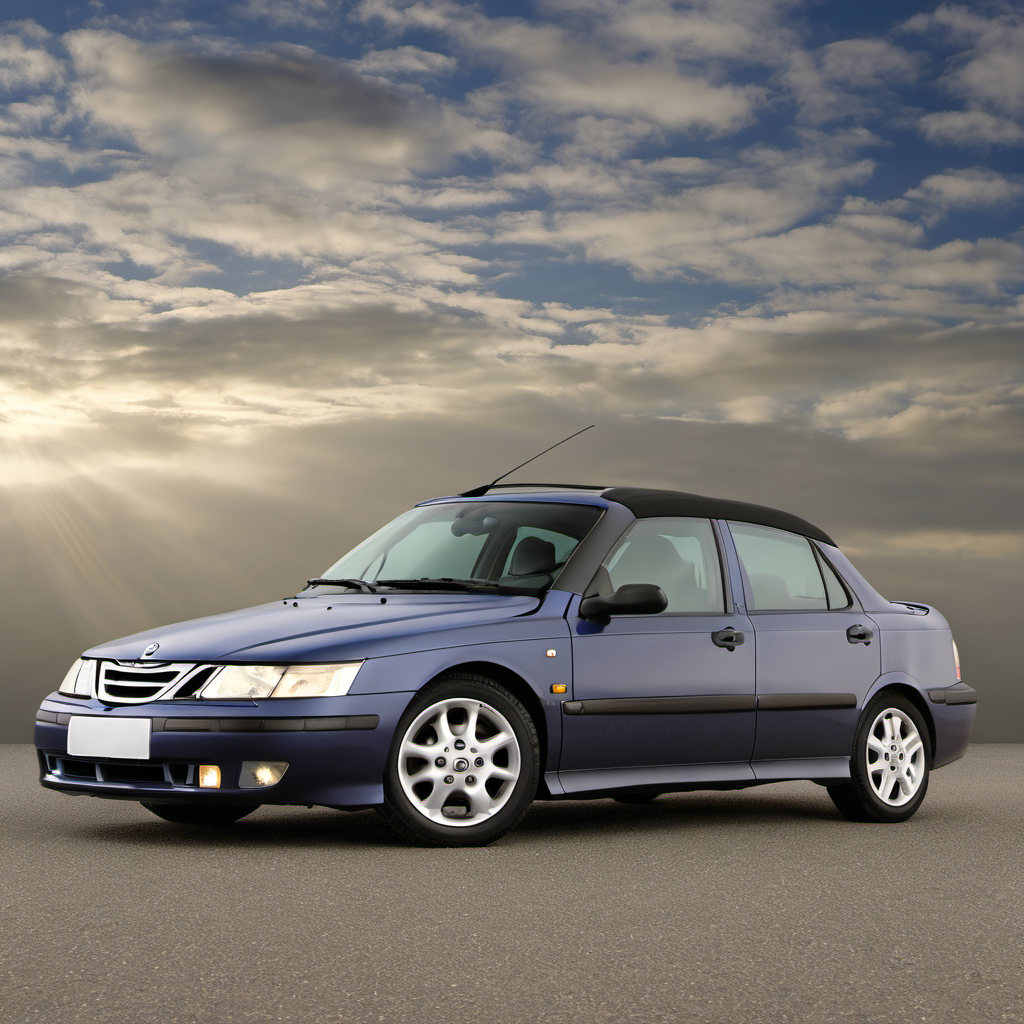
2002 Saab
2.0L Turbocharged Inline-4 · Convertible
The 2002 Saab 9-3 Convertible is a front-wheel-drive, turbocharged drop-top built on the GM2900 platform and assembled in Valmet, Finland. It was the final model year of the first-generation 9-3, carrying over the outgoing body style before the completely redesigned 2003 9-3 arrived. That makes 2002 a transitional year — the car has a loyal following for its quirky Scandinavian character, torquey turbo engine, and genuinely sturdy convertible top, but parts availability has narrowed considerably now that Saab is defunct. Under the hood sits the B205R 2.0L turbocharged four-cylinder, good for around 185 hp in its higher-output tune. Power delivery is characteristically Saab — strong mid-range torque that rewards steady driving more than hard revving. The Sentronic automatic in this configuration shifts reasonably well, though enthusiasts prefer the manual that was also offered. Owning a 20-plus-year-old orphan brand convertible is a commitment. Parts come from specialty suppliers and the Saab aftermarket community, and finding an independent shop familiar with these cars is essential. In good hands and with proactive maintenance, this is a rewarding and distinctive driver. Skip the maintenance and you'll be chasing electrical gremlins and turbo problems in short order.
The 2002 Saab 9-3 Convertible is a front-wheel-drive, turbocharged drop-top built on the GM2900 platform and assembled in Valmet, Finland. It was the final model year of the first-generation 9-3, carrying over the outgoing body style before the completely redesigned 2003 9-3 arrived. That makes 2002 a transitional year — the car has a loyal following for its quirky Scandinavian character, torquey turbo engine, and genuinely sturdy convertible top, but parts availability has narrowed considerably now that Saab is defunct. Under the hood sits the B205R 2.0L turbocharged four-cylinder, good for around 185 hp in its higher-output tune. Power delivery is characteristically Saab — strong mid-range torque that rewards steady driving more than hard revving. The Sentronic automatic in this configuration shifts reasonably well, though enthusiasts prefer the manual that was also offered. Owning a 20-plus-year-old orphan brand convertible is a commitment. Parts come from specialty suppliers and the Saab aftermarket community, and finding an independent shop familiar with these cars is essential. In good hands and with proactive maintenance, this is a rewarding and distinctive driver. Skip the maintenance and you'll be chasing electrical gremlins and turbo problems in short order.
The B205R turbo is extremely sensitive to oil quality and change intervals. Sludge buildup in the oil galleries will starve the turbocharger and cause catastrophic failure. This is the single most important maintenance item on this car.
The diverter valve is a known wear item. A failing valve causes turbo surge, sluggish acceleration, and can trigger P0033–P0035 codes. The part is inexpensive and labor is straightforward.
Tensioner failure can cause sudden belt loss, which kills the charging and cooling systems. In a 20-year-old car, replace both the belt and tensioner together.
Degraded coolant accelerates corrosion in the aluminum engine components and thermostat housing. Use OAT-compatible coolant per Saab spec.
Top seals dry and crack, especially after Wisconsin winters. Lubricate the latches and hinges, treat rubber seals, and inspect the hydraulic lines for weeping fluid. Prevention is far cheaper than a hydraulic pump replacement.
These cars are known to rust from the inside out at the rear floor and sill areas. Wisconsin road salt accelerates this significantly. Catch it early and treat it — structural rust on a convertible is expensive and sometimes fatal to the car.
The direct ignition cassette (DIC) on these engines is a common failure point. Misfires stress the turbo and catalytic converter. Replace plugs on schedule and inspect coil boots for cracks.
The Saab's electronics are sensitive to voltage drops. A weak battery causes a cascade of CAN bus and module faults that look expensive until you trace them back to low voltage. In Lake Geneva winters, a marginal battery will fail.
Always defer to the manufacturer's service manual for warranty-mandated intervals.
This car is not cheap to own despite its modest used-market price. Specialty parts, increasingly scarce OEM components, and the need for a Saab-knowledgeable technician push maintenance costs above average. Budget on the higher end of the range for any example that hasn't had documented recent work. A pre-purchase inspection by a Saab-familiar shop is money well spent — it can save you from buying a money pit.
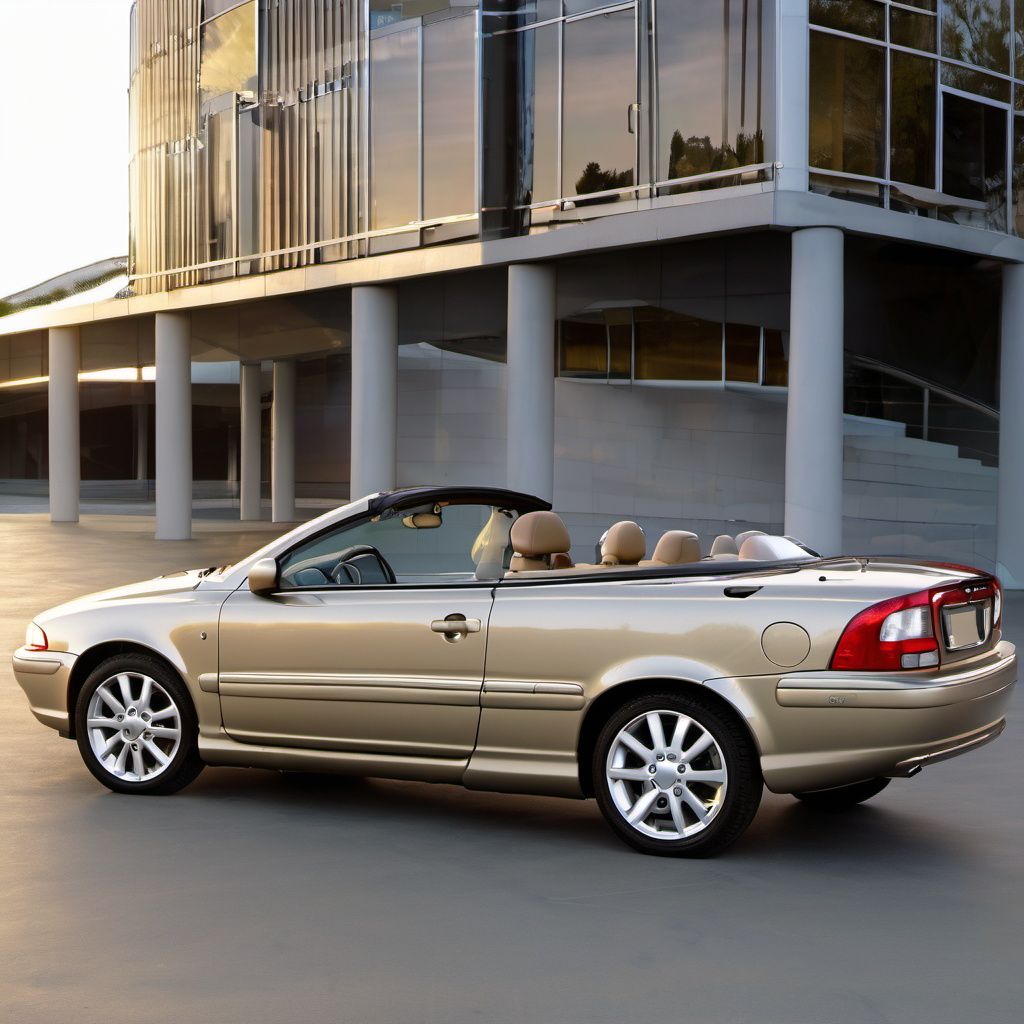
Fellow Scandinavian convertible from the same era, also turbocharged and FWD. Similar driver character, similar orphan-brand parts concerns, but Volvo dealer network remained slightly more intact post-production.
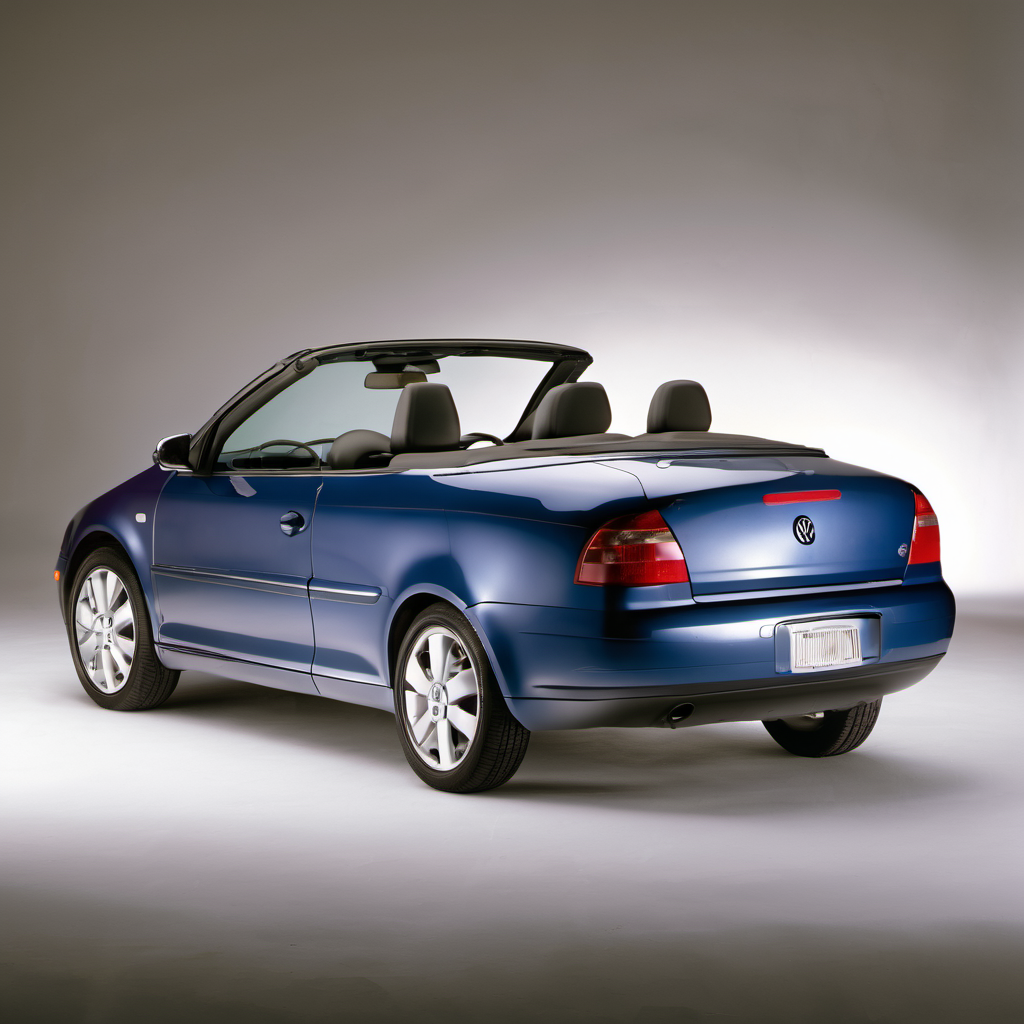
European soft-top in the same price bracket. Simpler, naturally aspirated, and easier to source parts for, but less powerful and less distinctive than the Saab.
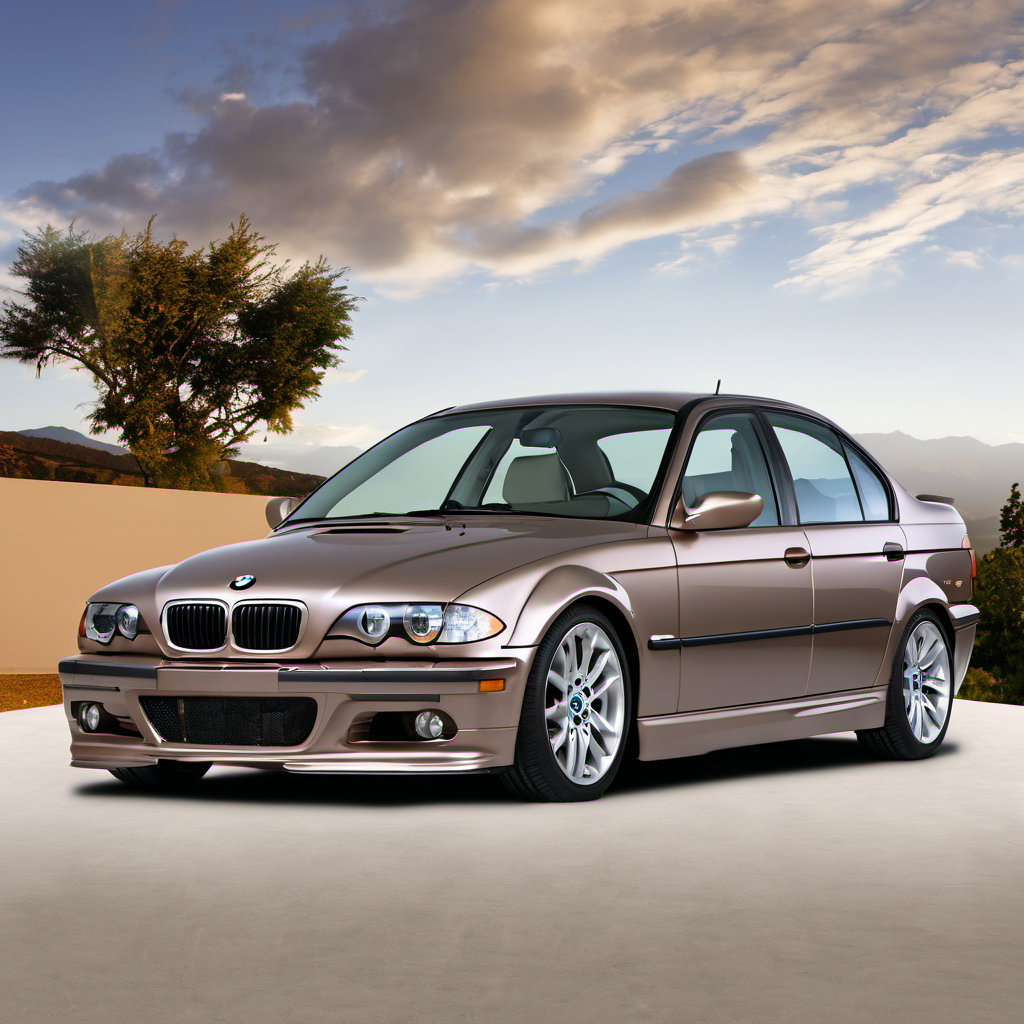
The 325Ci convertible is a direct segment competitor — similar price new, RWD dynamics vs. Saab's FWD, stronger long-term parts support, but higher maintenance costs.
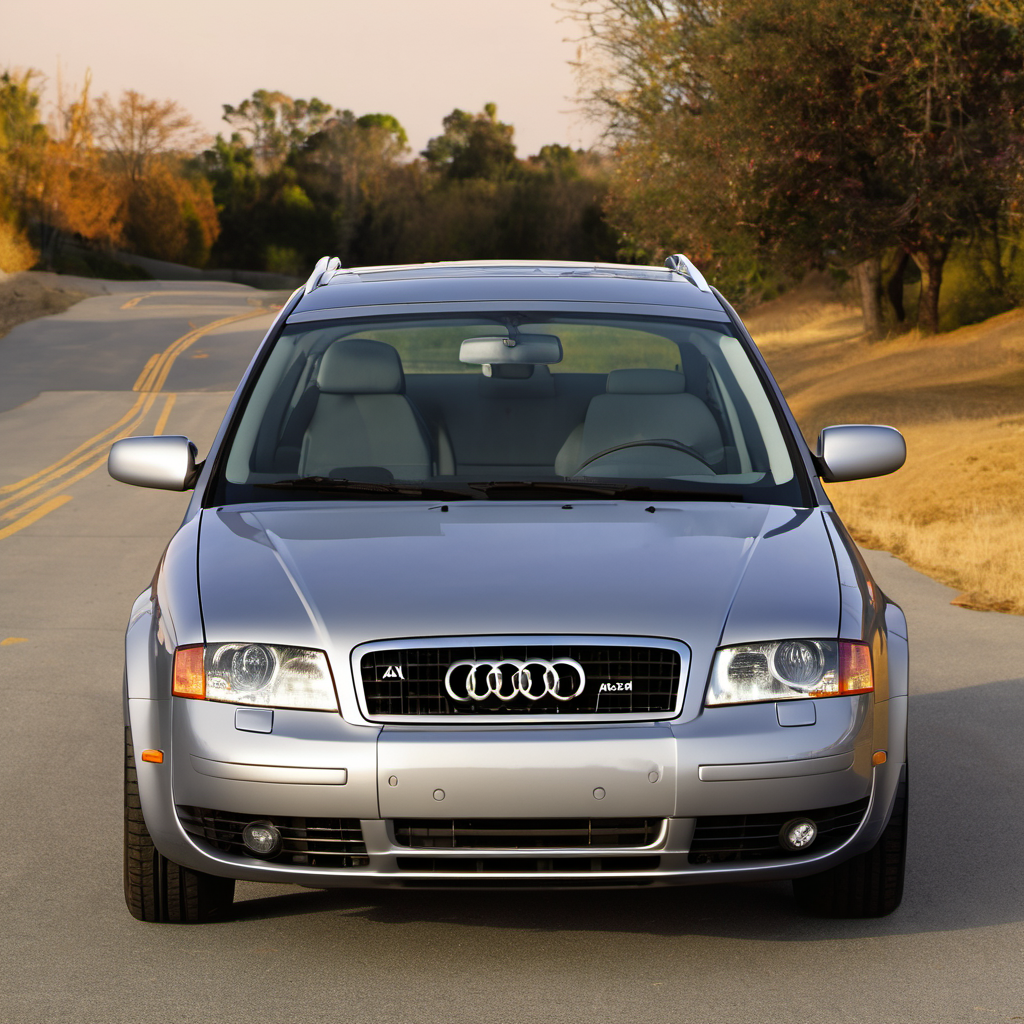
The A4 Cabriolet (arrived in 2003) and the earlier-gen compete in the same premium European convertible space. More mainstream parts support than Saab, similar complexity.