Air-Oil Separator (AOS) Failure
high- Typically appears
- 40k–80k mi
- Estimated repair
- $400 – $900
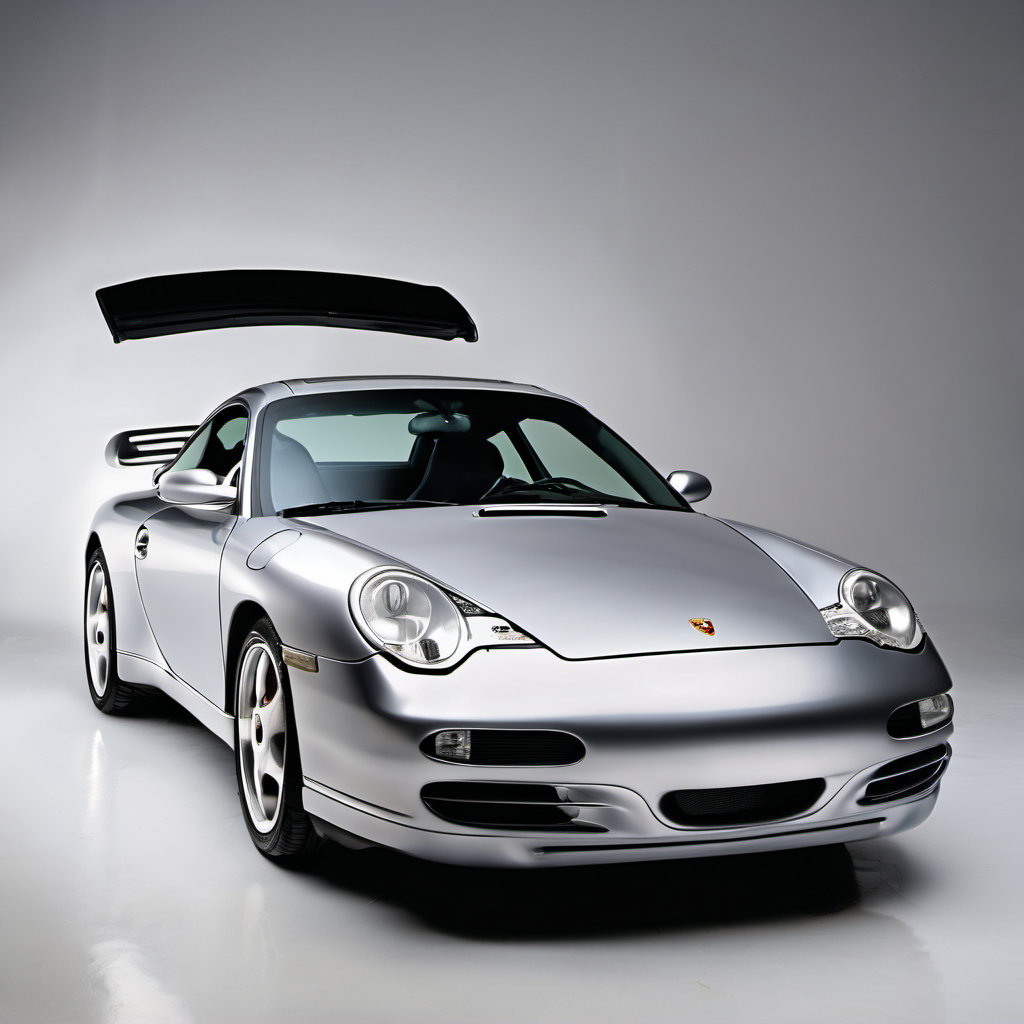
2002 Porsche
Coupe
The 2002 Porsche 911 (996 generation) Turbo is one of the most capable performance cars of its era, pairing a twin-turbocharged 3.6L flat-six with all-wheel drive and a chassis refined over decades of motorsport heritage. In stock form it produces 415 hp and sprints to 60 mph in around 4 seconds — numbers that were genuinely supercar territory in 2002. It remains a sought-after driver's car that rewards mechanical sympathy and proper maintenance. The 996 generation (1999–2005) was controversial among purists for switching to a water-cooled engine after decades of air-cooled 911s, but time has vindicated it as a robust platform when maintained correctly. The Turbo variant in particular benefits from stronger internals than the naturally aspirated Carrera and generally ages better mechanically when serviced on schedule. Owning one of these in Wisconsin means accepting that it will likely spend winters in a garage. That's actually fine — these cars appreciate care and controlled storage. Budget generously for maintenance; parts and specialist labor are expensive, but a well-kept 996 Turbo is a genuinely usable, thrilling daily driver for three seasons.
The 2002 Porsche 911 (996 generation) Turbo is one of the most capable performance cars of its era, pairing a twin-turbocharged 3.6L flat-six with all-wheel drive and a chassis refined over decades of motorsport heritage. In stock form it produces 415 hp and sprints to 60 mph in around 4 seconds — numbers that were genuinely supercar territory in 2002. It remains a sought-after driver's car that rewards mechanical sympathy and proper maintenance. The 996 generation (1999–2005) was controversial among purists for switching to a water-cooled engine after decades of air-cooled 911s, but time has vindicated it as a robust platform when maintained correctly. The Turbo variant in particular benefits from stronger internals than the naturally aspirated Carrera and generally ages better mechanically when serviced on schedule. Owning one of these in Wisconsin means accepting that it will likely spend winters in a garage. That's actually fine — these cars appreciate care and controlled storage. Budget generously for maintenance; parts and specialist labor are expensive, but a well-kept 996 Turbo is a genuinely usable, thrilling daily driver for three seasons.
Porsche's factory interval is longer, but the 996 engine is sensitive to oil degradation. Shorter intervals are cheap insurance against sludge and IMS bearing wear.
Failed AOS routes oily vapor back into the intake, fouling sensors and causing rough running. Catch it early before it triggers bigger issues.
The water-cooled 996 has plastic coolant pipes that become brittle with age. A burst coolant pipe can cause rapid overheating and engine damage — especially dangerous in Wisconsin summer heat.
Turbocharged engines are harder on plugs than NA motors. Fresh plugs maintain proper combustion and protect coils.
Porsche factory spec. Brake fluid absorbs moisture over time, lowering boiling point — critical on a high-performance car capable of extreme braking loads.
Carbon buildup in the turbo oil feed lines can starve the bearings. Inspect and clean at regular intervals; replace if restricted.
The 911's rear-engine weight bias and wide rear tires cause uneven wear. Regular rotation and alignment protect expensive performance tires and maintain handling balance.
The 996's electronics draw a parasitic load even when parked. Wisconsin winters with sub-zero temperatures will kill a marginal battery quickly. A trickle charger preserves the battery and prevents control module issues.
Always defer to the manufacturer's service manual for warranty-mandated intervals.
This is an expensive car to own correctly. Routine annual maintenance — oil, brakes, inspections — runs $2,000–$3,000 at a competent independent Porsche specialist. Add a major service (coolant, plugs, belts, AOS) every few years and costs can spike to $4,000–$7,000 in a given year. Budget a separate reserve for unplanned repairs; a single engine job can run $15,000+. The reward is a car that holds value well and delivers a driving experience few vehicles can match.
Contemporary Italian supercar in the same price bracket. More exotic but higher maintenance costs and less practical. Different driving character — mid-engine NA vs. rear-engine turbo.
No catalog match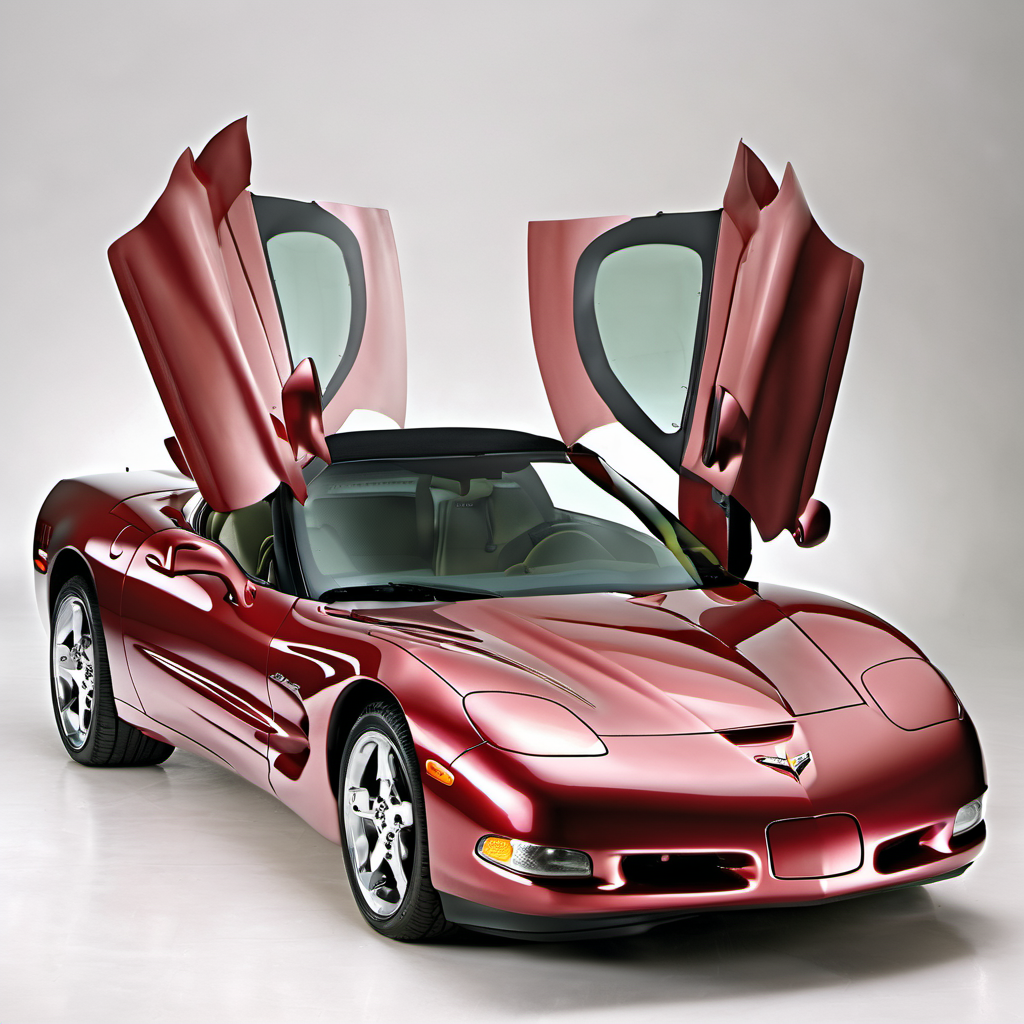
American high-performance coupe at a fraction of the 911 Turbo's running costs. Slower but enormous value-per-dollar; less prestigious and no AWD.
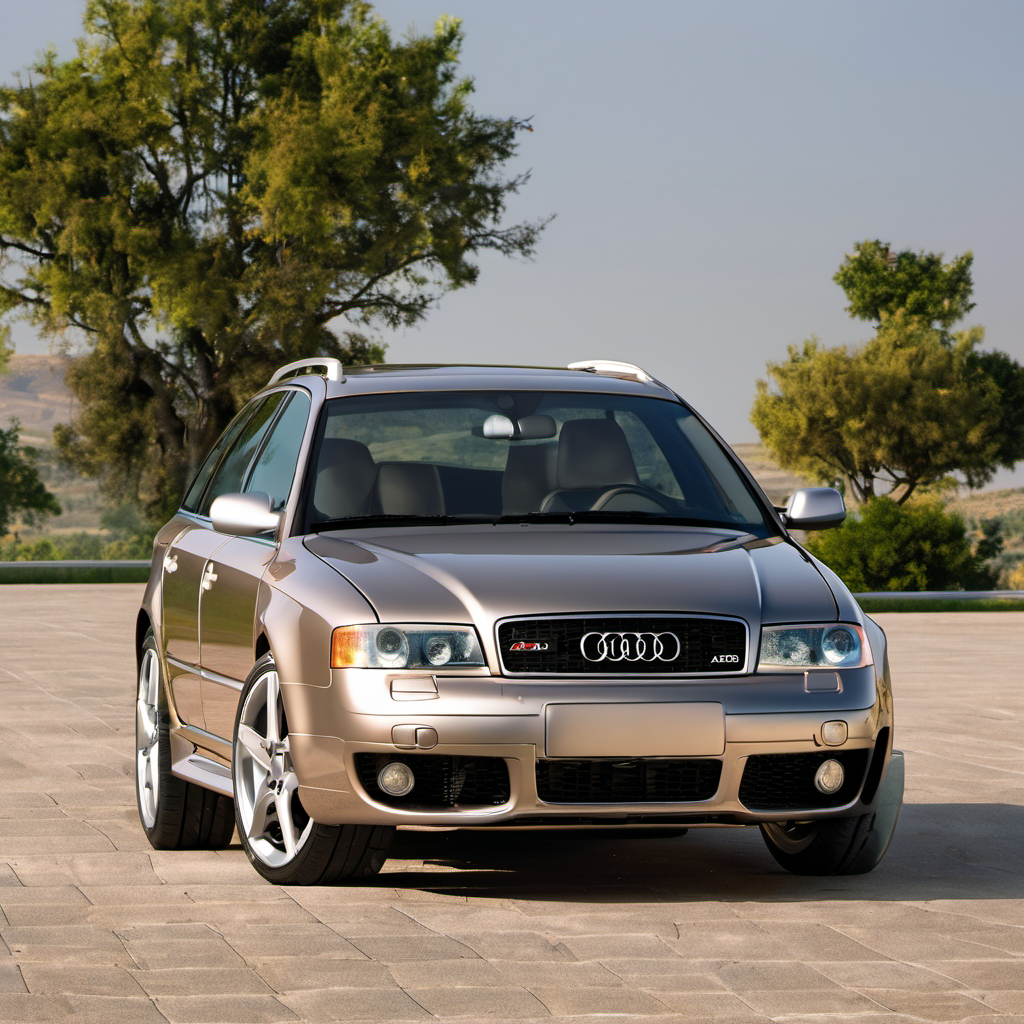
Another twin-turbo AWD performer from the same era with Porsche-adjacent engineering DNA. More practical with four doors but heavier and less focused as a driver's car.
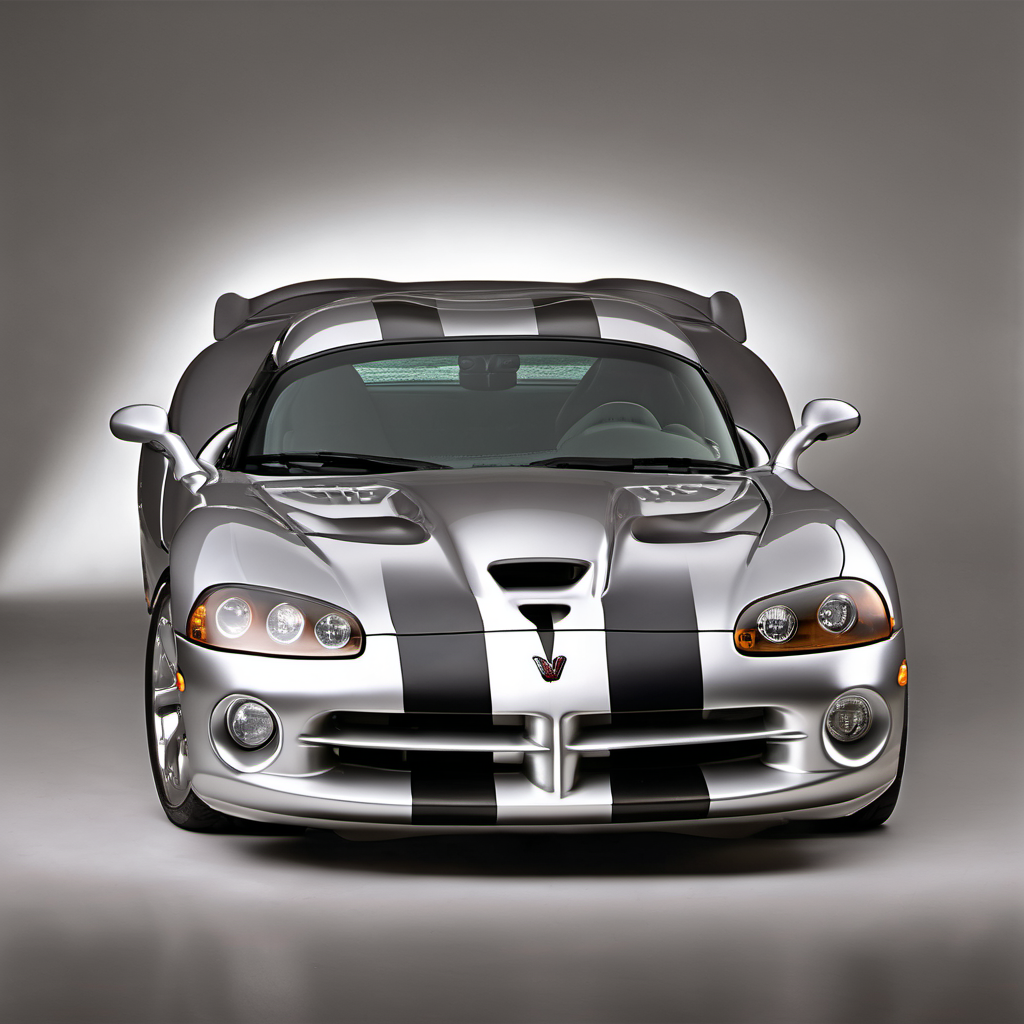
Raw V10 American sports car competing on outright performance. No turbo complexity, but much more demanding to drive and essentially no modern safety aids.