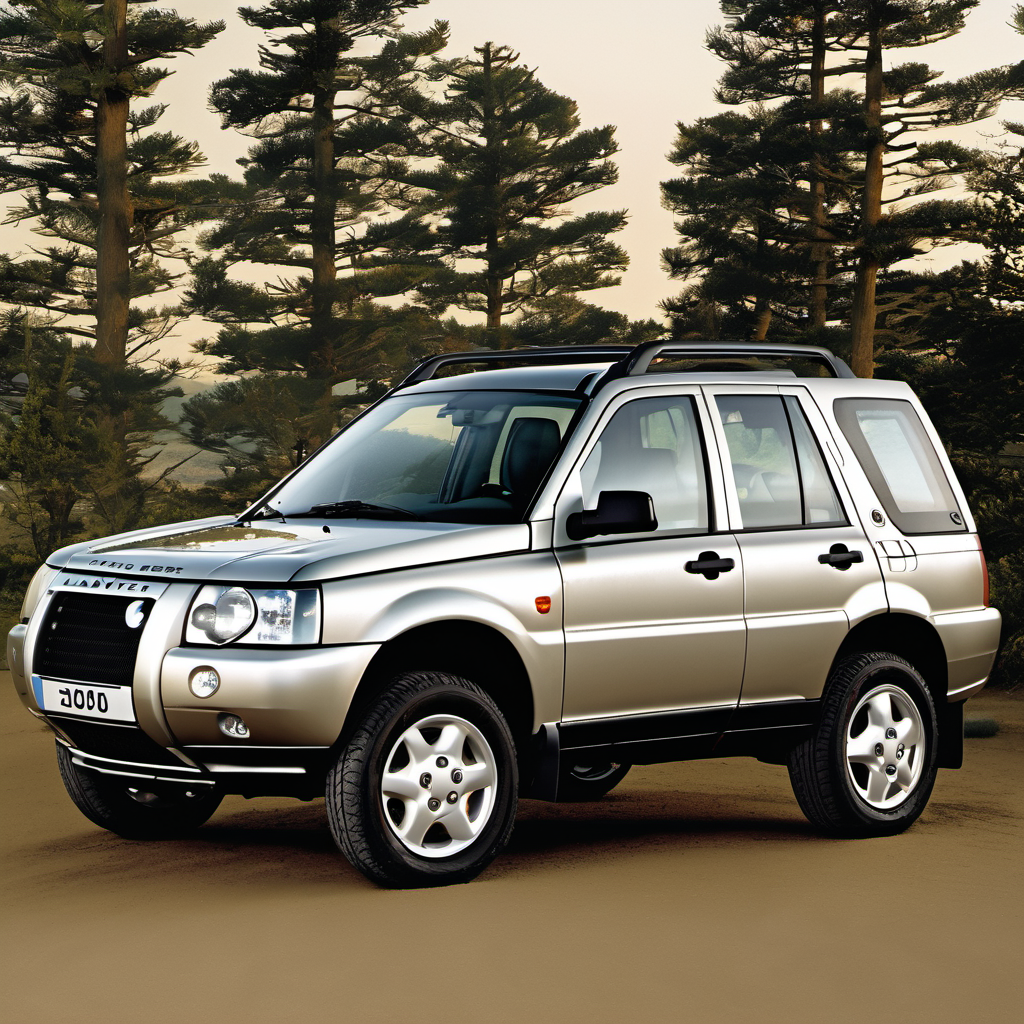
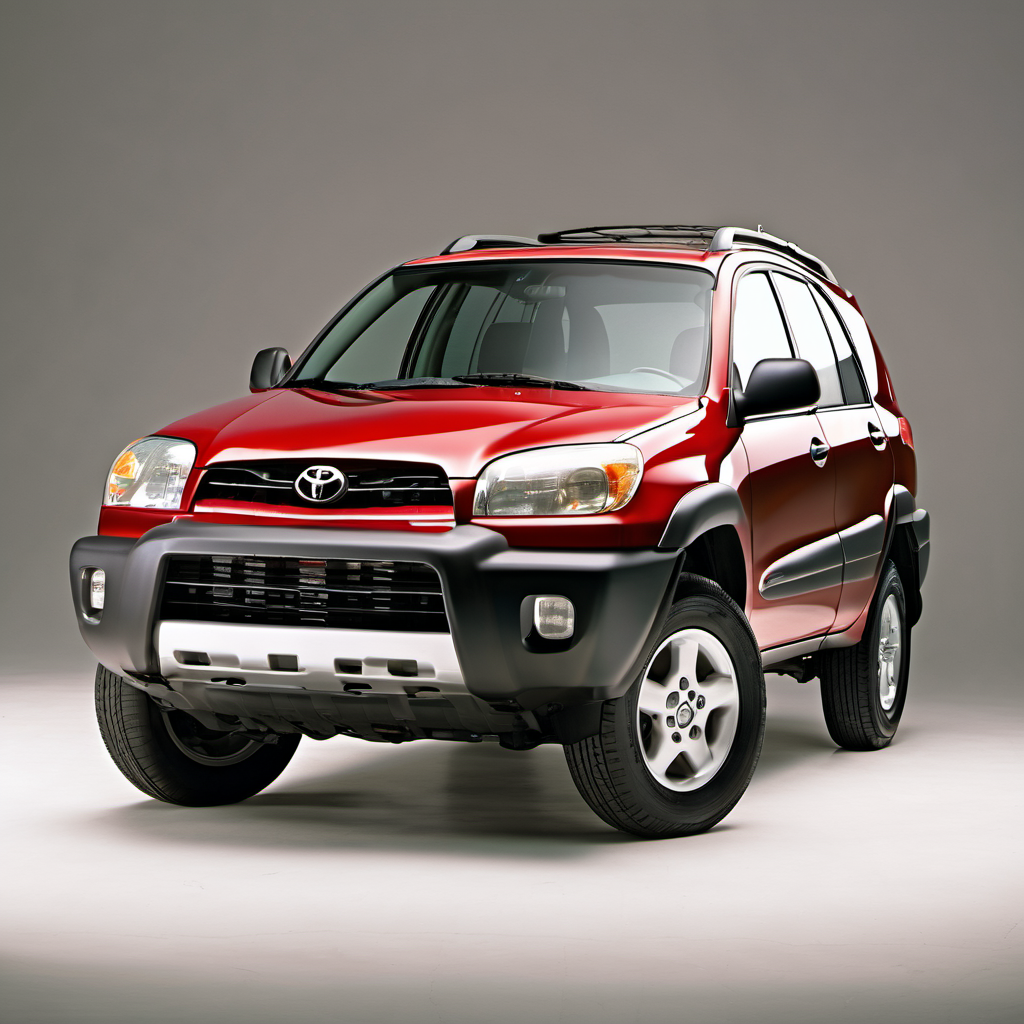
2002 Land Rover Freelander SUV

2002 Land Rover

FreelanderSUV

SUV

The 2002 Land Rover Freelander was Land Rover's entry-level compact SUV, sold in the US market from 1997 through 2005. It brought the Land Rover badge to a smaller, more car-based platform with permanent AWD and a reasonably capable off-road geometry. In 2002 the standard engine was a 2.5L KV6 sourced from Rover, paired with a 5-speed automatic. Unfortunately, the first-generation Freelander earned a reputation as one of the least reliable vehicles of its era. The KV6 engine is prone to head gasket failure, the viscous coupling unit (VCU) in the drivetrain wears prematurely, and the IRD (Intermediate Reduction Drive) unit frequently fails — often catastrophically and expensively. Parts availability has grown harder as the years pass, and independent-shop expertise on this platform is limited outside major metro areas. For a Lake Geneva-area buyer, the combination of road salt, hard winters, and the Freelander's known rust and drivetrain vulnerabilities makes this a high-risk purchase. Best approached as a low-mileage, garage-kept, already-well-maintained example — or avoided in favor of a more proven alternative.

Reliability
1/5
Verified data
Specs shown for Freelander — the most common configuration. Other trims may vary in engine, drivetrain, or fuel economy. Sign in to see your vehicle's exact specs.
Engine
[object Object]
Drivetrain
AWD
Fuel
Premium gasoline
MPG
15 city / 19 hwy / 17 combined
Seats
Doors
Body
Sport Utility Vehicle - 4WD

Overview

AI-curated

The 2002 Land Rover Freelander was Land Rover's entry-level compact SUV, sold in the US market from 1997 through 2005. It brought the Land Rover badge to a smaller, more car-based platform with permanent AWD and a reasonably capable off-road geometry. In 2002 the standard engine was a 2.5L KV6 sourced from Rover, paired with a 5-speed automatic. Unfortunately, the first-generation Freelander earned a reputation as one of the least reliable vehicles of its era. The KV6 engine is prone to head gasket failure, the viscous coupling unit (VCU) in the drivetrain wears prematurely, and the IRD (Intermediate Reduction Drive) unit frequently fails — often catastrophically and expensively. Parts availability has grown harder as the years pass, and independent-shop expertise on this platform is limited outside major metro areas. For a Lake Geneva-area buyer, the combination of road salt, hard winters, and the Freelander's known rust and drivetrain vulnerabilities makes this a high-risk purchase. Best approached as a low-mileage, garage-kept, already-well-maintained example — or avoided in favor of a more proven alternative.

Known for
  • Permanent AWD with car-like ride quality
  • Compact footprint and easy parking
  • Premium Land Rover brand feel on a budget
  • Distinctive styling for its era
  • Notorious mechanical unreliability in first-gen models
Best for
  • Light off-road and gravel exploration
  • Buyers who want a Land Rover at low entry cost
  • Short-distance, low-mileage use
  • Mechanically savvy owners who can do their own work
Watch for
  • IRD (Intermediate Reduction Drive) failure — very expensive repair
  • Viscous coupling unit wear leading to drivetrain binding
  • KV6 head gasket failure, especially with any overheating history
  • Rust on sills, subframe, and rear wheel arches
  • Extremely limited parts availability and specialist knowledge in the Midwest

Common issues by mileage

6 known

IRD (Intermediate Reduction Drive) Unit Failure

high
Typically appears
60–120k mi
Estimated repair
$1,800 – $4,500

Viscous Coupling Unit (VCU) Wear / Drivetrain Binding

high
Typically appears
50–100k mi
Estimated repair
$800 – $2,000

KV6 Head Gasket Failure / Overheating

high
Typically appears
70–130k mi
Estimated repair
$1,500 – $3,500

Rust on Sills, Subframe, and Rear Arches

high
Typically appears
Any mileage / age-related
Estimated repair
$500 – $3,000

Maintenance schedule

  1. 1
    Every 2 years or 30k mi Coolant system flush and pressure test

    The KV6 is highly sensitive to cooling system neglect. A pressure test catches head gasket seepage early before it becomes catastrophic. Never run this engine low on coolant.

  2. 2
    Every 30k mi IRD fluid change

    The IRD is the Freelander's most expensive failure point. Fresh fluid is cheap insurance. Many failures are traced directly to neglected or contaminated IRD fluid.

  3. 3
    Every 30k mi VCU inspection and differential fluid service

    The viscous coupling unit cannot be serviced — only replaced — but checking for drivetrain binding symptoms during fluid service catches early wear.

  4. 4
    Every 30k mi Spark plugs and ignition coil inspection

    The KV6 is sensitive to misfires. Worn plugs increase combustion heat and stress on head gaskets. Inspect coil packs at the same time.

  5. 5
    Every 2 years Brake fluid flush

    Brake fluid absorbs moisture over time, lowering boiling point. Wisconsin winters accelerate moisture intrusion through seals.

  6. 6
    Every fall before salt season Underbody rust inspection and wax-oil treatment

    The Freelander's unibody sills and subframe mounting points are known rust traps. Annual undercoating or wax-oil spray significantly extends structural integrity in Wisconsin salt conditions.

  7. 7
    Every fall Battery load test

    Cold-cranking a 2.5L six in sub-zero temps with an aging battery is a recipe for a no-start. Batteries over 4 years old should be load-tested before winter.

  8. 8
    Every 50k mi or signs of wear Serpentine belt and tensioner inspection

    Belt failure on the KV6 disables the water pump, leading directly to overheating and likely head gasket damage — the most expensive scenario on this engine.

Always defer to the manufacturer's service manual for warranty-mandated intervals.

Cost of ownership

Annual maintenance
$1,200 – $3,500
Fuel
Premium fuel recommended; at 17 MPG combined expect roughly $2,200–$2,800/year at current Wisconsin pump prices for average driving (~12,000 mi/year).
Insurance
Typically moderate — the Freelander's low popularity and low market value keep premiums reasonable, but confirm with your insurer as an older luxury-brand SUV.

The Freelander looks inexpensive to buy but expensive to own. Routine maintenance costs more than a comparable Honda or Toyota because parts are harder to source and specialist labor rates are higher. Budget a minimum of $1,200/year for a well-maintained example — but if a major drivetrain event (IRD, VCU, or head gasket) hits, a single repair can easily exceed the vehicle's current market value. A dedicated repair fund is strongly advised.
Seasonal care

Lake Geneva, WI
Winter
  • Load-test the battery every fall — cold starts on the KV6 are hard on weak batteries and a no-start in sub-zero weather is a real risk.
  • Apply an undercoating or wax-oil spray to sills, subframe, and wheel arches before first salt exposure. The Freelander's body structure rusts aggressively in Wisconsin road-salt conditions.
  • Switch to a full-synthetic oil rated for cold temperatures (e.g., 5W-30 or as specified) to ensure adequate cold-start lubrication.
  • Use winter-rated windshield washer fluid rated to at least -25°F. The standard reservoir and lines can freeze with summer-grade fluid.
  • Inspect brake lines and rubber hoses for salt corrosion and cracking before winter — the Freelander's brake system is harder to access for quick roadside fixes.
  • Keep the fuel tank at least half full in extreme cold to reduce condensation in the fuel system and help with traction weight over the rear.
Summer
  • Monitor the coolant temperature gauge closely in stop-and-go traffic and on hot days. The KV6 can heat-soak quickly; any sign of creeping toward the red is an immediate stop situation.
  • Check tire pressure monthly — summer heat causes pressure to rise roughly 1 PSI per 10°F increase. Over-inflation accelerates center tread wear on the Freelander's tires.
  • Service the A/C system if output is weak — an underperforming compressor works harder and raises underhood temperatures.
  • Inspect the IRD and differential breather vents for blockage — summer dust and debris can clog them, causing pressure buildup and seal leaks.
  • Check wiper blades after winter. Salt and ice damage rubber; replace if streaking before summer thunderstorm season.

Comparable vehicles

If you're shopping for one

Red flags
  • Any overheating history — even one event likely damaged the head gasket on the KV6.
  • Mismatched tires: this directly destroys the viscous coupling unit and may indicate the seller doesn't understand the vehicle's AWD requirements.
  • No drivetrain fluid service records (IRD, differentials, transfer case).
  • Visible rust on sills or subframe — structural repair on a 20+ year old Freelander rarely pencils out.
  • U0100–U0104 or multiple body/chassis codes on a scan — widespread network faults on a 22-year-old platform signal a wiring or module nightmare.
  • Asking price that seems too good: a cheap Freelander is almost certainly cheap because a major repair is already due or past due.
What to inspect
  • Ask for IRD service records — if there are none and mileage is over 60k, budget for imminent IRD replacement.
  • Check for drivetrain binding: at slow speed in a tight circle, any shuddering or resistance indicates VCU or IRD wear.
  • Pressure-test the cooling system before purchase. Have a shop check for combustion gases in the coolant (block test) to detect head gasket seepage.
  • Inspect sills, rear wheel arches, and subframe mounting points for rust. Poke with a screwdriver — soft metal is a deal-breaker on this unibody.
  • Scan for active and stored DTCs. Network/CAN codes (U-codes) suggest wiring harness deterioration, which is time-consuming and expensive to diagnose.
  • Verify that all four tires are the same brand, model, and wear level. Mismatched tires cause VCU damage on the Freelander's AWD system.
AI profile generated 4 days ago · claude-sonnet-4-6 · v2.