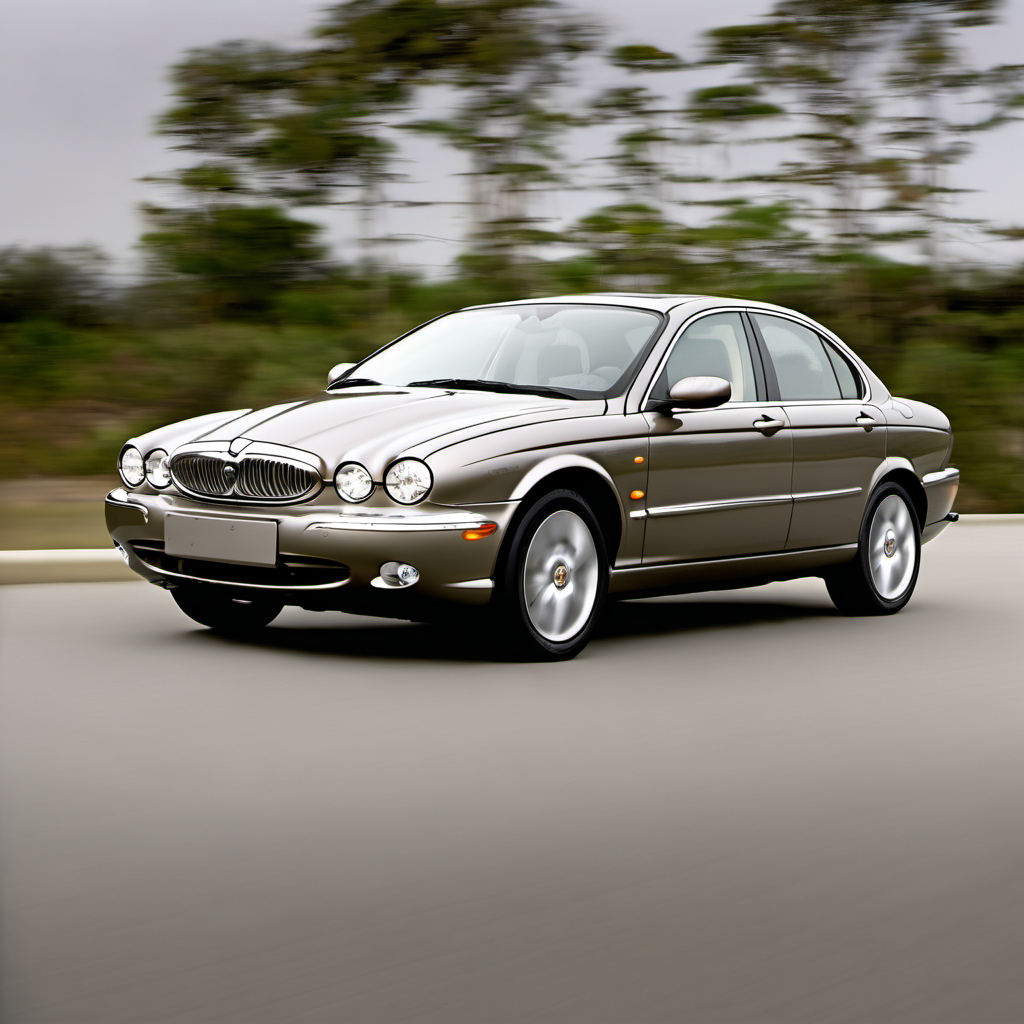
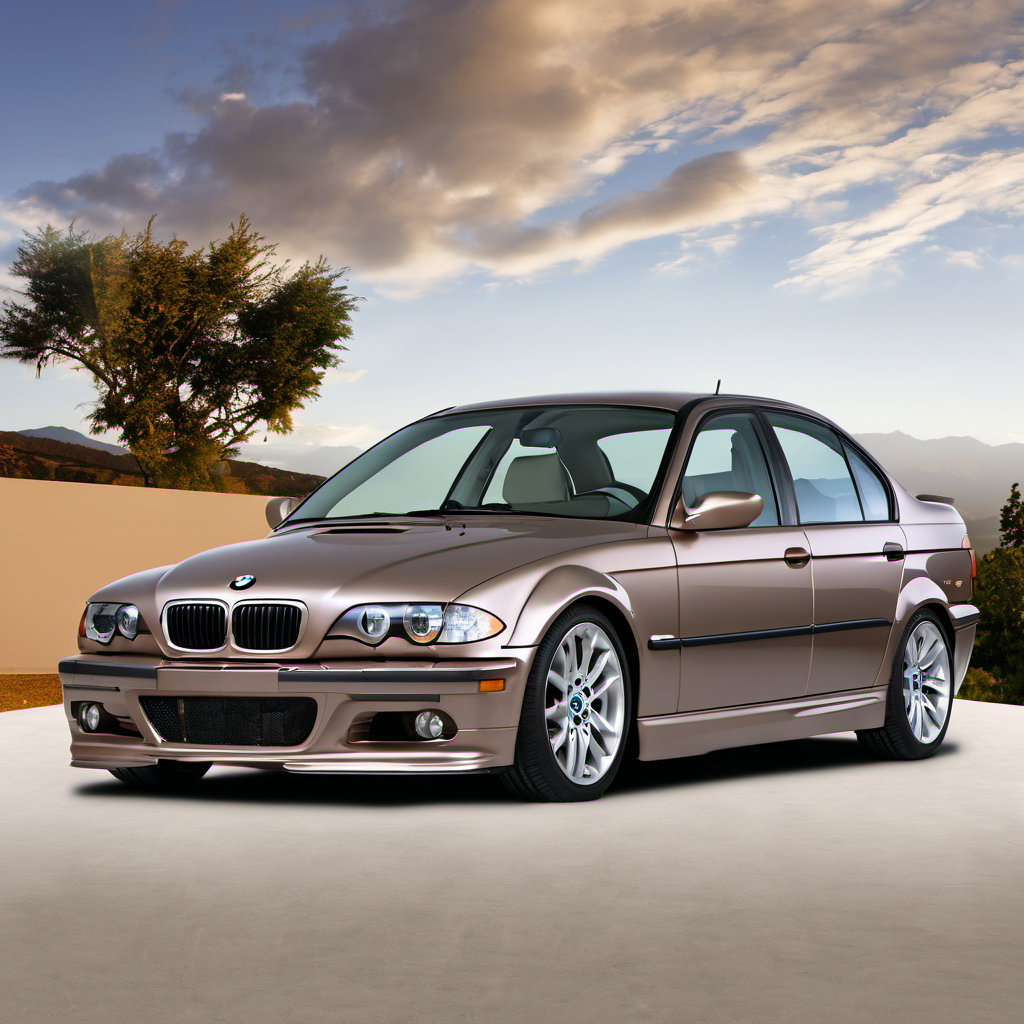
2002 Jaguar X-Type Sedan

2002 Jaguar

X-TypeSedan

Sedan

The 2002 Jaguar X-Type was Jaguar's first foray into the compact luxury sedan market, built on a shared platform with the Ford Mondeo. It arrived with standard all-wheel drive and a choice of two AJ V6 engines, targeting BMW 3 Series and Mercedes C-Class buyers. The X-Type was marketed as an accessible entry point to the Jaguar brand, but its Ford underpinnings drew criticism from enthusiasts and press alike. In practice, the X-Type offers genuine all-weather capability thanks to its standard AWD system — unusual for European compact luxury sedans of the era — and a comfortable, well-appointed interior with solid road manners. However, it carries a reputation for above-average maintenance costs and electronics gremlins that come with early-2000s Jaguar ownership. For Lake Geneva buyers, the AWD is a legitimate winter asset, but plan for higher-than-average upkeep. Parts availability has narrowed as this car ages past 20 years, and finding a competent independent Jaguar specialist matters more than it would for a Japanese or domestic competitor.

Reliability
2/5
Verified data
Specs shown for X-Type — the most common configuration. Other trims may vary in engine, drivetrain, or fuel economy. Sign in to see your vehicle's exact specs.
Engine
[object Object]
Drivetrain
AWD
Fuel
Premium gasoline
MPG
17 city / 24 hwy / 19 combined
Seats
Doors
Body
Compact Cars

Overview

AI-curated

The 2002 Jaguar X-Type was Jaguar's first foray into the compact luxury sedan market, built on a shared platform with the Ford Mondeo. It arrived with standard all-wheel drive and a choice of two AJ V6 engines, targeting BMW 3 Series and Mercedes C-Class buyers. The X-Type was marketed as an accessible entry point to the Jaguar brand, but its Ford underpinnings drew criticism from enthusiasts and press alike. In practice, the X-Type offers genuine all-weather capability thanks to its standard AWD system — unusual for European compact luxury sedans of the era — and a comfortable, well-appointed interior with solid road manners. However, it carries a reputation for above-average maintenance costs and electronics gremlins that come with early-2000s Jaguar ownership. For Lake Geneva buyers, the AWD is a legitimate winter asset, but plan for higher-than-average upkeep. Parts availability has narrowed as this car ages past 20 years, and finding a competent independent Jaguar specialist matters more than it would for a Japanese or domestic competitor.

Known for
  • Standard AWD on all trims — uncommon for the segment in 2002
  • Smooth, refined AJ V6 engine with willing power delivery
  • Ford Mondeo platform sharing — both a cost saver and a stigma
  • Elegant interior with genuine wood and leather standard
  • Jaguar brand cachet at a fraction of S-Type or XJ pricing
Best for
  • Drivers who want AWD luxury without an SUV
  • Someone who can wrench or has a trusted Jaguar-experienced independent shop
  • Low-mileage second-car or fair-weather weekend use
  • Buyers who prioritize interior refinement over long-term economy
Watch for
  • Aging electrical and module issues — expensive to diagnose without proper scan tools
  • Cooling system leaks and thermostat failures on the V6
  • Differential and transfer case maintenance often skipped by previous owners
  • Parts availability shrinking as the car ages past 20+ years
  • High dealer service costs — find a qualified independent before you buy

Common issues by mileage

6 known

Coolant system leaks — thermostat housing and hoses

high
Typically appears
50–100k mi
Estimated repair
$300 – $700

Oxygen sensor heater circuit failures

medium
Typically appears
70–120k mi
Estimated repair
$200 – $500

Power steering rack leaks and failure

high
Typically appears
80–130k mi
Estimated repair
$600 – $1,400

CAN bus / module communication faults (multiple modules)

medium
Typically appears
80k+ mi
Estimated repair
$300 – $1,500

AWD transfer case fluid degradation and wear

medium
Typically appears
60–100k mi
Estimated repair
$300 – $900

Maintenance schedule

  1. 1
    Every 5,000 miles or 6 months Engine oil change — use a full synthetic meeting Jaguar's WSS-M2C912-A1 spec

    The AJ V6 is sensitive to oil quality and sludge buildup; extended intervals on conventional oil accelerate VVT solenoid fouling, which directly causes P0012/P0015/P0022/P0025 codes.

  2. 2
    Every 3 years or 45,000 miles Coolant flush and thermostat housing inspection

    The plastic thermostat housing and coolant hose connections are known weak points. Fresh coolant prevents corrosion that accelerates these failures.

  3. 3
    Every 30,000 miles Transfer case and rear differential fluid change

    Most used X-Types have skipped this service. Degraded fluid leads to AWD chatter and premature wear — especially critical during Wisconsin winter use.

  4. 4
    Every 45,000 miles Transmission fluid change (automatic)

    Jaguar's 5-speed automatic is reliable when the fluid is kept fresh; burnt fluid causes shift harshness and solenoid wear.

  5. 5
    Every 60,000 miles Spark plugs (platinum or iridium)

    Running misfires on a V6 with VVT can trigger camshaft timing codes — confirm plugs are fresh before chasing VVT faults.

  6. 6
    Every 2 years Brake fluid flush

    Hygroscopic fluid absorbs moisture quickly in Wisconsin's humid summers and wet winters, lowering boiling point and accelerating caliper corrosion.

  7. 7
    Every 15,000 miles or at each oil change Inspect power steering rack and hose connections for seepage

    Early seep detection saves a full rack replacement; catch it at the seal/hose stage and repair costs are a fraction of a full rack job.

  8. 8
    Every fall, before winter Battery load test

    The X-Type's electronics are voltage-sensitive. A weak battery causes phantom module faults (U-codes) in cold weather — a load test each October is cheap insurance.

Always defer to the manufacturer's service manual for warranty-mandated intervals.

Cost of ownership

Annual maintenance
$1,200 – $2,800
Fuel
Requires premium unleaded (91 octane). At 15,000 miles/year and ~19 MPG combined, expect $2,100–$2,600/year depending on fuel prices.
Insurance
Moderate — typically $900–$1,400/year for a 2002 model at this price point in Wisconsin, depending on driver history and coverage level.

The X-Type is cheap to buy but not cheap to own. Annual maintenance runs well above average for the segment due to European parts pricing and the complexity of its AWD and VVT systems. Budget toward the higher end if the car has deferred maintenance or unknown service history — which describes many examples at this age. A pre-purchase inspection by a Jaguar-experienced independent shop is money very well spent.
Seasonal care

Lake Geneva, WI
Winter
  • Load-test the battery every October — the X-Type's electronics are sensitive to low voltage and cold-start voltage drop will trigger U-code CAN faults.
  • Switch to a full synthetic 0W-30 or 5W-30 if not already running it; the VVT system needs oil pressure immediately on cold starts below 0°F.
  • Flush washer fluid reservoir with a -25°F rated fluid before first freeze — the underhood reservoir is difficult to drain if it freezes solid.
  • Inspect and treat exposed underbody and subframe areas with a corrosion inhibitor; Lake Geneva road salt is hard on the Mondeo-based unibody seams.
  • Check AWD transfer case and differential boots for cracks before winter — torn boots let in salt water and destroy bearings quickly.
  • Keep the fuel tank above half when temperatures drop below 10°F to reduce condensation in the fuel system and ease cold starts.
Summer
  • Inspect the cooling system hoses and thermostat housing before summer heat arrives — heat soak accelerates failure of the plastic housing.
  • Check A/C system operation and cabin filter; the X-Type's HVAC is comfort-oriented and a weak A/C charge will be noticed quickly in July heat.
  • Monitor tire pressure weekly — Wisconsin summer heat can push pressure 4–6 PSI above the cold-fill spec, affecting handling and tire wear.
  • Check power steering fluid level and look for seepage at rack boots; heat thins the fluid and can reveal a slow leak that was masked in winter.

Comparable vehicles

If you're shopping for one

Red flags
  • Any active U-code (U0100–U0104) without a clear diagnosis — these point to expensive module or wiring harness issues.
  • Evidence of overheating (milky oil cap, white exhaust, stained overflow tank) — head gasket repairs on this V6 are $1,500–$3,000+.
  • Rough idle or hesitation combined with VVT codes (P0012/P0015/P0022/P0025) — indicates neglected oil changes or solenoid/actuator failure.
  • No service records at all — at 20+ years old, a no-history X-Type has almost certainly missed critical fluid services.
  • Rust bubbling along the rear wheel arches, sill edges, or subframe — Wisconsin salt exposure accelerates this and structural rust can make the car uneconomical to repair.
  • Asking price that seems too good — a cheap X-Type is almost always cheap for a reason; budget at least $2,000–$3,000 for initial deferred maintenance on any example.
What to inspect
  • Pull a full scan for stored and pending codes before purchase — pay close attention to any U-codes (CAN/module faults) and P001x VVT codes, as both indicate expensive repairs.
  • Run the engine to full operating temp and watch for coolant temp gauge behavior; overheating or erratic gauge suggests thermostat or housing issues.
  • Check for power steering fluid seepage along the rack and hose connections — look for wet or oily residue under the front of the car.
  • Confirm the AWD system engages properly; test on a loose surface or look for transfer case shudder — ask when fluids were last changed.
  • Inspect all four door seals and the sunroof drain channels (if equipped) for brittleness or blockage — water intrusion destroys the X-Type's electronics.
  • Review every service record you can get; an X-Type with undocumented history is a significant financial risk at this age.
AI profile generated 4 days ago · claude-sonnet-4-6 · v2.