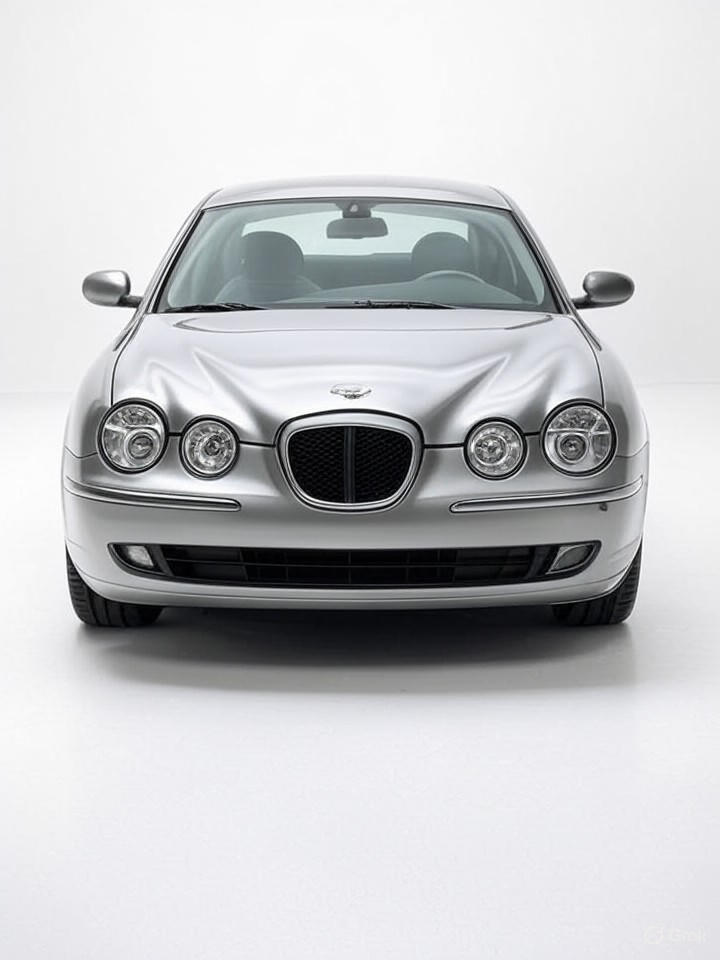
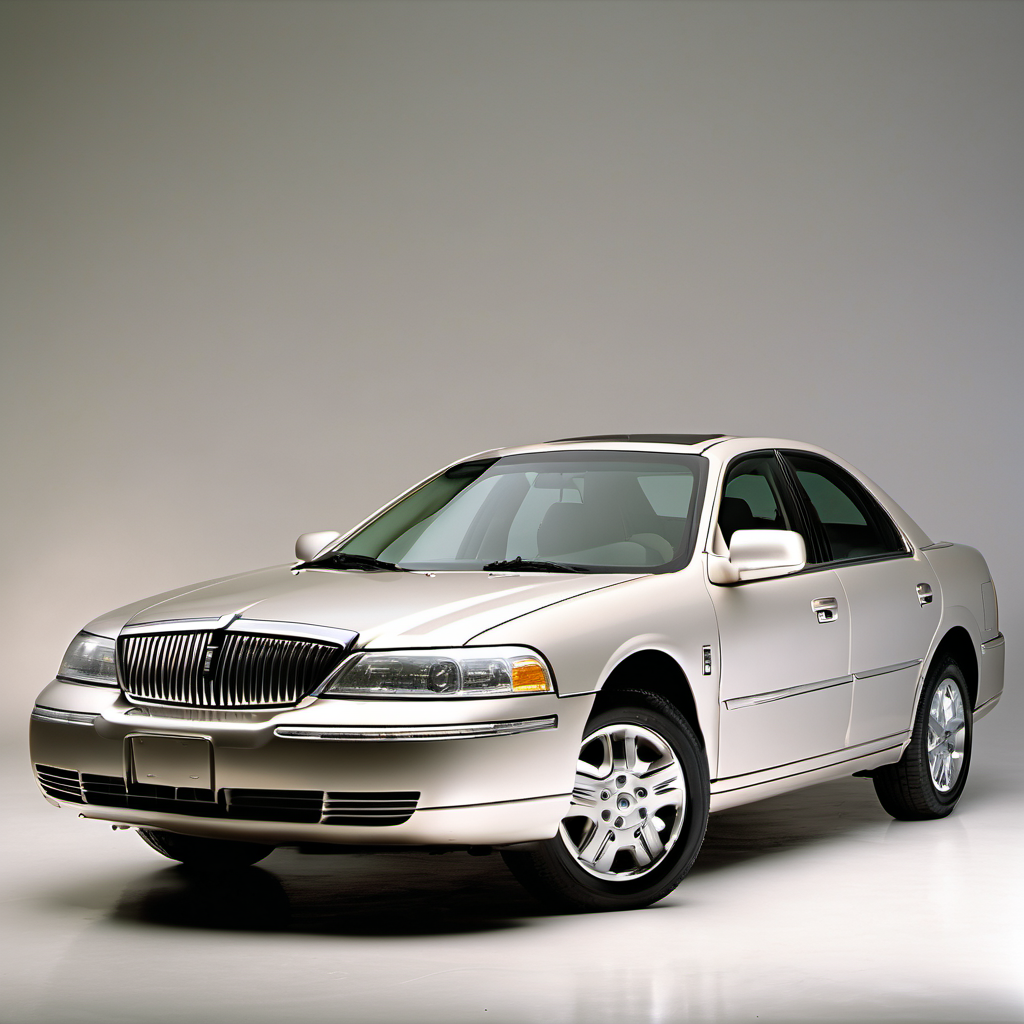
2002 Jaguar S-Type Sedan

2002 Jaguar

S-TypeSedan

Sedan

The 2002 Jaguar S-Type is a rear-wheel-drive luxury sports sedan that grew out of Jaguar's Ford era, sharing a platform with the Lincoln LS. It was designed to bring Jaguar back into the mid-size luxury sedan segment with classic British styling and a choice of V6 or V8 engines. The 3.0L V6 model is the volume seller, offering smooth power delivery and a genuinely comfortable, quiet ride with an upscale interior. On the plus side, it drives and feels like a proper Jaguar — composed on the highway, pleasant around town, and more engaging than most of its German rivals from the same era. The interior uses real wood and leather throughout, and the ride quality is excellent for a 20-year-old car. The flip side is real: this is an early-2000s European luxury car that requires premium fuel, premium parts, and a shop that knows Jaguars. Electrical gremlins, cooling system failures, and expensive suspension repairs are well-documented. Budget accordingly or walk away.

Reliability
2/5
Verified data
Specs shown for S-Type — the most common configuration. Other trims may vary in engine, drivetrain, or fuel economy. Sign in to see your vehicle's exact specs.
Engine
[object Object]
Drivetrain
RWD
Fuel
Premium gasoline
MPG
16 city / 23 hwy / 18 combined
Seats
Doors
Body
Midsize Cars

Overview

AI-curated

The 2002 Jaguar S-Type is a rear-wheel-drive luxury sports sedan that grew out of Jaguar's Ford era, sharing a platform with the Lincoln LS. It was designed to bring Jaguar back into the mid-size luxury sedan segment with classic British styling and a choice of V6 or V8 engines. The 3.0L V6 model is the volume seller, offering smooth power delivery and a genuinely comfortable, quiet ride with an upscale interior. On the plus side, it drives and feels like a proper Jaguar — composed on the highway, pleasant around town, and more engaging than most of its German rivals from the same era. The interior uses real wood and leather throughout, and the ride quality is excellent for a 20-year-old car. The flip side is real: this is an early-2000s European luxury car that requires premium fuel, premium parts, and a shop that knows Jaguars. Electrical gremlins, cooling system failures, and expensive suspension repairs are well-documented. Budget accordingly or walk away.

Known for
  • Classic Jaguar styling with retro-inspired round headlights
  • Smooth, quiet highway ride with a composed chassis
  • High-quality leather and wood veneer interior
  • Ford-era platform shared with the Lincoln LS
  • Strong 3.0L AJ-V6 engine when properly maintained
Best for
  • Enthusiast buyers who want affordable used British luxury
  • Highway commuters who prioritize ride comfort and refinement
  • Buyers who enjoy wrenching or have access to a trusted European-spec shop
  • Someone looking for a weekend driver, not a daily workhorse
Watch for
  • Cooling system failures — thermostats and water pumps are known weak points
  • Electrical issues including window regulators, HVAC blend doors, and instrument cluster faults
  • Variable valve timing (VVT) solenoid and oil control valve failures
  • Expensive suspension components — upper and lower control arm bushings wear out
  • High cost of parts and limited shop availability in smaller markets

Common issues by mileage

6 known

Cooling System Failure (Thermostat / Water Pump)

high
Typically appears
50–100k mi
Estimated repair
$400 – $1,000

Oxygen Sensor / Heater Circuit Faults

medium
Typically appears
70–120k mi
Estimated repair
$200 – $500

Suspension Bushing and Control Arm Wear

high
Typically appears
80–150k mi
Estimated repair
$600 – $1,800

Electrical / Body Control Gremlins (Windows, HVAC, Cluster)

medium
Typically appears
60–130k mi
Estimated repair
$200 – $1,200

Maintenance schedule

  1. 1
    Every 5,000 miles or annually Engine oil and filter change — use full synthetic 5W-30 meeting Jaguar spec

    Clean oil is the single biggest factor in VVT solenoid longevity. Sludge from extended intervals is a direct cause of P0012/P0022 codes and premature camshaft wear.

  2. 2
    Every 3 years or 45,000 miles Cooling system service — flush coolant and inspect thermostat and water pump

    The plastic thermostat housing and water pump impeller are known failure points. Catching degraded coolant early prevents catastrophic overheating, which is a very expensive repair on this engine.

  3. 3
    Every 60,000 miles Serpentine belt and tensioner inspection

    Belt failure can quickly lead to overheating and loss of power steering on these models. Replace tensioner and idler at the same time.

  4. 4
    Every 2 years Brake fluid flush

    DOT 4 fluid absorbs moisture. Jaguar's ABS/DSC system is sensitive to contaminated fluid, and wet fluid lowers boiling point noticeably in Wisconsin summer or mountain driving.

  5. 5
    Every 60,000 miles Spark plug replacement

    The AJ-V6 runs best on OEM-spec iridium plugs. Worn plugs stress ignition coils, which are themselves a moderate-cost replacement on this car.

  6. 6
    Annually or every 25,000 miles Suspension inspection — bushings, ball joints, tie rod ends

    Wisconsin roads and road salt accelerate bushing decay. Worn bushings cause rapid tire wear and vague handling. Catching them early avoids full control arm replacement.

  7. 7
    Every fall before winter Battery load test and terminal cleaning

    The S-Type's electronics are sensitive to low voltage. A weak battery causes cascading module faults (U-codes) and erratic behavior in cold starts. Lake Geneva winters will kill a marginal battery fast.

  8. 8
    Every 15,000–20,000 miles Cabin air filter replacement

    A clogged cabin filter restricts HVAC airflow and strains the blower motor. On an aging Jaguar, blower motor replacements are labor-intensive and avoidable.

Always defer to the manufacturer's service manual for warranty-mandated intervals.

Cost of ownership

Annual maintenance
$1,200 – $3,000
Fuel
Requires premium unleaded (91 octane). At 15,000 mi/yr and ~18 combined MPG, expect $2,000–$2,800/yr depending on pump prices.
Insurance
Moderate — typically $1,200–$1,800/yr for a 20-year-old luxury sedan with a clean record in the Lake Geneva area, depending on coverage level.

This car is cheap to buy and expensive to own. Parts are pricier than domestic or Japanese equivalents, and not every shop will touch one confidently. Budget for at least one major repair per year — suspension, cooling, or electrical. If you can find an independent Jaguar/European specialist and stay on a strict maintenance schedule, annual costs can stay near the low end. Ignore it and you'll spend multiples of the car's value inside three years.
Seasonal care

Lake Geneva, WI
Winter
  • Load-test the battery every October — the S-Type's electronics misbehave badly under low voltage, and sub-zero temps will finish off a marginal battery overnight.
  • Switch to a full synthetic 5W-30 if not already running one; it flows better on cold starts and protects the VVT system during warm-up.
  • Inspect and treat all door, trunk, and hood seals with silicone protectant before freeze-up to prevent rubber from sticking and tearing.
  • Use a high-quality winter washer fluid rated to at least -30°F — the long hood means the windshield gets pelted with road salt spray and the reservoir depletes fast.
  • Flush the brake system if it hasn't been done in two years; moisture-laden DOT 4 fluid can cause ABS actuator issues in wet freeze-thaw conditions.
  • After driving on salted roads, rinse the undercarriage when temps are above freezing — the S-Type's subframe and suspension mounting points are vulnerable to rust, which drives up repair costs significantly.
Summer
  • Monitor coolant temperature closely — the S-Type's cooling system is already a weak point, and stop-and-go traffic on a hot Wisconsin summer day will expose a marginal thermostat or water pump.
  • Check tire pressure monthly; ambient temperature swings from night to afternoon in summer can drop pressure 3–5 PSI, affecting handling on a RWD performance sedan.
  • Test A/C operation early in the season — the system uses R134a and leaks develop at O-rings and the condenser. Recharging without finding the leak is a short-term fix only.
  • Inspect the serpentine belt for cracking or glazing before summer heat cycles accelerate deterioration.

Comparable vehicles

If you're shopping for one

Red flags
  • Any sign of overheating history — warped head gaskets on the AJ-V6 are a major repair.
  • VVT or camshaft timing fault codes with no repair invoice — means the owner drove it while it was misfiring, risking internal engine damage.
  • Evidence of coolant in the oil (milky dipstick) or oil in the coolant reservoir.
  • Deferred timing or serpentine belt service — no receipt means assume it hasn't been done.
  • Heavily worn driver's seat or steering wheel paired with low-mileage claims — odometer discrepancies are not unheard of on 20-year-old luxury cars.
  • Any U-code (CAN bus) fault history without a clear cause and fix — chasing network gremlins on a 2002 Jaguar can become a money pit quickly.
What to inspect
  • Pull codes before purchase — VVT-related P0012/P0015/P0022/P0025 codes signal oil maintenance neglect and potential cam phaser damage.
  • Check coolant condition and level; milky or rust-colored coolant means head gasket or cooling system failure is in progress.
  • Test every power window, the sunroof, and HVAC blend door operation — repairs are labor-intensive and parts are hard to find.
  • Inspect all four wheels for uneven tire wear, which points to worn suspension bushings or misalignment from neglected control arms.
  • Look under the car for rust on the subframe, control arm mounting points, and exhaust — Wisconsin cars are especially vulnerable.
  • Verify the instrument cluster works fully — dead or flickering gauges are a known issue and cluster rebuilds can run $300–$700.
  • Ask for service records; an S-Type with no paper trail is a gamble regardless of how it looks or drives.
AI profile generated 18 days ago · claude-sonnet-4-6 · v2.