Engine oil sludge buildup (B235 turbo)
high- Typically appears
- 60–150k mi
- Estimated repair
- $800 – $3,500
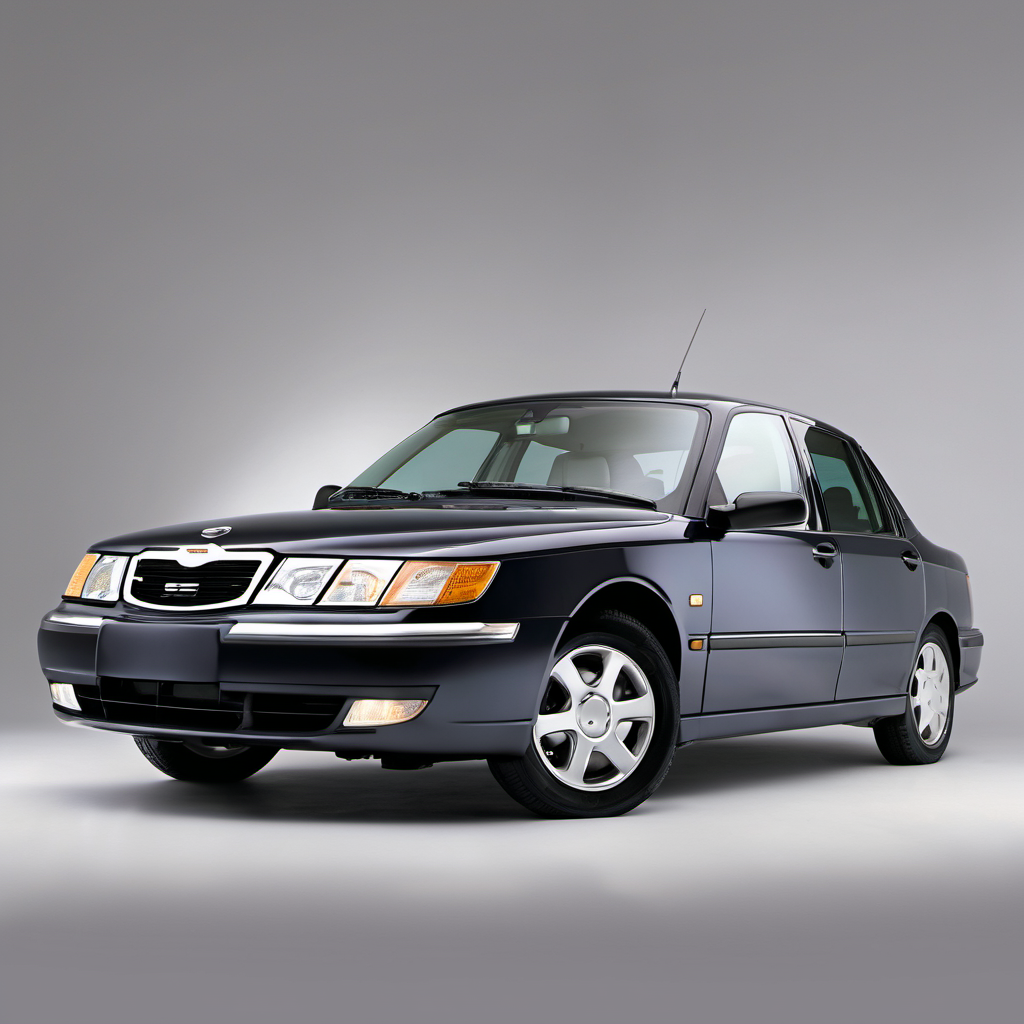
2001 Saab
Sedan
The 2001 Saab 9-5 is a front-wheel-drive European-style executive sedan built in Trollhättan, Sweden. It sits in the mid-size luxury segment and shares its platform with the Opel Vectra, though Saab added its own turbocharged engines, distinct interior ergonomics, and a sport-touring character that set it apart from German rivals. By 2001 the 9-5 had been on sale for four years and represented a refined, affordable alternative to the BMW 5 Series and Volvo S70. The base powertrain is the B235E 2.3L turbocharged four-cylinder producing around 185 hp, paired with either a five-speed manual or a four-speed automatic. Saab's turbocharging heritage gives the car real punch on the highway, and the long-wheelbase chassis absorbs road imperfections well for a sport sedan. Rear-seat room is generous, cargo is practical, and heating/defrosting systems are genuinely good — a nod to its Scandinavian origins. By 2001 these cars are 20+ years old. Parts availability has tightened considerably since GM discontinued the brand in 2010, and finding a shop with genuine Saab diagnostic capability is harder than it used to be. Ownership rewards enthusiasts who maintain proactively, but it will punish anyone expecting a low-maintenance appliance.
The 2001 Saab 9-5 is a front-wheel-drive European-style executive sedan built in Trollhättan, Sweden. It sits in the mid-size luxury segment and shares its platform with the Opel Vectra, though Saab added its own turbocharged engines, distinct interior ergonomics, and a sport-touring character that set it apart from German rivals. By 2001 the 9-5 had been on sale for four years and represented a refined, affordable alternative to the BMW 5 Series and Volvo S70. The base powertrain is the B235E 2.3L turbocharged four-cylinder producing around 185 hp, paired with either a five-speed manual or a four-speed automatic. Saab's turbocharging heritage gives the car real punch on the highway, and the long-wheelbase chassis absorbs road imperfections well for a sport sedan. Rear-seat room is generous, cargo is practical, and heating/defrosting systems are genuinely good — a nod to its Scandinavian origins. By 2001 these cars are 20+ years old. Parts availability has tightened considerably since GM discontinued the brand in 2010, and finding a shop with genuine Saab diagnostic capability is harder than it used to be. Ownership rewards enthusiasts who maintain proactively, but it will punish anyone expecting a low-maintenance appliance.
The B235 turbo is an oil sludge candidate. Short intervals with full synthetic are the single most important thing you can do to protect this engine. Do not extend this interval.
Saab 9-5 cooling systems are known to degrade, and overheating a turbocharged engine is catastrophically expensive. Hoses and the thermostat housing are cheap insurance.
The DI cassette covers all four coils in one unit. They fail with age and heat cycles, causing misfires. Replacements are available aftermarket and addressing it before it strands you is worthwhile.
Correct heat range plugs matter more on a boosted engine. Wrong plugs can cause pre-ignition and damage the DI cassette.
Rubber boost hoses and the bypass valve diaphragm harden and crack with age. A boost leak causes rough running and can trigger turbo-related codes.
Wisconsin road salt aggressively attacks brake lines and caliper hardware on a car this age. Brake fluid absorbs moisture and lowers its boiling point — flush every 2 years minimum.
Belt failure on a turbo engine with power steering and A/C leaves you stranded immediately. Tensioners are often overlooked and fail around the same interval.
Salt-belt corrosion is the primary structural threat to a 20+ year-old Saab in Wisconsin. Subframe rust can make the car unsafe and irreparable. Catch it early with undercoating or rustproofing spray.
Always defer to the manufacturer's service manual for warranty-mandated intervals.
On the surface these cars are cheap to buy, but that purchase price is the easy part. Labor on Saabs requires a shop familiar with the platform, and some parts (electrical modules, body trim, certain engine components) are increasingly hard to source. A well-maintained car with no deferred work might run $900–$1,400/year in routine maintenance. A car with neglected service history can easily cost $2,000–$5,000 in catch-up repairs in the first year of ownership. Budget accordingly and always have a pre-purchase inspection done by a Saab-familiar technician.
Same era, same FWD European executive sedan mission, similar turbo four-cylinder powertrain, better parts availability and broader shop support in the upper Midwest
No catalog match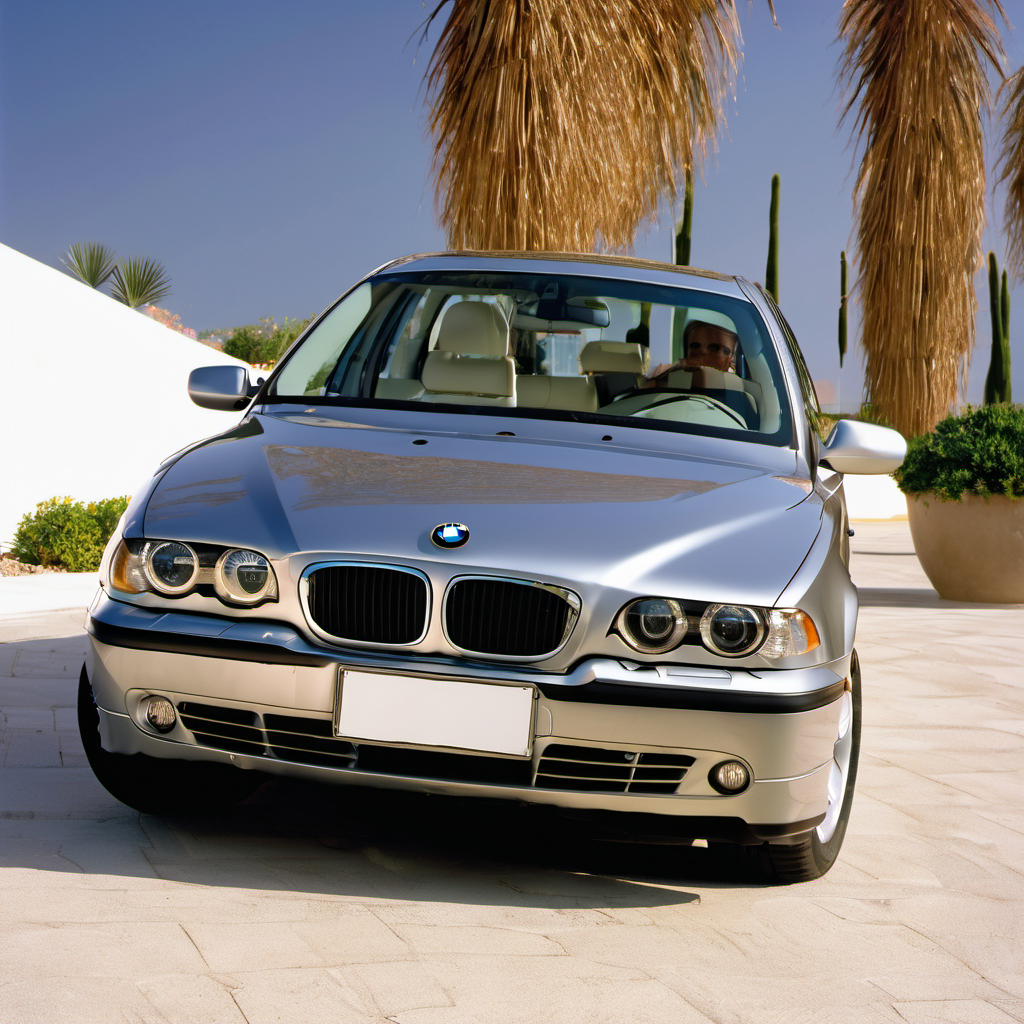
Direct segment competitor; RWD vs FWD is the key difference; stronger long-term parts support but higher maintenance costs
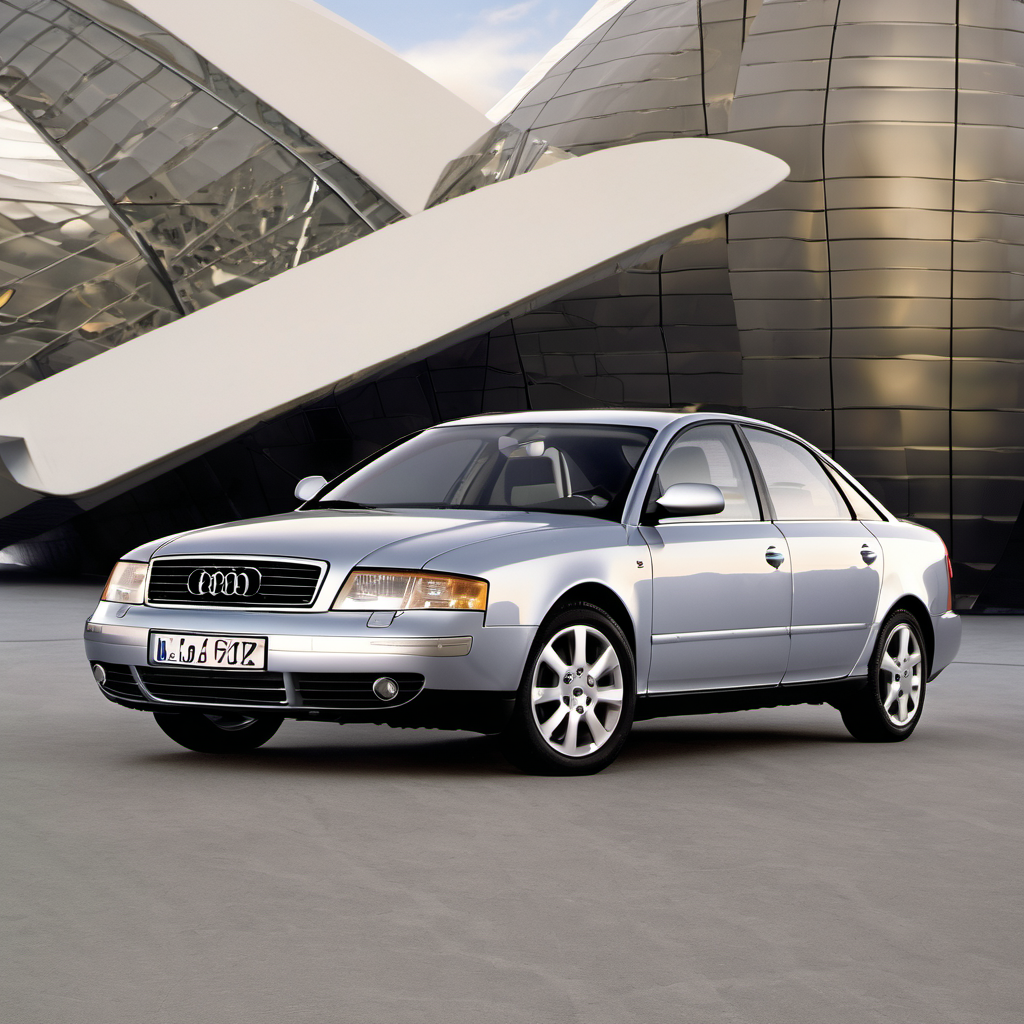
Similar luxury sedan footprint and European character; available with AWD Quattro for Wisconsin winters; parts and shop access is considerably better
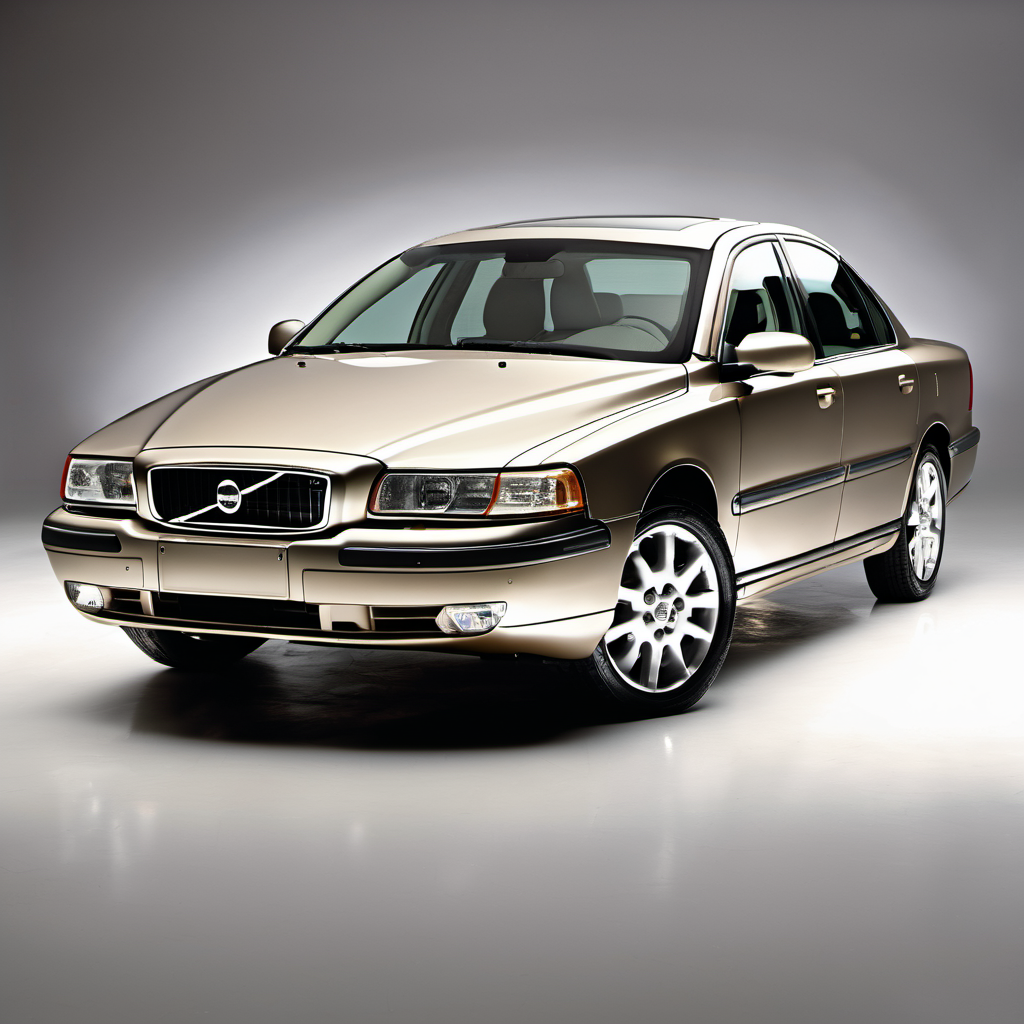
Near-identical segment and price point; T6 turbo inline-six is a strong alternative; Volvo dealer and independent shop network is much more accessible than Saab post-2010