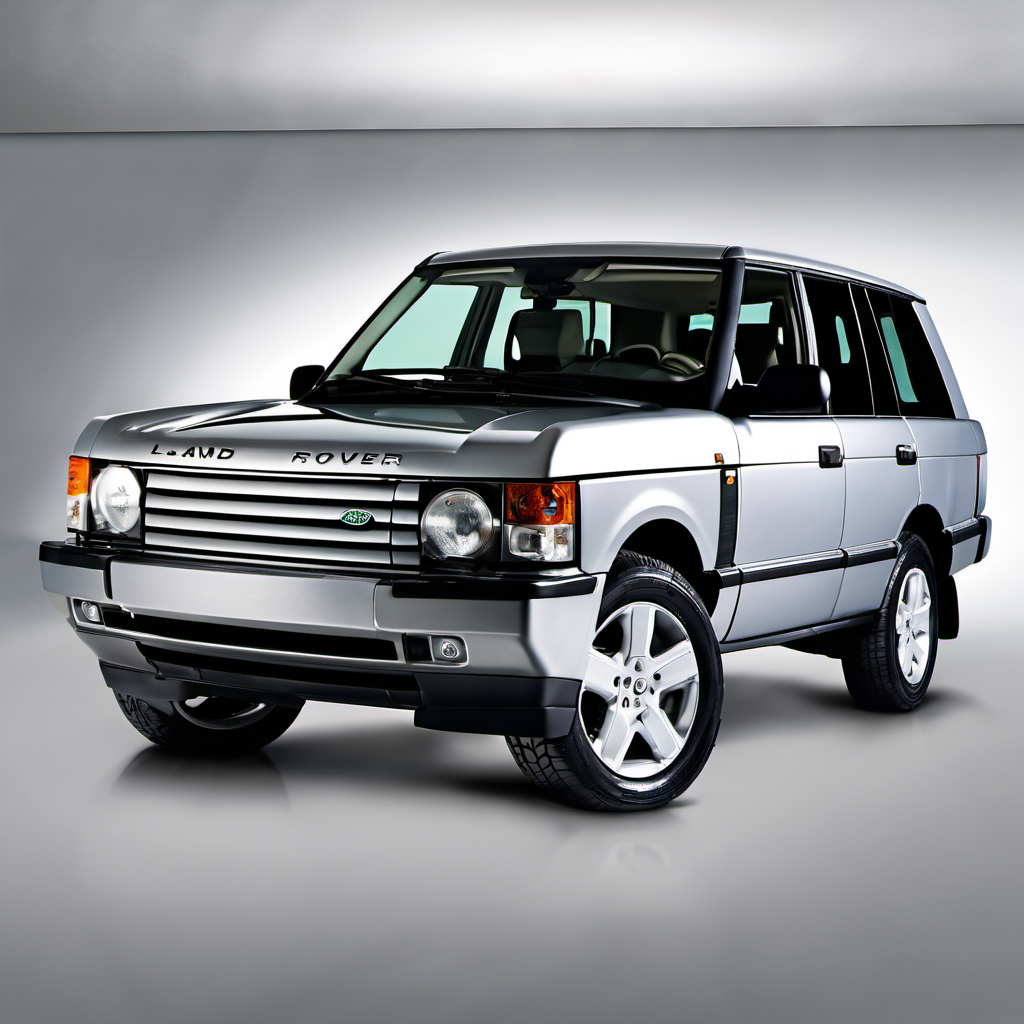
2001 Land Rover Range Rover SUV

2001 Land Rover

Range RoverSUV

SUV

The 2001 Land Rover Range Rover (P38A generation, its final model year) is a full-size British luxury SUV that blends genuine off-road capability with a premium interior. Powered by a BMW-sourced 4.0L V8, this truck-based rig rides on an air suspension system that was groundbreaking for its time but has become the single biggest ownership headache two decades later. At 22+ years old, every example on the market today is a used vehicle with serious age-related wear concerns. Parts availability is shrinking, specialist knowledge is required for proper diagnosis, and the EAS (Electronic Air Suspension) system has an ownership cost all its own. This is emphatically not a set-it-and-forget-it vehicle. For the right owner — someone who enjoys the vehicle as a hobby, budgets generously for upkeep, and has access to a Land Rover specialist — the P38A is a rewarding and distinctive truck. Budget-conscious buyers or those who need reliable daily transportation should look elsewhere.

Reliability
2/5
Verified data
Specs shown for Range Rover — the most common configuration. Other trims may vary in engine, drivetrain, or fuel economy. Sign in to see your vehicle's exact specs.
Engine
[object Object]
Drivetrain
AWD
Fuel
Premium gasoline
MPG
12 city / 16 hwy / 13 combined
Seats
Doors
Body
Sport Utility Vehicle - 4WD

Overview

AI-curated

The 2001 Land Rover Range Rover (P38A generation, its final model year) is a full-size British luxury SUV that blends genuine off-road capability with a premium interior. Powered by a BMW-sourced 4.0L V8, this truck-based rig rides on an air suspension system that was groundbreaking for its time but has become the single biggest ownership headache two decades later. At 22+ years old, every example on the market today is a used vehicle with serious age-related wear concerns. Parts availability is shrinking, specialist knowledge is required for proper diagnosis, and the EAS (Electronic Air Suspension) system has an ownership cost all its own. This is emphatically not a set-it-and-forget-it vehicle. For the right owner — someone who enjoys the vehicle as a hobby, budgets generously for upkeep, and has access to a Land Rover specialist — the P38A is a rewarding and distinctive truck. Budget-conscious buyers or those who need reliable daily transportation should look elsewhere.

Known for
  • Genuine off-road capability in a luxury wrapper
  • BMW-sourced 4.0L and 4.6L V8 engines with decent power
  • Notoriously complex Electronic Air Suspension (EAS)
  • Luxurious, wood-and-leather British interior
  • High ownership and repair costs relative to reliability
Best for
  • Enthusiast/hobby owners comfortable with LR specialist shops
  • Light-to-moderate off-road use and overlanding
  • Buyers who want a distinctive, classic luxury SUV
  • Owners with a dedicated maintenance budget
Watch for
  • Air suspension compressor and bag failures — extremely common
  • Coolant system leaks leading to overheating and head gasket damage
  • Electrical gremlins throughout the BECM (Body Electrical Control Module)
  • Rust on frame, sills, and undercarriage — critical in Wisconsin salt country
  • Deferred maintenance is the rule, not the exception, on most examples

Common issues by mileage

6 known

Electronic Air Suspension (EAS) failure

high
Typically appears
Any mileage / age-related
Estimated repair
$800 – $3,500

Coolant system leaks & overheating (head gasket risk)

high
Typically appears
80k–150k mi
Estimated repair
$600 – $4,500

Oxygen sensor / O2 heater circuit failures

medium
Typically appears
60k–120k mi
Estimated repair
$150 – $500

Transfer case and differential fluid leaks / wear

medium
Typically appears
80k–150k mi
Estimated repair
$300 – $1,800

Rust on frame rails, sill panels, and floor

high
Typically appears
Any mileage — especially Midwest/road-salt vehicles
Estimated repair
$500 – $5,000

Maintenance schedule

  1. 1
    Every 12 months or any time suspension behavior changes Air suspension compressor inspection & air line check

    The EAS compressor is the most failure-prone component on this generation. Cracked nylon air lines are cheap to replace proactively; a seized compressor is not. Catching soft bags or slow leaks early prevents compressor burnout.

  2. 2
    Every 2 years / 30k mi Full coolant system pressure test and hose inspection

    The 4.0L V8 is sensitive to overheating. Plastic coolant fittings and aging hoses are common failure points. An undetected leak can lead to a blown head gasket — a $3,000+ repair.

  3. 3
    Every 5k mi or 6 months Engine oil change with premium conventional or full-synthetic

    Frequent oil changes are cheap insurance on an aging V8. Use the manufacturer-specified viscosity; the engine was designed before modern low-viscosity oils were common.

  4. 4
    Every 30k mi Differential, transfer case, and gearbox fluid service

    The full-time AWD system has multiple fluid reservoirs. Neglected fluid darkens and loses its protective properties, accelerating wear in expensive drivetrain components.

  5. 5
    Every 2 years Brake fluid flush

    Moisture absorption in brake fluid accelerates corrosion in ABS modulators and calipers — already a concern on a 20+ year old vehicle in Wisconsin road salt.

  6. 6
    Every fall before first salt application; after any heavy-snow event Undercarriage wash and anti-corrosion treatment

    The P38A body frame and sill structure are highly susceptible to rust. Wisconsin road salt accelerates this dramatically. Annual undercoating inspection is strongly recommended.

  7. 7
    Every fall Battery load test and terminal cleaning

    The BECM is sensitive to low voltage. A weak battery causes a cascade of electrical faults that look like expensive module failures but often clear with a healthy battery.

  8. 8
    Every 30k mi Serpentine belt and tensioner inspection

    Belt failure on this engine can damage ancillaries quickly. Tensioners on P38 engines are known to wear; replacing belt and tensioner together saves a second labor charge.

Always defer to the manufacturer's service manual for warranty-mandated intervals.

Cost of ownership

Annual maintenance
$1,800 – $5,000
Fuel
Premium fuel required. At 13 MPG combined and ~15,000 mi/yr, expect roughly $2,800–$3,400/yr at current Wisconsin pump prices for premium.
Insurance
Moderate to high — full-size luxury SUV with high repair costs. Expect $1,200–$2,000/yr for full coverage depending on driving history and garaging.

This is one of the more expensive vehicles to own in its class on a per-mile basis. Fuel economy is poor, premium fuel is required, and the complexity of the air suspension and electronics means even a good year will generate repair bills. Budget a minimum of $2,000/yr for maintenance alone on a well-maintained example; a neglected truck being brought back to spec can easily run $5,000–$10,000 in the first year of ownership. Parts are increasingly hard to source domestically and some require specialist importers.

Seasonal care

Lake Geneva, WI
Winter
  • Test the battery under full load every fall — the BECM is voltage-sensitive and a weak battery generates cascading electrical faults in cold weather.
  • Flush and refill washer fluid with -30°F rated fluid before first freeze; the reservoir is large but the spray nozzles clog easily.
  • Inspect EAS air lines and bags before winter — cold temps cause aged rubber to crack and leak, and the compressor works harder in cold air.
  • Wash the undercarriage every 1–2 weeks during active salting season; the sill panels and frame are rust-prone and salt exposure is severe in the Lake Geneva area.
  • Use a fuel-line antifreeze additive if the vehicle sits for extended periods; the fuel system can trap moisture.
  • Verify four-wheel operation and low-range transfer case function before the first snow — don't discover a drivetrain problem when you're stuck.
Summer
  • Monitor coolant temperature closely during hot weather and stop-and-go driving — this engine has limited overheating tolerance.
  • Check tire pressure monthly; heat increases pressure and these heavy trucks are already running near max load ratings.
  • Inspect the A/C system for proper operation and refrigerant level; the blend door actuators and HVAC electronics are a common failure area on P38s.
  • Inspect rubber air suspension components for UV cracking and dry rot during summer inspections.
  • Check power steering fluid and hoses; heat accelerates seal degradation in the hydraulic steering system.

Comparable vehicles

2001 Mercedes-Benz
ML320

Similar luxury SUV segment, air-cooled V6, full-time AWD. More reliable electronics but also aging; better parts availability and dealer network support.

No catalog match
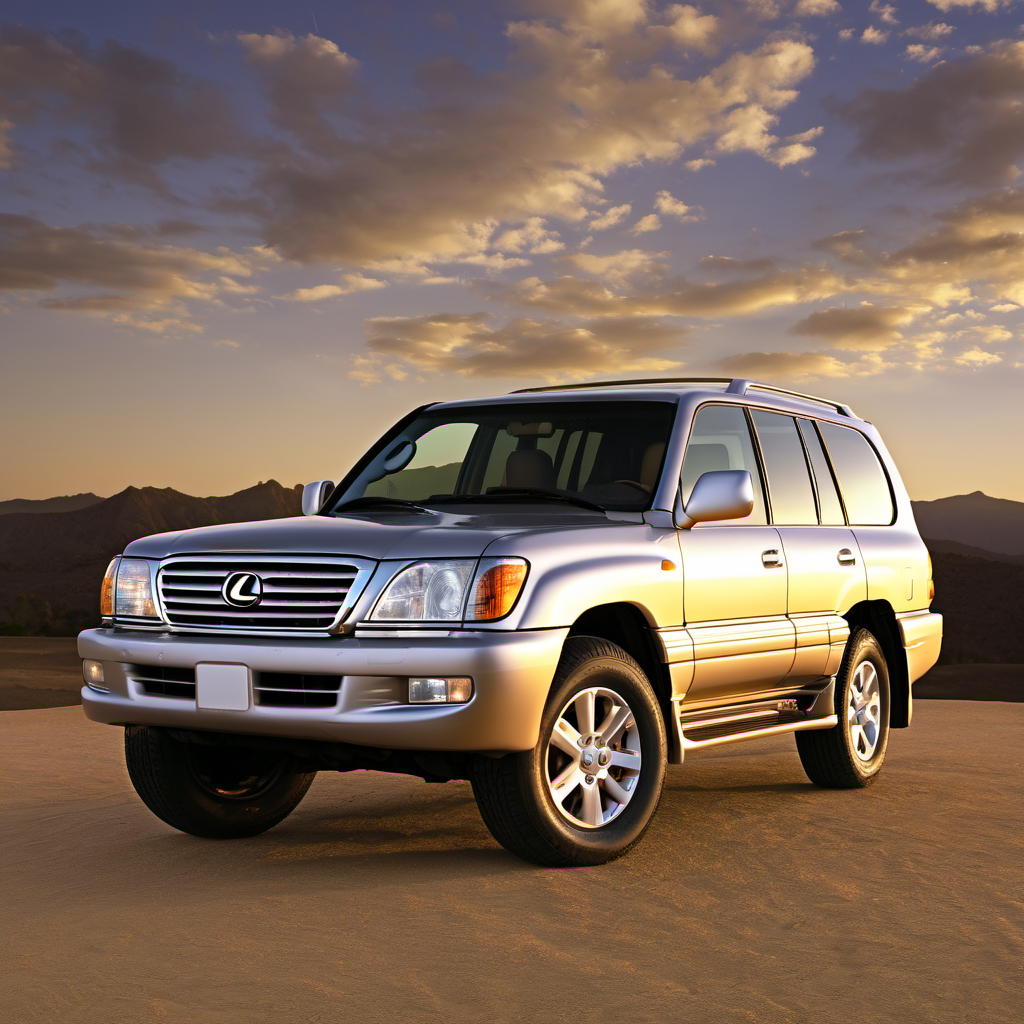
2001 Lexus LX470
2001 Lexus
LX470

Full-size luxury SUV with similar premium positioning but dramatically better reliability. Toyota underpinnings mean far lower long-term ownership costs.
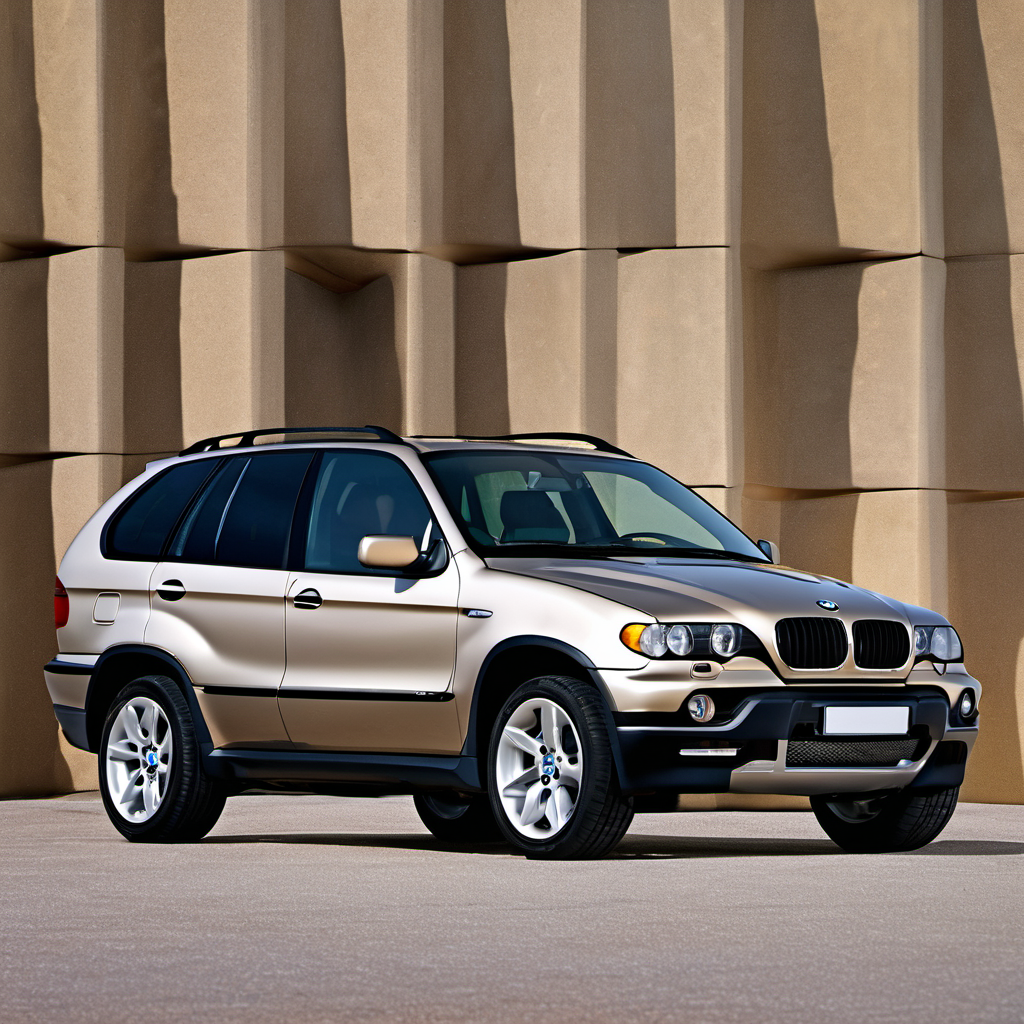
2001 BMW X5
2001 BMW
X5

BMW also supplied the 4.4L V8 used in P38 4.6 models; the X5 shares DNA, offers similar luxury, with better reliability scores and easier parts sourcing.

2001 Cadillac
Escalade

Comparable full-size luxury SUV footprint and price point. Simpler conventional suspension, GM drivetrain with far better parts availability in the Midwest.

No catalog match

If you're shopping for one

Red flags
  • Any 'EAS fault' or suspension warning light on — seller claiming it's 'just a sensor' should be treated with skepticism.
  • Mismatched ride height between corners at rest — indicates a failed air bag or leaking line.
  • No service records or receipts for the past 3+ years.
  • Evidence of coolant leaks around the thermostat housing, heater hoses, or intake manifold.
  • Rust bubbling under door sills, at rear wheel arches, or along rocker panels — cosmetic rust here usually means structural rust underneath.
  • Seller asking well below market price without a clear explanation — this truck's problems are rarely small.
What to inspect
  • Air suspension: with engine running, watch for sagging corners or 'EAS fault' warning on the dashboard — any active fault is a mandatory pre-purchase repair.
  • Coolant: pull the oil filler cap and check for mayonnaise-colored residue indicating a head gasket leak.
  • Undercarriage: crawl under and inspect frame rails, sill seams, and floor pan for rust perforation — Wisconsin-titled trucks are high risk.
  • BECM function: verify all windows, locks, mirrors, and interior lighting operate correctly; BECM faults are expensive and intermittent.
  • Service history: insist on documentation. An undocumented P38A is a gamble; ask specifically about air suspension, coolant, and transmission service.
  • Test drive: drive at least 20 minutes including a cold start — air suspension and BECM faults often appear only when warm or after extended idle.
AI profile generated 4 days ago · claude-sonnet-4-6 · v2.