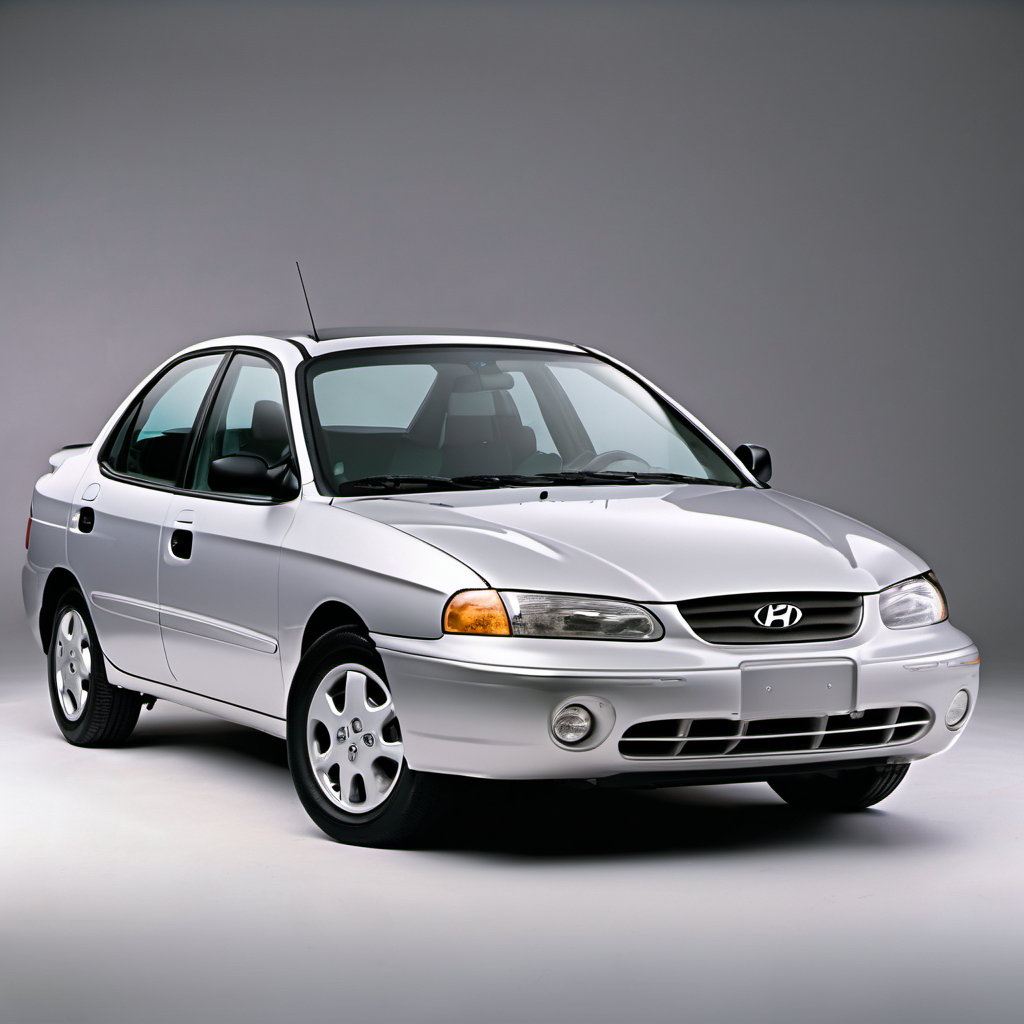
2001 Kia Spectra Hatchback

2001 Kia

SpectraHatchback

1.8L DOHC I4 · Hatchback

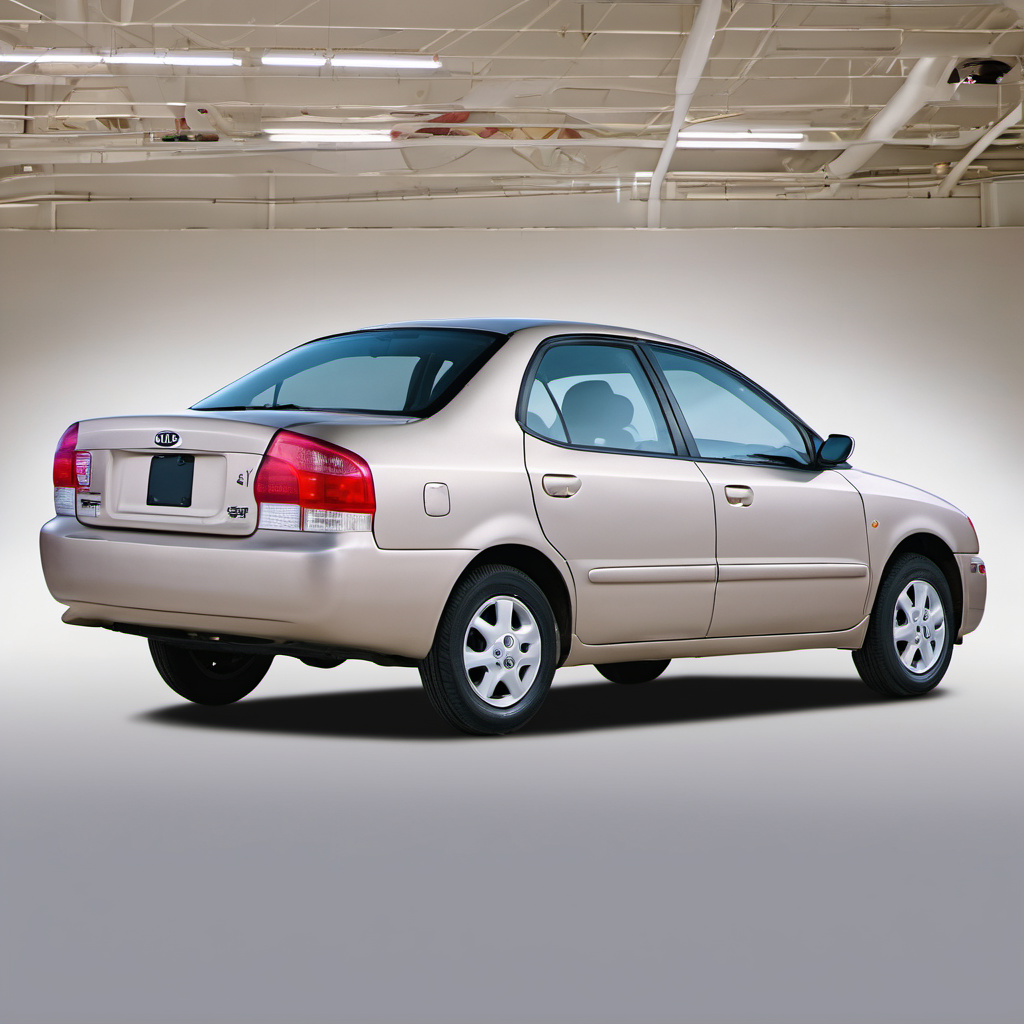
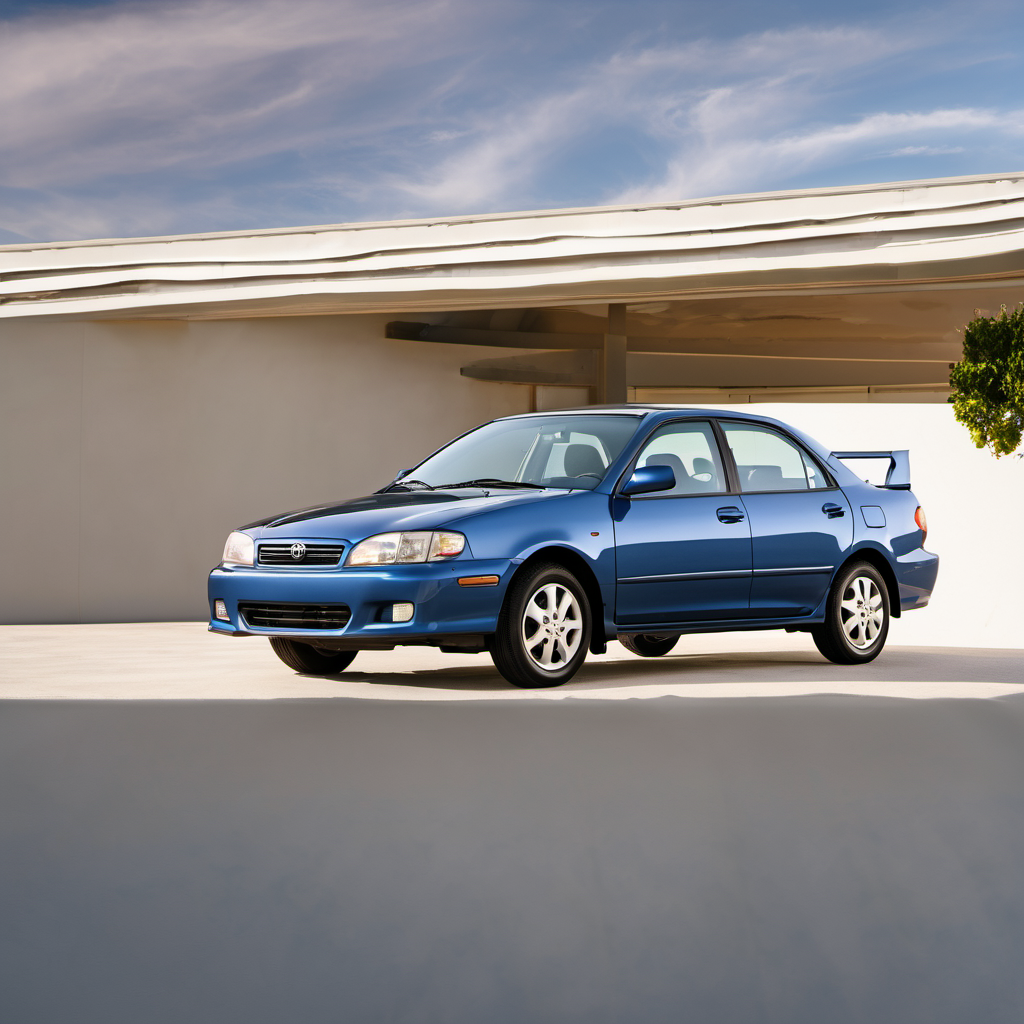
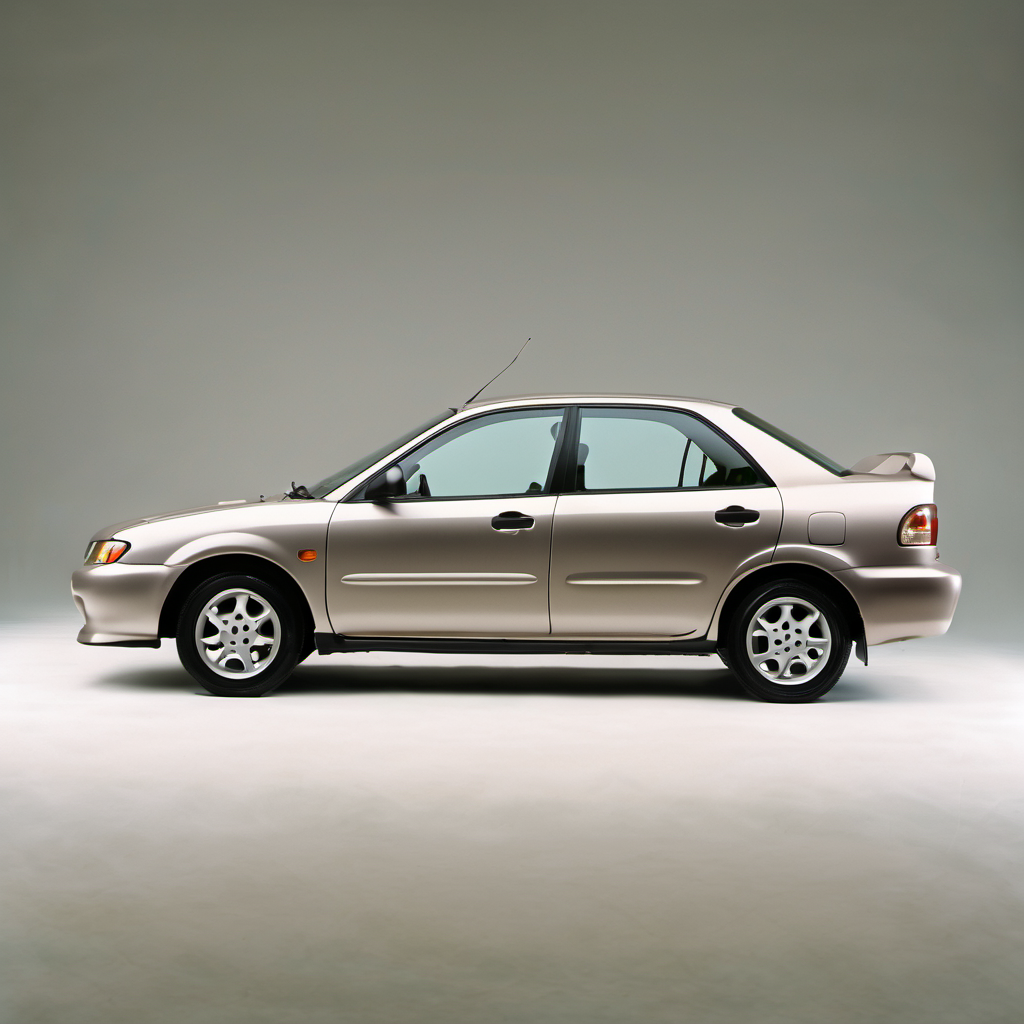
The 2001 Kia Spectra was Kia's entry-level compact car for the North American market, offered as a sedan and hatchback. Built on a platform shared with the Hyundai Elantra of the same era, it was positioned squarely as budget transportation — low purchase price, low insurance, and acceptable fuel economy. At this point in Kia's history, the brand was still shaking off its early reputation for unreliability, and the first-gen Spectra reflects that transitional period: decent bones but real quality-control gaps. The hatchback body style gave it a slight edge in practicality over the sedan, with a usable cargo area and fold-down rear seats. Power came from a 1.8L DOHC four-cylinder mated to either a 5-speed manual or 4-speed automatic. Neither is fast, but both are adequate for commuting. The manual tends to outlast the automatic in this generation. At over 20 years old, any surviving 2001 Spectra is well into high-mileage territory. Rust is the biggest threat in Wisconsin — these cars were not well-protected from the factory and salty Wisconsin winters accelerate the problem significantly. Think of this as a car to buy cheaply, maintain diligently, and not expect to last forever.

Reliability
2/5
Verified data
Engine
1.8L DOHC I4
Drivetrain
FWD
Fuel
Gasoline
MPG
24 city / 32 hwy / 27 combined
Seats
5
Doors
4
Body
Hatchback
MSRP
$12,095

Overview

AI-curated

The 2001 Kia Spectra was Kia's entry-level compact car for the North American market, offered as a sedan and hatchback. Built on a platform shared with the Hyundai Elantra of the same era, it was positioned squarely as budget transportation — low purchase price, low insurance, and acceptable fuel economy. At this point in Kia's history, the brand was still shaking off its early reputation for unreliability, and the first-gen Spectra reflects that transitional period: decent bones but real quality-control gaps. The hatchback body style gave it a slight edge in practicality over the sedan, with a usable cargo area and fold-down rear seats. Power came from a 1.8L DOHC four-cylinder mated to either a 5-speed manual or 4-speed automatic. Neither is fast, but both are adequate for commuting. The manual tends to outlast the automatic in this generation. At over 20 years old, any surviving 2001 Spectra is well into high-mileage territory. Rust is the biggest threat in Wisconsin — these cars were not well-protected from the factory and salty Wisconsin winters accelerate the problem significantly. Think of this as a car to buy cheaply, maintain diligently, and not expect to last forever.

Known for
  • Low purchase and ownership cost
  • Simple, easy-to-work-on engine
  • Practical hatchback cargo flexibility
  • Adequate fuel economy for a budget compact
Best for
  • Budget-conscious commuters
  • First-time car owners
  • City and short-trip driving
  • DIY mechanics looking for a low-stakes project car
Watch for
  • Heavy rust on subframe, floor pans, and wheel wells in Midwest climates
  • Automatic transmission reliability is below average for this generation
  • Interior plastics and trim are fragile and age poorly
  • Limited crash safety ratings by modern standards
  • Parts availability getting harder as the car ages

Common issues by mileage

6 known

Rust and corrosion — subframe, floor pans, rocker panels

high
Typically appears
Any mileage, age-driven
Estimated repair
$500 – $3,000

Automatic transmission slipping or failure

high
Typically appears
80,000–150,000 mi
Estimated repair
$1,200 – $2,800

Oxygen sensor failure (upstream/downstream heater circuit)

medium
Typically appears
60,000–120,000 mi
Estimated repair
$150 – $350

Timing belt tensioner wear / belt replacement overdue

high
Typically appears
60,000 mi intervals
Estimated repair
$350 – $650

Coolant leaks — water pump, thermostat housing, hoses

medium
Typically appears
80,000–150,000 mi
Estimated repair
$200 – $600

Power window regulator failure

medium
Typically appears
70,000–130,000 mi
Estimated repair
$150 – $350

Maintenance schedule

  1. 1
    Every 60,000 miles — do not skip Timing belt and water pump replacement

    This is an interference engine. A broken timing belt means bent valves and a destroyed engine. At 20+ years old, replace it based on age too, regardless of mileage — rubber degrades over time.

  2. 2
    Every 5,000 miles or 6 months Engine oil change

    Short-trip Wisconsin driving never lets the oil fully heat up, accelerating contamination. Stick to conventional 5W-30 and don't stretch intervals.

  3. 3
    Every 2 years Coolant flush and inspection

    Aging coolant loses corrosion inhibitors and attacks the aluminum components in this engine. At this vehicle's age, inspect hoses and the thermostat housing carefully at every flush.

  4. 4
    Every 30,000 miles Spark plug replacement

    The 1.8L runs standard copper plugs. Worn plugs cause rough cold starts, which are already stressful on a high-mileage engine in Wisconsin winters.

  5. 5
    Every 2 years Brake fluid flush

    Brake fluid absorbs moisture over time, lowering its boiling point. Critical in a Wisconsin winter where consistent brake performance is a safety issue.

  6. 6
    Every fall before first salt exposure Undercarriage rust inspection and treatment

    This generation Spectra has minimal factory undercoating. Annual inspection of subframe mounting points, brake lines, and fuel lines is essential. Treat any bare metal immediately.

  7. 7
    Every 20,000–30,000 miles Air filter replacement

    A clogged air filter drops fuel economy noticeably on a small-displacement engine and can cause rough idle.

  8. 8
    Every 30,000 miles Automatic transmission fluid change (if equipped)

    Kia's early automatic is fragile. Fresh fluid is cheap insurance. Do not follow any 'lifetime fluid' guidance on a vehicle this age.

Always defer to the manufacturer's service manual for warranty-mandated intervals.

Cost of ownership

Annual maintenance
$600 – $1,800
Fuel
At ~27 MPG combined and average Wisconsin driving of 12,000 miles/year, expect roughly $1,400–$1,700/year at current fuel prices.
Insurance
Among the cheapest cars to insure — low value, low power. Expect $700–$1,100/year for full coverage depending on driver history.

This is one of the least expensive cars to own on paper, but a 20+ year old example can surprise you with deferred maintenance costs. Budget $600–$1,800/year for upkeep under normal conditions, and keep a separate fund for the big-ticket items: timing belt, transmission, and rust repairs. If rust has already compromised the subframe or brake lines, repair costs can exceed the car's value quickly.
Seasonal care

Lake Geneva, WI
Winter
  • Switch to 5W-30 full synthetic if not already — cold cranking on a worn engine in sub-zero temps is much easier with synthetic oil.
  • Test the battery before November. Cold-cranking amps drop sharply below 20°F, and a marginal battery that starts fine in October will leave you stranded in January.
  • Flush and refill the cooling system with fresh 50/50 antifreeze rated to at least -34°F. Check protection level with a tester.
  • Top up windshield washer fluid with a -20°F or colder rated formula. Slush and road salt spray will empty the reservoir fast — keep a spare jug in the trunk.
  • Inspect rubber weatherstripping around doors and hatch before winter. It ages and cracks on cars this old; freezing temperatures will seal doors shut if water gets in the seal.
  • After every salt exposure, rinse the undercarriage at a touchless car wash. Pay particular attention to wheel wells and behind the rocker panels — rust hides there first on this car.
Summer
  • Check tire pressure monthly — every 10°F rise in temperature adds roughly 1 PSI, which can push already-inflated tires over spec.
  • Inspect the serpentine belt and timing belt for cracking or glazing before summer heat adds stress.
  • Test the A/C system early in the season. The compressor clutch and condenser on a 20+ year old car may need attention; recharging an old system without inspecting for leaks is a short-term fix.
  • Check coolant level and condition. Heat soak after a hot day can reveal a weak radiator cap or small leak that's invisible in cooler weather.
  • Park in shade when possible — the interior plastics on this generation are brittle and UV-damaged dashboards crack and become safety hazards if pieces break off.

Comparable vehicles

If you're shopping for one

Red flags
  • Any visible rust bubbling on the floor pans, rocker panels, or around suspension mounting points — walk away.
  • No maintenance records whatsoever on a 20+ year old car.
  • Automatic transmission that hesitates, slips, or shudders — repair will likely exceed the car's value.
  • Check Engine light on at time of sale with no explanation. At minimum, get it scanned before buying.
  • Musty smell or wet carpet, which indicates long-term water intrusion and hidden floor rust.
  • Asking price anywhere near private-party book value — a 2001 Spectra in honest condition should be priced to reflect its age and the cost of deferred maintenance.
What to inspect
  • Get under the car and inspect the subframe mounting points, floor pans, and rocker panels for rust penetration — this is the make-or-break check on any Midwest example.
  • Check the brake and fuel lines for corrosion, pitting, or soft spots. Lines on a 20-year-old car in Wisconsin can be dangerously thin.
  • Ask for timing belt service records. If the seller doesn't know when it was last done, budget for an immediate replacement before driving it.
  • On automatic-equipped cars, check for transmission slipping during a test drive — hesitation between gears or a late, harsh 2-3 upshift are warning signs.
  • Look for coolant in the oil (milky dipstick) or white exhaust smoke, which signals a head gasket issue — not uncommon on neglected high-mileage examples.
  • Check all door and hatch weatherstripping for tears. Water intrusion on a car this age leads to floor rust and mold under the carpet.
AI profile generated 4 days ago · claude-sonnet-4-6 · v2.