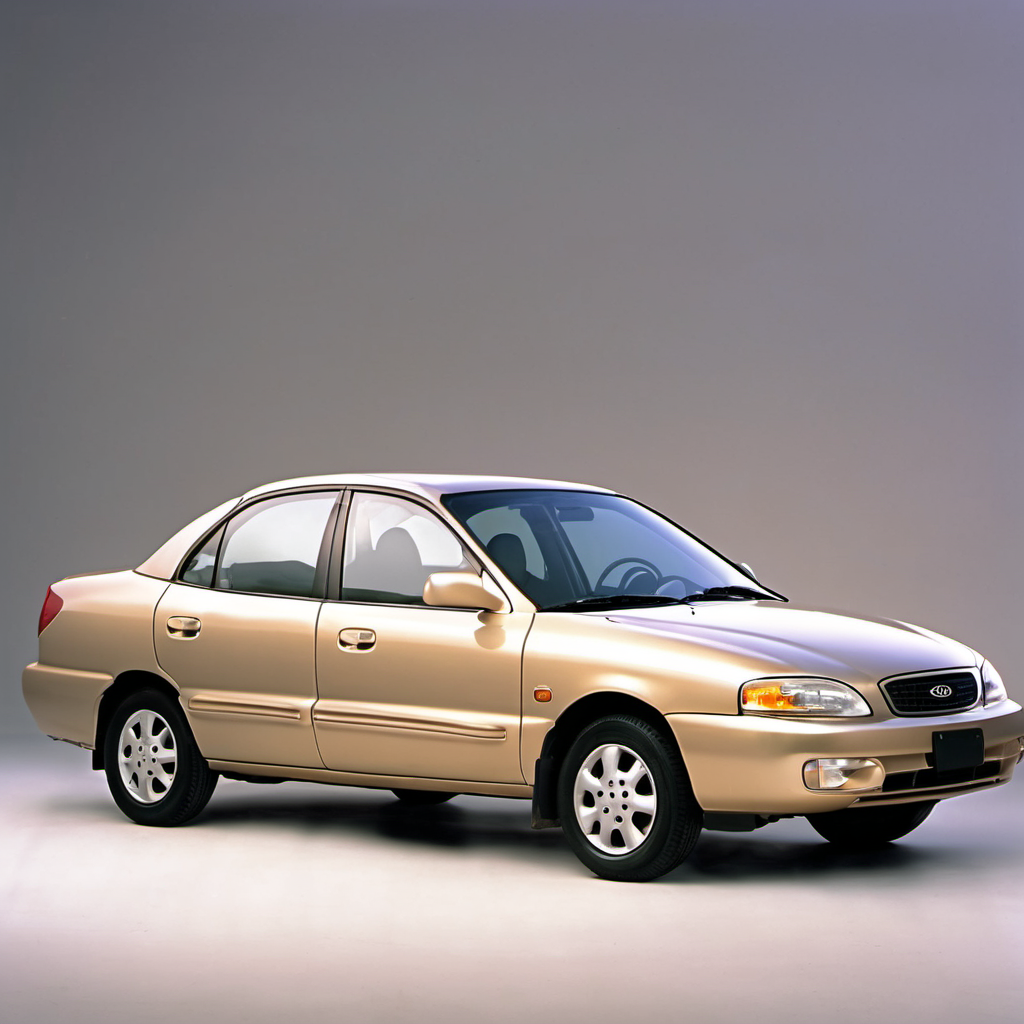
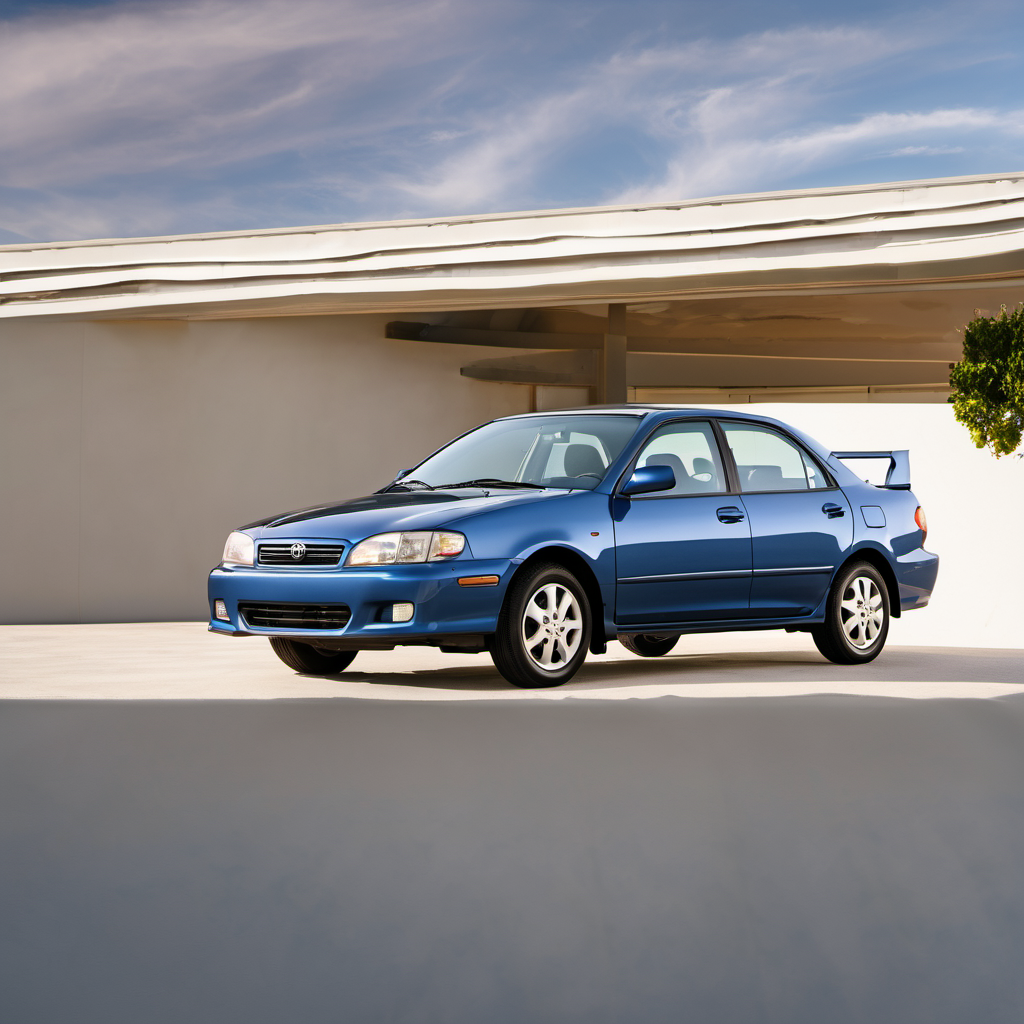
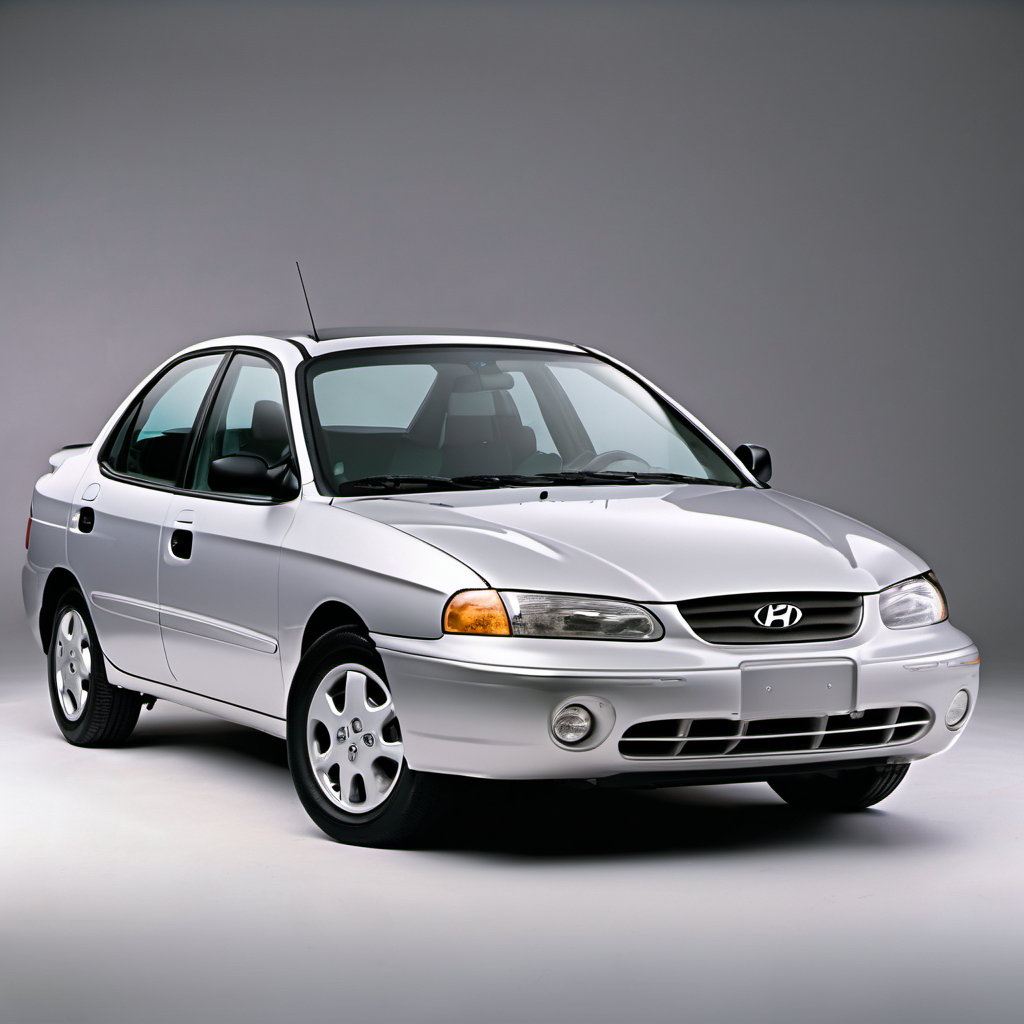
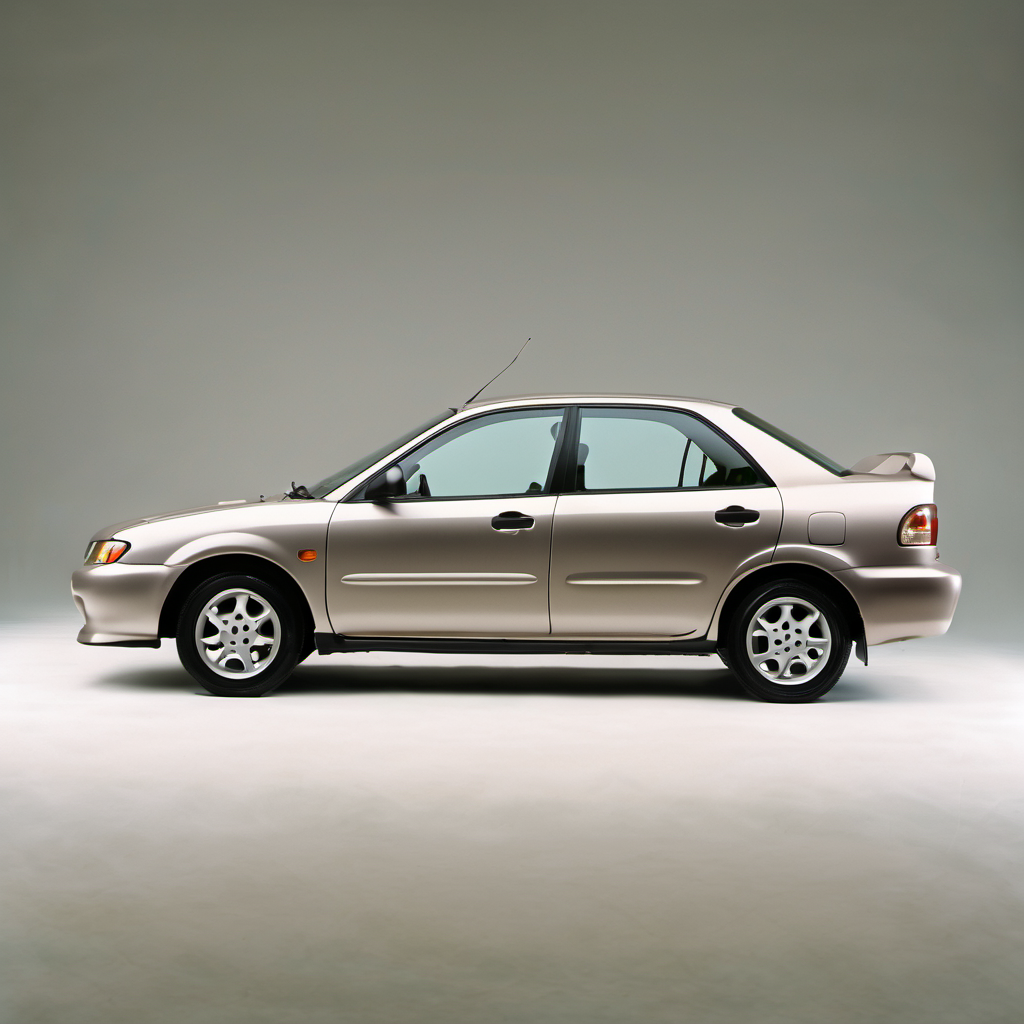
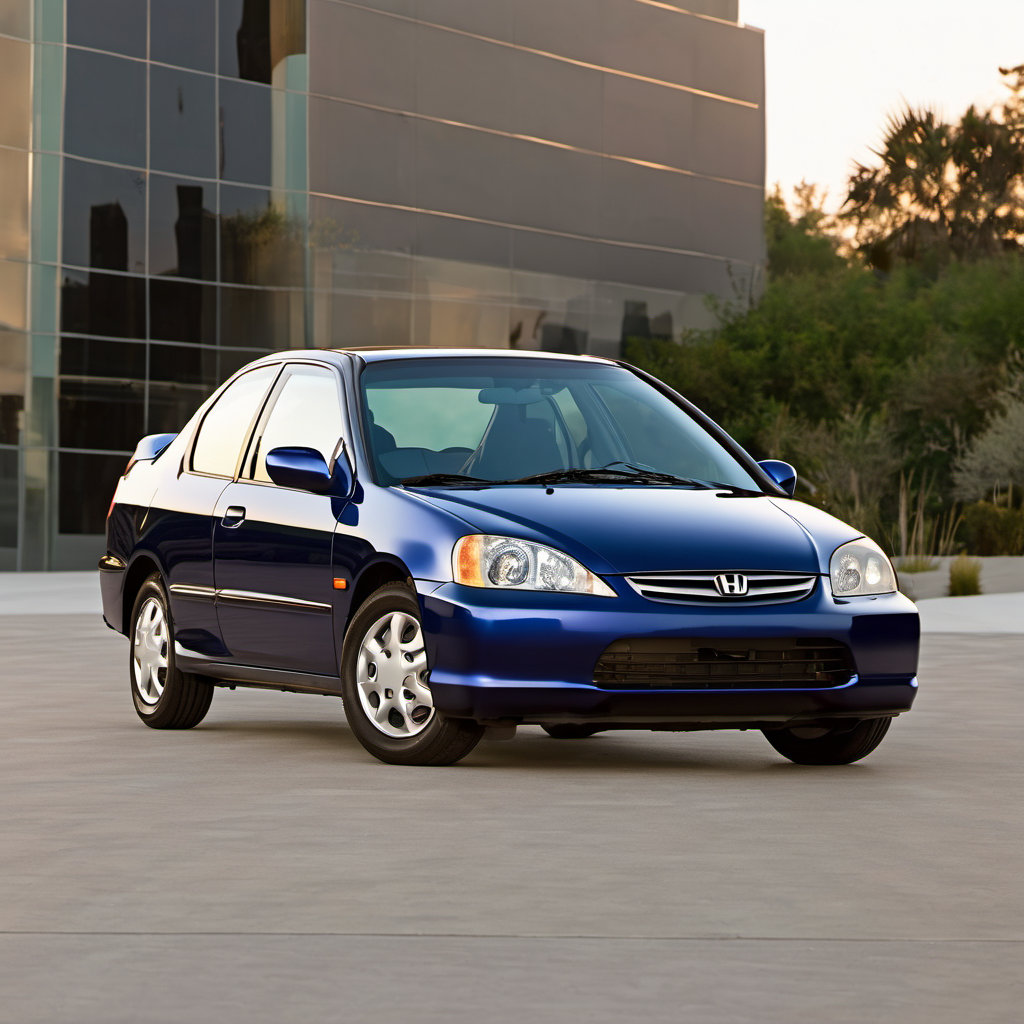
2001 Kia Sephia Sedan

2001 Kia

SephiaSedan

1.8L I4 DOHC · Sedan

The 2001 Kia Sephia is a front-wheel-drive compact sedan that served as Kia's entry-level car during the brand's early push into North America. It was built on a platform shared with the Mazda 323/Familia, giving it reasonably solid bones underneath a budget price tag. By 2001, the Sephia was in its final model year — Kia replaced it with the Spectra for 2002 — so parts availability for some trim pieces has thinned out, though mechanical parts remain findable. The Sephia was never a performance car or a luxury car. It was transportation: affordable, simple, and relatively easy to work on. Owners who kept up with basics — oil, timing belt, coolant — often got 150k+ miles out of them. Those who didn't typically saw the engine go early. By now any surviving 2001 Sephia has significant age on it. Rust, worn suspension bushings, and deferred maintenance are the biggest concerns on a used example. It makes sense only as a low-cost runabout if the price is right and the body and mechanicals check out.

Reliability
2/5
Verified data
Engine
1.8L I4 DOHC
Drivetrain
FWD
Fuel
Gasoline
MPG
24 city / 32 hwy / 27 combined
Seats
5
Doors
4
Body
Sedan
MSRP
$12,565

Overview

AI-curated

The 2001 Kia Sephia is a front-wheel-drive compact sedan that served as Kia's entry-level car during the brand's early push into North America. It was built on a platform shared with the Mazda 323/Familia, giving it reasonably solid bones underneath a budget price tag. By 2001, the Sephia was in its final model year — Kia replaced it with the Spectra for 2002 — so parts availability for some trim pieces has thinned out, though mechanical parts remain findable. The Sephia was never a performance car or a luxury car. It was transportation: affordable, simple, and relatively easy to work on. Owners who kept up with basics — oil, timing belt, coolant — often got 150k+ miles out of them. Those who didn't typically saw the engine go early. By now any surviving 2001 Sephia has significant age on it. Rust, worn suspension bushings, and deferred maintenance are the biggest concerns on a used example. It makes sense only as a low-cost runabout if the price is right and the body and mechanicals check out.

Known for
  • Low purchase price and minimal complexity
  • Mazda-derived platform that's straightforward to service
  • Decent fuel economy for its era
  • Final year before the Spectra replacement
Best for
  • Budget-conscious commuters who do their own maintenance
  • Short-distance urban or suburban driving
  • First-car buyers looking for something cheap to learn on
Watch for
  • Timing belt neglect — engine damage if belt breaks
  • Rust on rocker panels, floor pans, and wheel arches (critical in Wisconsin salt country)
  • Worn suspension bushings and ball joints on high-mileage examples
  • Aging coolant hoses and thermostat failures
  • AC system that may no longer hold refrigerant on 20+ year old units

Common issues by mileage

6 known

Timing belt failure (interference engine)

high
Typically appears
60–100k mi
Estimated repair
$300 – $550

Oxygen sensor failure / heater circuit fault

high
Typically appears
80–150k mi
Estimated repair
$120 – $280

Worn front suspension bushings and ball joints

high
Typically appears
80–150k mi
Estimated repair
$200 – $500

Cooling system failure (thermostat, hoses, radiator)

medium
Typically appears
100–150k mi
Estimated repair
$150 – $400

Rust and corrosion — rocker panels, floor pans, subframe

high
Typically appears
Any mileage on salt-belt vehicles
Estimated repair
$300 – $2,000

Electrical / CAN network communication faults

medium
Typically appears
100k+ mi
Estimated repair
$100 – $600

Maintenance schedule

  1. 1
    Every 60,000 miles or 5 years — whichever comes first Timing belt and tensioner replacement

    This is an interference engine. A snapped timing belt will bend valves and likely destroy the engine. On a 24-year-old car, replace it now if history is unknown regardless of mileage.

  2. 2
    Every 5,000 miles or 6 months Engine oil and filter change

    Older engines with higher tolerances benefit from more frequent changes. Use a conventional or blend 5W-30 suited for cold Wisconsin starts.

  3. 3
    Every 2 years Coolant flush and thermostat inspection

    Original hoses and thermostat on a 2001 are well past service life. Overheating from a stuck thermostat is a common cause of head gasket failure on this engine.

  4. 4
    Every 30,000 miles Spark plugs and ignition wires

    Standard copper plugs on this engine wear faster than iridium units. Worn plugs increase misfire risk especially in cold starts.

  5. 5
    Every 2 years Brake fluid flush

    Brake fluid absorbs moisture over time, lowering its boiling point. Wisconsin road salt also accelerates caliper and line corrosion — fresh fluid helps catch problems early.

  6. 6
    Every year or at each oil change Inspect and lubricate front suspension ball joints and tie rod ends

    These components are well past original service life. Worn ball joints can cause sudden loss of steering control — critical to catch before Wisconsin winter driving.

  7. 7
    Every 15,000–20,000 miles Air filter replacement

    A clogged air filter hurts fuel economy noticeably on this small engine and can contribute to rough idle.

  8. 8
    Every 2 years or 30,000 miles Inspect serpentine/accessory belt

    On a vehicle this age, rubber belts crack and harden. A snapped accessory belt kills the alternator and power steering simultaneously.

Always defer to the manufacturer's service manual for warranty-mandated intervals.

Cost of ownership

Annual maintenance
$600 – $1,400
Fuel
At ~27 MPG combined and average Wisconsin driving of ~12,000 miles/year, expect roughly $1,400–$1,700/year in fuel at current prices.
Insurance
Liability-only insurance on a car this age and value typically runs $400–$700/year in the Lake Geneva area, depending on driving record.

The Sephia's parts are cheap and the engine is simple, keeping routine maintenance costs low. The real wildcard on a 24-year-old Wisconsin car is rust repair and aging component replacement — a single bad year with a subframe, caliper, or head gasket job can push annual costs well past $2,000. Budget accordingly and inspect the undercarriage hard before buying.
Seasonal care

Lake Geneva, WI
Winter
  • Switch to a 5W-30 full synthetic oil before temperatures drop below 0°F — the thinner cold-start viscosity protects this aging engine during hard Wisconsin cold snaps.
  • Test the battery before November. A battery over 4 years old that passes a summer load test can still fail at -10°F. Replace proactively.
  • Flush washer fluid reservoir and top off with a -20°F or -30°F rated fluid. The stock reservoir cap and lines on this age of vehicle can crack if water-based fluid freezes.
  • Inspect the undercarriage for existing rust before winter salt exposure makes it worse. Apply a rust inhibitor or undercoating to bare metal where possible.
  • Swap to dedicated winter tires if you drive this car regularly November–March. All-season tires on a 24-year-old FWD compact are marginal on packed snow.
  • Keep the fuel tank at least half full to reduce condensation in the fuel system and add weight over the drive wheels.
Summer
  • Check tire pressure monthly — pressure drops roughly 1 PSI for every 10°F temperature swing, and summer heat can cause underinflated tires to run hot.
  • Inspect the A/C system for refrigerant leaks before the first hot stretch. A 24-year-old system very likely has degraded O-rings; recharging without fixing the leak is a temporary fix.
  • Watch coolant temperature closely in stop-and-go traffic. The cooling fan relay and fan motor on this age of vehicle can fail silently, leading to sudden overheating.
  • Check rubber coolant hoses for softness, cracking, or swelling — heat accelerates deterioration on already-aged rubber.

Comparable vehicles

If you're shopping for one

Red flags
  • Any structural rust on the subframe, floor pan, or unibody rails — this car is not worth repairing at that point.
  • Oil that's black as tar or a milky/foamy appearance on the dipstick (coolant mixing with oil = head gasket failure).
  • Check engine light on with no explanation from the seller.
  • Overheating history or a recently replaced thermostat with no other cooling system work — likely a band-aid on a larger problem.
  • Seller cannot provide any maintenance records — on a 24-year-old budget car, undocumented history is a serious red flag.
What to inspect
  • Undercarriage and rocker panels for structural rust — poke the rockers and floor pans with a screwdriver; soft spots mean structural compromise.
  • Timing belt service history — if the seller can't prove it was done, treat it as an immediate $400+ expense.
  • Coolant condition and level — brown or rusty coolant signals a neglected cooling system or early head gasket trouble.
  • All four corners of the suspension — listen for clunks over bumps, check for torn CV boots, and check ball joint play.
  • Exhaust system for holes and rust — replacements are available but add to the true cost of the car.
AI profile generated 4 days ago · claude-sonnet-4-6 · v2.