VVT / Camshaft Timing Solenoid Failure
high- Typically appears
- 60–120k mi
- Estimated repair
- $300 – $900
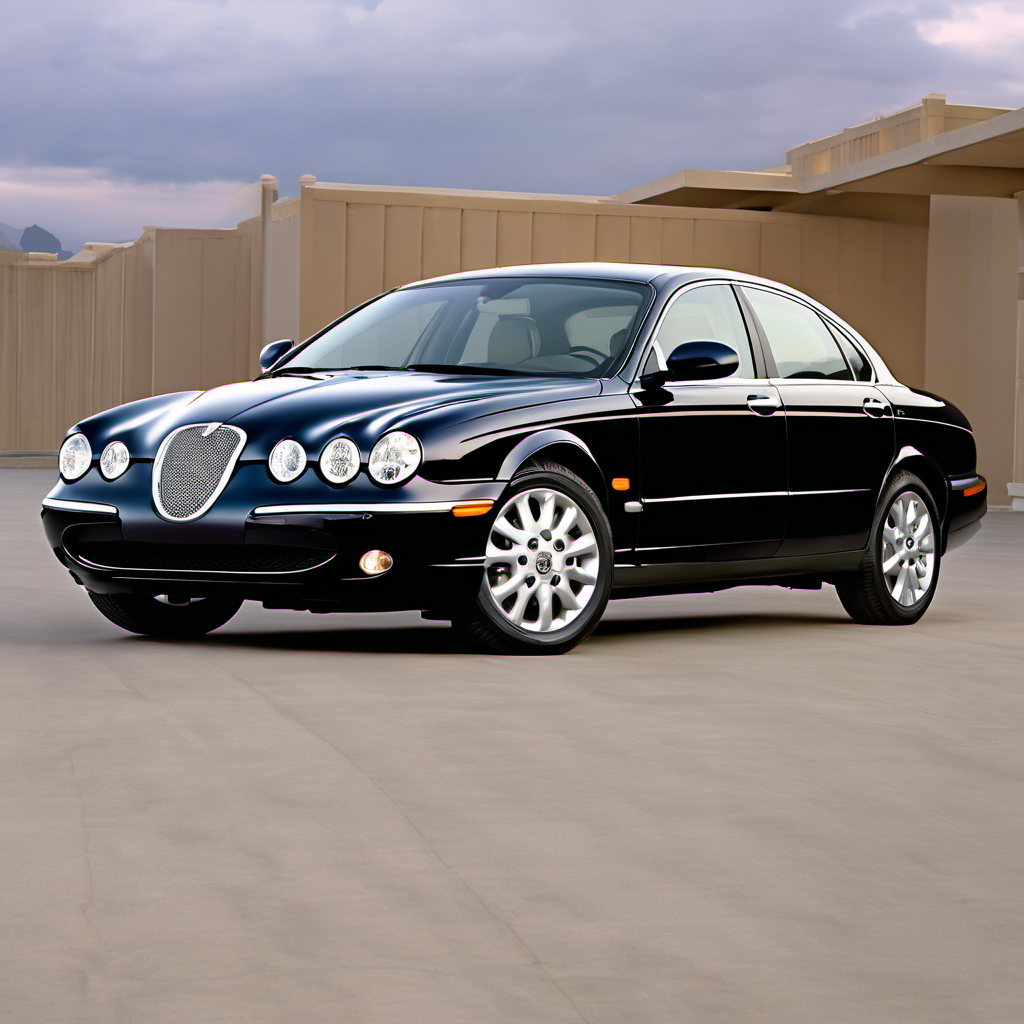
2001 Jaguar
Sedan
The 2001 Jaguar S-Type is a rear-wheel-drive luxury sport sedan built on a platform shared with the Ford Lincoln LS, developed during Ford's ownership of Jaguar. It blends classic British styling cues — the long hood, round headlights, and chrome detailing — with a modern chassis and available V6 or V8 power. The S-Type was Jaguar's attempt to recapture the mid-size luxury market and compete directly with the BMW 5 Series and Mercedes-Benz E-Class. As a first-generation model (1999–2002), the 2001 S-Type carried over several early teething problems that Jaguar hadn't fully ironed out. The 3.0L V6 is the more reliable and economical choice compared to the 4.0L V8, but both require attentive maintenance and premium fuel. Parts availability has declined as the car ages, and independent shops familiar with Jaguar electrics are essential to keeping costs manageable. This is a car that rewards an owner who does the homework: pre-purchase inspected by a Jaguar-knowledgeable shop, kept up on fluids and filters, and not neglected. Let it slide and repair bills will stack up quickly. Buy it right and maintain it well, and it delivers a genuinely elegant driving experience at a fraction of its original MSRP.
The 2001 Jaguar S-Type is a rear-wheel-drive luxury sport sedan built on a platform shared with the Ford Lincoln LS, developed during Ford's ownership of Jaguar. It blends classic British styling cues — the long hood, round headlights, and chrome detailing — with a modern chassis and available V6 or V8 power. The S-Type was Jaguar's attempt to recapture the mid-size luxury market and compete directly with the BMW 5 Series and Mercedes-Benz E-Class. As a first-generation model (1999–2002), the 2001 S-Type carried over several early teething problems that Jaguar hadn't fully ironed out. The 3.0L V6 is the more reliable and economical choice compared to the 4.0L V8, but both require attentive maintenance and premium fuel. Parts availability has declined as the car ages, and independent shops familiar with Jaguar electrics are essential to keeping costs manageable. This is a car that rewards an owner who does the homework: pre-purchase inspected by a Jaguar-knowledgeable shop, kept up on fluids and filters, and not neglected. Let it slide and repair bills will stack up quickly. Buy it right and maintain it well, and it delivers a genuinely elegant driving experience at a fraction of its original MSRP.
The AJ-V6 VVT system is oil-pressure dependent. Sludge from extended intervals or wrong viscosity oil is a leading cause of camshaft timing codes and solenoid failure.
First-gen S-Types are prone to coolant leaks from aging plastic hose fittings and the thermostat housing. Degraded coolant accelerates corrosion. Inspect all hoses at every oil change on a car this age.
Jaguar called this fluid 'lifetime' but it isn't — especially in a 20+ year old car. Fresh fluid protects the ZF transmission's valve body and extends shift quality.
Worn plugs on the V6 cause misfires that can trigger catalytic converter damage and VVT-related codes due to improper combustion events.
Jaguar recommends biennial brake fluid changes. Moisture-saturated fluid lowers boiling point and accelerates ABS module and caliper corrosion — especially important in Wisconsin's salty winters.
The S-Type's multiple control modules draw constant parasitic current. An aging battery that passes a simple voltage check can still fail a load test and leave you stranded at -10°F in Lake Geneva.
Dry window tracks put extra strain on the already-fragile regulators, accelerating one of this car's most common and annoying failures.
Road salt is relentless on older British cars. The S-Type's subframe, suspension mounting points, and brake lines need annual inspection on any Wisconsin vehicle.
Always defer to the manufacturer's service manual for warranty-mandated intervals.
The 2001 S-Type is cheap to buy and moderately expensive to own. Routine maintenance on a diligent schedule runs $1,200–$1,800/year. Factor in the near-certainty of at least one electrical or cooling repair per year on a car this age and budget, and $3,000–$3,500 annually is a realistic all-in maintenance figure. Parts sourcing is increasingly difficult — some items require specialty suppliers or used pulls, which drives up labor time. Always use an independent Jaguar specialist; dealer rates make even minor repairs feel catastrophic.
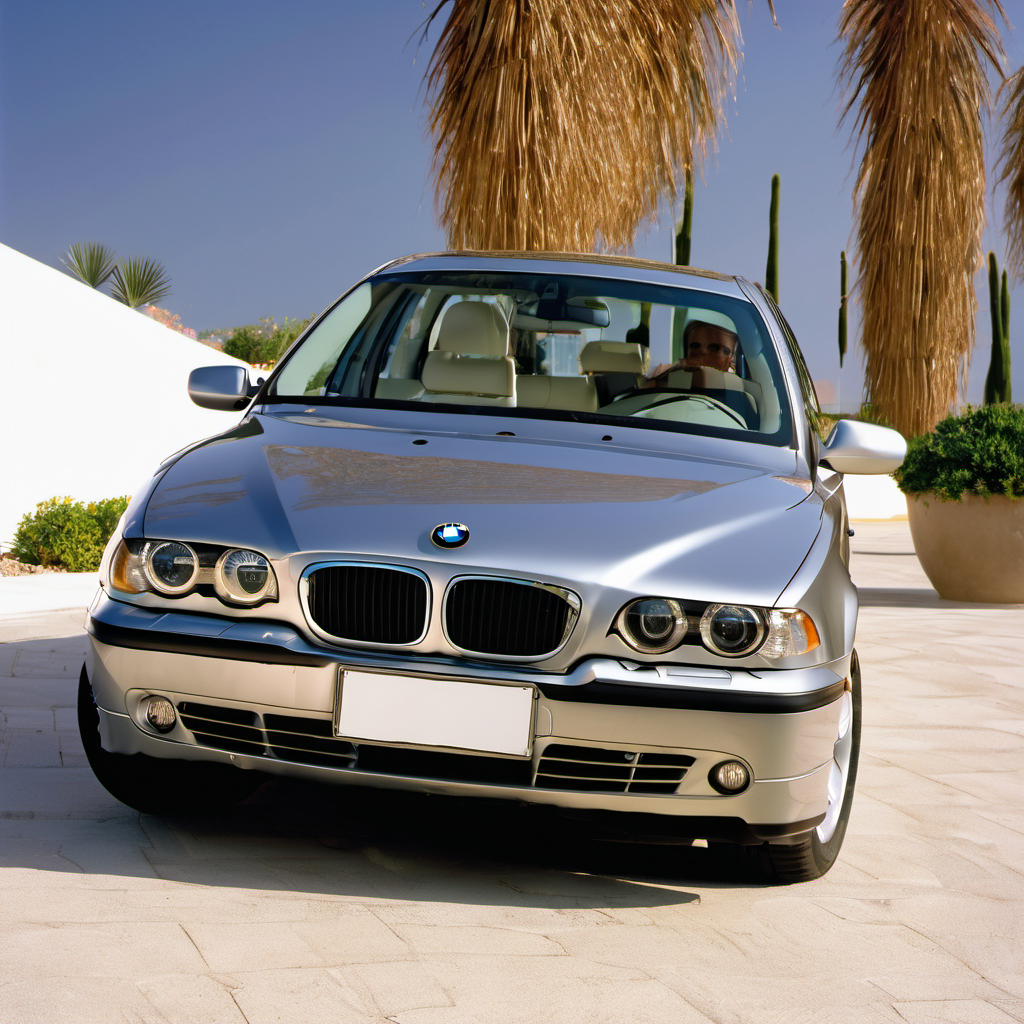
The direct benchmark the S-Type was designed to beat. The E39 530i offers similar RWD luxury sport sedan dynamics with arguably better long-term reliability and stronger parts availability, though it's also more expensive to maintain.
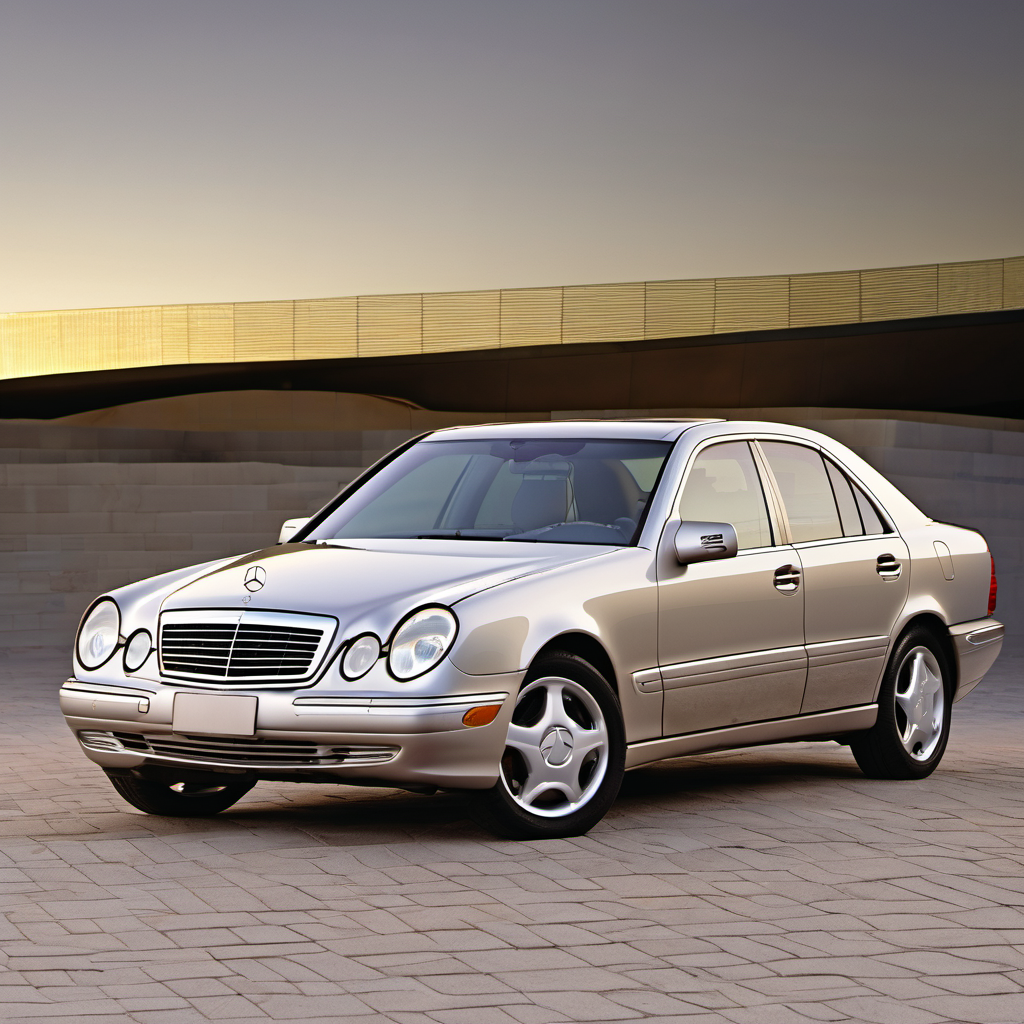
The W210 E320 competes in the same luxury mid-size segment at similar used prices. It has its own electrical and rust issues at this age but offers a more established dealer and independent service network.
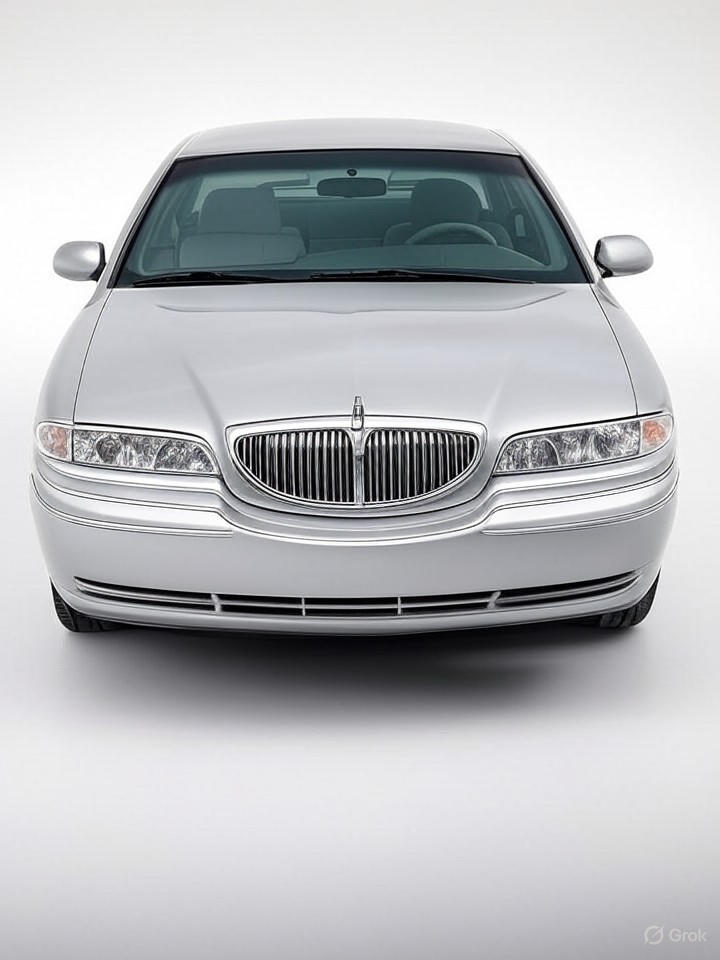
Shares the DEW98 platform with the S-Type. Lower purchase price, easier domestic parts sourcing, and similar V6 drivetrain — a practical alternative if you want related mechanicals without the Jaguar premium or badge.
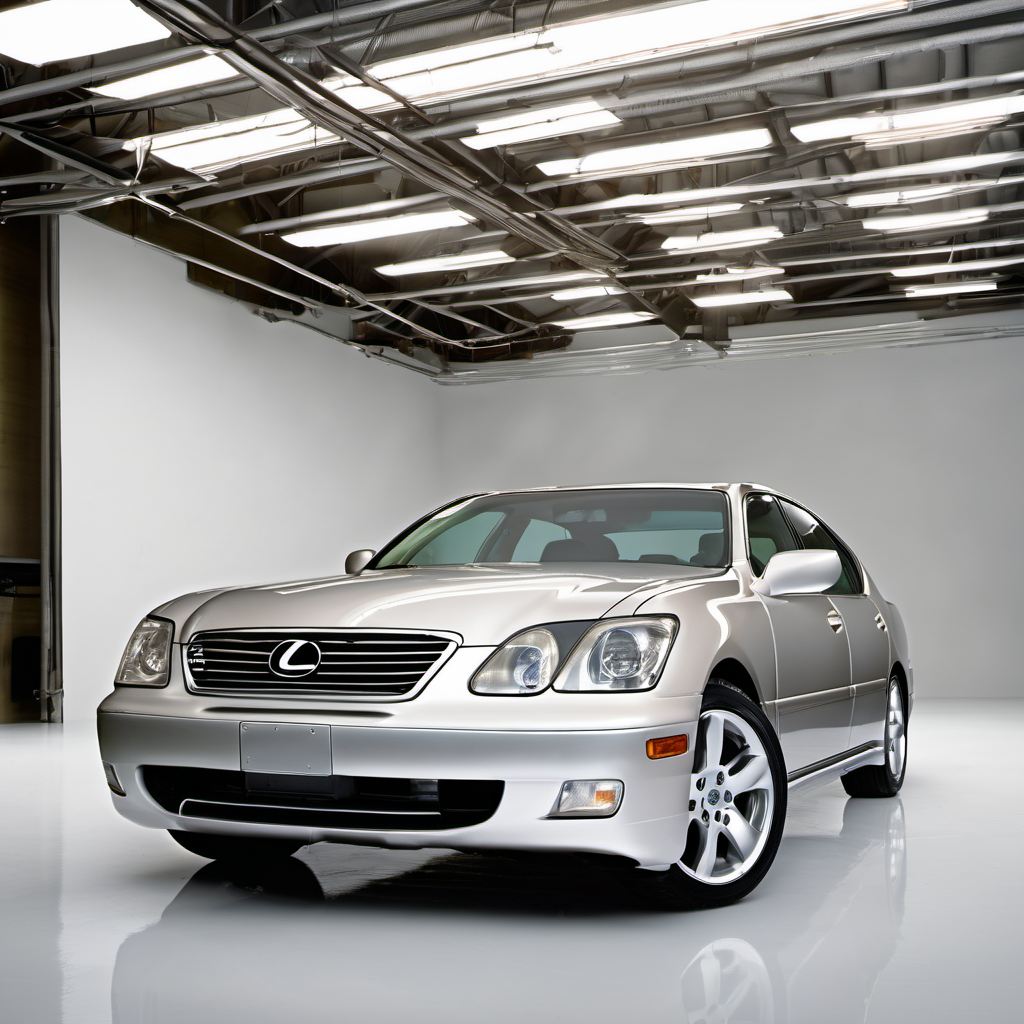
If reliability is the priority over European character, the GS 300 offers RWD luxury with Toyota's legendary long-term durability at similar used-market pricing. Maintenance costs are considerably lower.