Fuel Pump Failure
high- Typically appears
- 100–180k mi
- Estimated repair
- $350 – $650
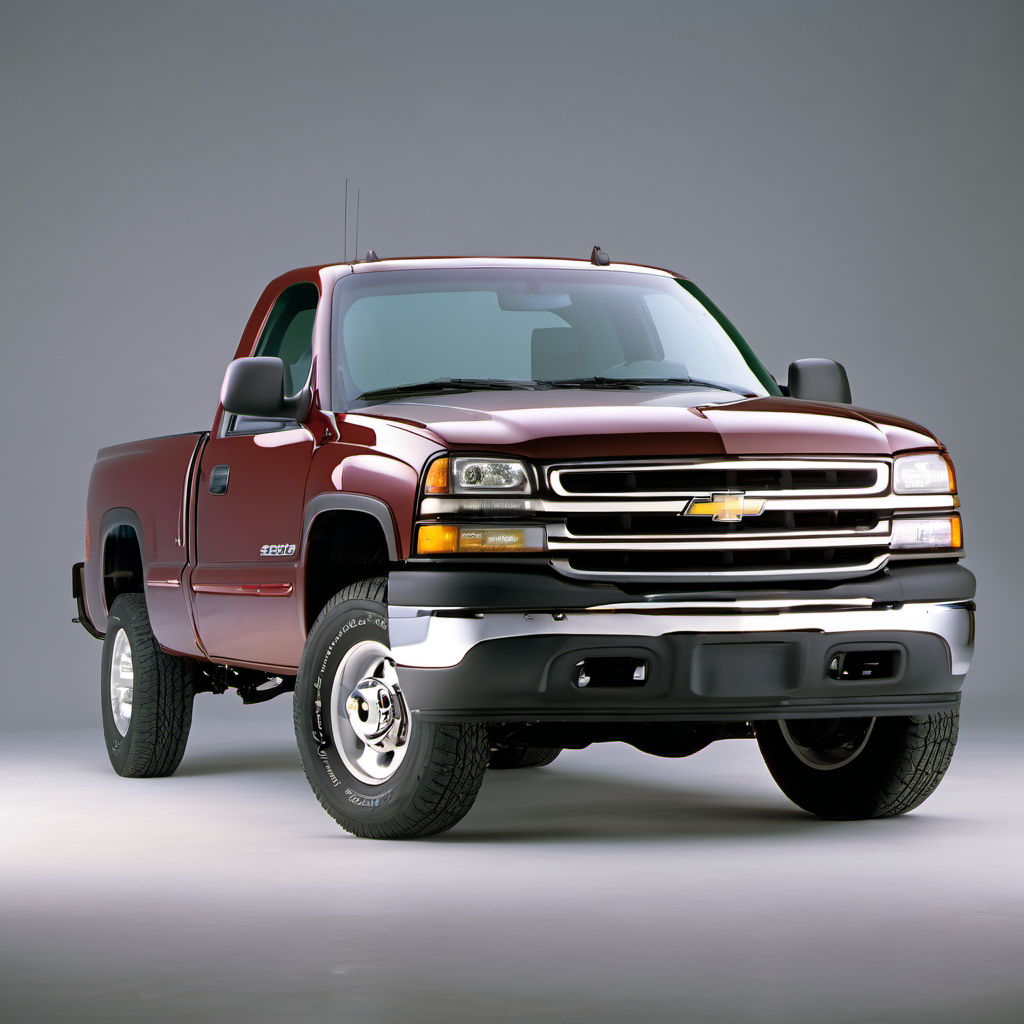
2001 Chevrolet
6.0L V8 LQ4 · Pickup
The 2001 Chevrolet Silverado 1500 Extended Cab with the 6.0L V8 LQ4 is one of the more capable half-ton trucks from GM's GMT800 platform era. Paired with a heavy-duty GVWR rating pushing Class 2H, this configuration was targeted at buyers who needed genuine towing and payload muscle without stepping up to a 2500. The LQ4 iron-block V8 is a workhorse engine with a long track record of durability when maintained properly. The GMT800 Silverado generation (1999–2007) is widely regarded as a high point for GM full-size trucks — simpler electronics than modern equivalents, a proven drivetrain, and a body-on-frame construction that holds up well to hard use. The extended cab layout provides rear seating and extra storage without the length of a crew cab. At 20+ years old, these trucks are deep into high-mileage territory. The ones still on the road have either been very well maintained or are showing their age in the frame, brake lines, and fuel system. Rust is the primary enemy in Wisconsin — budget accordingly before buying.
The 2001 Chevrolet Silverado 1500 Extended Cab with the 6.0L V8 LQ4 is one of the more capable half-ton trucks from GM's GMT800 platform era. Paired with a heavy-duty GVWR rating pushing Class 2H, this configuration was targeted at buyers who needed genuine towing and payload muscle without stepping up to a 2500. The LQ4 iron-block V8 is a workhorse engine with a long track record of durability when maintained properly. The GMT800 Silverado generation (1999–2007) is widely regarded as a high point for GM full-size trucks — simpler electronics than modern equivalents, a proven drivetrain, and a body-on-frame construction that holds up well to hard use. The extended cab layout provides rear seating and extra storage without the length of a crew cab. At 20+ years old, these trucks are deep into high-mileage territory. The ones still on the road have either been very well maintained or are showing their age in the frame, brake lines, and fuel system. Rust is the primary enemy in Wisconsin — budget accordingly before buying.
The LQ4 has tight oil passages and an aging crankcase. Fresh oil prevents sludge buildup and keeps lifters and cam lobes happy. Use the correct viscosity (5W-30) and a quality filter.
Wisconsin road salt destroys the factory steel brake and fuel lines from the outside in. A brake line failure at highway speed is catastrophic. Inspect the full length under the frame every year.
The in-line fuel filter protects the fuel pump and injectors from debris. A clogged filter forces the pump to work harder — a common cause of early pump failure on these trucks.
The Autotrac transfer case is sensitive to fluid condition. Old fluid contributes to encoder motor stress and chain wear. Use the correct GM Autotrak II fluid.
Gear oil breaks down and absorbs moisture, especially in trucks that wade or work hard. Fresh gear lube protects ring and pinion from wear.
The LQ4 runs platinum or iridium plugs. On a truck this age, corroded plug threads are a real concern — replace on schedule so plugs don't seize in the heads.
Degraded Dex-Cool becomes acidic and attacks gaskets, including the lower intake manifold gaskets that are already a known weak point on this engine.
Salt accumulates in frame pockets and around brake hardware. A thorough undercarriage wash followed by a frame inspection can catch corrosion before it becomes a structural or safety issue.
Always defer to the manufacturer's service manual for warranty-mandated intervals.
Total annual operating cost (fuel + maintenance + insurance, excluding repairs) runs roughly $4,500–$6,800/year. The truck is cheap to buy, but fuel and aging-component repairs keep ongoing costs moderate. Budget a separate reserve for rust remediation and worn drivetrain components — these are a when, not an if, on any 20+ year-old upper Midwest truck.
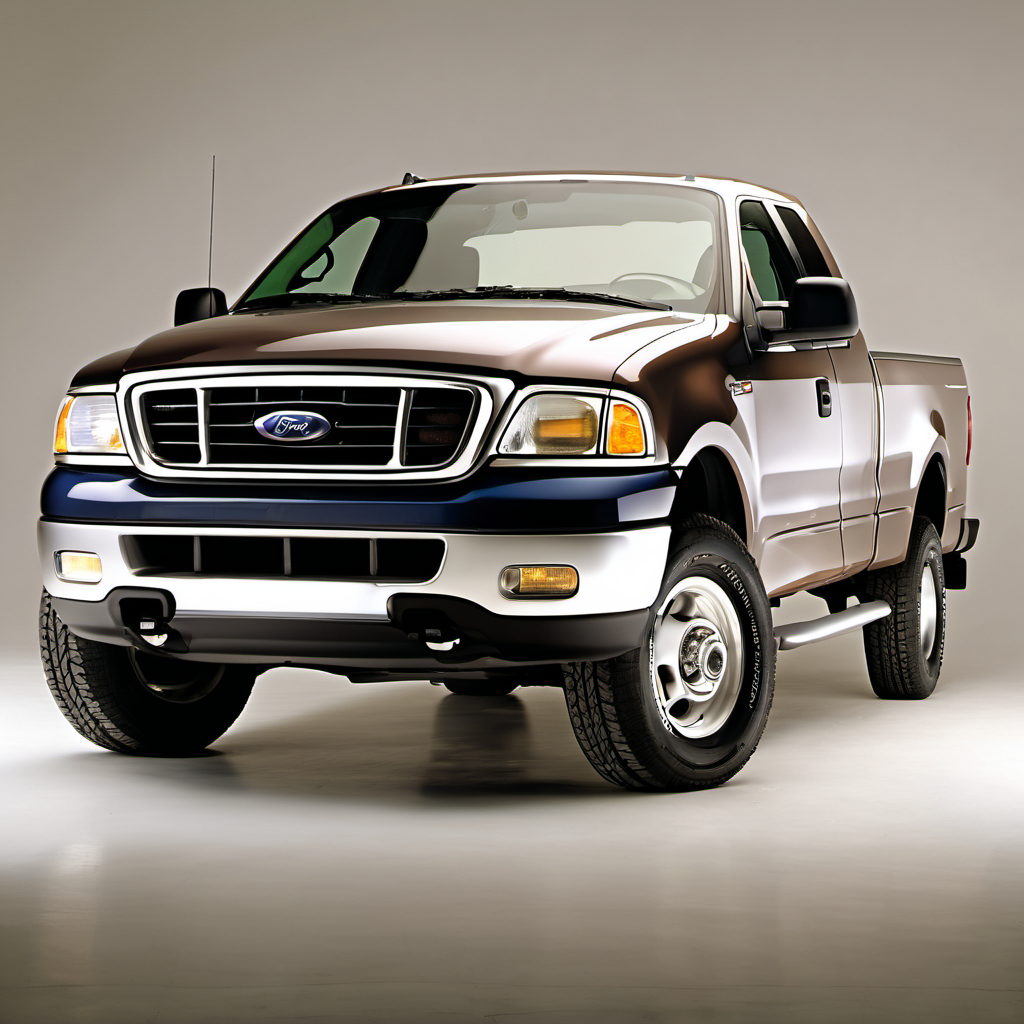
Direct competitor in the half-ton segment. The 5.4L Triton V8 offers similar capability; watch for spark plug ejection issues on the 5.4L that don't apply to the LQ4.
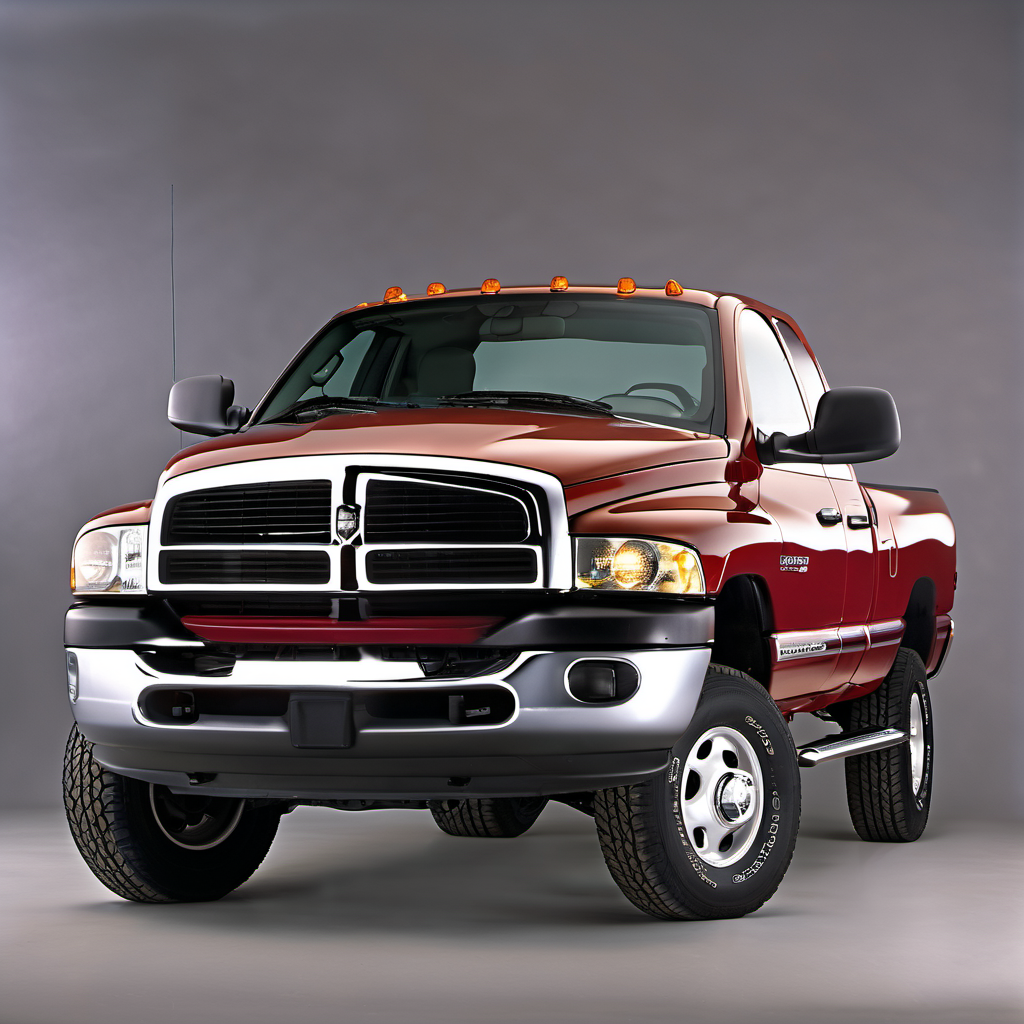
Similar era, similar capability. The 5.9L Magnum V8 is a solid engine; the Ram chassis is generally simpler but rust patterns in the Midwest are comparable.
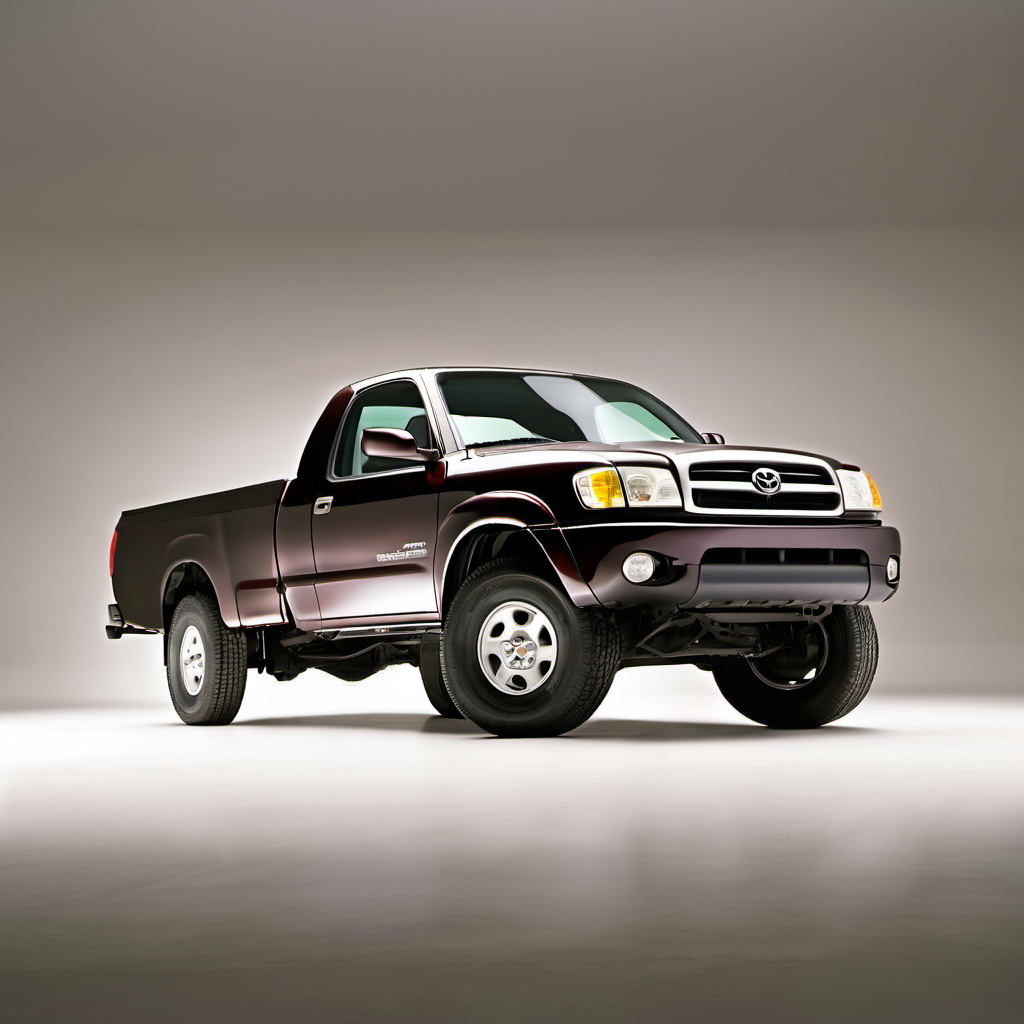
Lighter-duty in tow ratings but excellent long-term reliability. Better corrosion resistance from the factory; significantly less cargo/tow capacity than the 6.0L Silverado.
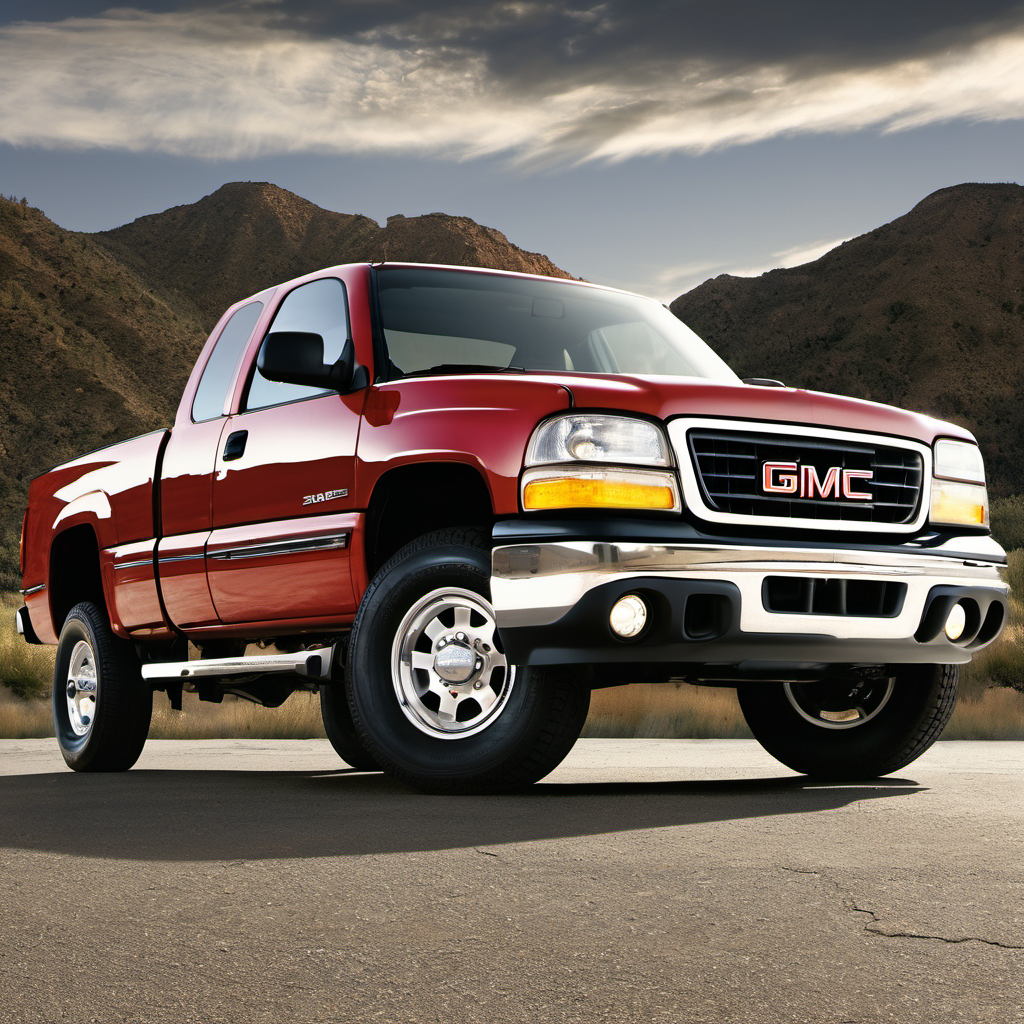
Mechanically identical to the Silverado — same platform, same engines, same drivetrain. The Sierra is sometimes priced slightly higher due to perceived premium trim. Parts are fully interchangeable.