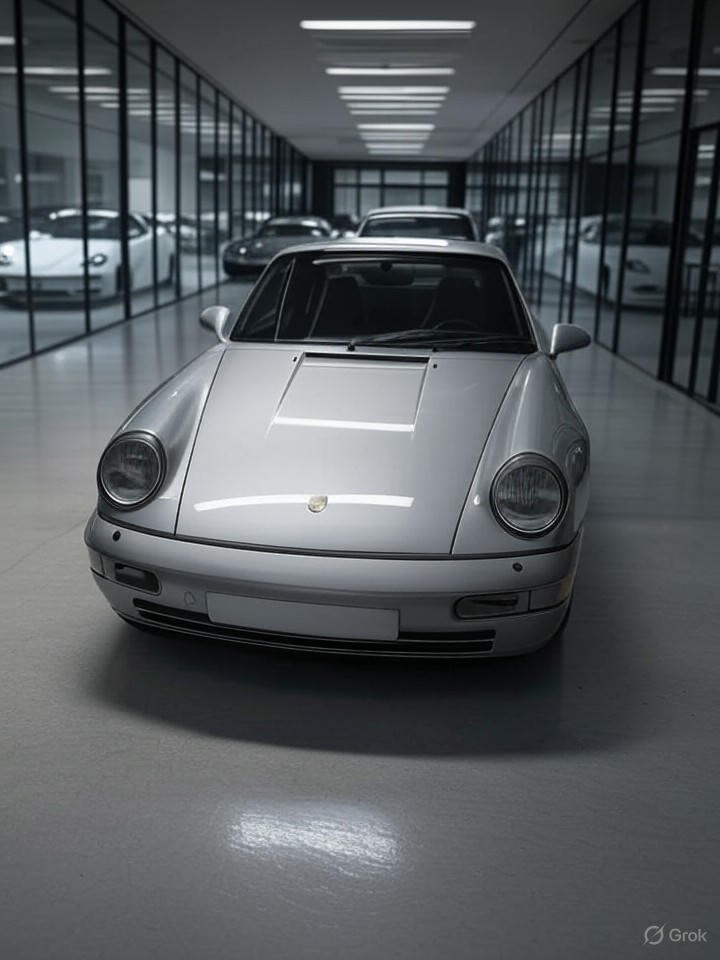
2000 Porsche 911 Coupe

2000 Porsche

911Coupe

Coupe

The 2000 Porsche 911 (996 generation, internal code 996.1) was a landmark — and somewhat controversial — chapter in 911 history. It was the first water-cooled 911, a major departure from the air-cooled cars that preceded it. Powered by a 3.4L flat-six producing 296 hp (Carrera), it delivered genuinely quick performance (0–60 in about 5 seconds) wrapped in a more refined, GT-touring-capable package than the 993 it replaced. The 996 offered a lower price of entry into the 911 family than any previous generation, and running costs were relatively manageable for a sports car — until they weren't. The engine's intermediate shaft (IMS) bearing and a tendency toward early rear main seal failures are well-documented and must be factored into any ownership plan or purchase decision. These are not urban myths; they are acknowledged failure modes with real financial consequences. For the right buyer — mechanically literate, budget-prepared, and in love with the driving experience — the 996 Carrera is one of the best performance values available in a used sports car. For someone wanting trouble-free ownership without budget reserves, it is a trap. Know what you're buying.

Reliability
3/5
Verified data
Specs shown for 911 Carrera — the most common configuration. Other trims may vary in engine, drivetrain, or fuel economy. Sign in to see your vehicle's exact specs.
Engine
[object Object]
Drivetrain
RWD
Fuel
Premium gasoline
MPG
15 city / 23 hwy / 18 combined
Seats
Doors
Body
Minicompact Cars

Overview

AI-curated

The 2000 Porsche 911 (996 generation, internal code 996.1) was a landmark — and somewhat controversial — chapter in 911 history. It was the first water-cooled 911, a major departure from the air-cooled cars that preceded it. Powered by a 3.4L flat-six producing 296 hp (Carrera), it delivered genuinely quick performance (0–60 in about 5 seconds) wrapped in a more refined, GT-touring-capable package than the 993 it replaced. The 996 offered a lower price of entry into the 911 family than any previous generation, and running costs were relatively manageable for a sports car — until they weren't. The engine's intermediate shaft (IMS) bearing and a tendency toward early rear main seal failures are well-documented and must be factored into any ownership plan or purchase decision. These are not urban myths; they are acknowledged failure modes with real financial consequences. For the right buyer — mechanically literate, budget-prepared, and in love with the driving experience — the 996 Carrera is one of the best performance values available in a used sports car. For someone wanting trouble-free ownership without budget reserves, it is a trap. Know what you're buying.

Known for
  • First water-cooled 911 — landmark engineering shift
  • Responsive 3.4L flat-six with a distinctive, mechanical exhaust note
  • Sharp, rear-engine handling with strong driver feedback
  • IMS bearing failure risk — the defining ownership concern of this generation
  • Shared Boxster interior components drew criticism from purists
Best for
  • Driving enthusiasts who do their homework before buying
  • Owners with a dedicated performance/weekend car budget
  • Buyers who can verify IMS bearing has been addressed
  • Those comfortable with independent Porsche specialist shops
Watch for
  • IMS (intermediate shaft) bearing failure — can destroy the engine without warning
  • Rear main seal oil leaks, often coinciding with IMS work
  • Coolant tube failures behind the cylinder heads causing overheating
  • High-mileage examples with no documented IMS bearing replacement or retrofit
  • Deferred maintenance by previous owners due to high Porsche dealer repair costs

Common issues by mileage

6 known

IMS (Intermediate Shaft) Bearing Failure

high
Typically appears
60–120k mi
Estimated repair
$3,500 – $8,500

Rear Main Seal (RMS) Oil Leak

high
Typically appears
40–100k mi
Estimated repair
$1,200 – $2,500

Coolant Pipe / Tube Failure Behind Cylinder Heads

medium
Typically appears
60–120k mi
Estimated repair
$800 – $2,000

Oil Separator / Crankcase Breather Failure (Oil Consumption, Rough Idle)

medium
Typically appears
50–100k mi
Estimated repair
$400 – $900

Oxygen Sensor / Heater Circuit Failure

medium
Typically appears
60–100k mi
Estimated repair
$200 – $600

Maintenance schedule

  1. 1
    Once — verify before purchase or do immediately upon acquisition IMS Bearing Retrofit (if not already done)

    This is the single most important service item on a 996. An updated bearing eliminates the primary engine-destruction risk. Confirm with documentation; if unknown, budget for it now. Often bundled with the rear main seal for labor savings.

  2. 2
    Once — ideally at same time as IMS retrofit Rear Main Seal Replacement

    Since the transmission must come out for IMS work, replacing the RMS at the same time costs relatively little in added parts but saves $1,000+ in labor if done separately later.

  3. 3
    Every 5,000–7,500 mi using a 0W-40 full-synthetic meeting Porsche A40 spec Engine Oil & Filter Change

    Clean oil is critical to IMS bearing and VarioCam system longevity. Do not stretch intervals on this engine. Check level at every fill-up — these engines can consume oil between changes.

  4. 4
    Every 2 years or 30k mi Coolant System Inspection (hoses, plastic pipes, reservoir)

    The plastic coolant pipes behind the cylinder heads are a known failure point. Overheating on this engine can be catastrophic and expensive. Replace proactively if brittle or original.

  5. 5
    Every 30,000 mi Spark Plug Replacement

    Flat-six engines have limited spark plug access; don't extend intervals. Worn plugs stress ignition coils and cause misfires.

  6. 6
    Every 2 years Brake Fluid Flush

    Porsche specifies this interval regardless of mileage. Brake fluid absorbs moisture over time, lowering its boiling point — critical on a performance car used on track or mountain roads.

  7. 7
    Every fall before winter storage or active winter use Battery Service / Load Test

    The 911's electronics and alarm system drain the battery during storage. Wisconsin winters accelerate battery degradation. A battery tender is strongly recommended during storage.

  8. 8
    Monthly and before any long drive Tire Inspection and Pressure Check

    The 996 runs staggered tires (wider rear) and is RWD. Cold Wisconsin temperatures drop pressure significantly. Proper inflation is critical to safe handling in this rear-heavy platform.

Always defer to the manufacturer's service manual for warranty-mandated intervals.

Cost of ownership

Annual maintenance
$1,500 – $4,500
Fuel
Premium (91+ octane) required. At mixed driving of ~10,000 mi/yr and 18 mpg combined, expect ~555 gallons/yr — roughly $1,900–$2,400/yr at current Midwest pump prices.
Insurance
Expect $1,200–$2,200/yr for a pleasure/weekend-use policy in the Lake Geneva area for a driver with a clean record. Year-round daily-driver use will cost more. Agreed-value collector car policies may be more affordable if mileage is low.

Annual maintenance on a well-sorted 996 runs $1,500–$4,500 at an independent Porsche specialist — more if deferred work is catching up. The big variable is IMS/RMS status: if that work hasn't been done, budget $3,500–$8,500 as an immediate expense. Ongoing routine care (oil, brakes, tires, coolant) is the affordable part. Parts costs are moderate when sourced correctly through independents; dealer pricing can be 30–50% higher. This is not a cheap car to own, but it is manageable if you go in prepared.
Seasonal care

Lake Geneva, WI
Winter
  • Do not daily-drive in Wisconsin salt and brine — underbody corrosion will attack the chassis, brake lines, and exhaust. Store from November through March if possible.
  • If driving in winter, rinse the undercarriage thoroughly after every salt exposure. The 996 has limited underbody corrosion protection by modern standards.
  • Use a quality battery tender during storage — the alarm/electronics draw is real and will kill a battery over a Wisconsin winter.
  • Switch to a winter-rated full synthetic oil (0W-40) if the car will be cold-started in sub-zero temperatures. Cold starts are harder on the IMS bearing.
  • Never skip a warm-up period in sub-zero temps — let oil pressure stabilize before revving. The flat-six's rear-mounted engine takes longer to reach operating temperature in extreme cold.
  • Check tire pressure before any cold-weather drive — RWD + low tire pressure in snow/ice is a serious handling hazard.
Summer
  • Monitor coolant temperature closely in heavy stop-and-go traffic — the rear-engine layout with limited airflow at idle is an overheating risk, especially if coolant pipes are aging.
  • Check tire pressure monthly; hot pavement raises pressures and staggered tires react differently. Refer to door placard for front/rear targets.
  • Inspect A/C system refrigerant and cabin filter before summer — the system is behind the front fascia and susceptible to road debris blockage.
  • After any spirited driving, allow the engine to idle 2–3 minutes before shutdown to prevent heat soak around the turbo (if applicable to Turbo trim) and to stabilize oil temps.
  • Use a sunshade and park in shade when possible — the large rear glass and black interior options can cause significant cabin heat buildup, stressing electronics.

Comparable vehicles

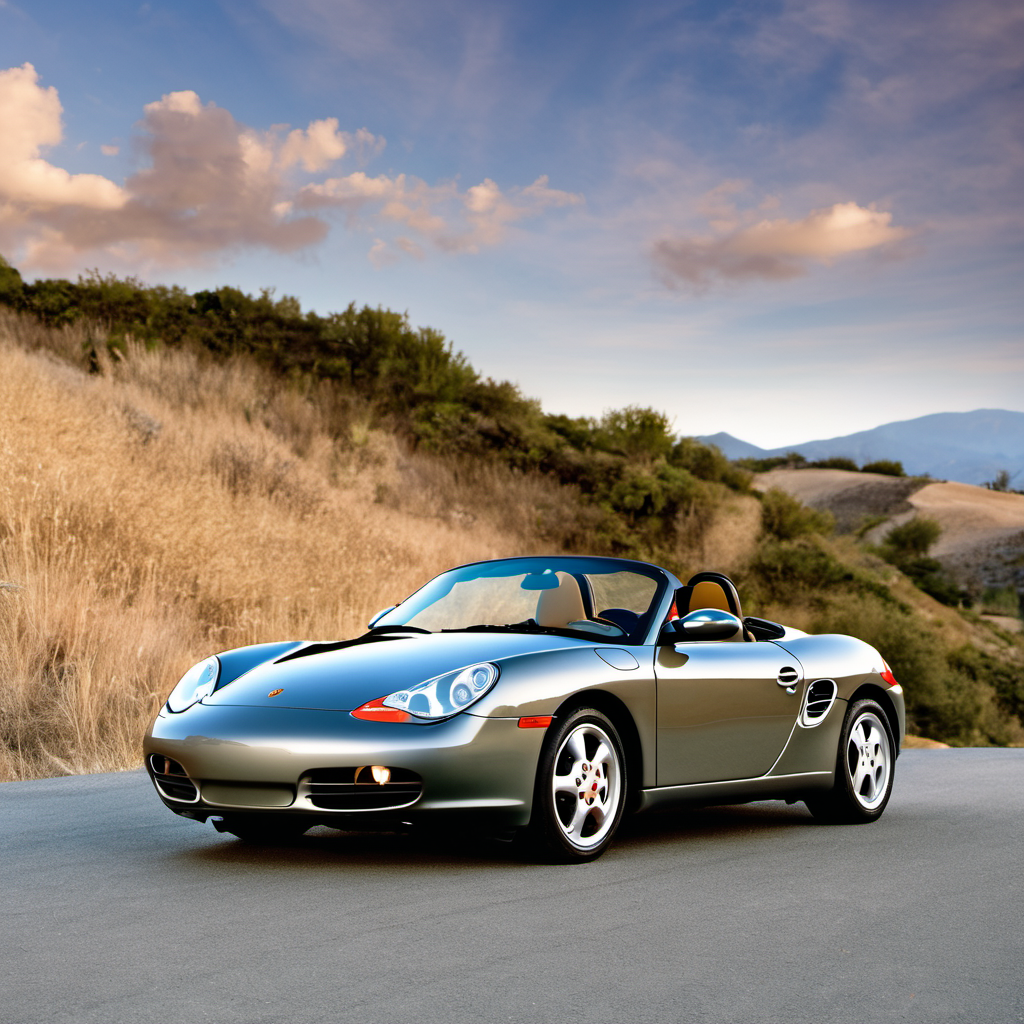
2000 Porsche Boxster
2000 Porsche
Boxster

Mid-engine Porsche platform sharing many 996 components, lower purchase and repair cost, similar driving character — good alternative if the 911 premium isn't the priority.
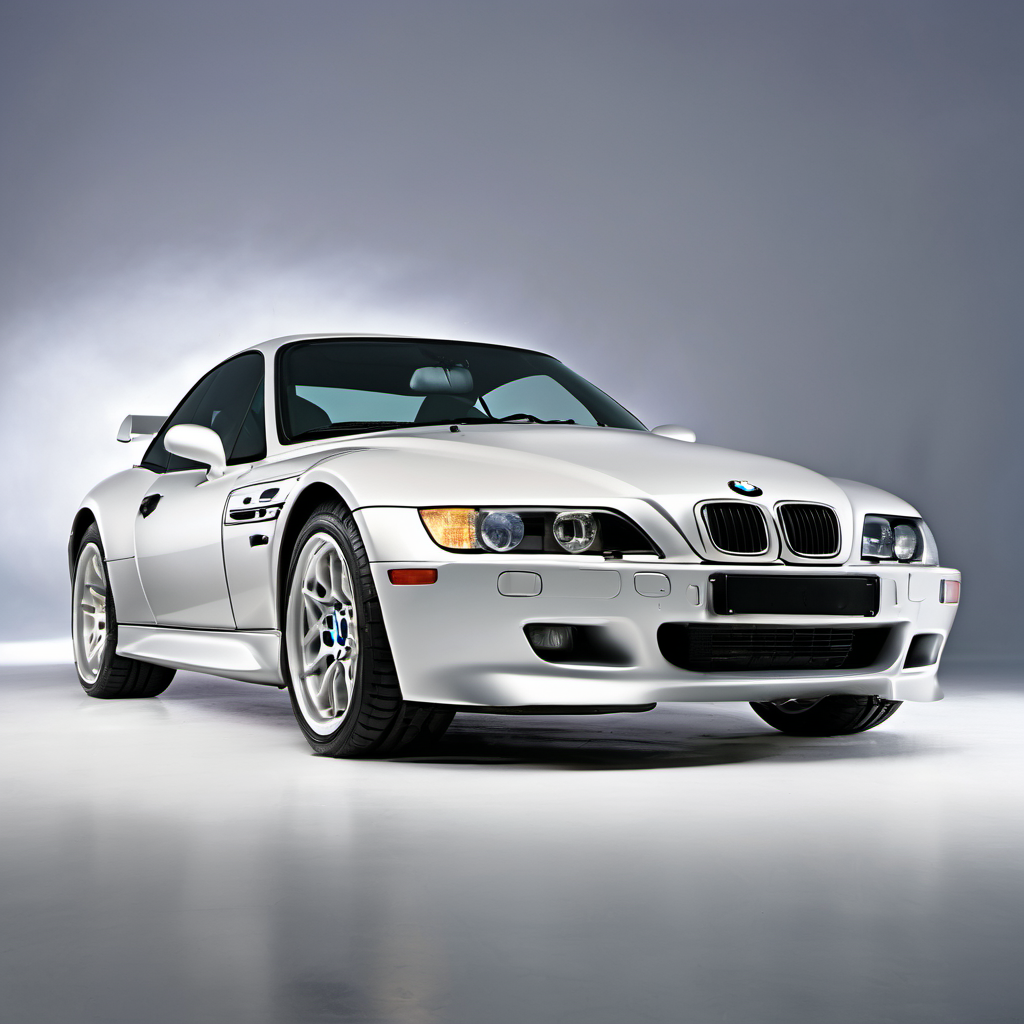
2000 BMW M3
2000 BMW
M3

E46 M3 offers comparable performance, more reliable ownership profile, lower parts costs, and a similarly engaging manual driving experience in a 2+2 layout.

2001 Honda
NSX

Mid-engine sports car in a similar era price range used; far superior long-term reliability, though significantly rarer and more expensive to source.

No catalog match
2000 Ferrari
360 Modena

Direct exotic competitor from the same era; higher purchase price and dramatically higher maintenance costs, but comparable performance cachet and a cleaner IMS-free ownership profile.

No catalog match

If you're shopping for one

Red flags
  • No IMS documentation whatsoever — walk away or price in the full $3,500–$8,500 retrofit cost immediately.
  • Evidence of overheating in history (warped coolant reservoir, white exhaust, milky oil).
  • Seller claims 'engine was rebuilt' without detailed paperwork — vague rebuild stories on 996s often follow IMS failure.
  • Oil consumption stated as 'normal for Porsche' without quantification — some consumption is normal; more than 1 qt per 1,000 mi warrants investigation.
  • Accident history involving the rear of the car — the engine, transaxle, and suspension are all rear-mounted and expensive to repair correctly.
  • Rust on brake lines, subframe, or undercarriage — signs of Wisconsin or similar salt-state use without proper care.
What to inspect
  • Demand documented proof of IMS bearing retrofit — this is non-negotiable. Acceptable documentation is a shop invoice with part number and mileage.
  • Check for rear main seal replacement records — ideally done alongside IMS work.
  • Inspect all coolant hoses and the plastic pipes behind each cylinder head for brittleness, swelling, or weeping.
  • Look for oil in the coolant reservoir (milky residue = possible head gasket issue) and coolant in the oil (frothy dipstick).
  • Have a pre-purchase inspection done by an independent Porsche specialist, not a general mechanic — PPI should include a compression/leak-down test.
  • Check for any oil weeping around the rear of the engine visible from below — RMS leaks often soak the bellhousing area.
  • Verify the VarioCam system operates correctly — listen for any ticking or rattling at cold start that clears with warm-up.
  • Test all electronics: windows, HVAC, PSM (stability system), instrument cluster — repairs are labor-intensive and parts can be scarce.
AI profile generated 4 days ago · claude-sonnet-4-6 · v2.