Head Gasket Failure (4.0L V8)
high- Typically appears
- 60–120k mi
- Estimated repair
- $1,800 – $3,500
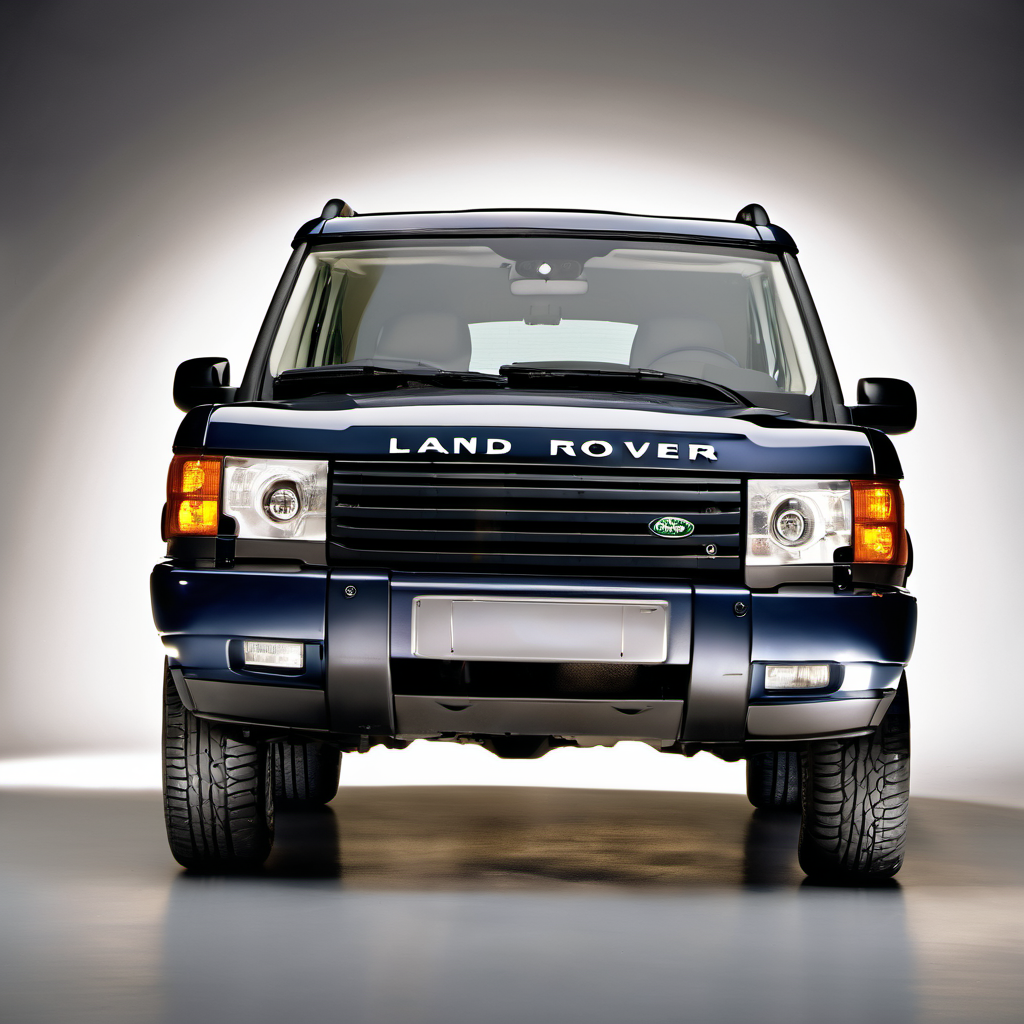
2000 Land Rover
4.0L V8 · SUV
The 2000 Land Rover Discovery Series II is a body-on-frame, three-row British SUV that carried forward the original Discovery's off-road DNA while adding more refinement and standard four-wheel drive. Built on a ladder frame with coil-spring suspension at all four corners, it was genuinely capable in the rough — at a time when most competitors were going soft-roader. Land Rover equipped it with a sophisticated (for the era) four-wheel drive system including low-range and rear air suspension as standard, making it a legitimate trail vehicle that could also serve as family transport. The flip side of that sophistication is complexity, and the Series II has a well-documented reputation for costly repairs. Electrical gremlins, cooling system failures, and an infamous tendency toward head gasket problems have made it a maintenance-intensive vehicle. Parts are available but often expensive, and labor costs add up fast because many repairs require significant disassembly. A well-maintained Series II owned by someone who stays ahead of the cooling system and doesn't defer maintenance can still be a rewarding, capable vehicle. A neglected example — especially one with deferred cooling work — can quickly become a money pit. Know what you're buying into before committing.
The 2000 Land Rover Discovery Series II is a body-on-frame, three-row British SUV that carried forward the original Discovery's off-road DNA while adding more refinement and standard four-wheel drive. Built on a ladder frame with coil-spring suspension at all four corners, it was genuinely capable in the rough — at a time when most competitors were going soft-roader. Land Rover equipped it with a sophisticated (for the era) four-wheel drive system including low-range and rear air suspension as standard, making it a legitimate trail vehicle that could also serve as family transport. The flip side of that sophistication is complexity, and the Series II has a well-documented reputation for costly repairs. Electrical gremlins, cooling system failures, and an infamous tendency toward head gasket problems have made it a maintenance-intensive vehicle. Parts are available but often expensive, and labor costs add up fast because many repairs require significant disassembly. A well-maintained Series II owned by someone who stays ahead of the cooling system and doesn't defer maintenance can still be a rewarding, capable vehicle. A neglected example — especially one with deferred cooling work — can quickly become a money pit. Know what you're buying into before committing.
The 4.0L V8 is extremely sensitive to cooling system neglect. A cracked overflow bottle or stuck thermostat is often the first step toward a blown head gasket. Use only the correct pink/OAT coolant specified by Land Rover.
The Rover V8 tolerates dirty oil poorly. Short change intervals also help catch early signs of coolant intrusion (milky oil = head gasket trouble).
ACE pump failure is common; low fluid accelerates wear. Check for hose weeping at fittings around the front subframe.
Cold Wisconsin winters are hard on air bag rubber. A sagging rear end usually means a failed bag or a burned-out compressor. Catching it early prevents collateral damage.
Lake Geneva road salt is brutal on the steel lines running under the frame. A failed brake line is a serious safety hazard and far cheaper to catch early.
The Series II's electrical system is voltage-sensitive. A weak battery at sub-zero temps can trigger a cascade of spurious fault codes and module resets.
These units are often forgotten. Contaminated fluid leads to bearing wear. Use only Land Rover-specified fluids — incorrect lubricants cause viscous coupling problems.
The Rover V8 is sensitive to misfires; worn plugs or cracked leads will cause rough running and can stress the catalytic converters. Access is awkward — budget extra labor time.
Always defer to the manufacturer's service manual for warranty-mandated intervals.
This is not a cheap vehicle to own despite its modest market value. Routine maintenance is straightforward but parts are pricey, and the Series II has enough known failure points that you should budget for at least one significant repair every 1–2 years. A contingency fund of $1,500–$2,000 beyond routine maintenance is prudent. A low-priced example that hasn't had cooling system work done is not a bargain — it's a deferred bill.
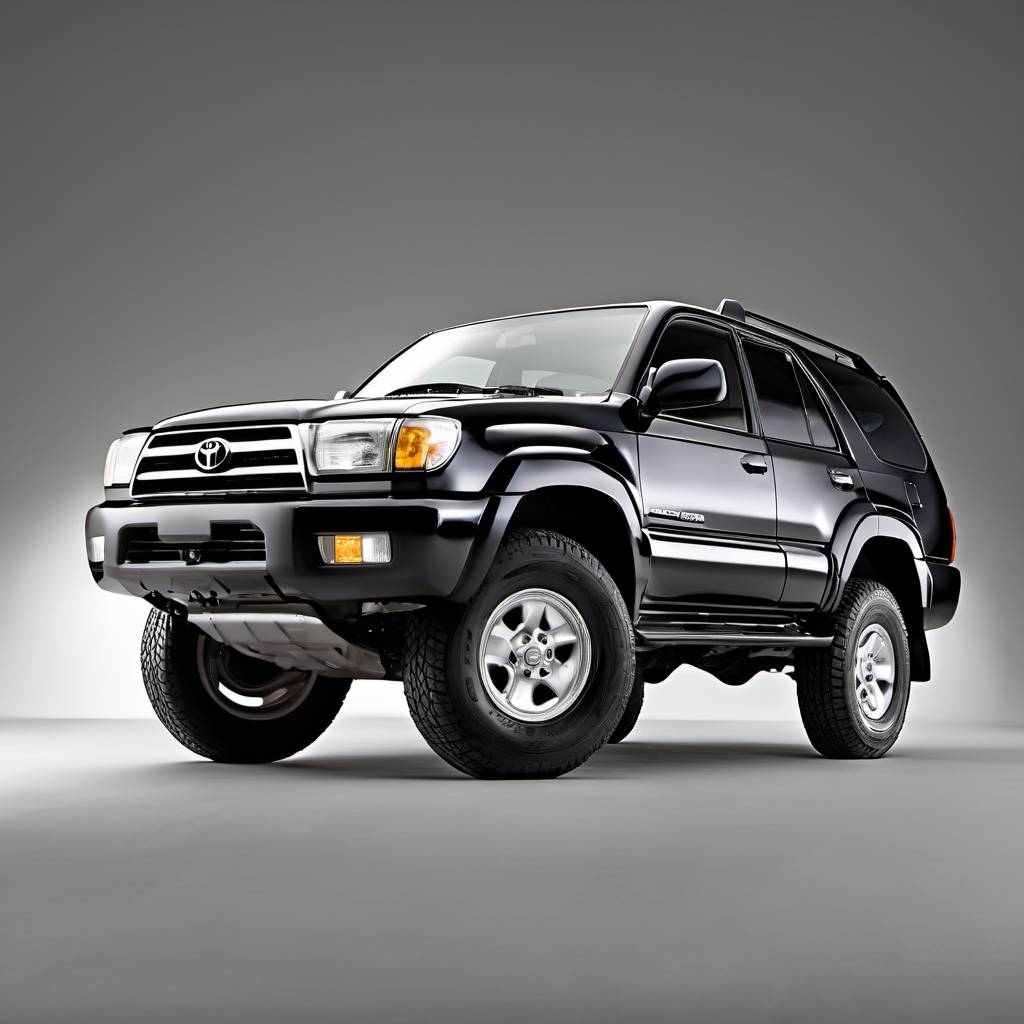
Same era, same 4WD mission, similar 3-row option. The 4Runner is significantly more reliable and cheaper to maintain while offering comparable off-road capability.
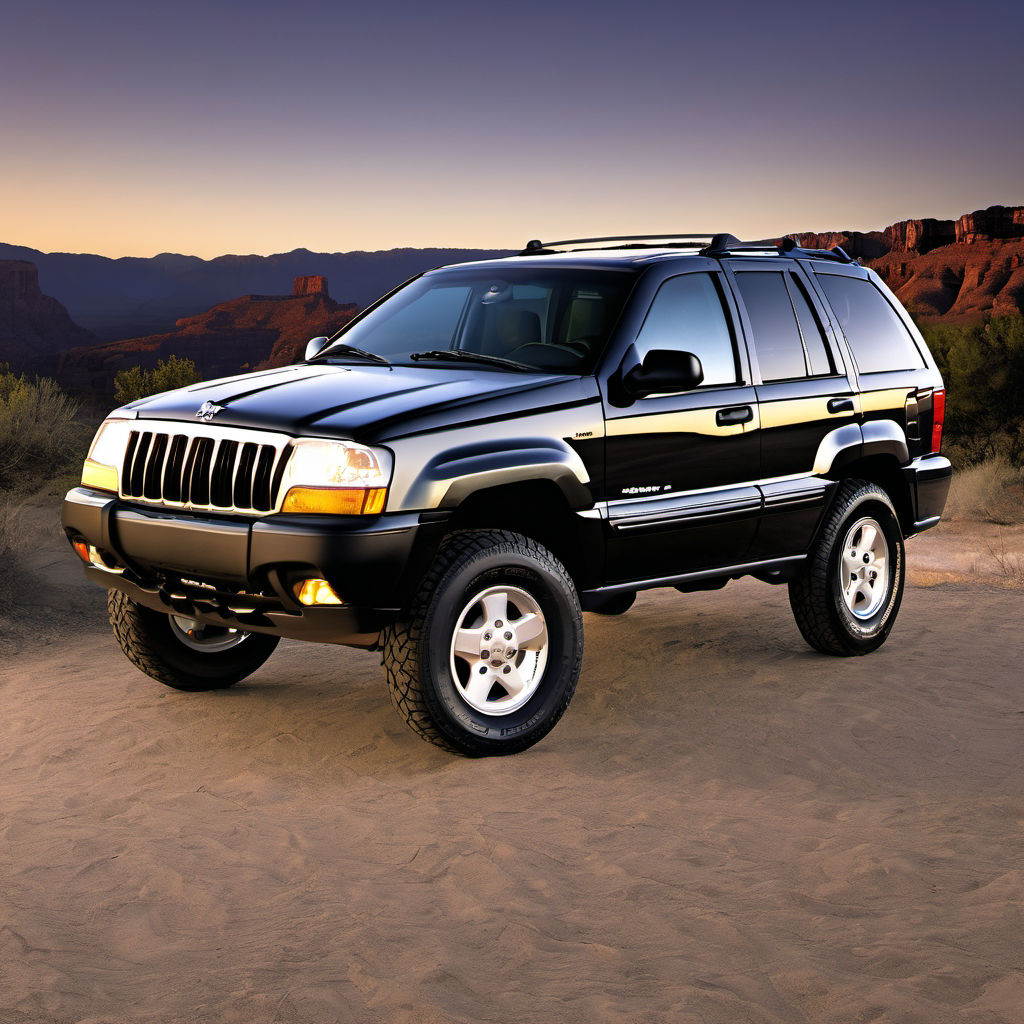
Direct competitor in the mid-size 4WD SUV segment. More common, cheaper parts, and easier to find a competent mechanic — though the WJ generation has its own issues.
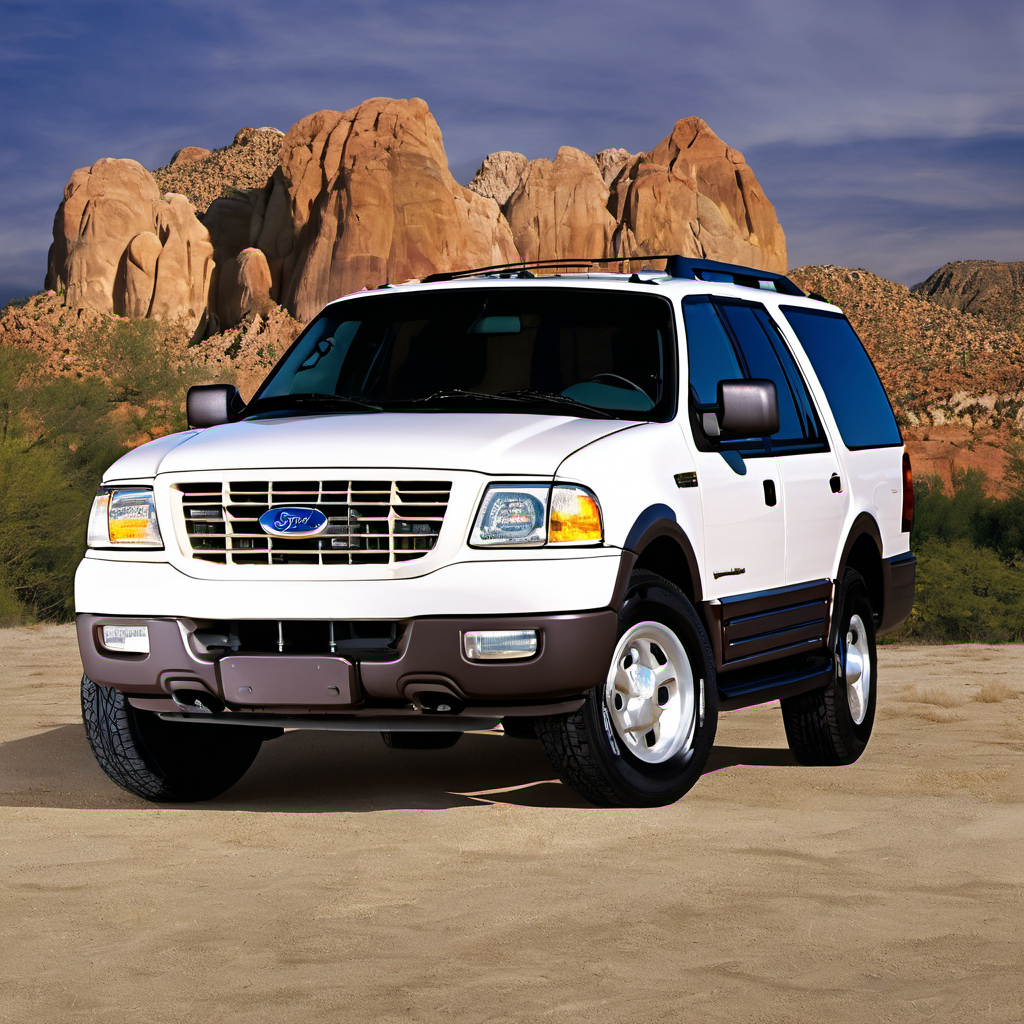
If 3-row seating is a priority, the Expedition offers more room, a more reliable V8, and vastly lower ownership costs, though it's less capable off-road.
Similar premium-European SUV appeal and price point from the same era. Also has reliability concerns but a stronger dealer/parts network than Land Rover.
No catalog match