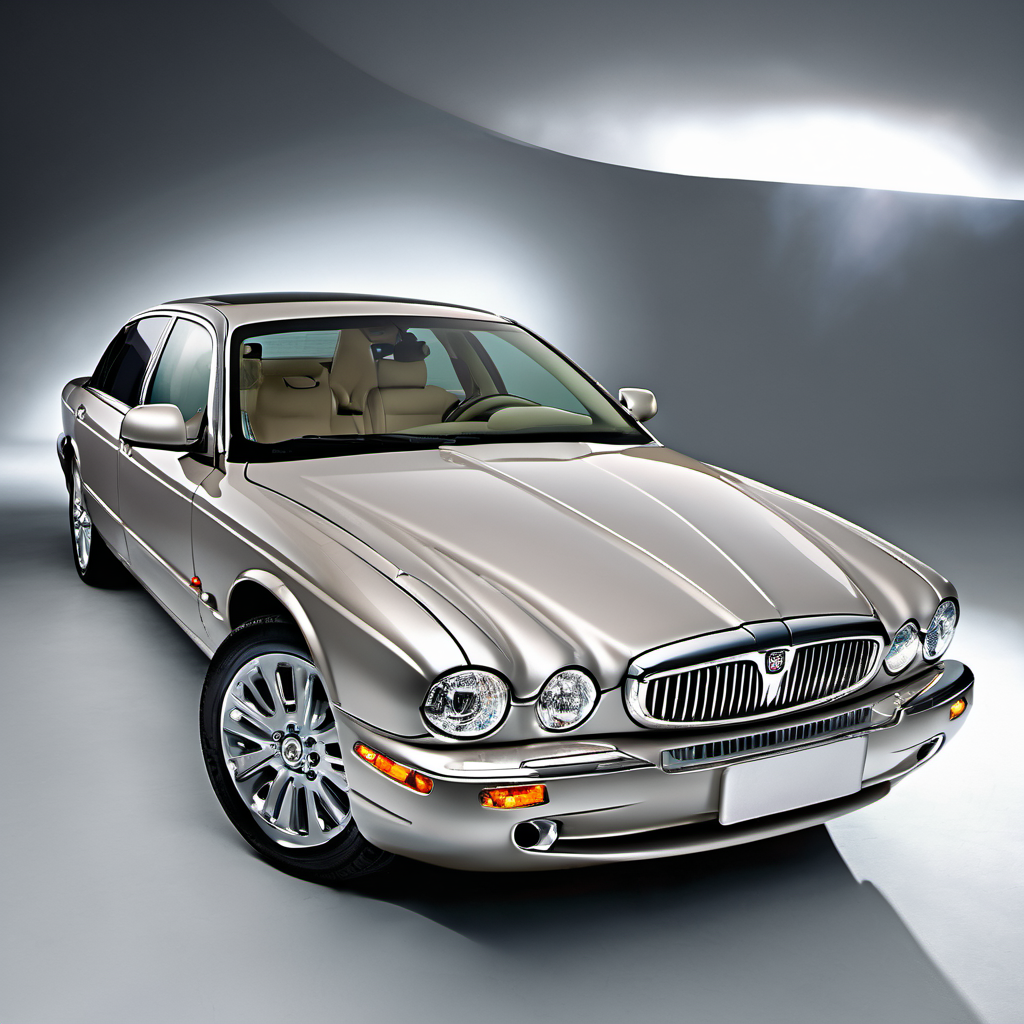
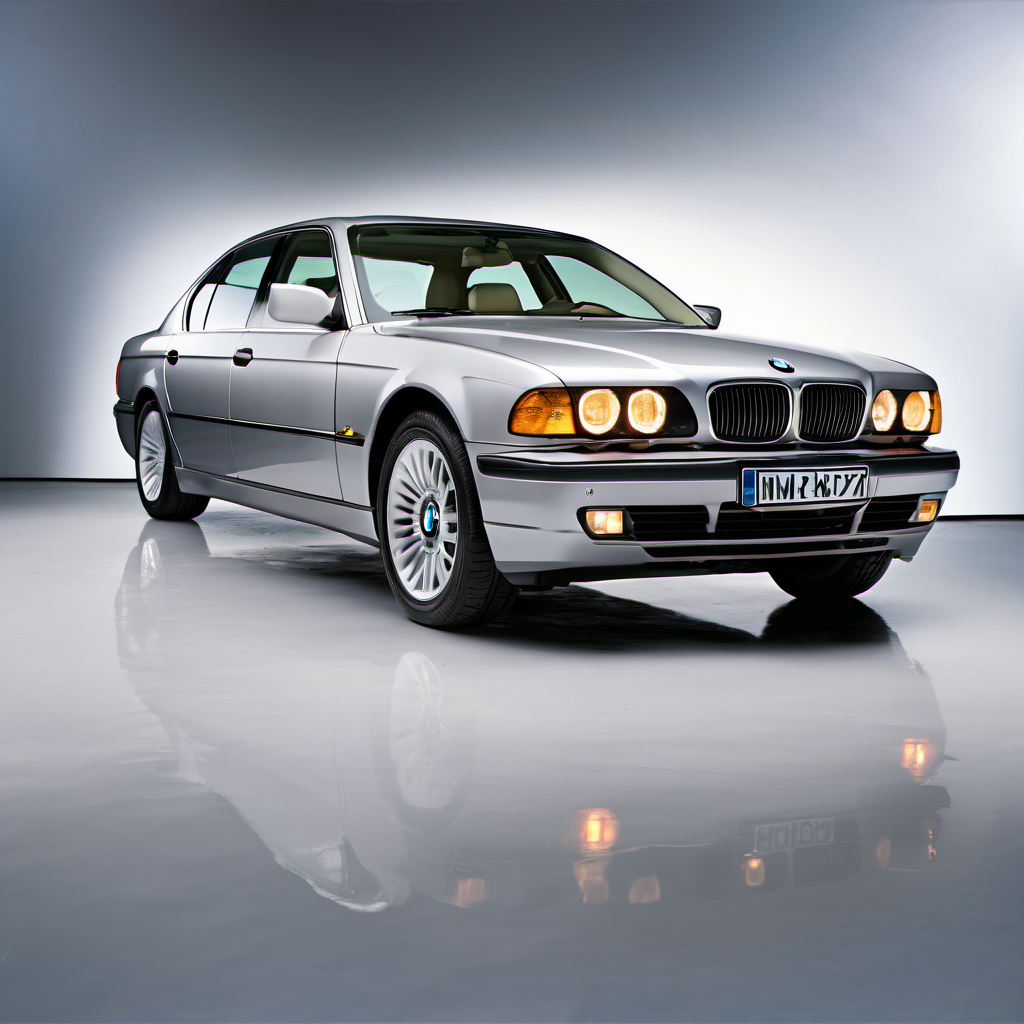
2000 Jaguar XJ Sedan

2000 Jaguar

XJSedan

Sedan

The 2000 Jaguar XJ is the final model year of the third-generation (X308) body style, powered by a 4.0L AJ-V8 engine. It represents the tail end of Ford's early ownership of Jaguar, a period that brought improved reliability over prior eras but still carried significant electrical and mechanical complexity. The XJ8 (naturally aspirated) and XJR (supercharged) were the two main variants; this vehicle is the standard XJ8 configuration. As a full-size rear-wheel-drive luxury sedan, the XJ offers genuinely supple ride quality, a wood-and-leather interior, and a soundtrack from the V8 that few competitors match at any price. However, it demands an owner who understands that luxury British iron from this era has real ownership costs, and deferred maintenance compounds quickly. For a buyer in the upper Midwest, this car requires honest preparation: corrosion on aging brake and fuel lines is a legitimate concern, the electrical system is aging, and finding a shop familiar with Jaguar's OBDII architecture is non-trivial outside major metro areas. Budget accordingly and enjoy it for what it is — a distinctive, rewarding driver's car when properly maintained.

Reliability
2/5
Verified data
Specs shown for XJ8 — the most common configuration. Other trims may vary in engine, drivetrain, or fuel economy. Sign in to see your vehicle's exact specs.
Engine
[object Object]
Drivetrain
RWD
Fuel
Premium gasoline
MPG
15 city / 22 hwy / 18 combined
Seats
Doors
Body
Compact Cars

Overview

AI-curated

The 2000 Jaguar XJ is the final model year of the third-generation (X308) body style, powered by a 4.0L AJ-V8 engine. It represents the tail end of Ford's early ownership of Jaguar, a period that brought improved reliability over prior eras but still carried significant electrical and mechanical complexity. The XJ8 (naturally aspirated) and XJR (supercharged) were the two main variants; this vehicle is the standard XJ8 configuration. As a full-size rear-wheel-drive luxury sedan, the XJ offers genuinely supple ride quality, a wood-and-leather interior, and a soundtrack from the V8 that few competitors match at any price. However, it demands an owner who understands that luxury British iron from this era has real ownership costs, and deferred maintenance compounds quickly. For a buyer in the upper Midwest, this car requires honest preparation: corrosion on aging brake and fuel lines is a legitimate concern, the electrical system is aging, and finding a shop familiar with Jaguar's OBDII architecture is non-trivial outside major metro areas. Budget accordingly and enjoy it for what it is — a distinctive, rewarding driver's car when properly maintained.

Known for
  • Smooth, quiet ride rivaling much newer luxury sedans
  • 4.0L AJ-V8 with strong mid-range torque and a distinctive exhaust note
  • Beautifully appointed wood and leather interior
  • Distinctly British styling that ages gracefully
Best for
  • Highway cruising and long-distance comfort
  • Enthusiasts who enjoy wrenching on or learning a classic British luxury car
  • Buyers who want premium presence at a fraction of new-car cost
  • Owners with access to a Jaguar-familiar independent shop
Watch for
  • High ownership costs relative to purchase price — parts and labor are expensive
  • Complex Bosch Motronic electronics that age poorly and are hard to diagnose cheaply
  • Air suspension (on XJ Sport models) notorious for compressor and bag failures
  • Coolant system leaks and overheating if cooling components are not regularly renewed
  • Body seals and sunroof drains that clog and allow water intrusion into the cabin

Common issues by mileage

6 known

Cooling system failure (thermostat housing, coolant hoses, overflow tank)

high
Typically appears
60–120k mi
Estimated repair
$400 – $1,200

Air suspension compressor and air spring failure (if equipped)

high
Typically appears
80–150k mi
Estimated repair
$600 – $2,000

Camshaft position sensor and variable valve timing faults

medium
Typically appears
70–130k mi
Estimated repair
$300 – $900

Oxygen sensor heater circuit failure

medium
Typically appears
80–140k mi
Estimated repair
$200 – $600

Electrical gremlins — window regulators, door lock actuators, instrument cluster

high
Typically appears
Any mileage on a 24-year-old car
Estimated repair
$200 – $1,500

ZF 5-speed automatic transmission solenoid wear and fluid degradation

medium
Typically appears
100–160k mi
Estimated repair
$500 – $3,500

Maintenance schedule

  1. 1
    Every 5,000–7,500 mi Engine oil and filter change using 5W-30 full synthetic

    The AJ-V8's variable valve timing components are oil-pressure sensitive. Sludge from extended intervals is a leading cause of camshaft timing faults and solenoid failures.

  2. 2
    Every 30,000 mi or 2 years Full coolant flush and thermostat housing inspection

    The plastic thermostat housing and coolant overflow tank crack with age. Fresh coolant maintains proper inhibitor protection and prevents internal corrosion that clogs the radiator.

  3. 3
    Every 60,000 mi Spark plugs and ignition coil-on-plug inspection

    Worn plugs cause misfires and put stress on the coil packs, which are expensive on this engine. Access is tight on the rear bank — do all eight at once.

  4. 4
    Every 2 years Brake fluid flush

    Hygroscopic DOT 4 fluid absorbs moisture over time. In Wisconsin winters, degraded fluid raises the risk of brake fade and internal caliper corrosion.

  5. 5
    Every 30,000 mi or when sluggish ZF automatic transmission fluid service

    Jaguar listed this fluid as 'lifetime' but independent shops consistently see transmission wear accelerate beyond 100k mi without fluid changes. Use approved ZF fluid only.

  6. 6
    Annually — fall Inspect and clear sunroof drains and reseal door/trunk weatherstripping

    Clogged drains dump water into the footwells and trunk, soaking wiring harnesses and ECU modules. Water damage is one of the most expensive problems on these cars.

  7. 7
    Annually — fall Inspect underbody brake lines, fuel lines, and suspension components for corrosion

    Wisconsin road salt is brutal. Steel brake and fuel lines on a 24-year-old car can be paper-thin. A visual inspection every fall can prevent a catastrophic failure.

  8. 8
    Every 2 years or as needed Battery load test and terminal cleaning

    Cold cranking a V8 luxury sedan in sub-zero temps demands a strong battery. The extensive electronics on this car are sensitive to low voltage and can throw false fault codes when the battery weakens.

Always defer to the manufacturer's service manual for warranty-mandated intervals.

Cost of ownership

Annual maintenance
$1,500 – $4,000
Fuel
Premium unleaded required. At 18 MPG combined and ~15,000 mi/yr, expect $2,400–$3,000/yr at current Midwest premium prices.
Insurance
Moderate to high for a 24-year-old luxury/performance sedan. Expect $900–$1,600/yr for full coverage depending on driver profile and insurer.

The XJ costs very little to buy but real money to keep. Parts are expensive and not all shops will touch it — factor in finding a Jaguar-knowledgeable independent mechanic. A routine year with fluid services and minor repairs runs $1,500–$2,500. A year with a cooling system job, suspension work, or electrical diagnosis can easily hit $4,000+. Budget a contingency fund and never defer maintenance on this car.
Seasonal care

Lake Geneva, WI
Winter
  • Test the battery with a load tester every fall — cold cranking a 4.0L V8 at -10°F with aging electronics will expose any weakness fast.
  • Switch to full synthetic 5W-30 if not already using it; conventional oil thickens noticeably in sub-zero temperatures and delays oil pressure to VVT components on cold starts.
  • Flush and refill washer fluid reservoir with a -20°F or colder rated fluid before first freeze — the reservoir on this car is large and diluting leftover summer fluid is not adequate.
  • Inspect underbody annually for road salt corrosion on brake lines, fuel lines, and subframe mounting points before winter starts.
  • Avoid automated car washes with high-pressure undercarriage blasts on a car this age — hand wash or touchless only, and rinse the undercarriage after heavy salt exposure.
  • If the car sits outdoors, use a trickle charger (battery tender) during extended cold spells to prevent the battery from dropping and triggering electrical faults across the car's many modules.
Summer
  • Inspect A/C system performance — the R-134a system on these cars is 24 years old and refrigerant loss through aged seals is common. A weak A/C in a dark leather interior gets uncomfortable fast.
  • Check tire pressure monthly: heat increases pressure roughly 1 PSI per 10°F, and over-inflation on aged tires raises blowout risk on summer highway runs.
  • Monitor coolant temperature gauge closely on hot days, especially in stop-and-go traffic. The aging cooling system on this car is prone to running warm; address any signs of creeping temperature immediately.
  • Park in shade when possible — UV exposure accelerates cracking of the dashboard top pad and wood veneer trim, which are irreplaceable or very expensive to restore.

Comparable vehicles

If you're shopping for one

Red flags
  • No service records — on a car this complex and this old, unknown history is a serious liability.
  • Any evidence of overheating in the service history or a replaced head gasket — the AJ-V8 does not tolerate overheating well.
  • Musty cabin or wet carpet — water intrusion repairs on this car can involve module replacement and are rarely cheap.
  • Air suspension that sits low on one corner or bounces the car to level on startup — compressors and bags on these cars are expensive and often fail in sets.
  • Smoke at startup or on deceleration — oil consumption or seal failure in the engine is a costly repair on this platform.
  • A very low asking price with no explanation — these cars are almost never cheap to fix, and a suspiciously low price usually means the seller knows something.
What to inspect
  • Pull the coolant overflow tank — discoloration, residue, or low level points to a neglected cooling system that may already have internal damage.
  • Check all four corners of the car with the engine running for air suspension sag or uneven ride height if equipped.
  • Open every door and window, work every lock and the sunroof — electrical actuator failures are common and each one is a separate repair cost.
  • Look at the footwell carpets and trunk liner for any dampness, staining, or musty smell indicating water intrusion from clogged sunroof drains or failed body seals.
  • Verify the transmission shifts cleanly through all gears with no slipping, shudder, or delay — ZF transmission rebuilds are expensive.
  • Scan for fault codes before purchase. A clean scan on a 24-year-old Jaguar is a meaningful positive sign; multiple stored or pending codes warrant serious price negotiation or walking away.
AI profile generated 4 days ago · claude-sonnet-4-6 · v2.