VVT / Camshaft Timing System Faults
high- Typically appears
- 60,000–120,000 mi
- Estimated repair
- $300 – $900
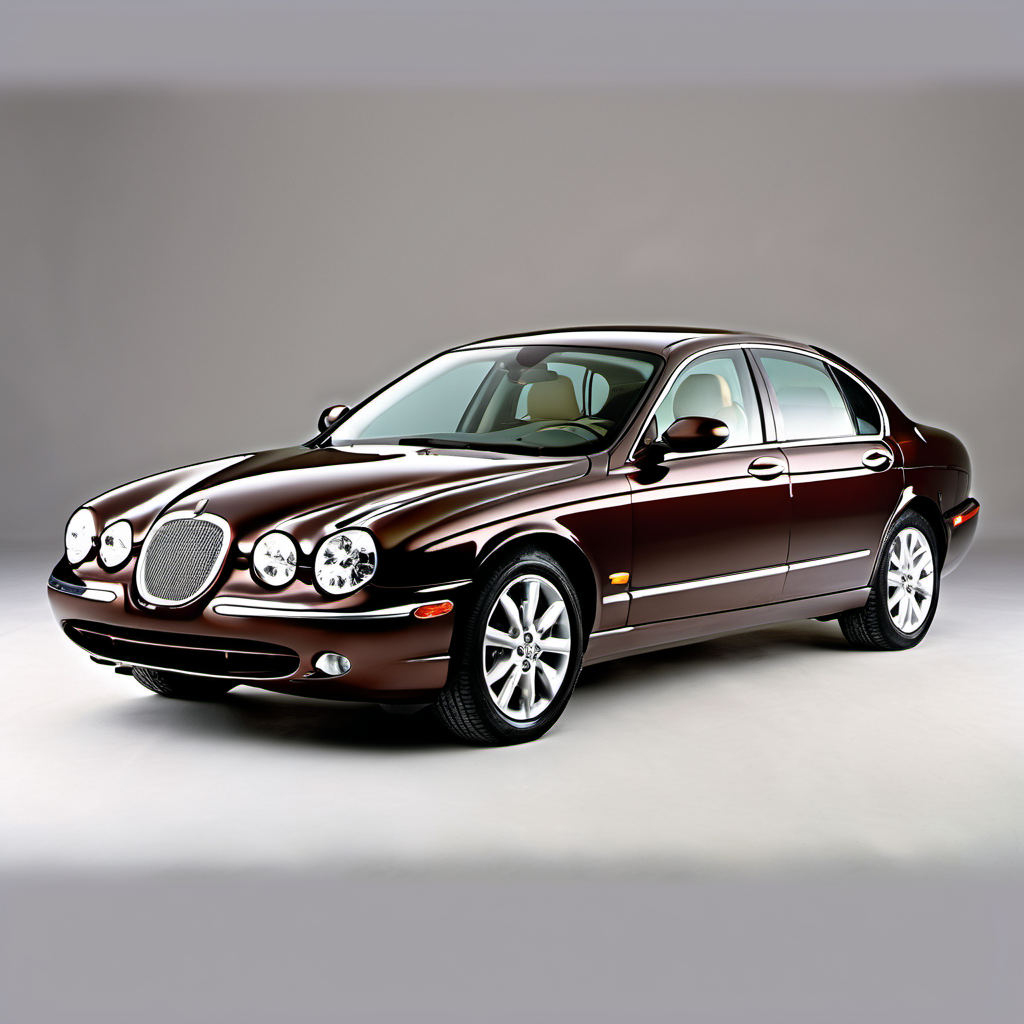
2000 Jaguar
Sedan
The 2000 Jaguar S-Type was a significant re-entry for Jaguar into the mid-size luxury sports sedan segment — a nameplate revival after a 35-year hiatus. Built on a platform shared with the Lincoln LS and developed under Ford's ownership, it blended classic Jaguar styling cues (the rounded fastback roofline, oval grille) with modern underpinnings. The 3.0L V6 was the entry-level powertrain, paired with a 5-speed automatic sourced from Ford/ZF. As a first-year model, the 2000 S-Type carries the reliability baggage typical of clean-sheet launches: electrical gremlins, early transmission issues, and cooling system quirks were documented widely in the first two model years. It's a car that rewards owners who stay on top of maintenance and budget for European luxury running costs — and punishes those who don't. Today, these are low-value, high-cost-to-own vehicles. Parts availability has thinned, independent shops familiar with Jaguar electronics are important to find, and deferred maintenance on a used example can quickly exceed the car's market value. Buy one for the driving experience with eyes wide open about the wallet.
The 2000 Jaguar S-Type was a significant re-entry for Jaguar into the mid-size luxury sports sedan segment — a nameplate revival after a 35-year hiatus. Built on a platform shared with the Lincoln LS and developed under Ford's ownership, it blended classic Jaguar styling cues (the rounded fastback roofline, oval grille) with modern underpinnings. The 3.0L V6 was the entry-level powertrain, paired with a 5-speed automatic sourced from Ford/ZF. As a first-year model, the 2000 S-Type carries the reliability baggage typical of clean-sheet launches: electrical gremlins, early transmission issues, and cooling system quirks were documented widely in the first two model years. It's a car that rewards owners who stay on top of maintenance and budget for European luxury running costs — and punishes those who don't. Today, these are low-value, high-cost-to-own vehicles. Parts availability has thinned, independent shops familiar with Jaguar electronics are important to find, and deferred maintenance on a used example can quickly exceed the car's market value. Buy one for the driving experience with eyes wide open about the wallet.
The AJ-V6 VVT system is oil-cleanliness-dependent. Extended drain intervals or conventional oil accelerate sludge buildup and will trigger VVT codes (P0012, P0022 range). Use the correct viscosity — do not substitute.
Plastic cooling components age poorly. Inspect the overflow tank, hoses, and thermostat housing at each flush. OAT-compatible coolant only — mixing types accelerates corrosion.
Often neglected on luxury cars. Fresh fluid restores shift quality and extends solenoid life. Use only the fluid type specified for this ZF-based 5-speed — incorrect fluid causes shift problems.
Ignition misfires are harder on the catalytic converters and O2 sensors on this engine. Staying current on plugs prevents downstream expense.
Belt and tensioner failure leaves you stranded. Tensioners on aging Jaguars can seize without audible warning — replace the tensioner when replacing the belt.
DOT 4 fluid absorbs moisture over time, lowering boiling point. Wisconsin salt seasons accelerate corrosion in brake calipers and lines. Fresh fluid protects the ABS module and caliper pistons.
Road salt in Lake Geneva winters attacks brake lines, suspension bushings, and subframe hardware. Catching rust on brake lines before they fail is a safety imperative.
The S-Type's multiple electronic modules draw parasitic current and punish a weak battery. Sub-zero Wisconsin starts on a marginal battery will strand you. A battery over 4 years old should be load-tested, not just voltage-checked.
Always defer to the manufacturer's service manual for warranty-mandated intervals.
This is a low purchase-price car with European luxury running costs. Routine maintenance alone (oil, brakes, fluids) runs $1,200–$1,800/year at an independent shop. Any unplanned repair — cooling system, electrical module, transmission work — can easily add $500–$2,500 in a single visit. Budget conservatively: assume at least one significant unplanned repair per year on a vehicle of this age. Parts sourcing can delay repairs due to limited aftermarket supply.
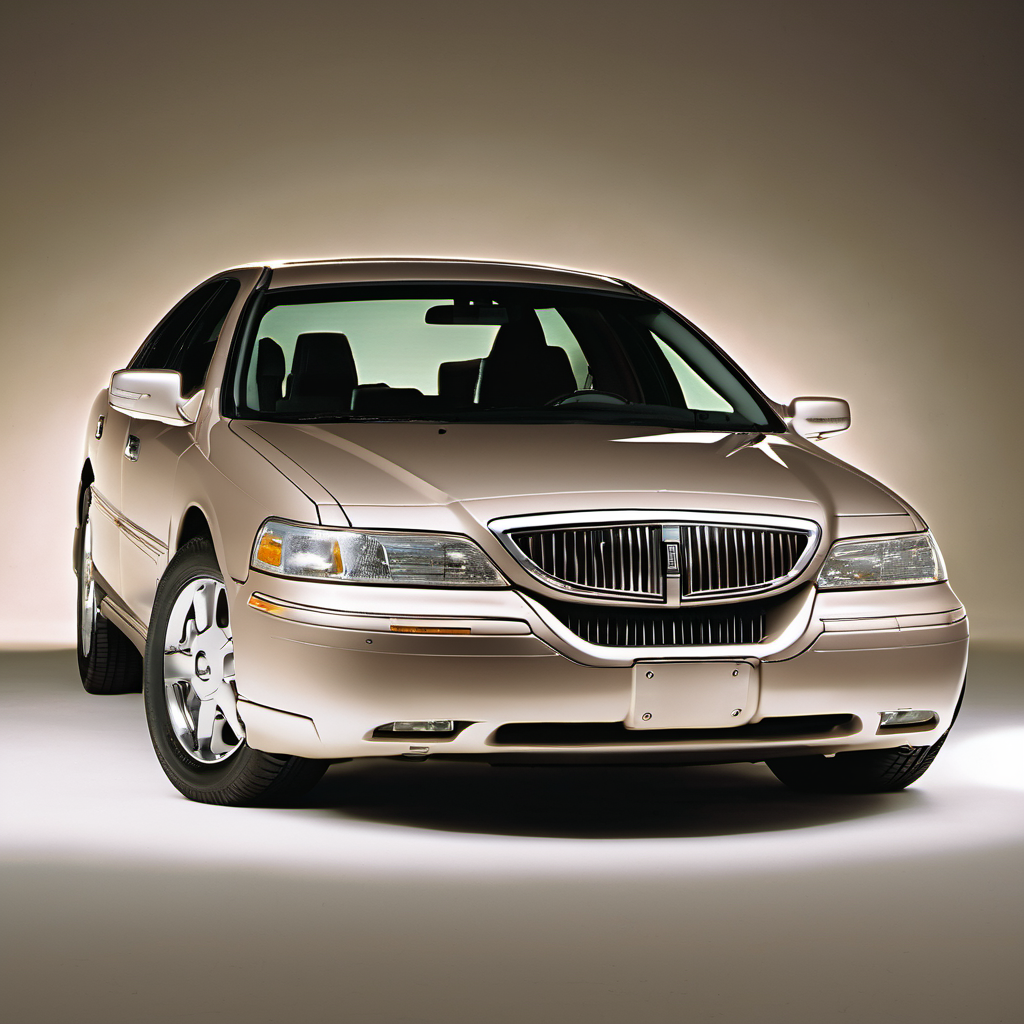
Shares the same DEW98 platform as the S-Type, similar V6 powertrain, rear-wheel drive, and price point — with better domestic parts availability and a wider service network.
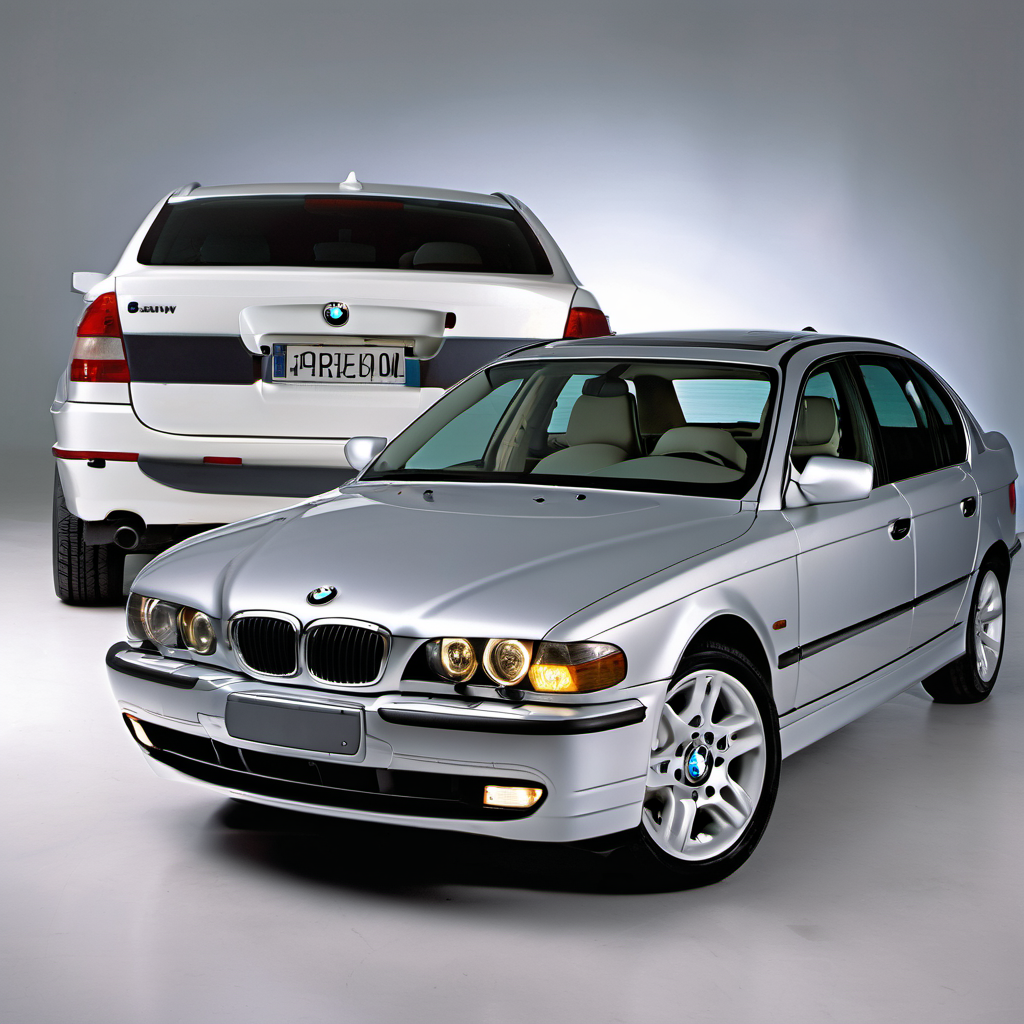
Direct competitor in the mid-size RWD luxury sedan segment. Better long-term reliability record and stronger parts/independent shop support, but higher purchase and maintenance costs.
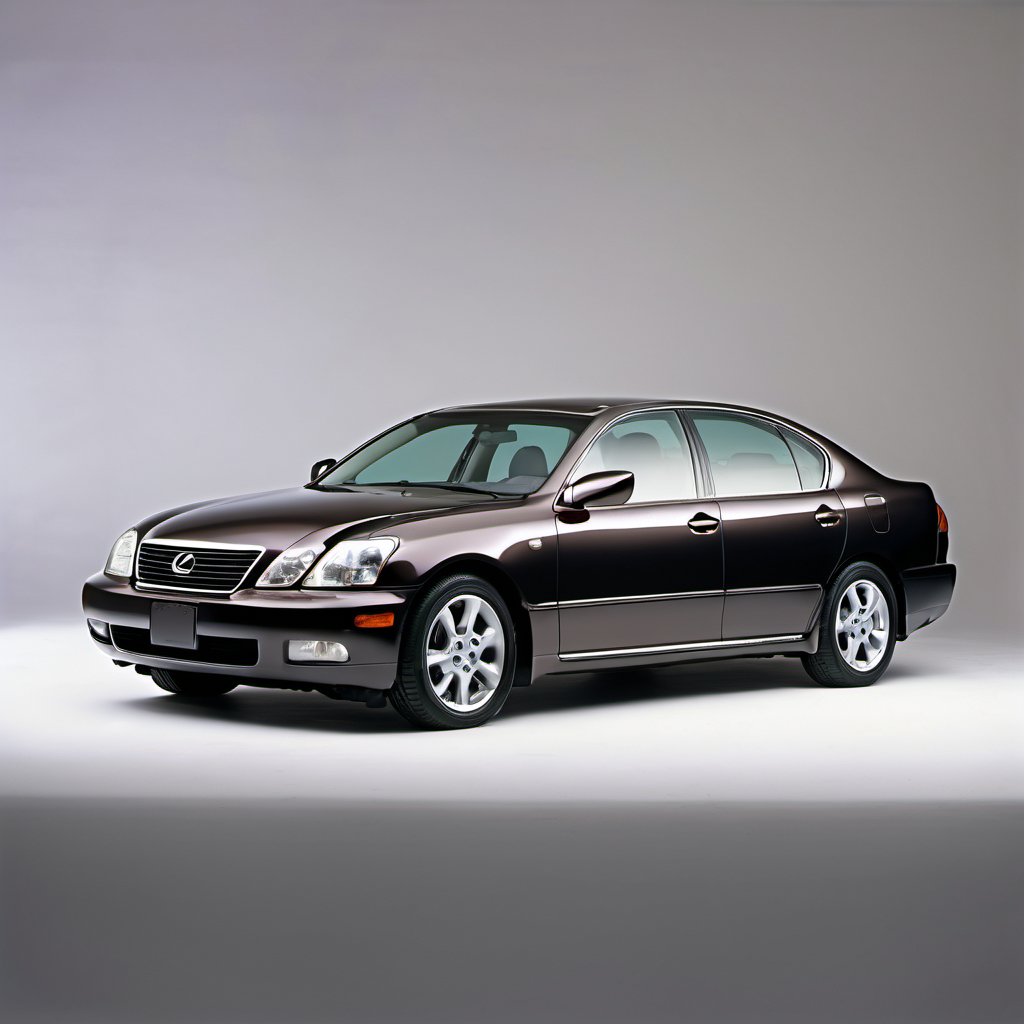
Same luxury sedan segment and similar price range used. Significantly more reliable, with excellent parts availability — the practical alternative if ownership cost is a priority.
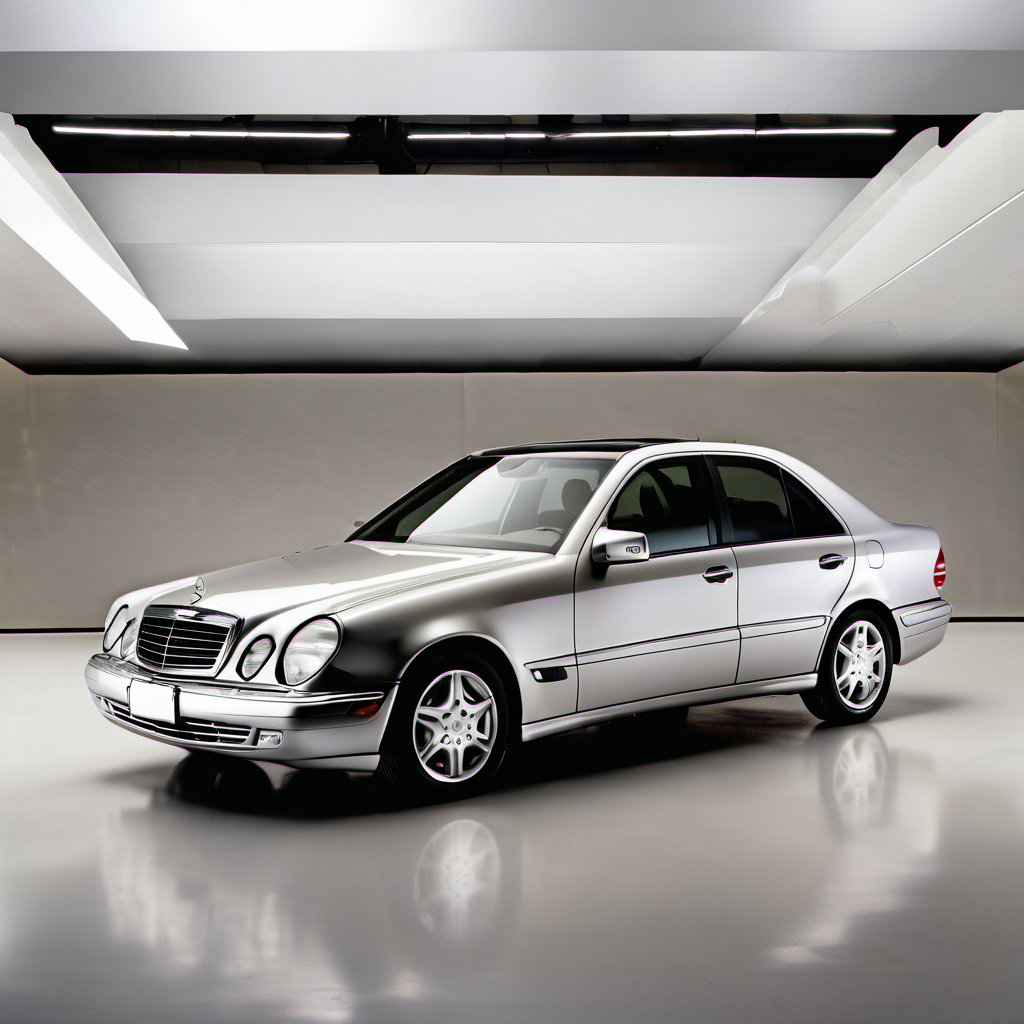
Comparable prestige-segment rear-wheel-drive luxury sedan. Similar or higher repair costs but stronger brand parts network. Pre-purchase inspection equally important at this age.