Intake Manifold Gasket Failure (5.7L Vortec V8)
high- Typically appears
- 80–150k mi
- Estimated repair
- $500 – $900
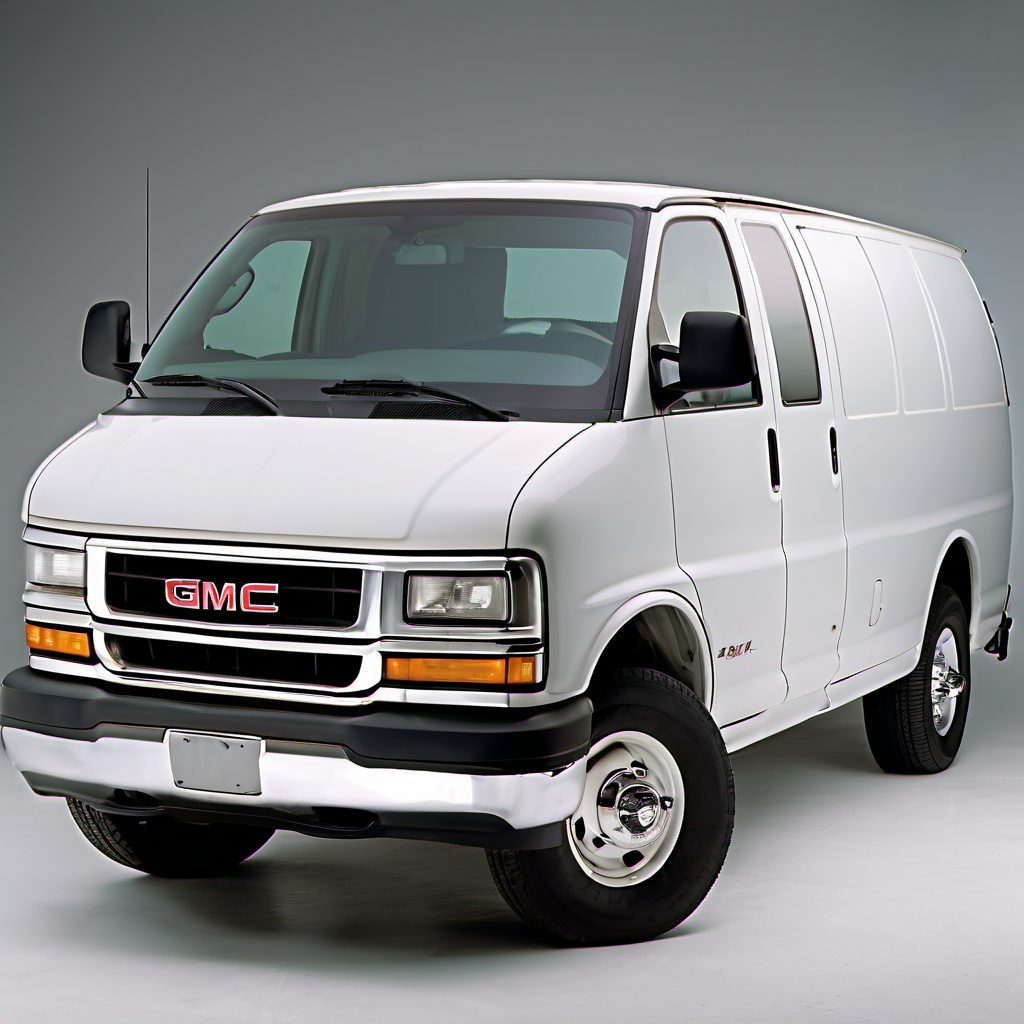
2000 GMC
5.7L Vortec V8 · Van/Minivan
The 2000 GMC Savana 2500 Cargo Van is a full-size, body-on-frame work van built on GM's long-running G-van platform. It shares its bones with the Chevrolet Express 2500 and is aimed squarely at commercial and trade users who need a durable, high-capacity hauler. With a half-ton-plus payload rating and available extended-length body, this van can swallow tools, equipment, and materials that smaller vans simply can't handle. Powertrain choices for the 2000 model year centered on proven GM V8s — most commonly the 5.0L or 5.7L Vortec V8 — backed by a robust 4-speed automatic. These are simple, well-understood engines with a massive parts base and no exotic technology to fail. That simplicity is the Savana's biggest selling point for a working owner. By 2000, this platform was already mature and flaws were well-documented. Rust on the undercarriage and rear wheel wells is the biggest enemy for any Savana operating in Wisconsin — these vans spend a lot of time parked at job sites getting salt blasted. Coolant issues in the Vortec V8 (specifically the notorious intake manifold gaskets) are the other major watch-out. Keep those two things in check and a well-maintained Savana 2500 can run for 200,000+ miles.
The 2000 GMC Savana 2500 Cargo Van is a full-size, body-on-frame work van built on GM's long-running G-van platform. It shares its bones with the Chevrolet Express 2500 and is aimed squarely at commercial and trade users who need a durable, high-capacity hauler. With a half-ton-plus payload rating and available extended-length body, this van can swallow tools, equipment, and materials that smaller vans simply can't handle. Powertrain choices for the 2000 model year centered on proven GM V8s — most commonly the 5.0L or 5.7L Vortec V8 — backed by a robust 4-speed automatic. These are simple, well-understood engines with a massive parts base and no exotic technology to fail. That simplicity is the Savana's biggest selling point for a working owner. By 2000, this platform was already mature and flaws were well-documented. Rust on the undercarriage and rear wheel wells is the biggest enemy for any Savana operating in Wisconsin — these vans spend a lot of time parked at job sites getting salt blasted. Coolant issues in the Vortec V8 (specifically the notorious intake manifold gaskets) are the other major watch-out. Keep those two things in check and a well-maintained Savana 2500 can run for 200,000+ miles.
The 5.7L Vortec's plastic/composite intake manifold gaskets are the van's most notorious failure point. Coolant leaks internally or externally, leading to overheating and potential engine damage. Catching it early is a $600 job; missing it can mean a $4,000+ engine repair.
High-load commercial use and stop-and-go delivery cycles break down oil faster than normal. Stick to 5,000-mi intervals rather than stretching to 7,500.
A clogged fuel filter strains the in-tank pump, which is already a known failure point on this generation. Cheap insurance against a roadside breakdown.
Lake Geneva roads see heavy road salt. The Savana's frame rails, rear wheel wells, and floor are vulnerable. Annual inspection and touch-up with rust-inhibiting coating extends the van's service life significantly.
Cargo vans loaded to near-GVWR put heavy stress on brakes. Brake lines on 25-year-old vans in Wisconsin are a rust concern — inspect visually every year.
The 4L60-E/4L80-E automatic is durable but does not have a lifetime fluid. Fluid darkening and heat from load cycles degrade the transmission over time.
Cold Wisconsin winters expose weak batteries fast. A 5.7L V8 draws significant cranking amperage at sub-zero temps. Test and replace any battery showing reduced cold-cranking amps before November.
Work vans carry heavy loads for years. Springs sag, shackles crack, and U-bolts loosen. A sagging rear end affects handling and tire wear.
Always defer to the manufacturer's service manual for warranty-mandated intervals.
The Savana 2500 is an inexpensive van to own if you keep up with maintenance. Parts are cheap and plentiful, any shop can work on it, and labor rates aren't inflated by complexity. The big risks are deferred coolant service (intake gaskets) and rust — either of which can turn a $5,000 van into a money pit. Budget $800–$2,000/yr for routine upkeep on a well-maintained example; add a contingency fund for brake lines, exhaust, or suspension work on high-mileage or rust-affected vehicles.
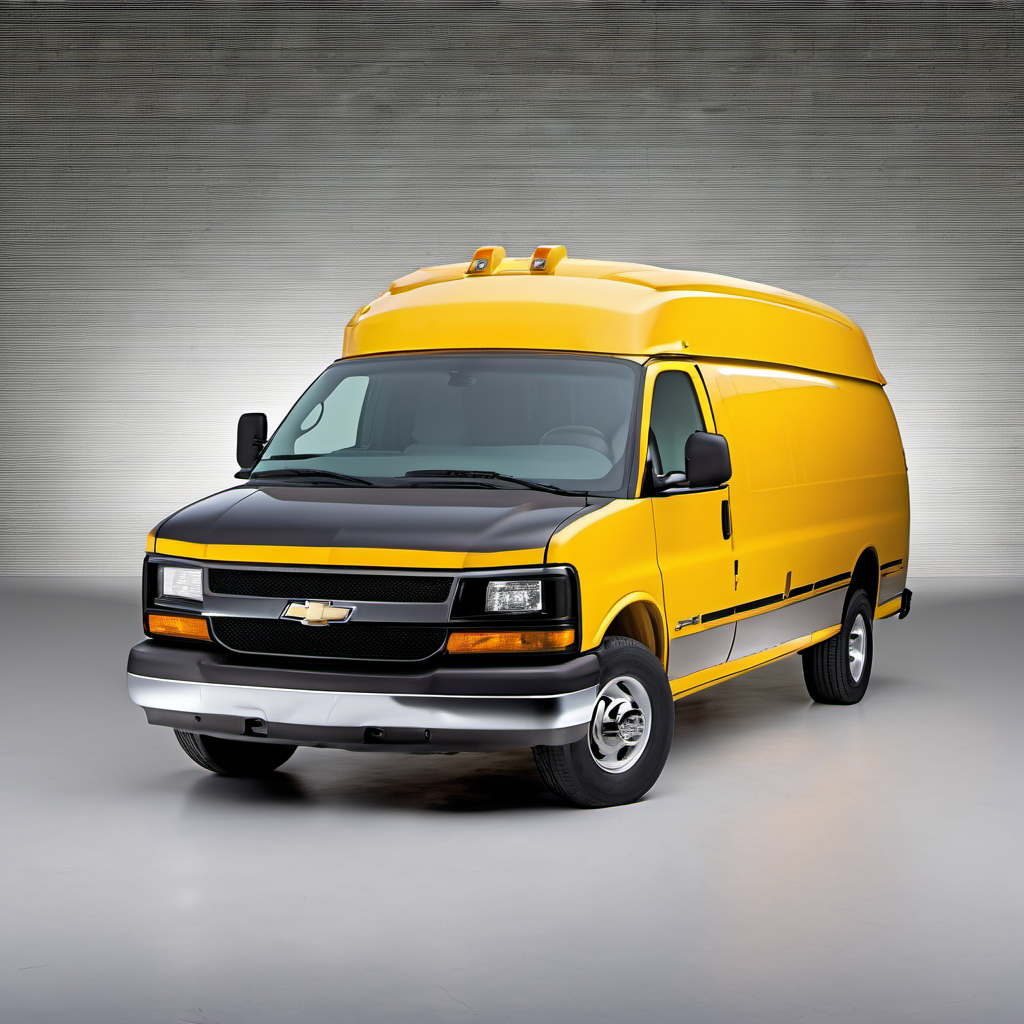
Essentially the same van under a different badge — same platform, engines, and parts. If you find one cheaper or in better shape, it's a direct substitute.
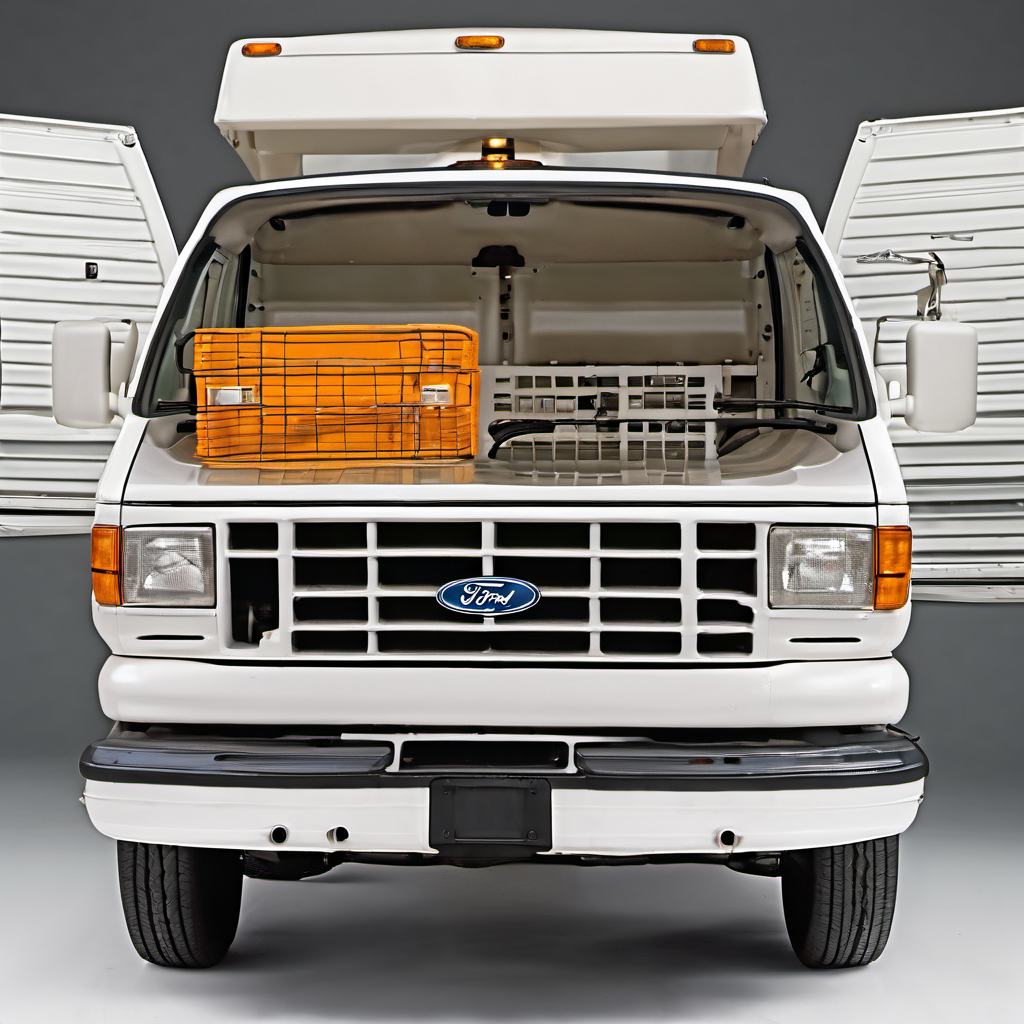
Ford's full-size cargo van competitor. Slightly different ergonomics and drivetrain but the same commercial mission. Also very common, with strong parts support.
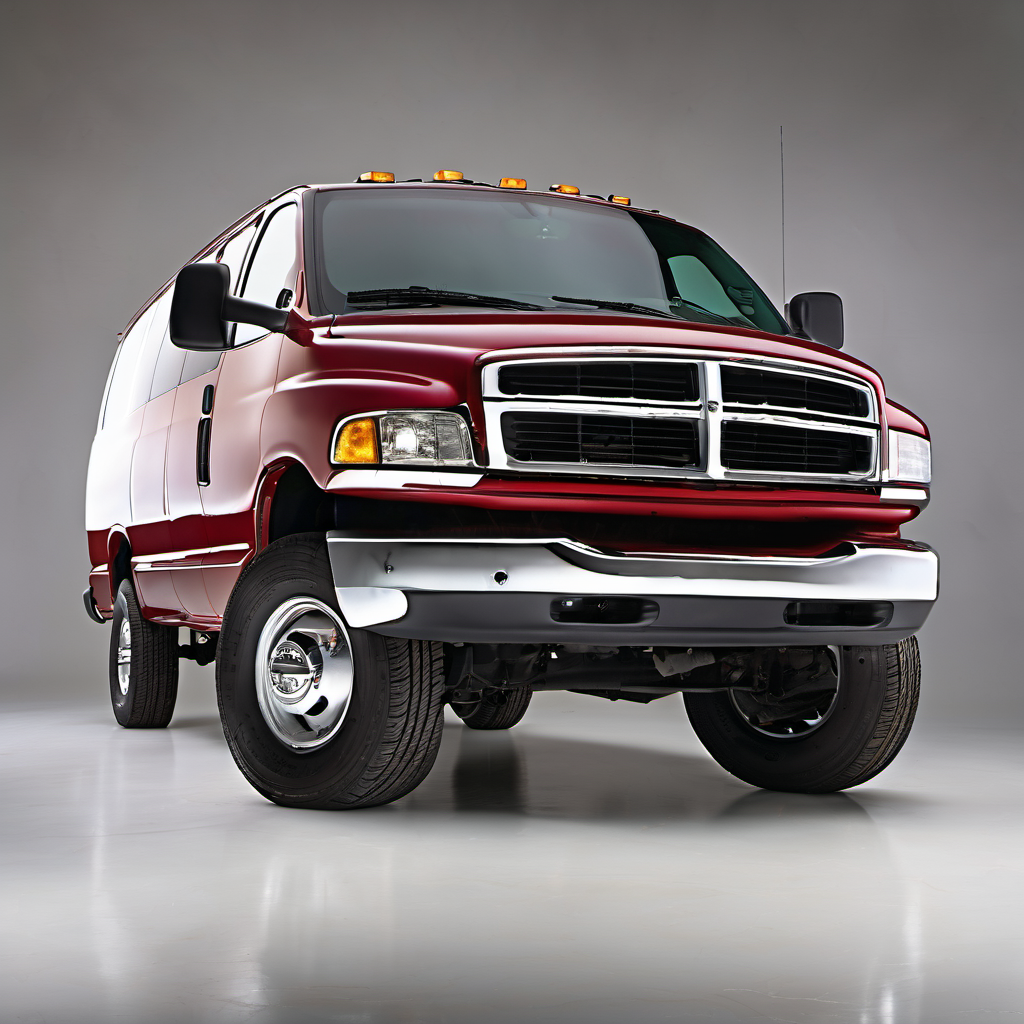
Dodge's full-size cargo van from the same era. Less popular than GM/Ford options, which means slightly harder parts sourcing, but similar payload and price point.
If you need more payload than the 2500 offers, the E-350 is the natural step up. Compare GVWR and payload ratings against your actual load requirements.
No catalog match