Electronic Air Suspension (EAS) failure — compressor, valve block, or air springs
high- Typically appears
- 60–150k mi
- Estimated repair
- $400 – $2,500
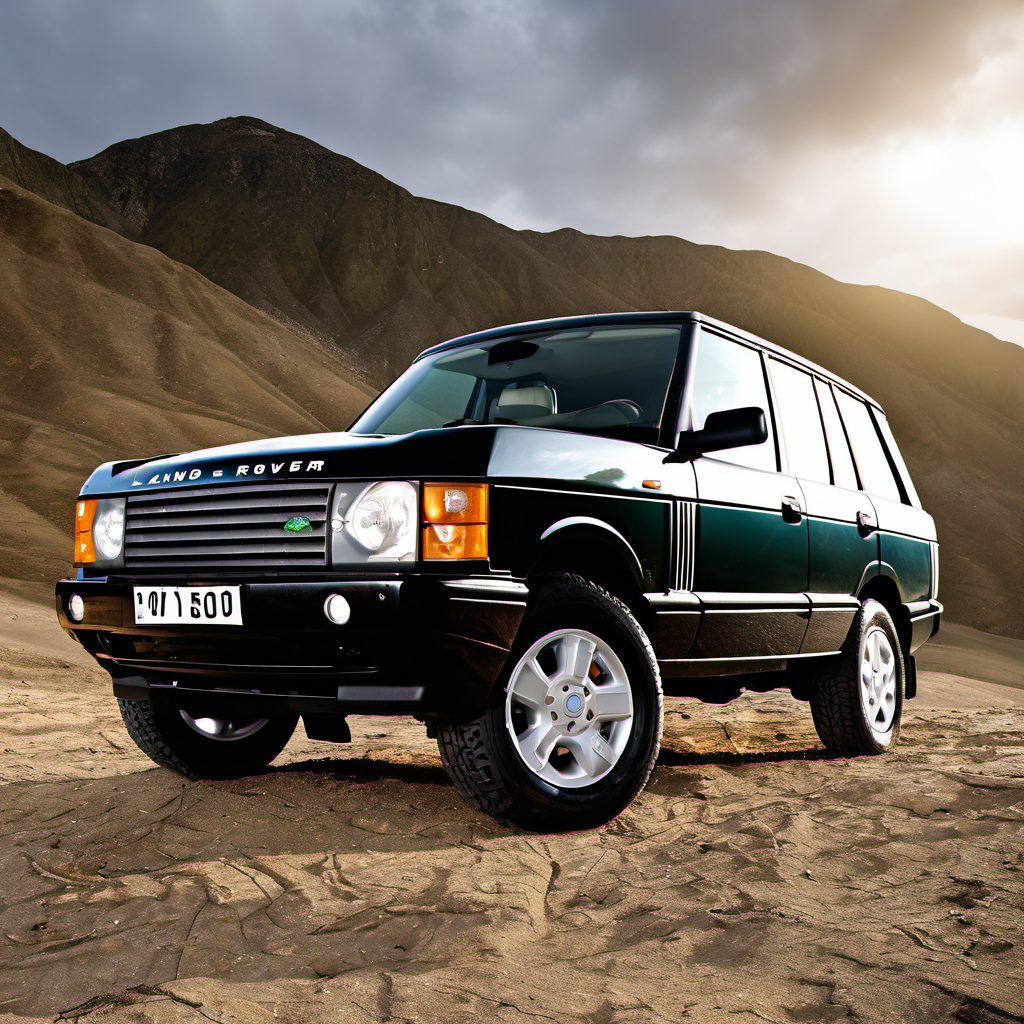
1999 Land Rover
SUV
The 1999 Land Rover Range Rover (P38A generation, 1994–2002) is a full-size luxury SUV that blends genuine off-road capability with a premium interior. This was the last full model year before the all-new L322 arrived, and it carries Land Rover's reputation for both impressive capability and impressive repair bills in equal measure. Under the hood sits a 4.0L Rover V8 — a derivative of the venerable Buick/GM-sourced aluminum block. It's a torquey, characterful engine that rewards proper maintenance but punishes neglect, particularly when it comes to cooling system care. The permanent four-wheel-drive system with center differential and low-range transfer case makes it a legitimate off-roader, though most examples spend their lives on pavement. Buying or owning one of these in the upper Midwest demands a clear-eyed understanding of the ownership math. Parts are expensive, specialists are rare, and the air suspension and EAS (Electronic Air Suspension) system are ticking clocks on any used example. If you're prepared for that reality — and keep up with it — the P38A is a genuinely rewarding vehicle. If you're not, it will find your limit quickly.
The 1999 Land Rover Range Rover (P38A generation, 1994–2002) is a full-size luxury SUV that blends genuine off-road capability with a premium interior. This was the last full model year before the all-new L322 arrived, and it carries Land Rover's reputation for both impressive capability and impressive repair bills in equal measure. Under the hood sits a 4.0L Rover V8 — a derivative of the venerable Buick/GM-sourced aluminum block. It's a torquey, characterful engine that rewards proper maintenance but punishes neglect, particularly when it comes to cooling system care. The permanent four-wheel-drive system with center differential and low-range transfer case makes it a legitimate off-roader, though most examples spend their lives on pavement. Buying or owning one of these in the upper Midwest demands a clear-eyed understanding of the ownership math. Parts are expensive, specialists are rare, and the air suspension and EAS (Electronic Air Suspension) system are ticking clocks on any used example. If you're prepared for that reality — and keep up with it — the P38A is a genuinely rewarding vehicle. If you're not, it will find your limit quickly.
The 4.0L aluminum V8 is extremely sensitive to cooling system degradation. Neglected coolant is the #1 cause of head gasket failures on this engine. Use the correct silicate-free coolant specified for Rover aluminum engines.
Air lines and fittings become brittle with age and temperature cycling. A small leak forces the compressor to run constantly, burning it out. Catching a line leak early is a $50 fix; replacing the compressor runs $400–$800.
The Rover V8 has tight tolerances and benefits from consistent oil changes. Synthetic oil handles cold Wisconsin starts better than conventional. Do not stretch intervals on a 25-year-old engine.
Permanent 4WD means the transfer case and center differential are always working. Degraded fluid accelerates wear. These fluids are often skipped on used examples and are cheap insurance.
A failed belt on this vehicle disables the alternator, power steering, and water pump simultaneously. Tensioner and idler pulleys often fail before the belt itself — inspect all three together.
Central locking actuator and window regulator failures are among the most common complaints on the P38A. A small amount of dielectric grease and lubrication significantly extends their lives in salt-belt climates.
Road salt accelerates rust on the steel frame, sill plates, and brake lines. Brake line rust in particular is a safety issue. Catch it early with annual undercarriage inspections.
The 4.0L V8 is sensitive to ignition system degradation. Worn plugs or cracked wires contribute to misfires that can be misdiagnosed as more expensive internal engine problems.
Always defer to the manufacturer's service manual for warranty-mandated intervals.
This is not a budget vehicle to own. Annual maintenance on a well-maintained example runs $1,800–$3,000; a year where the EAS, head gasket, or major electrical work is needed can easily push $4,000–$6,000+. Parts sourcing is more complex than Japanese or domestic competitors, and not every shop will work on it. Budget accordingly and maintain a dedicated repair reserve. The ownership experience is rewarding for enthusiasts who go in with open eyes.
Same era, similar luxury SUV pricing, more reliable German engineering but far less off-road capability. Better parts support and more mechanics willing to work on it.
No catalog match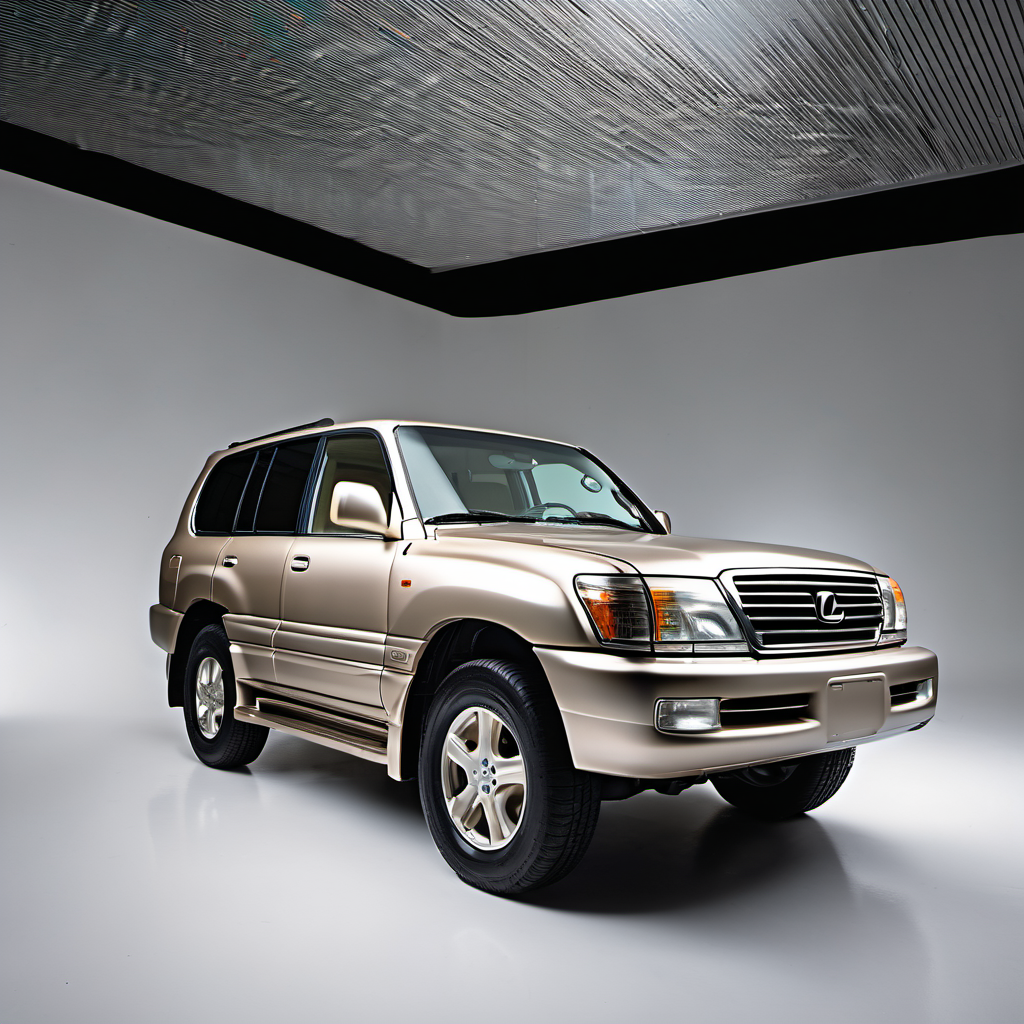
Full-size luxury SUV with genuine off-road credentials, substantially better long-term reliability, and a much stronger support network. Higher purchase price but far lower ownership costs.
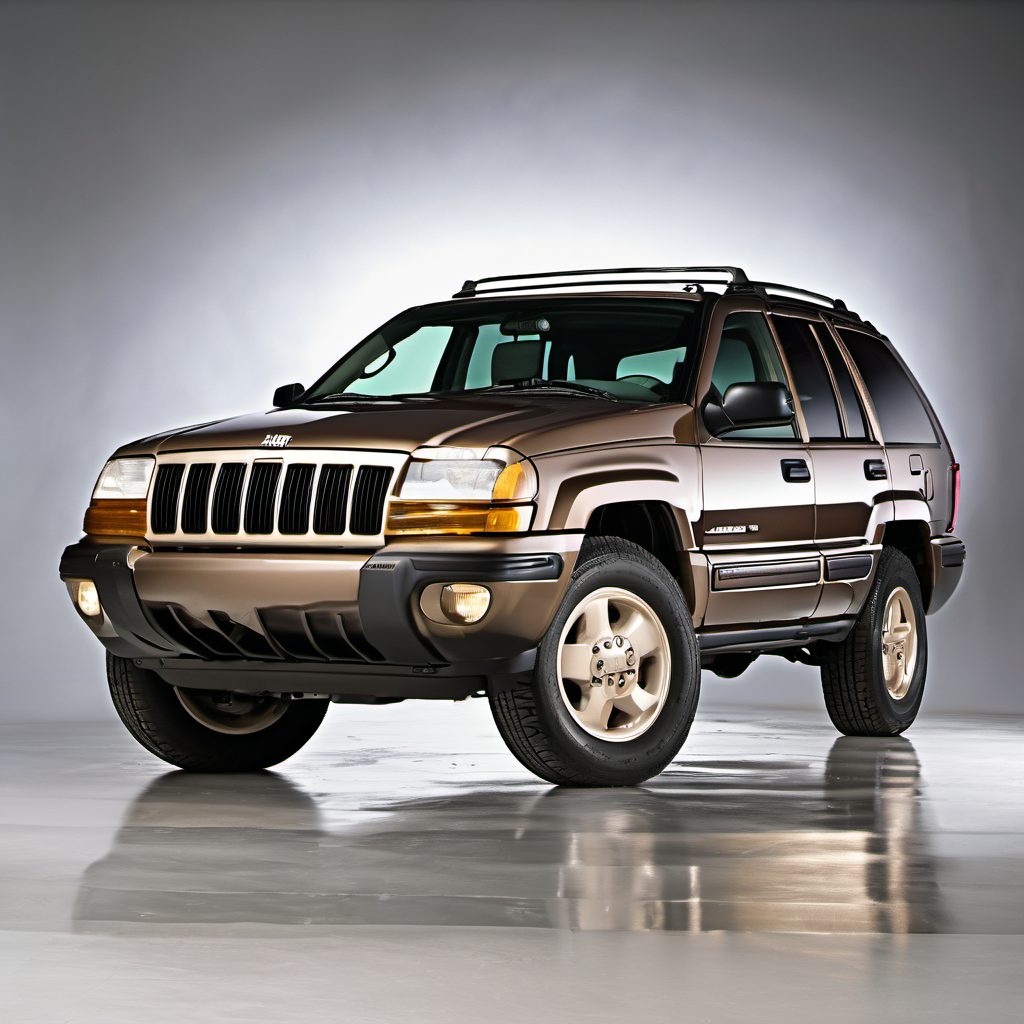
Similar mission (luxury-ish SUV with real 4WD), fraction of the maintenance cost, widely serviced anywhere. Lacks the Range Rover's prestige and refinement but is far more practical to own in Wisconsin.
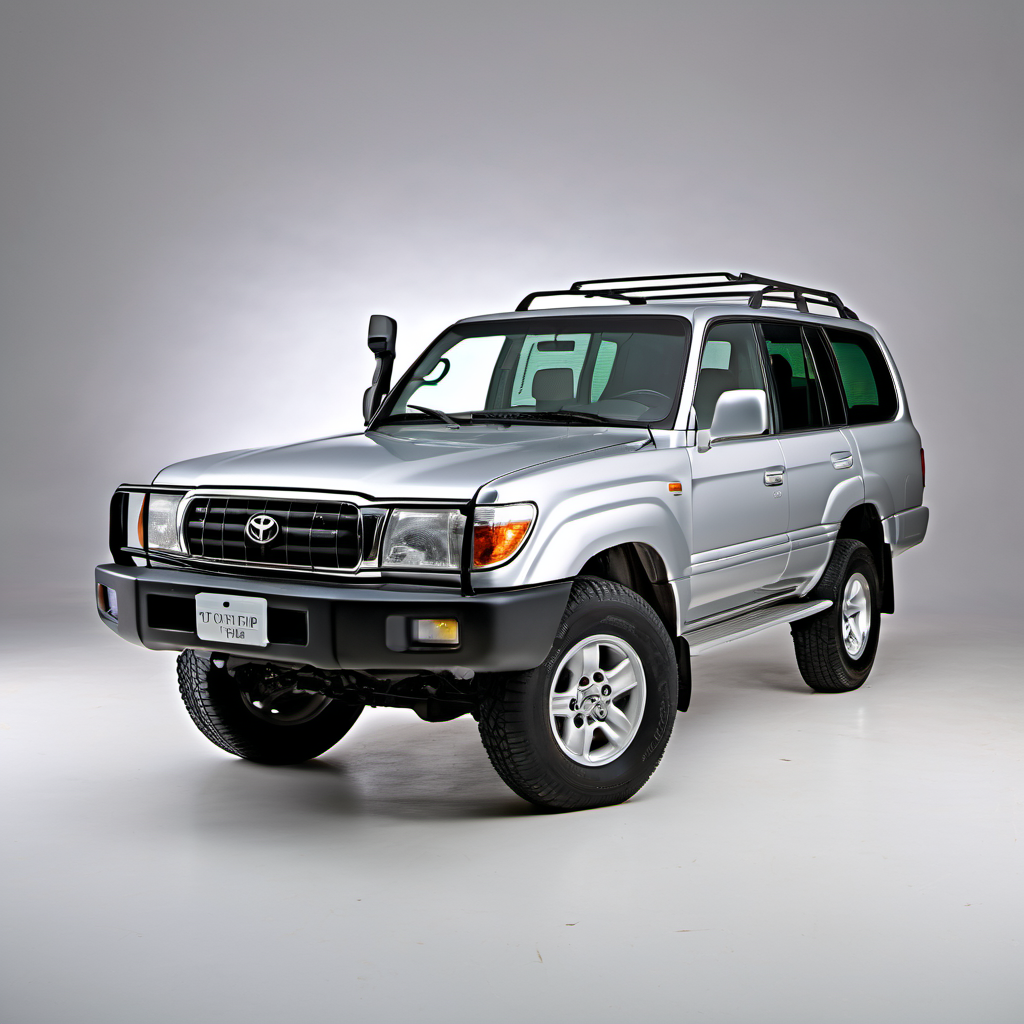
The benchmark for long-term luxury 4x4 reliability. Equally capable off-road, simpler to maintain, and parts availability is dramatically better. Commands a premium on the used market for good reason.