Head Gasket Failure (4.0L V8)
high- Typically appears
- 80–140k mi
- Estimated repair
- $1,800 – $3,500
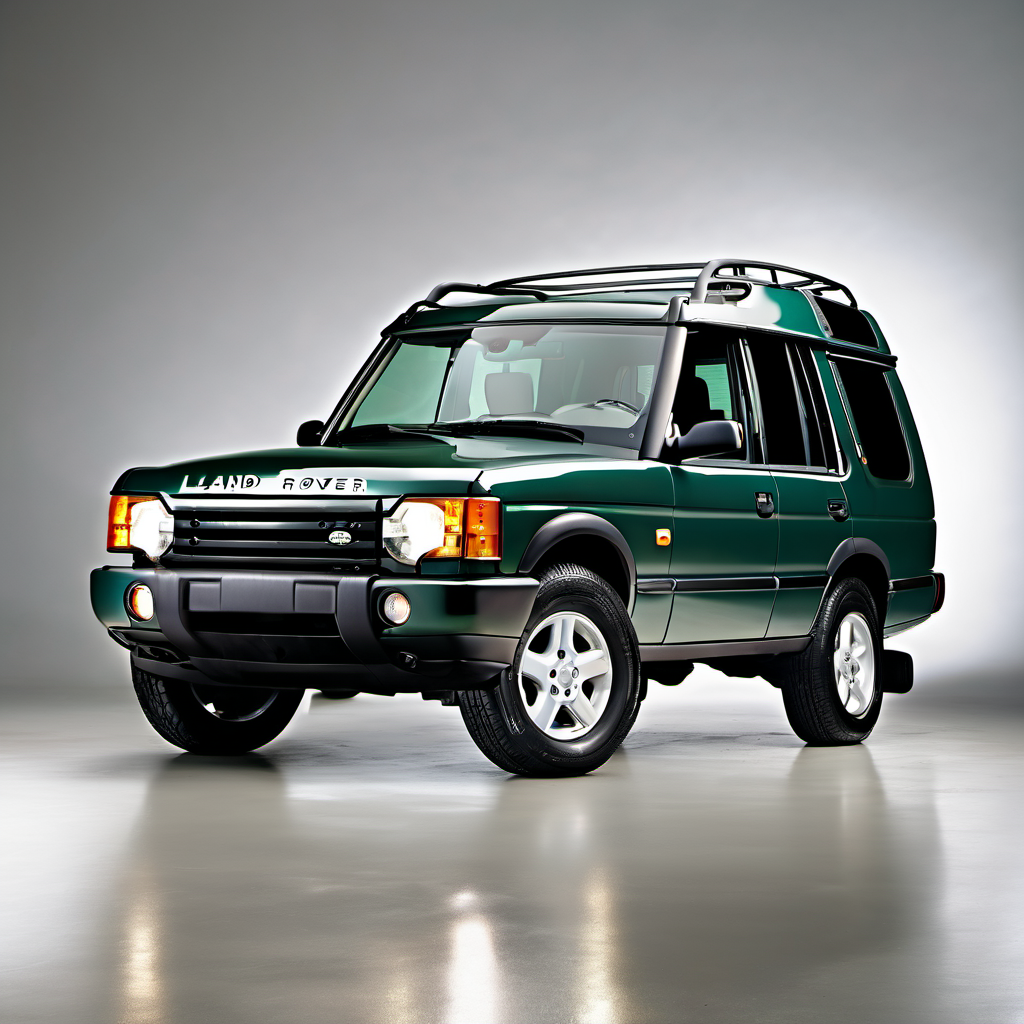
1999 Land Rover
4.0L V8 · SUV
The 1999 Land Rover Discovery Series II (Disco II) is a second-generation body-on-frame SUV built on Land Rover's proven 100-inch wheelbase platform. It introduced a more refined interior, standard coil-spring suspension at all four corners with Electronic Air Suspension (EAS) on higher trims, and a new 4.0L Rover V8. It was marketed as a more family-friendly alternative to the Range Rover while retaining genuine off-road capability. The Disco II earned a loyal following for its off-road pedigree, comfortable ride height, and distinctive character. It could tackle serious terrain thanks to its permanent four-wheel drive system, low-range transfer case, and generous ground clearance. However, it also introduced a host of reliability concerns that became the model's defining baggage — most notably electrical gremlins, the infamous ACE (Active Cornering Enhancement) hydraulic suspension leaks, and an aging Rover V8 prone to head gasket and cooling system failures. For a buyer in the upper Midwest, the Disco II is a niche purchase that demands patience, a good relationship with a Land Rover specialist, and a healthy repair budget. Examples that have been properly maintained and kept away from heavy road-salt exposure can still be enjoyable and capable vehicles, but budget surprises are the rule, not the exception.
The 1999 Land Rover Discovery Series II (Disco II) is a second-generation body-on-frame SUV built on Land Rover's proven 100-inch wheelbase platform. It introduced a more refined interior, standard coil-spring suspension at all four corners with Electronic Air Suspension (EAS) on higher trims, and a new 4.0L Rover V8. It was marketed as a more family-friendly alternative to the Range Rover while retaining genuine off-road capability. The Disco II earned a loyal following for its off-road pedigree, comfortable ride height, and distinctive character. It could tackle serious terrain thanks to its permanent four-wheel drive system, low-range transfer case, and generous ground clearance. However, it also introduced a host of reliability concerns that became the model's defining baggage — most notably electrical gremlins, the infamous ACE (Active Cornering Enhancement) hydraulic suspension leaks, and an aging Rover V8 prone to head gasket and cooling system failures. For a buyer in the upper Midwest, the Disco II is a niche purchase that demands patience, a good relationship with a Land Rover specialist, and a healthy repair budget. Examples that have been properly maintained and kept away from heavy road-salt exposure can still be enjoyable and capable vehicles, but budget surprises are the rule, not the exception.
The Rover V8's Achilles heel is overheating. Plastic expansion tanks crack, thermostats fail stuck-closed, and water pumps wear. Staying ahead of cooling system degradation is the single best way to prevent a head gasket failure.
Air bag bladders crack and compressors wear out. Catching early leaks before the compressor burns itself out saves significant money. A conversion kit to coil springs is a popular, cost-effective fix if the EAS is already failing.
The 4.0L V8 has tighter tolerances on oil cleanliness than many peers. Shorter oil change intervals help protect against sludge and reduce timing chain wear.
Belt failure on this engine can lead to rapid overheating within minutes. The tensioner is known to weaken with age and should be replaced at the same time as the belt.
Permanent 4WD means all differentials and the transfer case are always working. Neglected fluid service accelerates wear and can lead to expensive driveline repairs.
ACE hydraulic lines are prone to cracking near fittings. Low fluid leads to pump failure. Catching a small leak early is a $50 fix; replacing the pump is $600–$1,500.
Wisconsin road salt is brutal on the Disco II's body-on-frame structure. Frame corrosion is a safety issue and can render the vehicle un-repairable. Treat bare metal annually with rust inhibitor.
Brake fluid absorbs moisture over time. On a 25-year-old vehicle with ABS and potential EAS interaction, fresh fluid protects master cylinders, calipers, and ABS modulators from internal corrosion.
Always defer to the manufacturer's service manual for warranty-mandated intervals.
The Disco II is a cheap entry price followed by a steady stream of repair bills. Purchase prices for decent examples range from $4,000–$10,000, but annual mechanical costs routinely exceed what owners expect. Budget a minimum of $1,500/year for routine maintenance alone, and keep a $2,000–$3,000 emergency repair fund at all times. The highest costs come when cooling system neglect catches up with the V8 or when the EAS gives up entirely. Owners who proactively address known failure points spend far less over time than those who wait for failures.
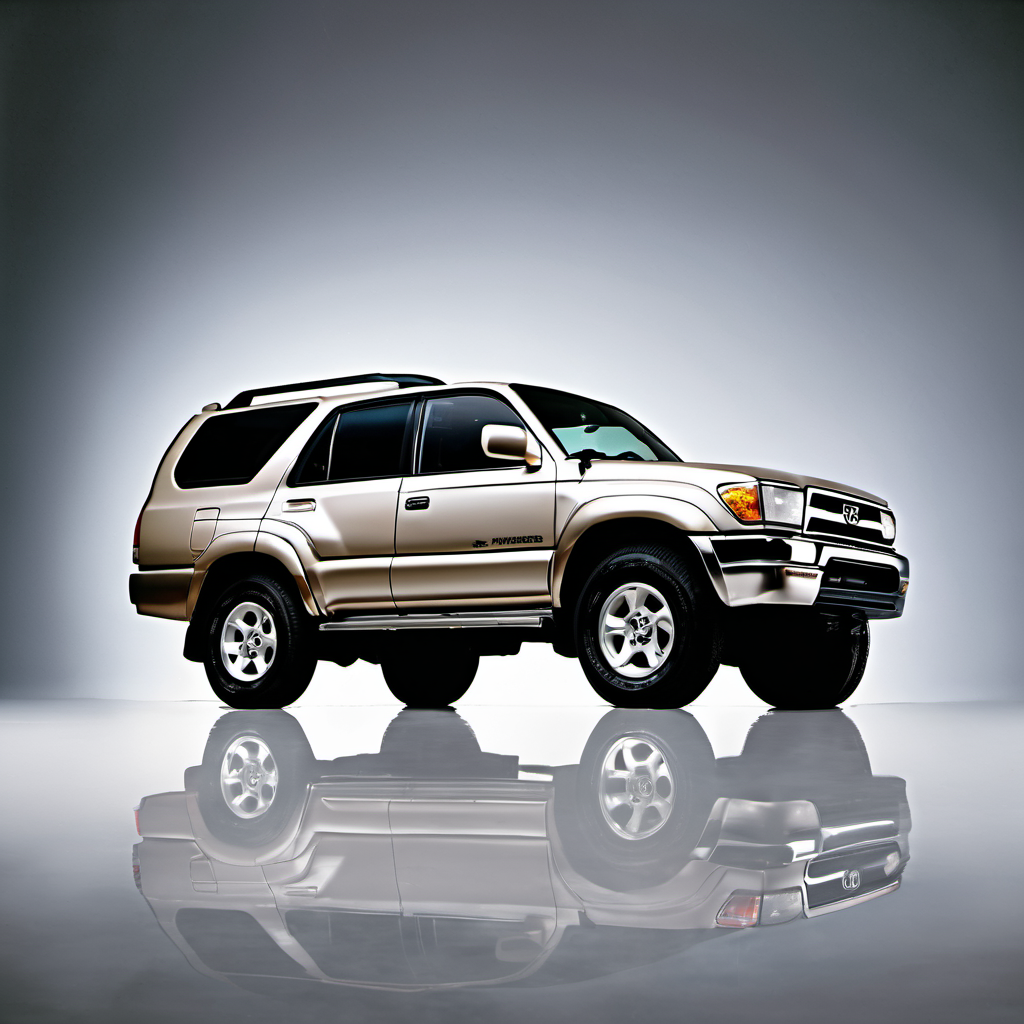
Same era body-on-frame SUV with genuine off-road capability. Far more reliable with a much better track record for longevity in salt-belt states. Typically costs more to buy but less to own.
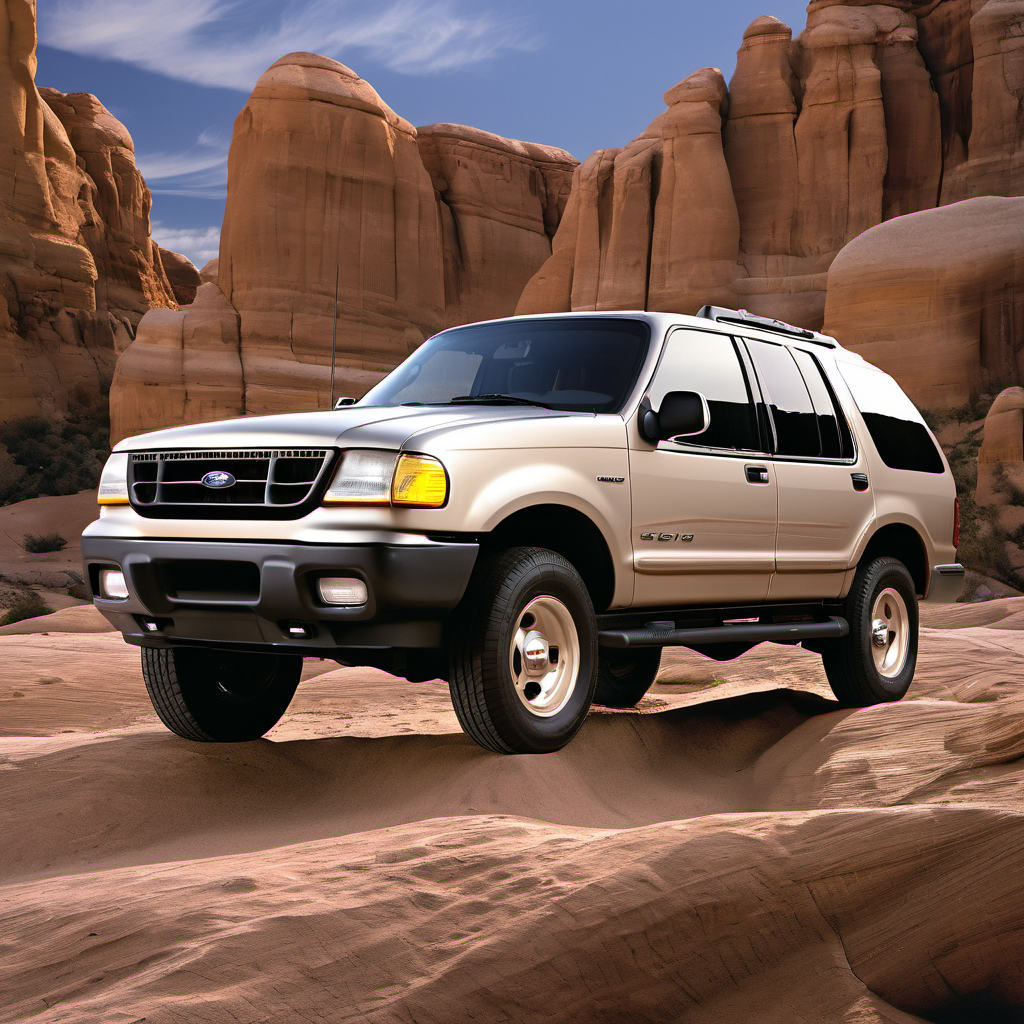
More affordable, widely available parts and service, similar passenger capacity. Less capable off-road but far simpler mechanically and much easier to source parts for.
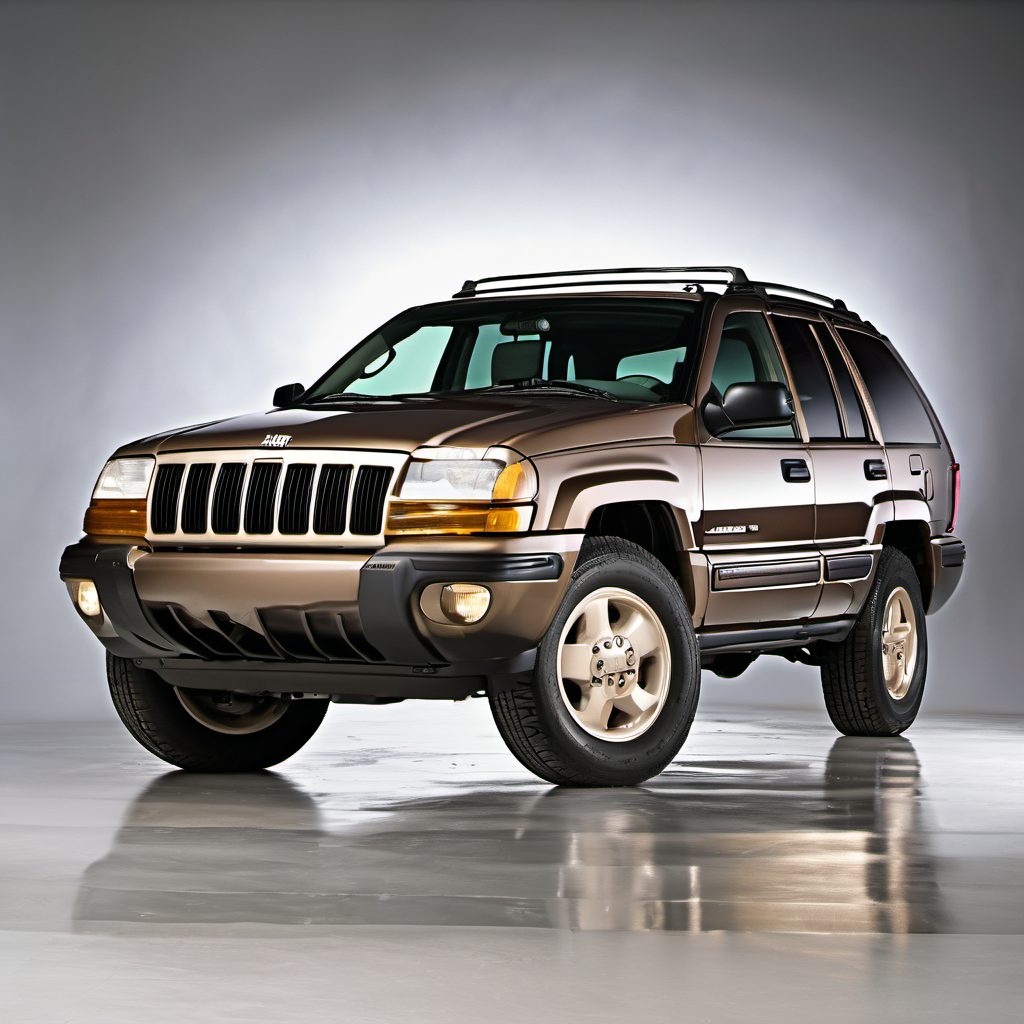
Competitive off-road capability, similar price range on the used market, strong parts availability. Has its own reliability quirks but a much larger independent-shop support network.
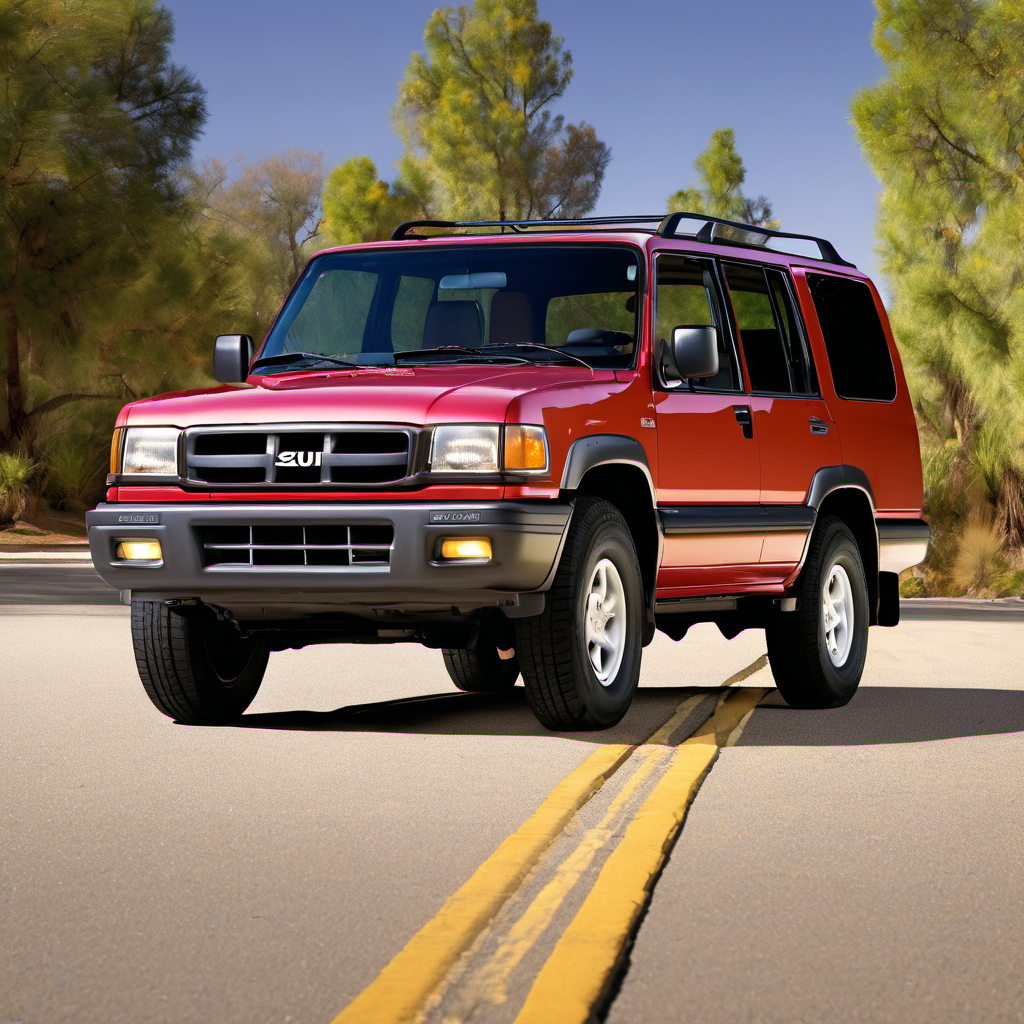
Underrated body-on-frame SUV from the same era with a more reliable drivetrain. Good ground clearance, 4WD, and durable mechanicals at a similar or lower cost.