Timing Belt Failure
high- Typically appears
- 60–100k mi
- Estimated repair
- $300 – $550

1999 Kia
SUV
The 1999 Kia Sportage is a first-generation compact SUV that arrived in the U.S. during Kia's early push into the American market. Built on a body-on-frame platform with a rear-wheel-drive base and available part-time 4WD, it was positioned as an affordable alternative to the Tracker or early RAV4 — though it never quite matched those rivals on reliability or refinement. Powered by a 2.0L four-cylinder producing around 95 hp and paired with either a 5-speed manual or 4-speed automatic, the Sportage is underpowered by modern standards. The platform traces its roots to a Mazda-derived design, and parts can be harder to source than for Japanese competitors. At 25+ years old, surviving examples need careful scrutiny before purchase. For a buyer in the Lake Geneva area, the first-gen Sportage's biggest enemy has already been on the roads for its entire life: road salt. Frame and floor corrosion is a near-certainty on upper Midwest examples. Approach any purchase with a thorough undercarriage inspection.
The 1999 Kia Sportage is a first-generation compact SUV that arrived in the U.S. during Kia's early push into the American market. Built on a body-on-frame platform with a rear-wheel-drive base and available part-time 4WD, it was positioned as an affordable alternative to the Tracker or early RAV4 — though it never quite matched those rivals on reliability or refinement. Powered by a 2.0L four-cylinder producing around 95 hp and paired with either a 5-speed manual or 4-speed automatic, the Sportage is underpowered by modern standards. The platform traces its roots to a Mazda-derived design, and parts can be harder to source than for Japanese competitors. At 25+ years old, surviving examples need careful scrutiny before purchase. For a buyer in the Lake Geneva area, the first-gen Sportage's biggest enemy has already been on the roads for its entire life: road salt. Frame and floor corrosion is a near-certainty on upper Midwest examples. Approach any purchase with a thorough undercarriage inspection.
This is an interference engine. A snapped belt destroys the engine. On a vehicle this age, replace the belt, water pump, and tensioner together regardless of when it was last done — documentation is rarely reliable on 25-year-old vehicles.
The cooling system on these engines is marginal. Old coolant loses its corrosion inhibitors and attacks the aluminum components. Given the vehicle's age, flush and inspect hoses and the radiator cap at every service.
Kia's first-gen automatic is not known for durability. Fresh fluid at shorter-than-average intervals is the single best way to extend its life.
Lake Geneva roads get heavy salt treatment. Inspect frame rails, floor pans, and rocker panels every season. Apply rust inhibitor to bare metal annually before winter.
The 2.0L I4 runs cleaner and more efficiently with fresh plugs. Aged wires are a common cause of rough idle and misfires on high-mileage examples.
Transfer case fluid and front differential fluid are frequently neglected on these trucks. Low or contaminated fluid leads to binding and premature wear.
Sub-zero Wisconsin temps expose weak batteries fast. A 25-year-old vehicle with original or aging electrical components needs a load-tested battery and clean terminals every autumn.
Brake lines and rubber hoses on vehicles this age are high corrosion risks in the salt belt. A line failure is a safety emergency. Inspect closely and replace any soft, swollen, or surface-rusted components.
Always defer to the manufacturer's service manual for warranty-mandated intervals.
On paper, the Sportage looks cheap to own. In practice, a high-mileage first-gen example can surprise you with large, infrequent repair bills — especially for transmission work, rust remediation, or cooling system failures. Parts availability is shrinking as the vehicle ages. Budget for the unexpected, and keep a repair-vs-replace threshold in mind: once repair costs approach the vehicle's market value (often under $3,000), it's rarely worth continuing.
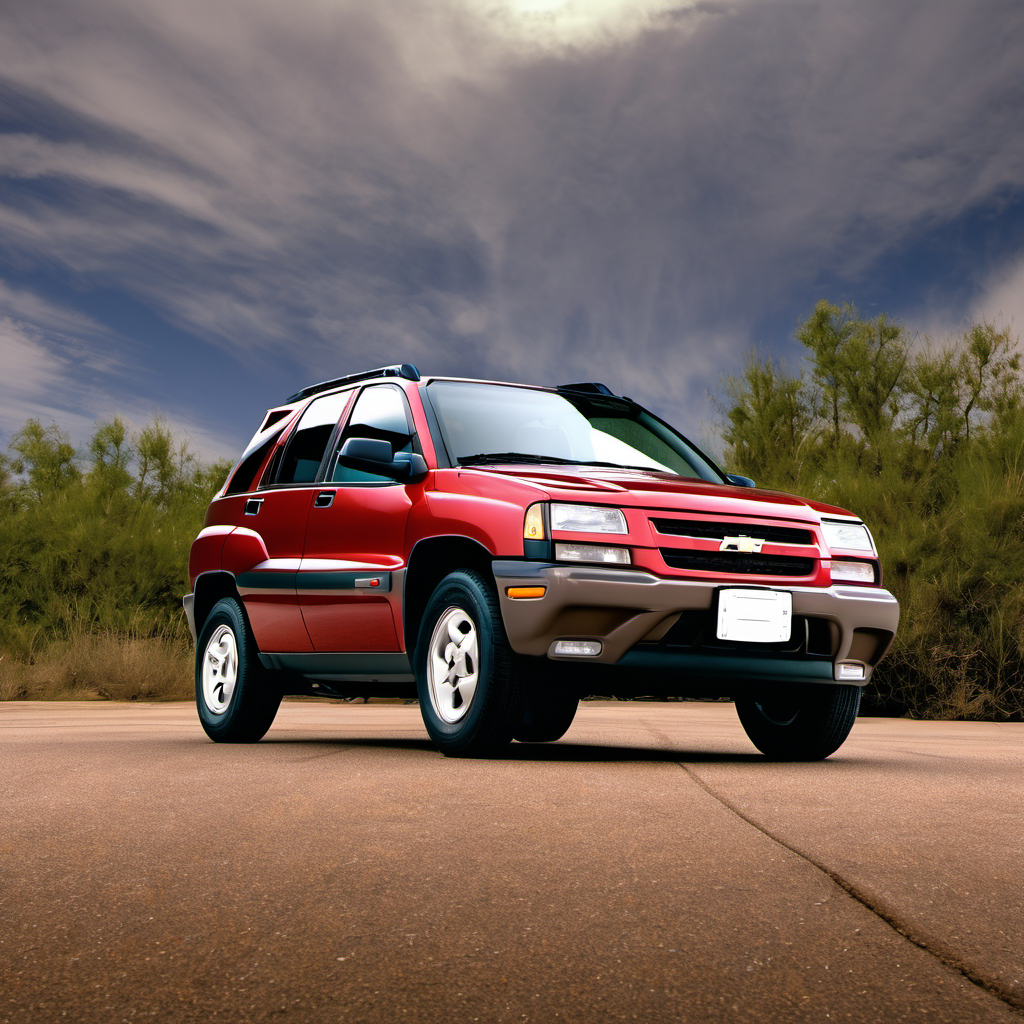
Same compact SUV segment, similar price point, body-on-frame with 4WD option. The Tracker generally has better parts availability and a stronger reliability record for the era.
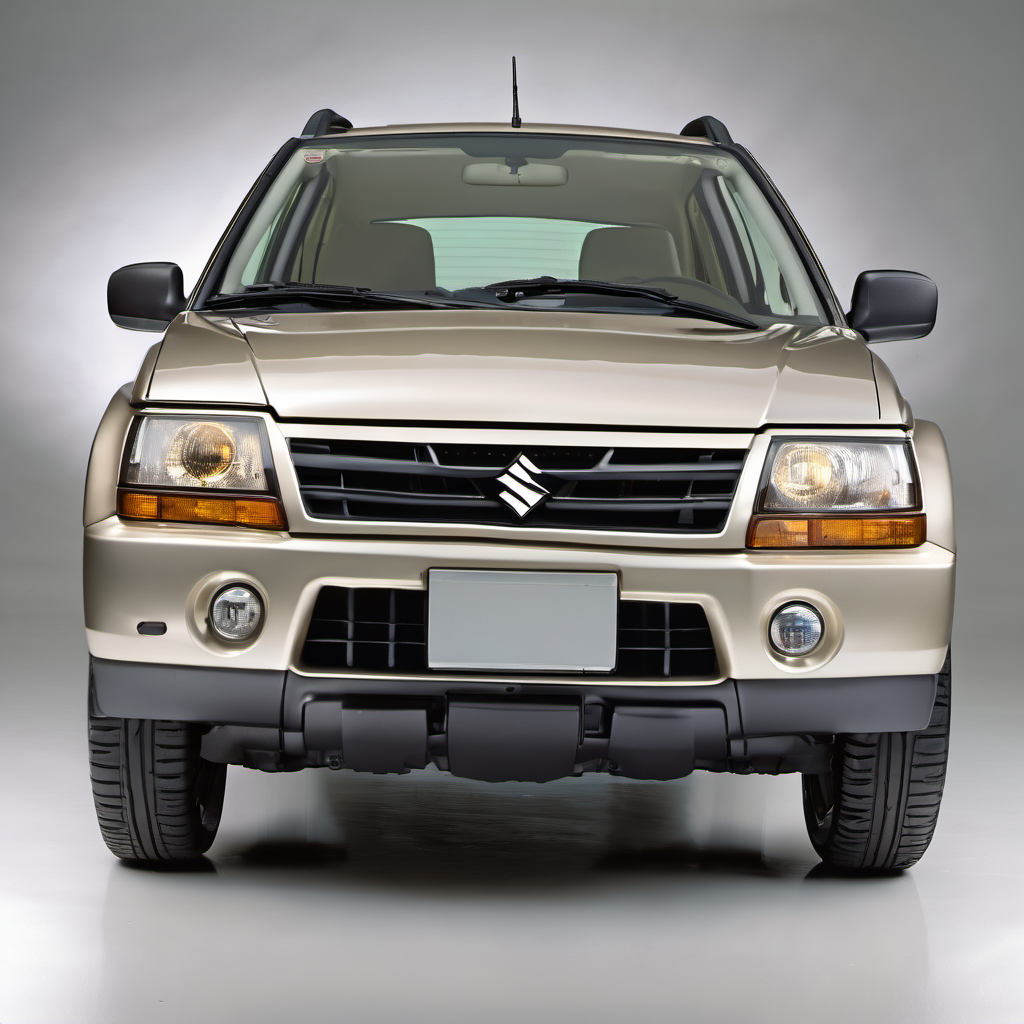
Mechanically very close to the Tracker (shared platform), similar size and capability. Parts are also aging but Suzuki's reliability reputation in this segment is stronger than Kia's.
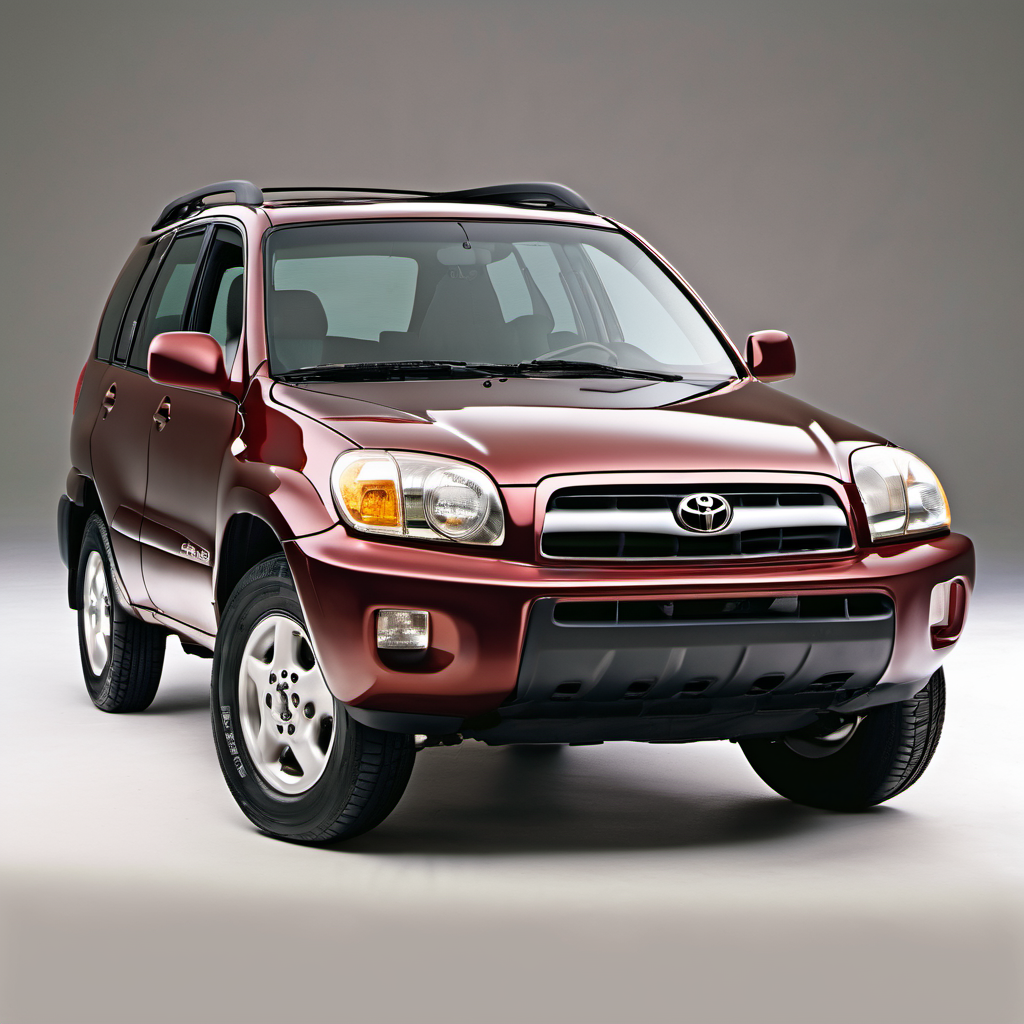
Comparable compact SUV size and price when new. The RAV4 is a crossover (unibody, FWD/AWD) rather than body-on-frame, but offers significantly better long-term reliability and parts availability.
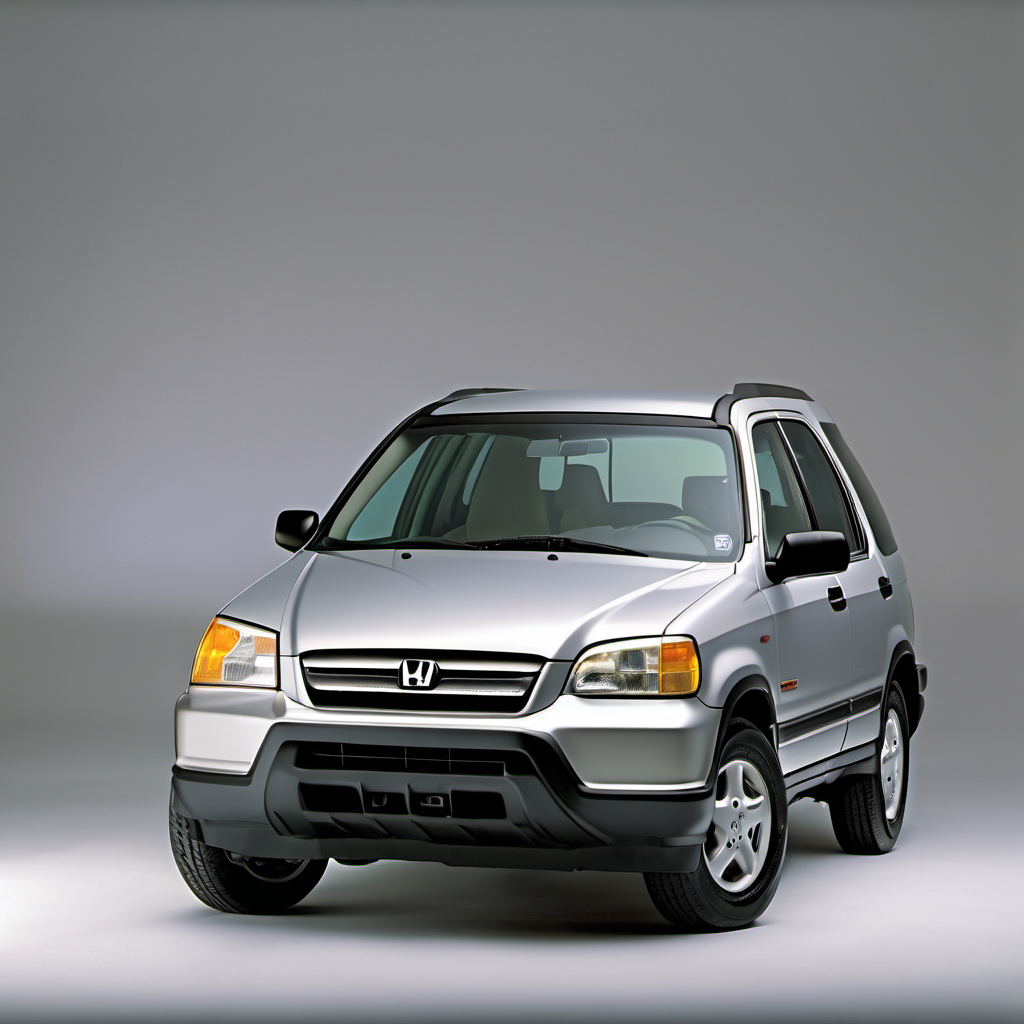
Similar compact utility footprint and era. The CR-V is car-based with better fuel economy and a much stronger reliability track record, making it a more practical daily driver at similar used prices.