Coolant system failure — water pump, thermostat, hoses
high- Typically appears
- 60–120k mi
- Estimated repair
- $600 – $1,800
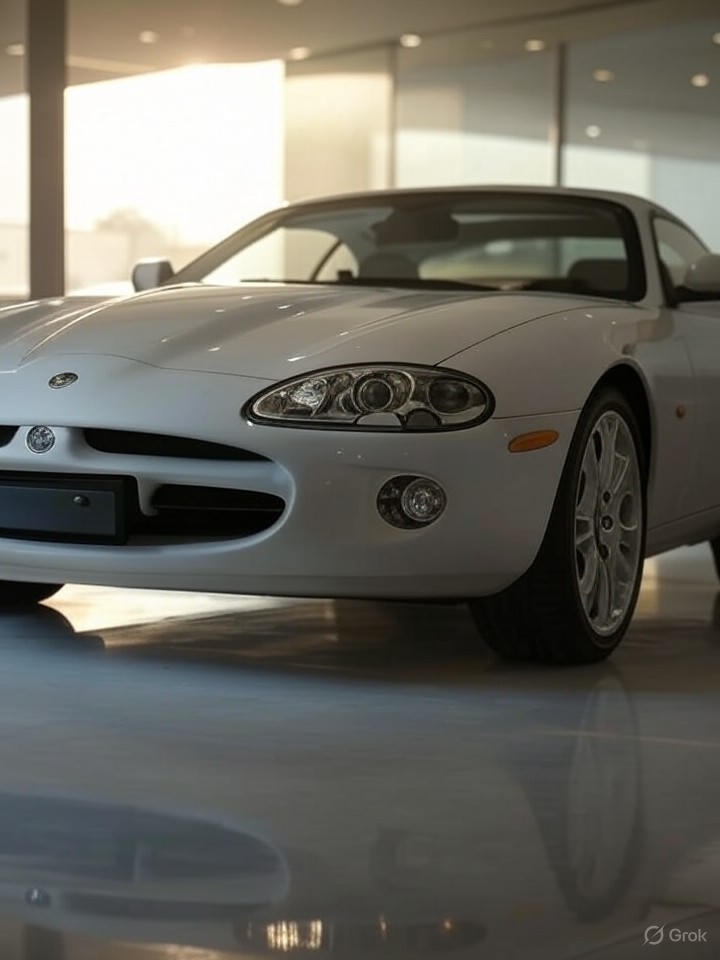
1999 Jaguar
4.0L V8 (AJ-V8) · Coupe
The 1999 Jaguar XK8 Coupe is a grand touring 2+2 built on a platform Ford helped fund after acquiring Jaguar in 1989. It arrived for the 1996 model year as the spiritual successor to the XJS, bringing a genuinely modern AJ-V8 engine and an aluminum-intensive body to a nameplate that had long relied on aging architecture. By 1999 the XK was well into its first generation and had shed most of the earliest production teething issues, though it still demands attentive ownership. The car is powered by Jaguar's 4.0L AJ-V8, a sophisticated all-aluminum engine producing 290 hp mated to a ZF 5-speed automatic. The result is relaxed, effortless highway cruising — this is a continent-crosser, not a track weapon. Ride quality is supple, the cabin is hand-stitched leather and real wood, and the proportions remain stunning a quarter-century later. Owning one means accepting European-luxury running costs on a car that has depreciated to everyday-car money. Parts are not cheap, some are genuinely hard to source, and specialized knowledge matters. Rewarding for the right owner — frustrating for someone expecting Japanese-reliability economics.
The 1999 Jaguar XK8 Coupe is a grand touring 2+2 built on a platform Ford helped fund after acquiring Jaguar in 1989. It arrived for the 1996 model year as the spiritual successor to the XJS, bringing a genuinely modern AJ-V8 engine and an aluminum-intensive body to a nameplate that had long relied on aging architecture. By 1999 the XK was well into its first generation and had shed most of the earliest production teething issues, though it still demands attentive ownership. The car is powered by Jaguar's 4.0L AJ-V8, a sophisticated all-aluminum engine producing 290 hp mated to a ZF 5-speed automatic. The result is relaxed, effortless highway cruising — this is a continent-crosser, not a track weapon. Ride quality is supple, the cabin is hand-stitched leather and real wood, and the proportions remain stunning a quarter-century later. Owning one means accepting European-luxury running costs on a car that has depreciated to everyday-car money. Parts are not cheap, some are genuinely hard to source, and specialized knowledge matters. Rewarding for the right owner — frustrating for someone expecting Japanese-reliability economics.
The AJ-V8 has tight tolerances and the VVT system is oil-pressure dependent. Wrong viscosity or extended drain intervals accelerate cam phaser wear and can trigger P0012/P0015/P0022/P0025.
The all-aluminum engine and mixed-metal cooling system corrode quickly with wrong or degraded coolant. Coolant neglect is the leading cause of head gasket and water pump failure on this engine.
Misfires on a V8 with a shared intake plenum can mask individual cylinder issues. Fresh plugs keep fuel trims stable and protect catalysts.
Belt failure on this engine leaves you stranded and can cause secondary damage. Tensioner wear is common by 80k mi.
Ground corrosion is a primary cause of cascading electrical faults — including CAN bus communication errors and body control issues — on 25-year-old Jaguars in Midwest salt environments.
The AJ-V8 ECU and associated modules are voltage-sensitive. Weak batteries cause false fault codes and hard starts in sub-zero temps common to Lake Geneva winters.
Air spring rubber degrades with age regardless of mileage. A failed compressor running continuously to compensate will burn out quickly and leave the car sagging.
Brake fluid absorbs moisture over time, lowering boiling point. Rear calipers on XK-generation cars are known to seize on slide pins, especially after Wisconsin winters.
Always defer to the manufacturer's service manual for warranty-mandated intervals.
The XK8 is a bargain to buy and an ongoing commitment to maintain. Routine annual maintenance on a well-kept example runs $1,200–$2,000. Factor in one or two deferred-maintenance catch-up repairs in the first year of ownership and that number can easily reach $3,500–$4,500. Parts are more expensive than domestic vehicles, and some Jaguar-specific items require dealer ordering or specialist suppliers. Budget accordingly and treat surprise repairs as the cost of admission, not an anomaly.
Same grand-touring 2+2 coupe mission, similar V8 power and luxury positioning, comparable purchase price in today's used market, similar European maintenance cost profile.
No catalog matchV8-powered German GT coupe from the same era with RWD, similar MSRP when new, and a comparably challenging but rewarding ownership experience.
No catalog match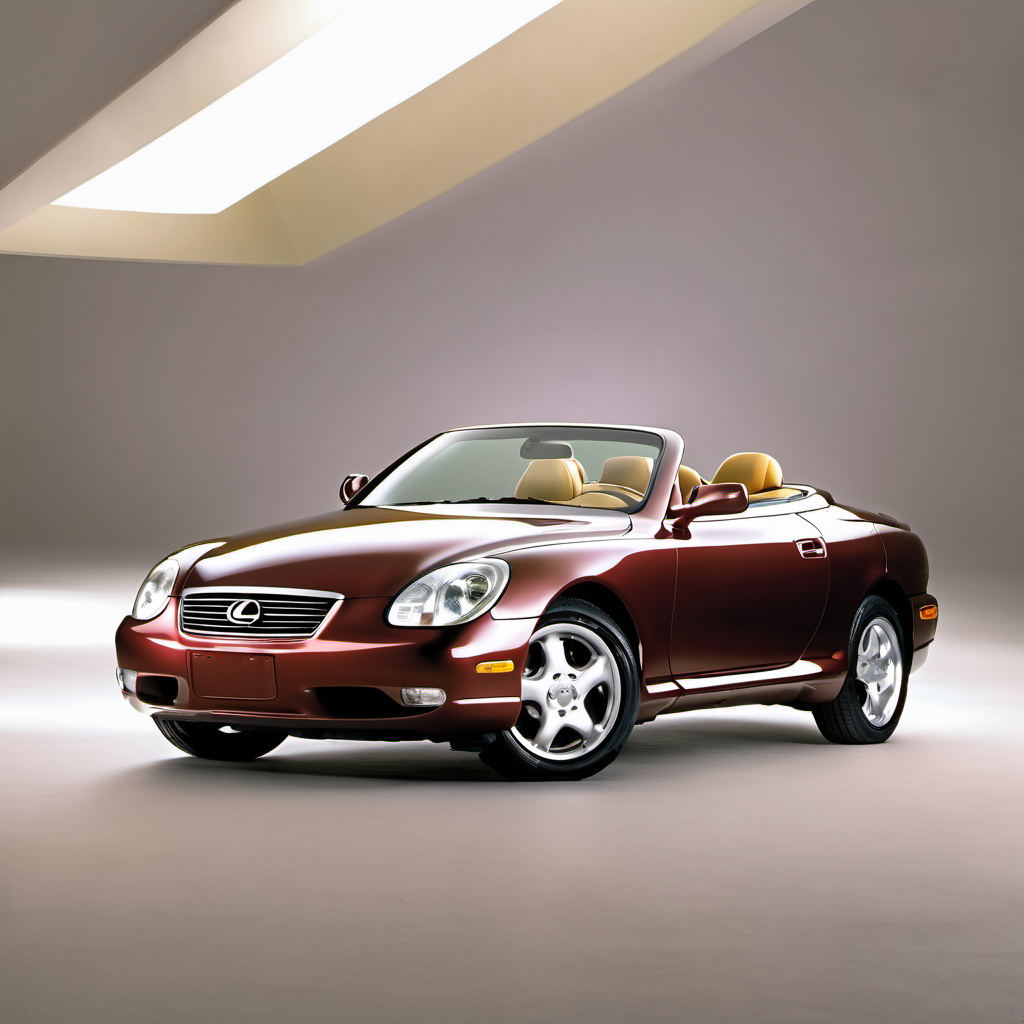
Japanese-built V8 GT coupe of the same period, significantly higher reliability but less character; a practical alternative if ownership costs are the primary concern.
Direct spiritual competitor — also a British V8 GT coupe, more exotic, higher parts costs, but similar buyer profile and era.
No catalog match