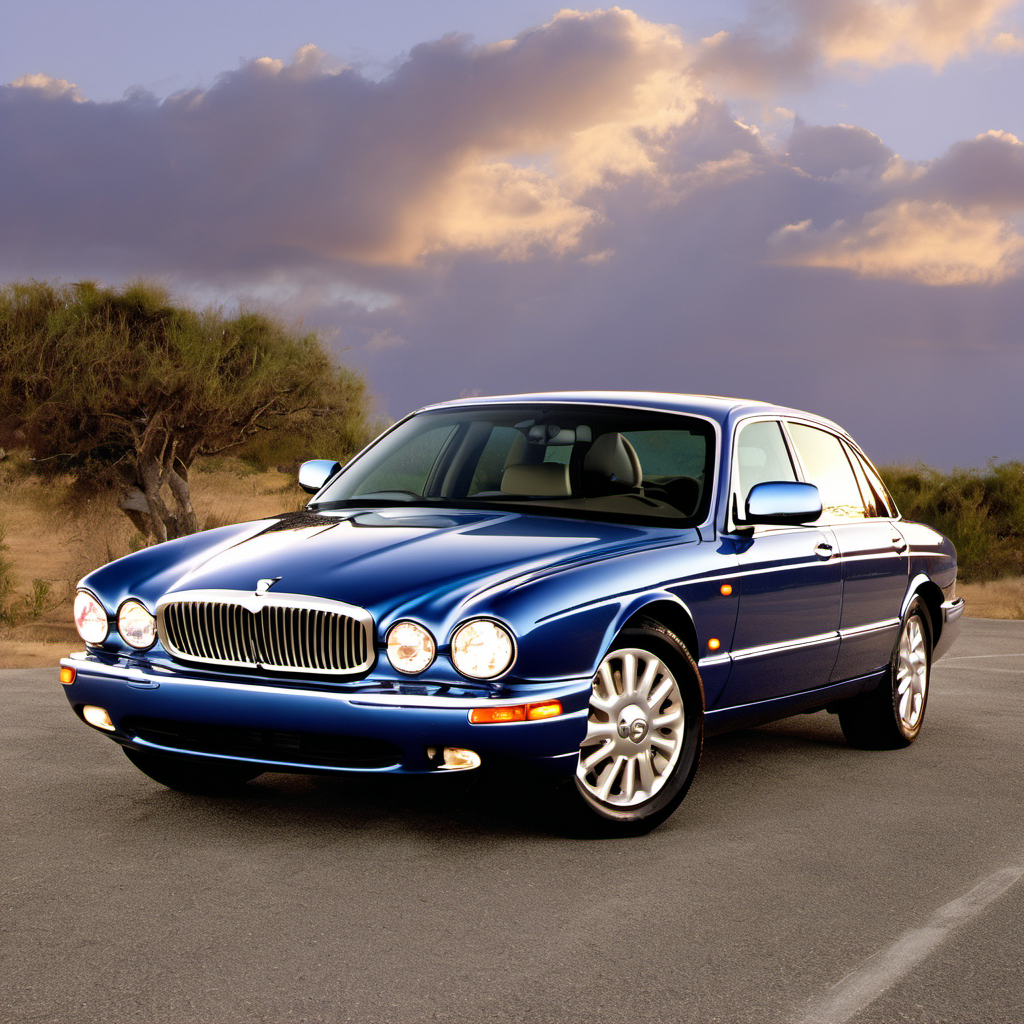
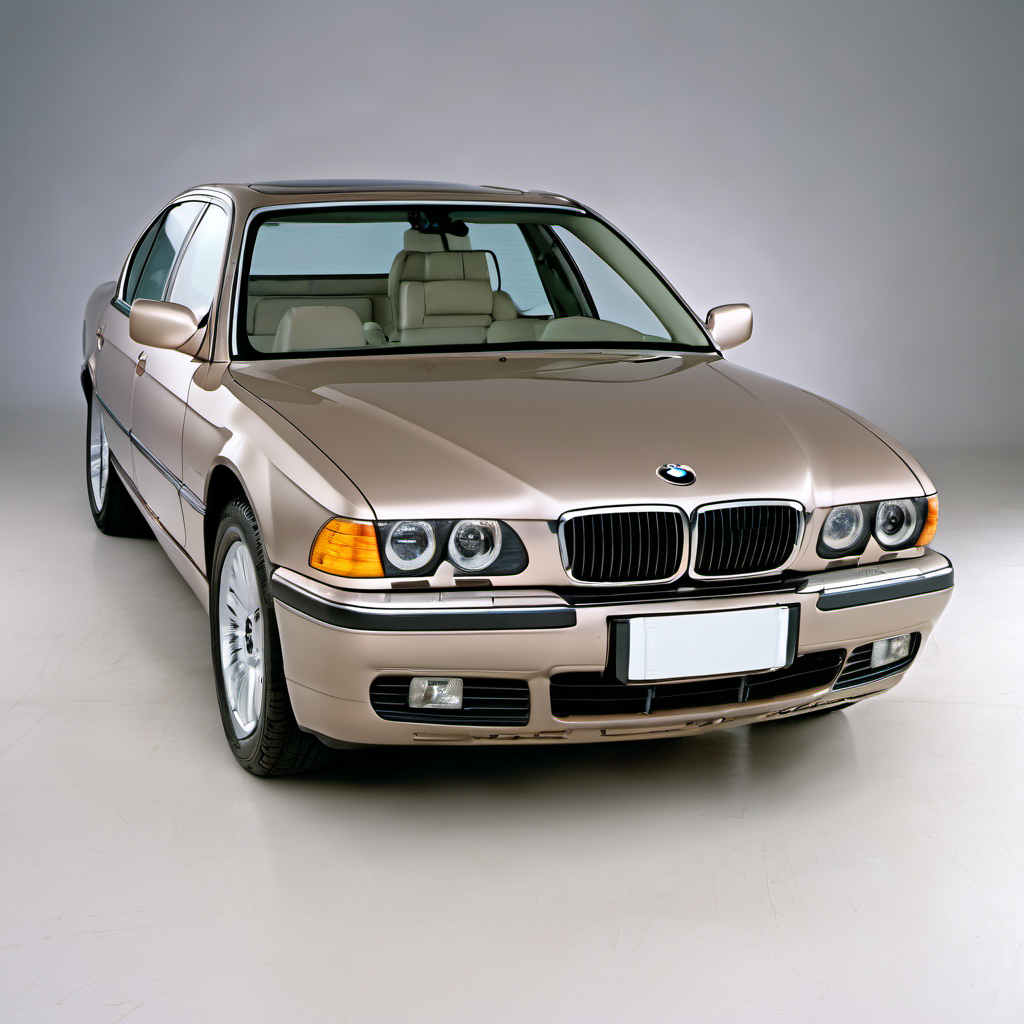
1999 Jaguar XJ Sedan

1999 Jaguar

XJSedan

Sedan

The 1999 Jaguar XJ is a full-size British luxury sedan built on the long-running XJ40/X308 platform. By 1999, Jaguar had updated the XJ to the X308 generation, pairing classic styling cues with a modern 4.0L AJ-V8 engine and a more refined interior. It competed with the BMW 7 Series and Mercedes-Benz S-Class but at a lower price point, making it an attainable luxury car then and now. On the positive side, the XJ rides exceptionally well for its era, the interior is genuinely plush, and the AJ-V8 is smooth and quiet when properly maintained. Long-haul highway comfort is a real strength. The flip side is that this is a late-1990s Jaguar — meaning electrical gremlins are part of ownership, specialty parts can be pricey, and finding a competent independent mechanic familiar with British cars matters a great deal. Budget generously for maintenance and you'll be rewarded; ignore service intervals and costs escalate fast.

Reliability
2/5
Verified data
Specs shown for XJ8 — the most common configuration. Other trims may vary in engine, drivetrain, or fuel economy. Sign in to see your vehicle's exact specs.
Engine
[object Object]
Drivetrain
RWD
Fuel
Premium gasoline
MPG
15 city / 22 hwy / 18 combined
Seats
Doors
Body
Compact Cars

Overview

AI-curated

The 1999 Jaguar XJ is a full-size British luxury sedan built on the long-running XJ40/X308 platform. By 1999, Jaguar had updated the XJ to the X308 generation, pairing classic styling cues with a modern 4.0L AJ-V8 engine and a more refined interior. It competed with the BMW 7 Series and Mercedes-Benz S-Class but at a lower price point, making it an attainable luxury car then and now. On the positive side, the XJ rides exceptionally well for its era, the interior is genuinely plush, and the AJ-V8 is smooth and quiet when properly maintained. Long-haul highway comfort is a real strength. The flip side is that this is a late-1990s Jaguar — meaning electrical gremlins are part of ownership, specialty parts can be pricey, and finding a competent independent mechanic familiar with British cars matters a great deal. Budget generously for maintenance and you'll be rewarded; ignore service intervals and costs escalate fast.

Known for
  • Exceptionally smooth and compliant ride quality
  • Plush, wood-and-leather interior typical of British luxury
  • AJ-V8 engine smoothness and refinement when healthy
  • Classic long-hood, upright-grille Jaguar styling
  • Lower purchase price than German competitors of the same era
Best for
  • Highway cruising and long-distance comfort driving
  • Enthusiasts who enjoy British luxury and can wrench or have a trusted indie shop
  • Buyers who want S-Class-level presence on a 7 Series budget
  • Weekend or secondary vehicle use where reliability pressure is lower
Watch for
  • Electrical system complexity and age-related wiring failures
  • Nikasil cylinder liner issues on early AJ-V8 engines (less common by 1999 but worth checking history)
  • Air suspension components (if equipped) are expensive to repair
  • Deferred maintenance is common on used examples — always pull the full service history
  • Parts sourcing can be slow and costly compared to domestic or Japanese luxury cars

Common issues by mileage

6 known

Timing Chain Tensioner Failure

high
Typically appears
80–140k mi
Estimated repair
$1,200 – $2,800

Valve Cover and Front Cover Oil Leaks

high
Typically appears
60–120k mi
Estimated repair
$400 – $900

Oxygen / Heated O2 Sensor Failure

medium
Typically appears
70–120k mi
Estimated repair
$200 – $500

Air Suspension Compressor or Valve Block Failure (if equipped)

high
Typically appears
80–150k mi
Estimated repair
$600 – $1,800

Electrical/Body Control Module Faults (window regulators, door actuators, instrument cluster)

high
Typically appears
60–130k mi
Estimated repair
$200 – $1,200

Maintenance schedule

  1. 1
    Every 5,000 miles or 6 months Engine oil and filter change — use full synthetic 5W-30 meeting Jaguar spec

    The AJ-V8 timing chain tensioners are hydraulic and depend on clean oil pressure. Extended oil change intervals accelerate tensioner and chain wear — the single most expensive failure on this engine.

  2. 2
    At 80k miles and every 30k thereafter, or any time a cold-start rattle is heard Timing chain tensioner inspection

    Tensioner failure can cause chain slap, jumped timing, and catastrophic engine damage. A cold-start tick that disappears quickly is an early warning sign — don't ignore it.

  3. 3
    Every 3 years or 45,000 miles Coolant system flush and thermostat inspection

    The AJ-V8 is sensitive to overheating. Degraded coolant accelerates head gasket wear. Inspect hoses and the coolant expansion tank for cracks — both are age-susceptible.

  4. 4
    Every 60,000 miles Spark plugs and ignition coils

    Worn plugs cause misfires that can be misdiagnosed as more expensive problems. Coil-on-plug units on this V8 age and fail individually; replace plugs and inspect coils together.

  5. 5
    Every 2 years regardless of mileage Brake fluid flush

    Hygroscopic DOT fluid in a Wisconsin climate absorbs moisture faster due to temperature cycling, lowering boiling point and accelerating caliper corrosion.

  6. 6
    Every fall before winter Battery load test and terminal cleaning

    This car's electrical architecture places heavy demand on the battery. A marginal battery in sub-zero Lake Geneva winters causes cascading module faults and hard starts. Don't wait for a failure.

  7. 7
    Annually or any time the car sits low overnight Air suspension system inspection (ride height, compressor operation, air lines)

    Air line fittings and the compressor membrane degrade with age. Early inspection catches cheap fixes before they become compressor replacements.

  8. 8
    Every 30,000 miles Fuel filter replacement

    Often skipped on luxury cars. A restricted fuel filter stresses the in-tank pump, which is expensive to replace on this platform.

Always defer to the manufacturer's service manual for warranty-mandated intervals.

Cost of ownership

Annual maintenance
$1,200 – $3,500
Fuel
Premium unleaded required. At 18 MPG combined and ~15,000 miles/year, expect roughly $2,500–$3,200/year depending on current premium prices.
Insurance
Typically moderate for a late-1990s luxury sedan — expect $900–$1,500/year for a typical adult driver in the Lake Geneva area, though agreed-value classic coverage may be worth exploring at this vehicle's age.

The XJ's purchase price is low for a car of this quality, but ongoing costs are not. Budget $1,200–$3,500/year for routine maintenance at an independent shop; in years where timing chains, suspension, or electrical work is needed, costs can exceed $5,000. This is fundamentally a car where the low sticker price is offset by above-average upkeep expenses. It rewards owners who stay ahead of maintenance, and penalizes those who don't.
Seasonal care

Lake Geneva, WI
Winter
  • Load-test the battery every fall — sub-zero starts are brutal on aging batteries and a weak one triggers multiple module fault codes on this car's electrical system.
  • Switch to full synthetic 5W-30 if not already; cold cranking on thicker oil starves the hydraulic timing chain tensioners on initial startup.
  • Flush brake fluid before winter — moisture-laden fluid lowers boiling point and accelerates corrosion in calipers exposed to road salt.
  • Apply underbody corrosion protection spray to suspension components and exposed lines; Wisconsin road salt is aggressive and this car's air suspension lines are vulnerable.
  • Use -40°F-rated washer fluid — anything less will freeze on the windshield at highway speed on a Lake Geneva January morning.
  • Keep the fuel tank above half to prevent fuel line moisture issues and ease cold starts with the returnless fuel system.
Summer
  • Check tire pressure every two to three weeks — each 10°F rise in ambient temperature adds roughly 1 PSI, and the XJ's handling balance is sensitive to pressure changes.
  • Inspect the A/C system refrigerant level and cabin air filter before peak heat; the XJ's climate control system is complex and a failing A/C compressor is a costly summer surprise.
  • Check coolant level and condition — the AJ-V8 does not tolerate overheating, and summer stop-and-go traffic is when marginal cooling systems fail.
  • Inspect rubber suspension bushings and air lines for heat-related cracking; UV and heat accelerate deterioration on 25-year-old rubber components.

Comparable vehicles

If you're shopping for one

Red flags
  • Cold-start timing chain rattle that takes more than a few seconds to quiet — budget for immediate engine work or walk away.
  • Any evidence of overheating history (stained coolant reservoir, milky oil cap residue, warped plastic around coolant system).
  • Car sitting low on one or more corners at rest — air suspension failure that the seller hasn't disclosed.
  • Scan showing multiple U-code (network) DTCs stored simultaneously — often indicates deeper wiring or module issues, not just sensor faults.
  • No service records whatsoever — on a 25-year-old Jaguar, this is a serious red flag given the maintenance sensitivity of the platform.
  • Cracked or peeling dashboard and deteriorated door seals — signs of a car that lived outdoors and may have moisture intrusion into the electrical system.
What to inspect
  • Cold-start the engine and listen for any timing chain rattle in the first 10–15 seconds — this is the single most important check on the AJ-V8.
  • Scan all modules for stored and pending DTCs before purchase; U-codes (network communication) indicate potentially expensive electrical diagnosis.
  • If equipped with air suspension, check that all four corners sit level and the car doesn't sag overnight. Ask when the compressor was last serviced.
  • Inspect the undercarriage for rust, especially around the rear subframe, suspension mounting points, and air suspension lines — Wisconsin cars are at high risk.
  • Check all power windows, mirrors, door locks, and the sunroof (if equipped) — body control faults are common and individual actuator repairs add up fast.
  • Look for oil leaks at the valve covers and front of the engine; minor seepage is common but heavy leaks indicate deferred maintenance.
  • Request a full service history with receipts — a Jaguar without documented maintenance is a significant financial risk.
AI profile generated 4 days ago · claude-sonnet-4-6 · v2.