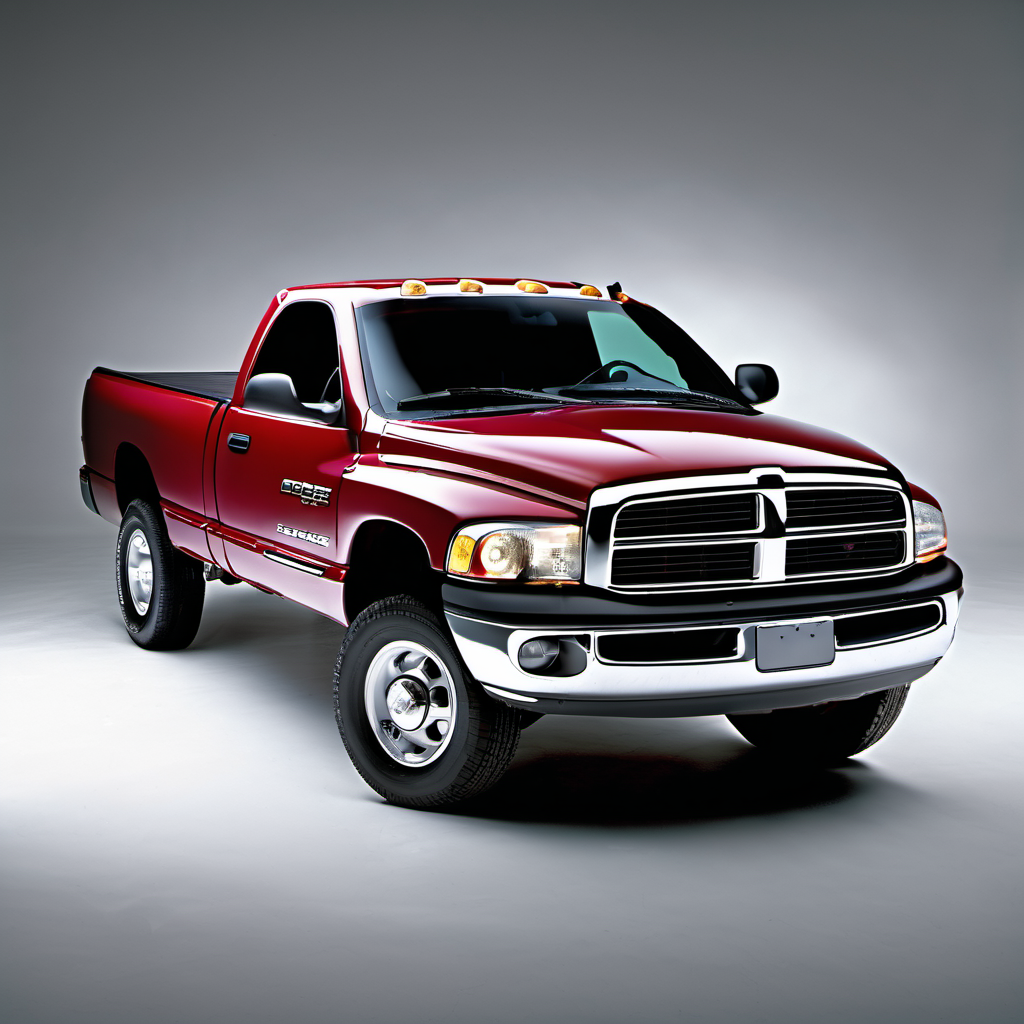
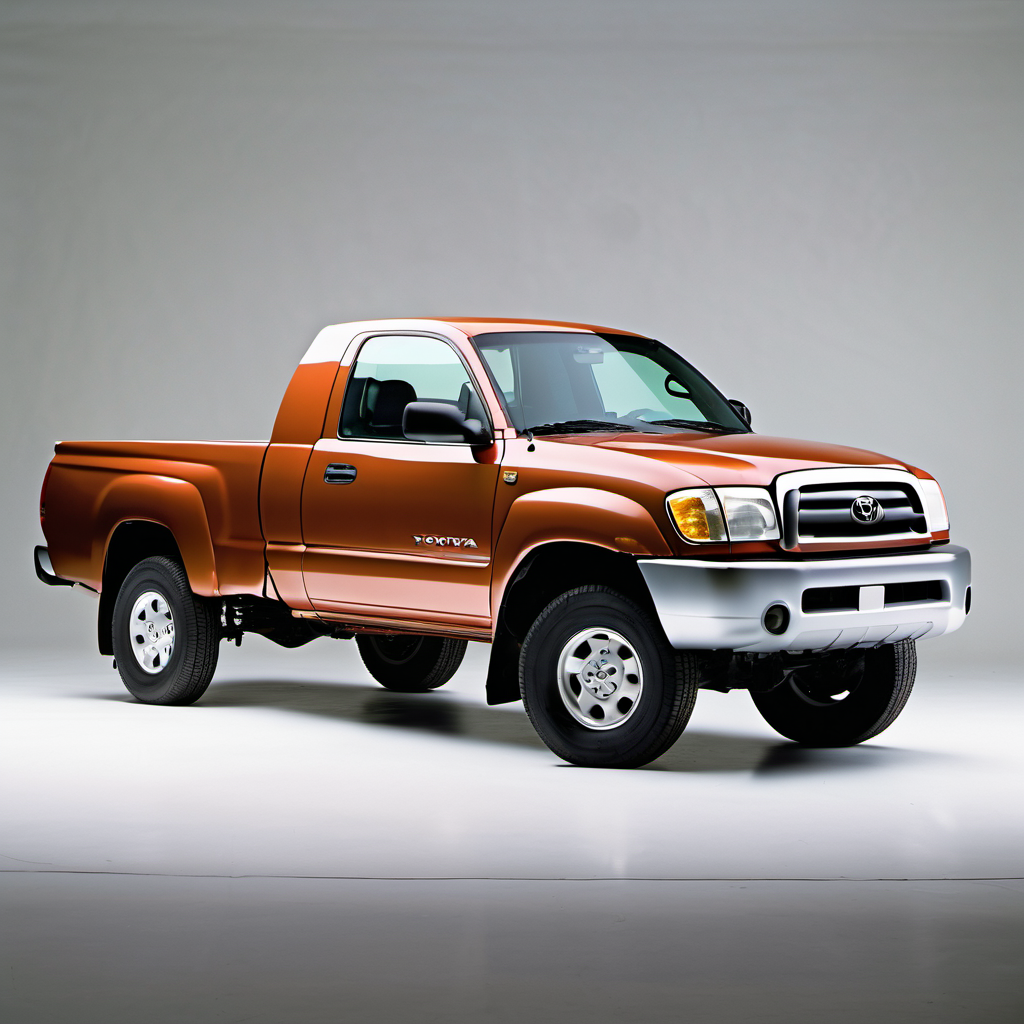
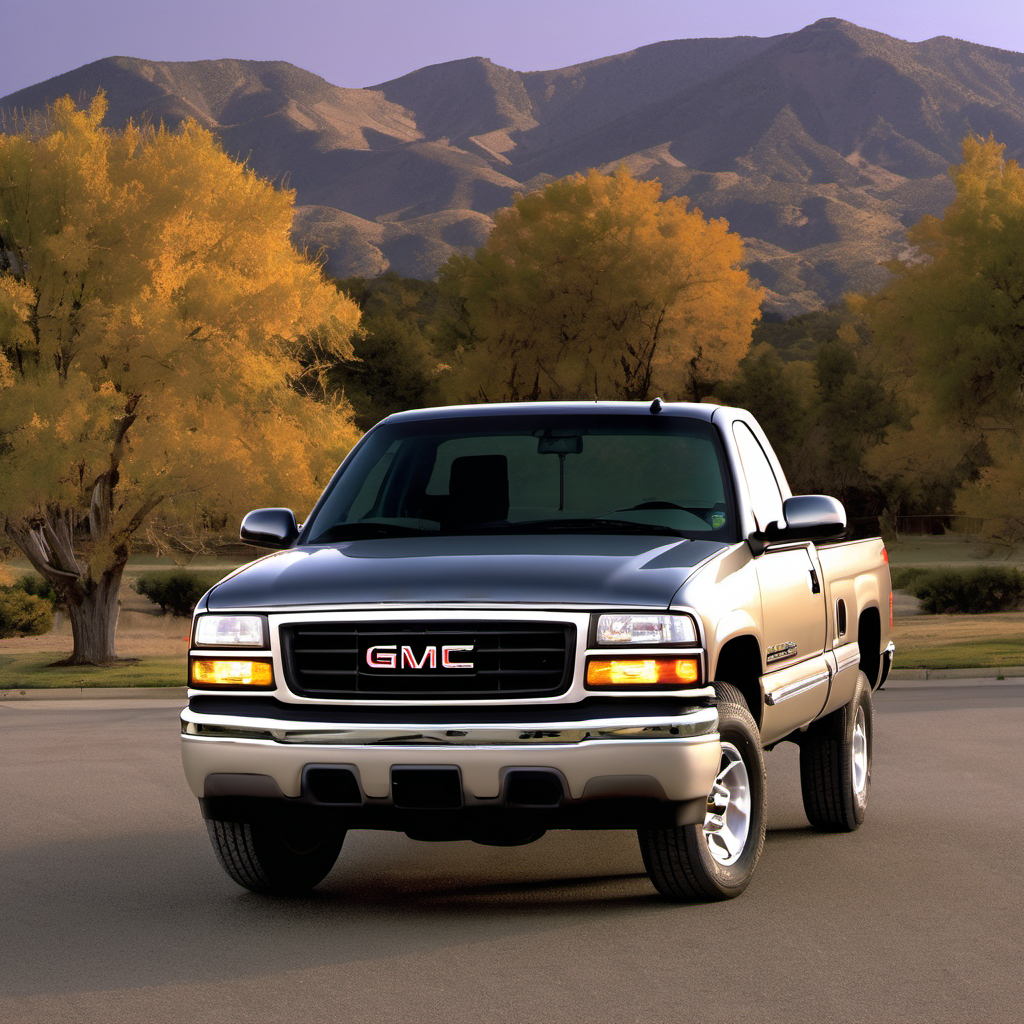
1999 Ford F-150
Popular pick

1999 Ford

F-150

5.4L Triton V8

The 1999 Ford F-150 was the second model year of the all-new 10th-generation platform (1997–2003), a major redesign that shifted the F-150 into a more car-like experience without sacrificing truck capability. Ford offered it in Regular, SuperCab, and the new SuperCrew body styles, with a range of engines topping out with the 5.4L Triton V8 — a torquey, capable powerplant that went on to have a long life in Ford's lineup. This generation is notable for being the first F-150 with a fully boxed rear frame section and independent front suspension, which improved ride quality but introduced new wear points compared to the older solid-axle trucks. The 5.4L Triton V8 delivers strong low-end torque for towing and hauling, making this a genuinely capable work truck even by today's standards. At 25+ years old, these trucks are well into high-mileage territory. The ones still running are often either well-maintained workhorses or neglected survivors. Rust is the primary enemy in Wisconsin — inspect aggressively before buying. Mechanically, the 5.4L two-valve Triton has known spark plug and timing chain issues that every prospective buyer should understand going in.

Reliability
3/5
Specs shown for F150 Pickup 2WD — the most common configuration. Other trims may vary in engine, drivetrain, or fuel economy. Sign in to see your vehicle's exact specs.
Engine
[object Object]
Drivetrain
4WD/4-Wheel Drive/4x4
Fuel
Gasoline
MPG
13 city / 17 highway
Seats
Doors
Body
Standard Pickup Trucks 2WD
MSRP
$24,425

Overview

AI-curated

The 1999 Ford F-150 was the second model year of the all-new 10th-generation platform (1997–2003), a major redesign that shifted the F-150 into a more car-like experience without sacrificing truck capability. Ford offered it in Regular, SuperCab, and the new SuperCrew body styles, with a range of engines topping out with the 5.4L Triton V8 — a torquey, capable powerplant that went on to have a long life in Ford's lineup. This generation is notable for being the first F-150 with a fully boxed rear frame section and independent front suspension, which improved ride quality but introduced new wear points compared to the older solid-axle trucks. The 5.4L Triton V8 delivers strong low-end torque for towing and hauling, making this a genuinely capable work truck even by today's standards. At 25+ years old, these trucks are well into high-mileage territory. The ones still running are often either well-maintained workhorses or neglected survivors. Rust is the primary enemy in Wisconsin — inspect aggressively before buying. Mechanically, the 5.4L two-valve Triton has known spark plug and timing chain issues that every prospective buyer should understand going in.

Known for
  • Stout 5.4L Triton V8 torque for towing and hauling
  • Independent front suspension — smoother ride than older solid-axle F-150s
  • Huge aftermarket and parts availability
  • Spark plug blowout issues on the 5.4L two-valve engine
  • Frame and body rust in salt-belt states
Best for
  • Buyers needing a capable, affordable used work truck
  • Towing and hauling moderate loads
  • DIY mechanics — parts are cheap and abundant
  • Owners who can tolerate older tech for low purchase price
Watch for
  • Rust on frame rails, cab corners, and bed floor — severe in Wisconsin
  • Spark plug blowout or stripped plug threads on 5.4L (two-valve head design flaw)
  • Timing chain tensioner wear on high-mileage 5.4L engines
  • 4WD system (manual transfer case shift) — frozen or worn components common
  • Brake line corrosion from decades of road salt exposure

Common issues by mileage

6 known

Spark Plug Blowout (5.4L Two-Valve)

high
Typically appears
80–150k mi
Estimated repair
$300 – $900

Timing Chain Tensioner / Guide Wear

medium
Typically appears
120–200k mi
Estimated repair
$600 – $1,400

4WD Vacuum Hub or Transfer Case Shift Issues

medium
Typically appears
80–150k mi
Estimated repair
$150 – $600

Frame and Brake Line Rust (Salt-Belt)

high
Typically appears
Any mileage on WI trucks
Estimated repair
$400 – $3,000

4R70W Transmission Solenoid or Torque Converter Issues

low
Typically appears
130–200k mi
Estimated repair
$300 – $1,800

Maintenance schedule

  1. 1
    Every 60k mi or at purchase on an unknown-history truck Spark plug inspection and replacement

    The 5.4L two-valve is prone to plug blowout when plugs are left in too long. Use the correct torque spec and anti-seize. Don't let plugs go past 100k mi.

  2. 2
    Every 5,000 mi with conventional oil Engine oil and filter change

    The 5.4L timing chain tensioners are oil-pressure dependent. Dirty or low oil accelerates tensioner and guide wear significantly.

  3. 3
    Every 30,000 mi, especially on trucks used for towing Transmission fluid change (4R70W)

    Ford did not always call for regular fluid changes, but this transmission lives longer with fresh fluid. Dark, burnt-smelling fluid is a warning sign.

  4. 4
    Annually before winter; fluid every 30k mi 4WD system engagement check and front axle fluid service

    Vacuum-actuated hubs and the front axle sit unused in 2WD for months. Check engagement before the first Wisconsin snowfall, not during it.

  5. 5
    Every fall before salt season Inspect and treat frame, cab corners, and bed floor for rust

    Road salt in Lake Geneva area winters is relentless. Catch surface rust early — once frame rails are perforated, repair costs climb sharply.

  6. 6
    Annually Brake line inspection

    Steel brake lines on these trucks corrode from the inside out. A blown line is a loss-of-braking event. Look for bubbling, pitting, or white crusty deposits along the lines.

  7. 7
    Every 60k mi or every 5 years Coolant flush and thermostat inspection

    The 5.4L runs warm; a weak thermostat or degraded coolant can lead to overheating, which is hard on head gaskets at this engine's age.

  8. 8
    Every fall Battery load test

    A battery that starts fine in summer can fail at -10°F. The 5.4L V8 draws significant cranking current in cold weather. Replace any battery showing weak load-test results before December.

Always defer to the manufacturer's service manual for warranty-mandated intervals.

Cost of ownership

Annual maintenance
$600 – $1,800
Fuel
Expect $2,400–$3,200/year at typical Wisconsin driving (12,000 mi/yr) based on 13–14 MPG combined and current regular gas prices. Budget more if towing frequently.
Insurance
Generally low — older truck with modest book value. Expect $700–$1,200/year for full coverage depending on driving history; liability-only significantly less.

The 1999 F-150 5.4L is cheap to buy and cheap to insure, but fuel costs are real — this is not a frugal daily driver. Maintenance costs are moderate when the truck is healthy, but one deferred repair (spark plugs, timing chain, brake lines) can spike costs sharply. Budget a $1,000–$2,000 'catch-up' fund when buying any high-mileage example with unknown service history.
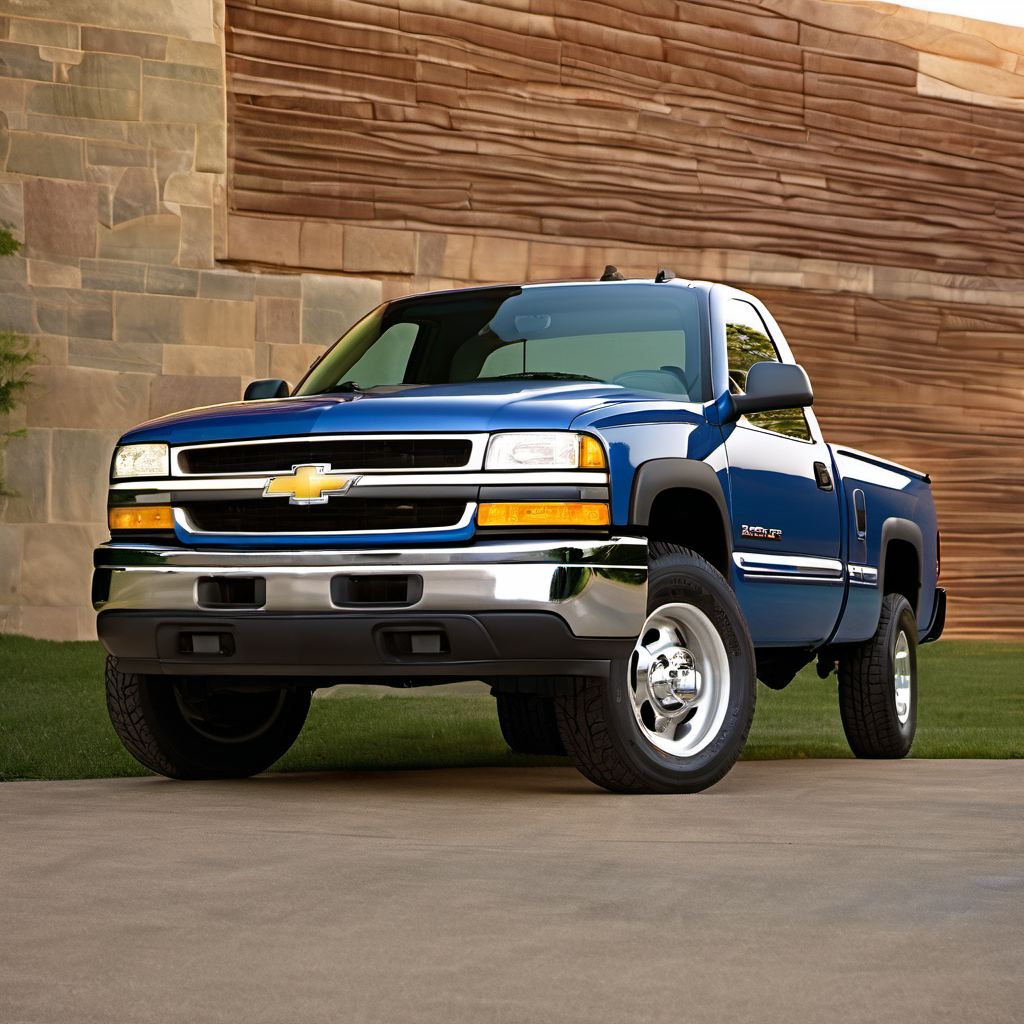
Seasonal care

Lake Geneva, WI
Winter
  • Load-test the battery every fall — the 5.4L V8 needs strong cranking power at sub-zero temperatures common in Lake Geneva.
  • Switch to a 5W-30 or 0W-30 full synthetic if the truck sees regular cold starts below 0°F; the 5.4L timing chain tensioners depend on fast oil pressure at startup.
  • Test 4WD engagement before the first snowfall — vacuum hubs and the transfer case shift mechanism can seize after a summer of sitting in 2WD.
  • Fill washer fluid reservoir with a rated -25°F or colder formula; check lines and nozzles for blockage.
  • Inspect wiper blades and consider winter-style blades to prevent snow and ice packing under the blade frame.
  • Rinse the undercarriage — especially frame rails and brake lines — after heavy salt exposure. A $10 car wash in January can prevent a $1,500 brake line job.
Summer
  • Check tire pressure monthly — pressure drops roughly 1 PSI per 10°F temperature change, so winter-set pressures will be low by July.
  • Inspect the A/C system — these trucks are now 25+ years old and refrigerant leaks from aged O-rings and seals are common. Recharge won't hold if there's a leak; fix the root cause.
  • Monitor coolant temperature on hot days, especially when towing or idling in traffic. A weak water pump or clogged radiator will reveal itself in summer heat.
  • Check and top off the power steering fluid — seals age and leak slowly; low fluid causes pump wear and erratic steering feel.

Comparable vehicles

If you're shopping for one

Red flags
  • Any visible perforation or soft spots in the frame rails — walk away.
  • White exhaust smoke at operating temperature — possible head gasket issue on a high-mileage 5.4L.
  • A seller who can't explain recent spark plug service on a 150k+ mile truck.
  • Fresh undercoating sprayed on the frame and underbody of a truck being sold as 'rust free.'
  • Brake lines with visible heavy pitting, bubbling paint, or white salt deposits — replacement is mandatory before safe driving.
  • Oil that looks milky or a coolant reservoir with oily residue — signs of internal coolant leak.
What to inspect
  • Frame rails underneath — poke with a screwdriver; soft or flaking metal means structural rust that may be uneconomical to repair.
  • Cab corners, rocker panels, and bed floor for rust-through — common on all Wisconsin trucks of this age.
  • Spark plugs: ask for service records or compression test. A plug blowout repair done right is fine; one that was 'patched' with a thread insert is a risk.
  • 4WD engagement — test in a parking lot. It should engage smoothly; grinding or refusal to engage means vacuum hub or transfer case work is needed.
  • Transmission behavior: smooth 1-2 and 2-3 shifts, no slipping or shuddering under light throttle. A shudder during a torque converter lockup is a common 4R70W sign.
  • Brake pedal feel — spongy or low pedal on a 25-year-old truck could mean corroded brake lines that are near failure.
  • Check underneath for any fresh undercoating that might be hiding rust — a common seller trick on older Midwest trucks.
AI profile generated 4 days ago · claude-sonnet-4-6 · v2.