Air Suspension Failure (Rear Air Springs or Compressor)
high- Typically appears
- 80–150k mi
- Estimated repair
- $400 – $1,200
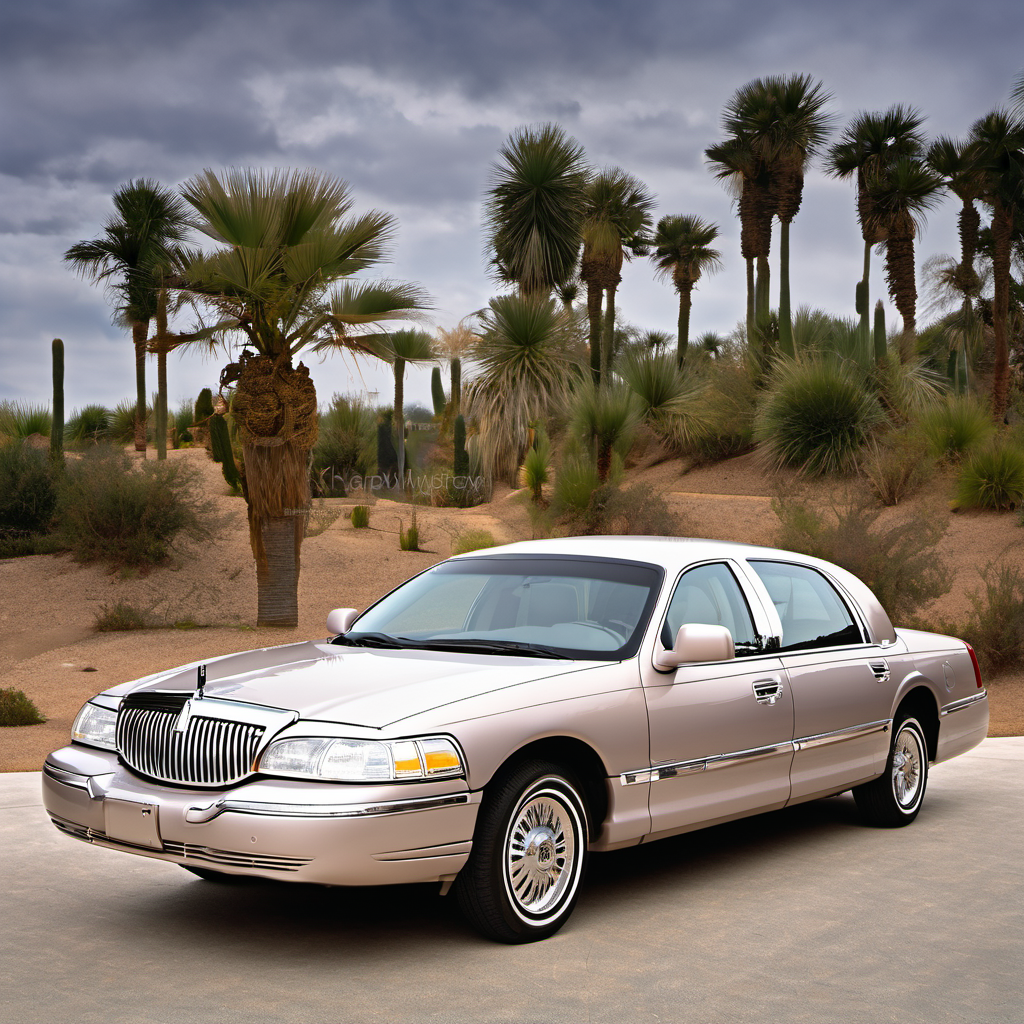
1998 Lincoln
Sedan
The 1998 Lincoln Town Car is a full-size, body-on-frame rear-wheel-drive luxury sedan built on Ford's Panther platform — the same architecture shared with the Crown Victoria and Mercury Grand Marquis. By 1998, the Town Car had settled into a mature, well-sorted generation (1995–1997 was the redesign; 1998 carried forward with refinements) that prioritized a smooth, quiet ride over driving engagement. It was a genuine flagship for Lincoln: spacious, whisper-quiet on the highway, and aimed squarely at buyers who wanted American luxury done in a traditional, unhurried way. Under the hood sits Ford's 4.6L SOHC V8 — a proven, long-lived engine also found in the Mustang GT and police-spec Crown Victorias. It's not a performance engine, but it's extremely durable and well understood by any shop that works on Fords. The 4-speed automatic transmission is similarly bulletproof by this era. At 26 years old, most surviving examples have high miles, but the Panther platform is one of the few where that doesn't automatically mean trouble. The Town Car's Achilles heel is its air suspension, which virtually all examples of this era carry. When it works, the ride is exceptional. When it fails — and it does fail — it can be expensive and frustrating. Budget for that going in, and you'll enjoy one of the most comfortable and mechanically straightforward American cars ever built.
The 1998 Lincoln Town Car is a full-size, body-on-frame rear-wheel-drive luxury sedan built on Ford's Panther platform — the same architecture shared with the Crown Victoria and Mercury Grand Marquis. By 1998, the Town Car had settled into a mature, well-sorted generation (1995–1997 was the redesign; 1998 carried forward with refinements) that prioritized a smooth, quiet ride over driving engagement. It was a genuine flagship for Lincoln: spacious, whisper-quiet on the highway, and aimed squarely at buyers who wanted American luxury done in a traditional, unhurried way. Under the hood sits Ford's 4.6L SOHC V8 — a proven, long-lived engine also found in the Mustang GT and police-spec Crown Victorias. It's not a performance engine, but it's extremely durable and well understood by any shop that works on Fords. The 4-speed automatic transmission is similarly bulletproof by this era. At 26 years old, most surviving examples have high miles, but the Panther platform is one of the few where that doesn't automatically mean trouble. The Town Car's Achilles heel is its air suspension, which virtually all examples of this era carry. When it works, the ride is exceptional. When it fails — and it does fail — it can be expensive and frustrating. Budget for that going in, and you'll enjoy one of the most comfortable and mechanically straightforward American cars ever built.
The rubber air springs crack and the compressor wears out — this is the #1 failure point on this vehicle. Catching a slow leak early is far cheaper than replacing a burned-out compressor that ran continuously trying to compensate.
The 4.6L SOHC runs clean on conventional oil but benefits from consistent change intervals. Neglected oil is the fastest way to shorten this engine's otherwise long life.
Ford's 4-speed automatic in this era is robust but the fluid degrades. A simple drain-and-fill at an independent shop keeps it shifting cleanly and extends clutch pack life.
The 4.6L is prone to coolant leaks at the intake and thermostat housing as gaskets age. Fresh coolant also protects against freeze cracking in Wisconsin winters.
This generation uses a coil-on-plug setup. Misfires often trace back to worn plugs or a single failed coil — inexpensive to fix but easy to ignore until it causes rough running or catalytic converter damage.
Brake fluid absorbs moisture over time, lowering boiling point. Wisconsin's freeze-thaw cycles make this especially important for brake system longevity.
The Panther platform's frame and floor pans are vulnerable to road salt. Getting under the car each spring to inspect and treat any new rust spots can add years to the vehicle's structural life.
This large V8 needs a strong battery to start reliably in sub-zero Wisconsin winters. A battery that passes a summer voltage test can still fail a cold-crank test — load test it, don't just voltage check it.
Always defer to the manufacturer's service manual for warranty-mandated intervals.
Day-to-day running costs are modest if the air suspension is in good shape. The 4.6L V8 and automatic are cheap to maintain at an independent shop. Budget for one air suspension repair in the first two years of ownership — assume $500–$1,200 — and the car becomes very economical to keep. Fuel cost is this vehicle's biggest ongoing expense given its 18 MPG combined rating.
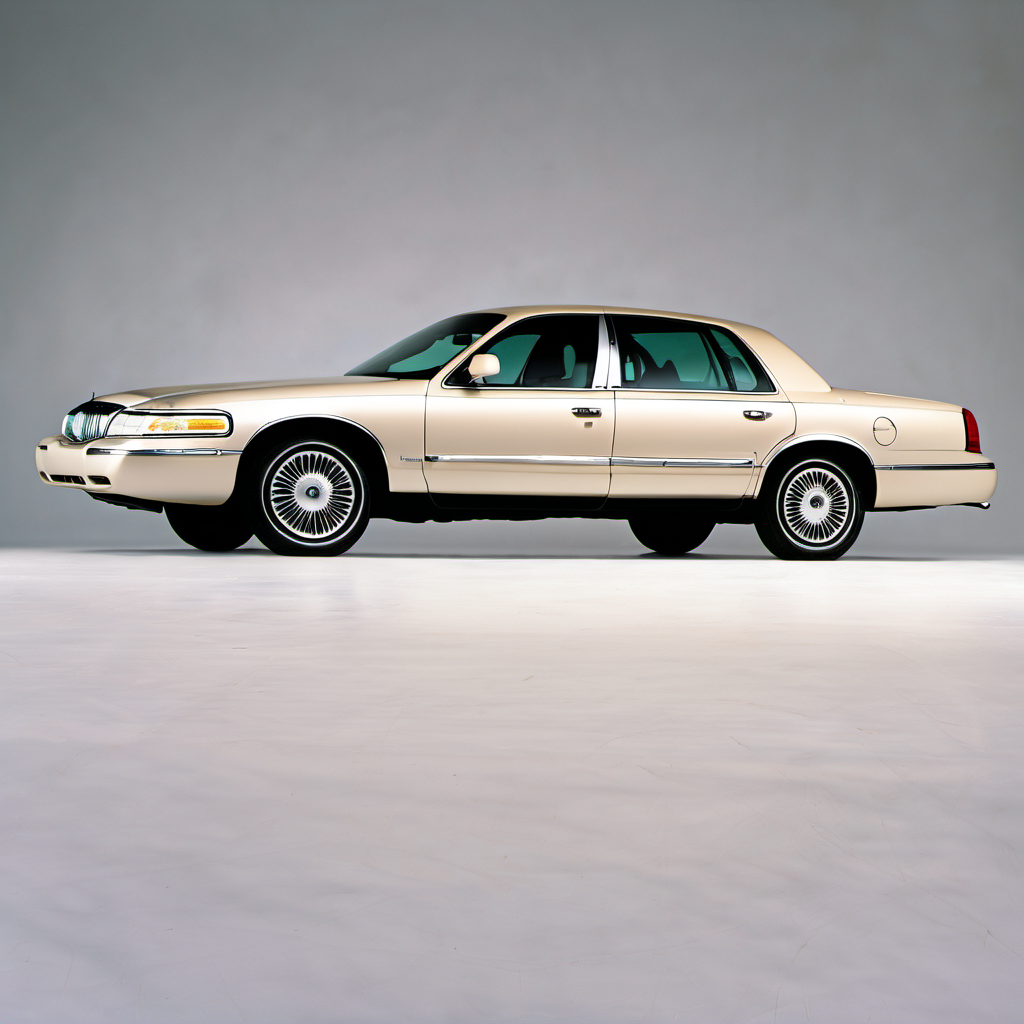
Mechanically identical Panther-platform sibling — same 4.6L V8, same transmission, same air suspension option. Slightly less prestigious badge means lower purchase prices for the same mechanical reality.

The third Panther-platform sibling. Less luxury trim but the same drivetrain and outstanding parts availability. The police interceptor versions are especially well-maintained used finds.
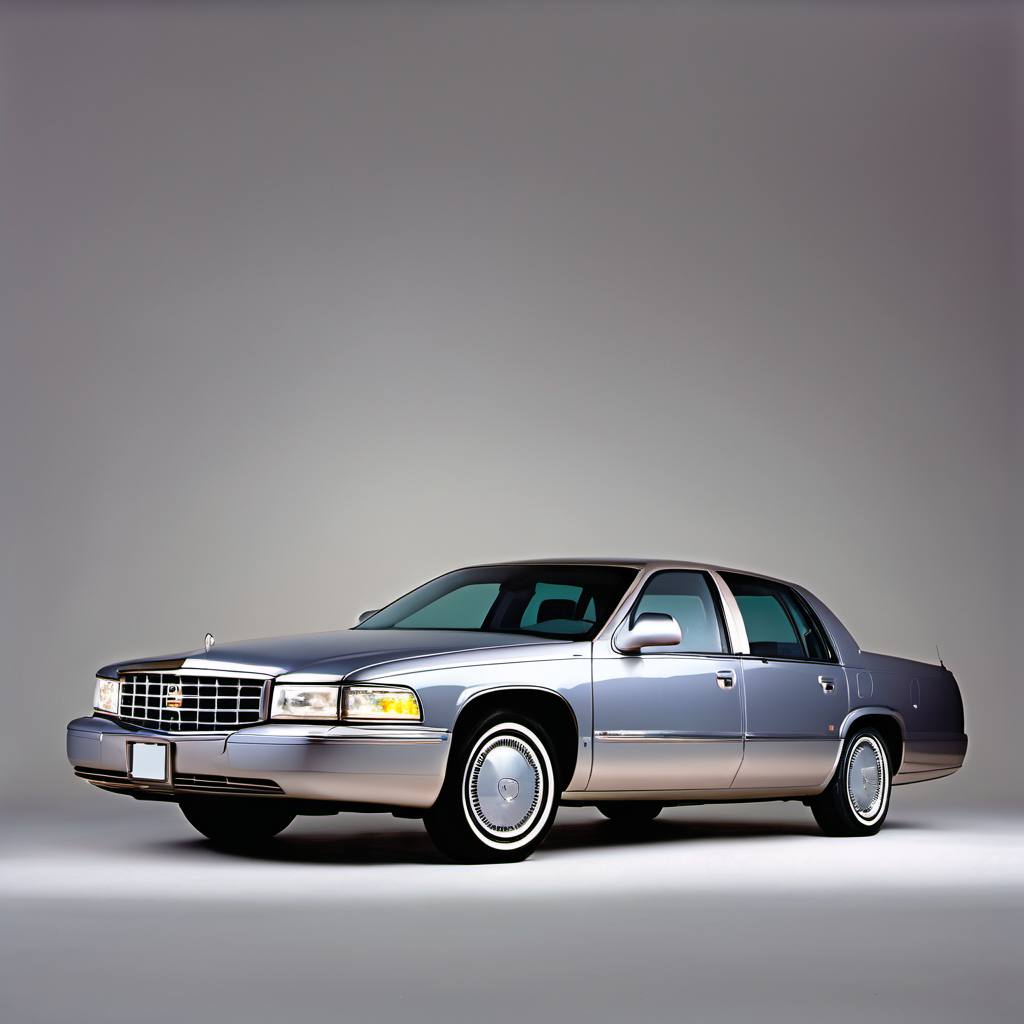
Direct American luxury full-size sedan competitor. More brand prestige but the Northstar V8 of this era is significantly more problematic than the 4.6L Ford — compare carefully before choosing.
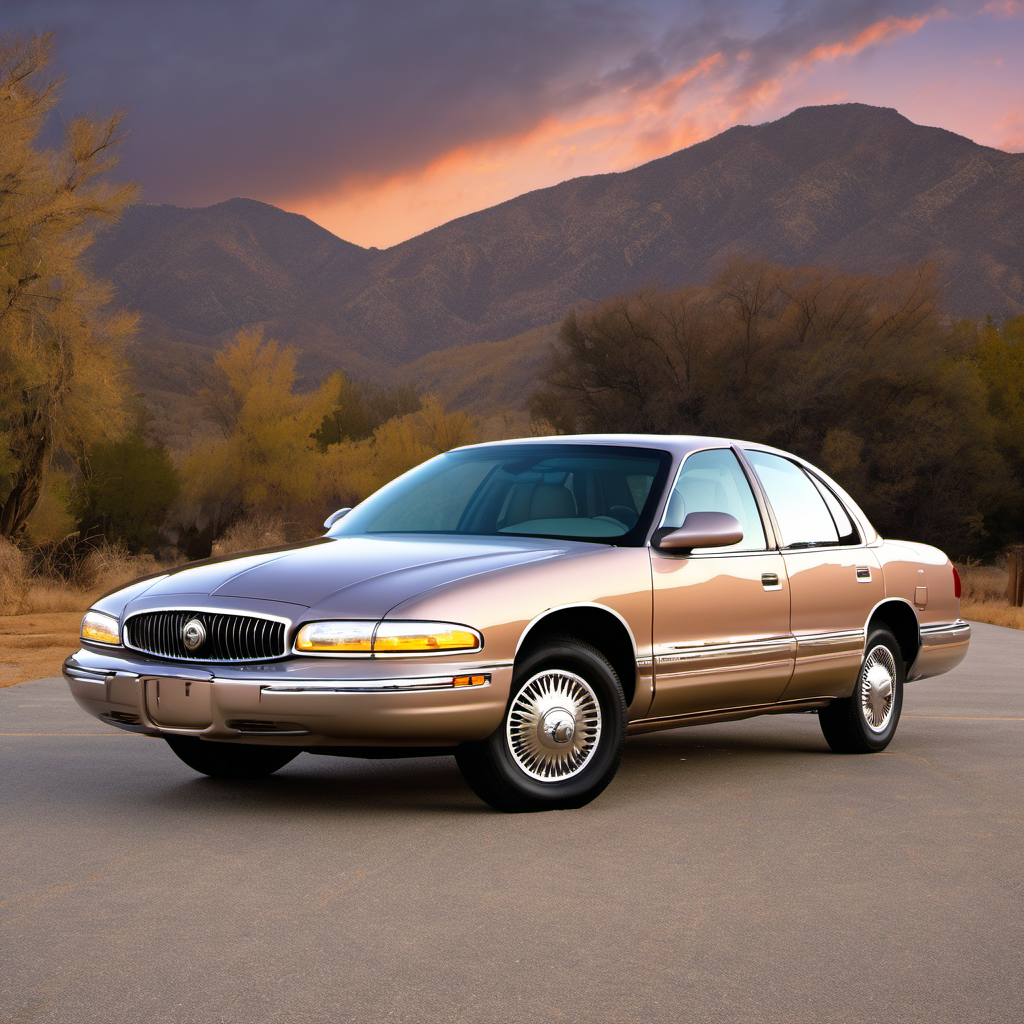
A step down in size and prestige but similarly oriented toward smooth, comfortable long-distance cruising. The 3800 V6 is one of GM's most reliable engines. Good alternative if ride comfort is the priority but budget is tighter.