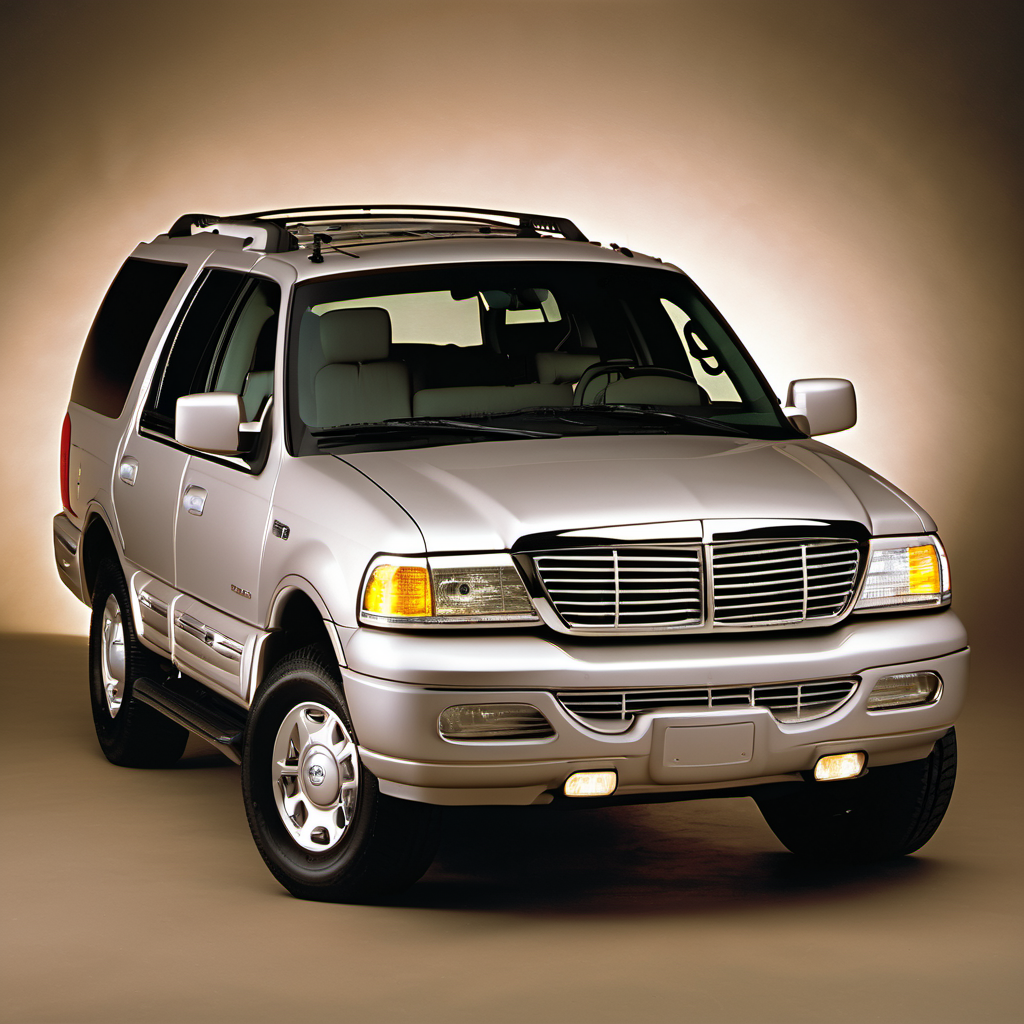
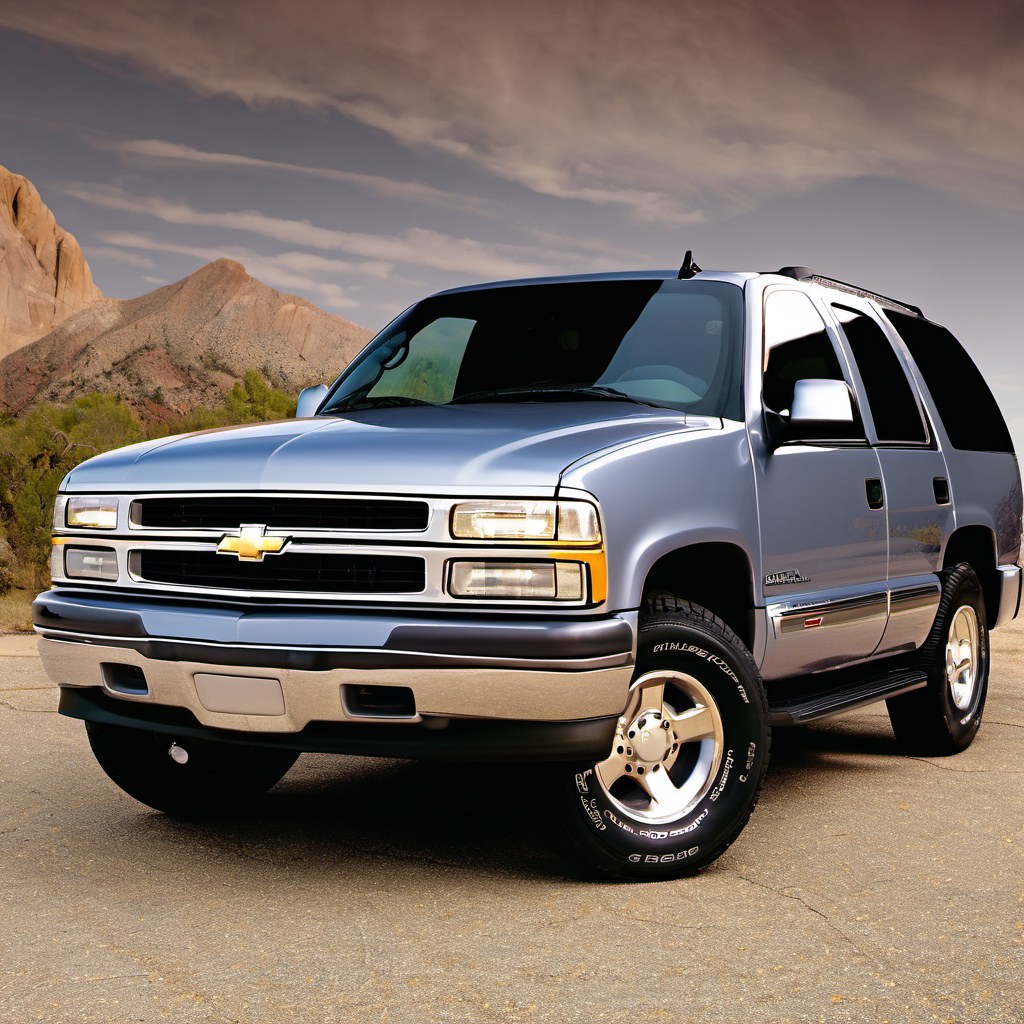
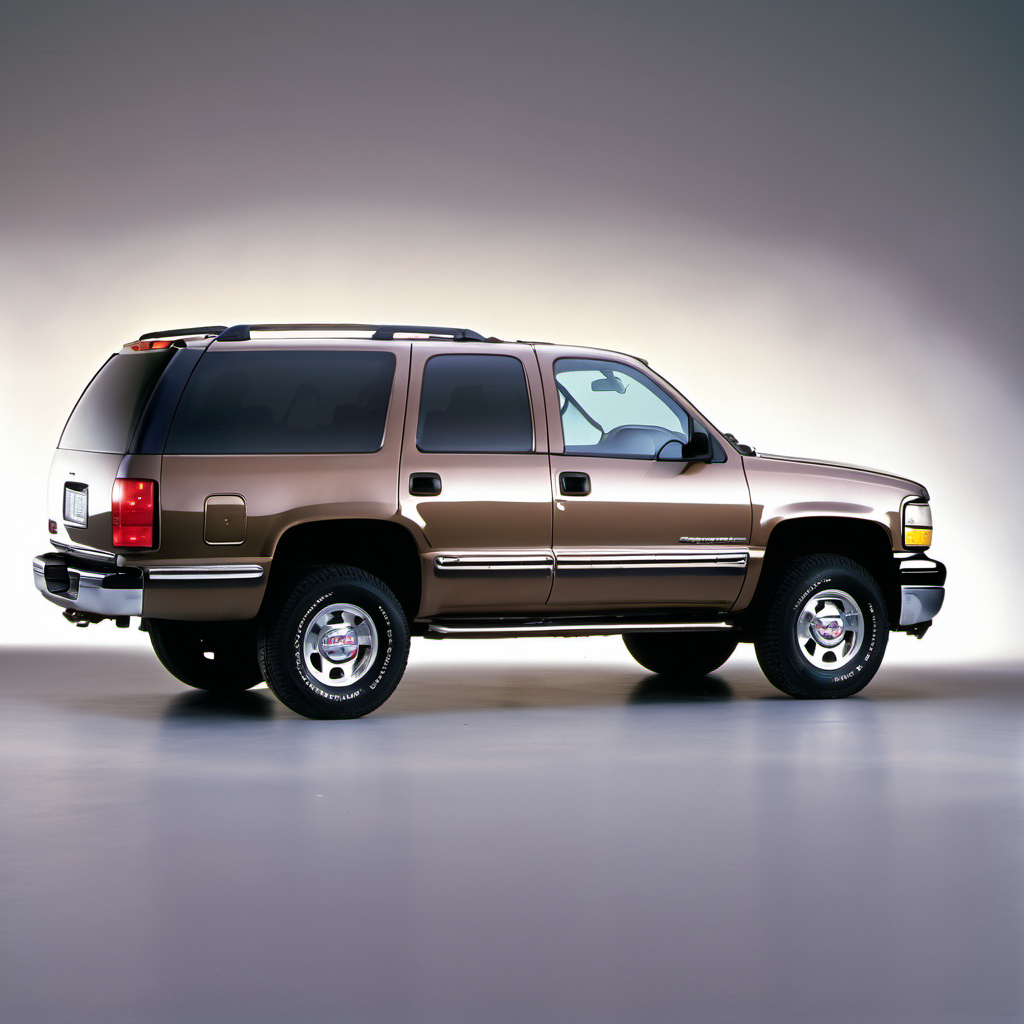
1998 Lincoln Navigator SUV

1998 Lincoln

NavigatorSUV

SUV

The 1998 Lincoln Navigator was a landmark vehicle — the first true full-size luxury SUV, essentially a luxed-up Ford Expedition on the same body-on-frame platform. It arrived with a 5.4L V8, genuine towing capability, and a cabin that was noticeably more upscale than anything else in its class at the time. Lincoln sold them as fast as they could build them in the late '90s. At 25+ years old, these trucks are now deep into used-vehicle territory. Survivors are mostly in the hands of people who appreciate the old-school big-truck feel, need the tow capacity, or want a piece of '90s Lincoln history on the cheap. Parts availability is still reasonable since the drivetrain shares so much with the F-150 and Expedition. Expect rough edges on any example you find today. The air suspension (if equipped), electrical gremlins, and rust from Wisconsin road salt are the three biggest threats. A well-cared-for example can still be a useful truck, but budget for catch-up maintenance.

Reliability
2/5
Verified data
Specs shown for Navigator 2WD — the most common configuration. Other trims may vary in engine, drivetrain, or fuel economy. Sign in to see your vehicle's exact specs.
Engine
[object Object]
Drivetrain
RWD
Fuel
Gasoline
MPG
12 city / 16 hwy / 13 combined
Seats
Doors
Body
Special Purpose Vehicle 2WD

Overview

AI-curated

The 1998 Lincoln Navigator was a landmark vehicle — the first true full-size luxury SUV, essentially a luxed-up Ford Expedition on the same body-on-frame platform. It arrived with a 5.4L V8, genuine towing capability, and a cabin that was noticeably more upscale than anything else in its class at the time. Lincoln sold them as fast as they could build them in the late '90s. At 25+ years old, these trucks are now deep into used-vehicle territory. Survivors are mostly in the hands of people who appreciate the old-school big-truck feel, need the tow capacity, or want a piece of '90s Lincoln history on the cheap. Parts availability is still reasonable since the drivetrain shares so much with the F-150 and Expedition. Expect rough edges on any example you find today. The air suspension (if equipped), electrical gremlins, and rust from Wisconsin road salt are the three biggest threats. A well-cared-for example can still be a useful truck, but budget for catch-up maintenance.

Known for
  • First full-size luxury SUV — defined the segment
  • 5.4L Triton V8 with plenty of torque for towing
  • Plush interior with genuine Lincoln luxury touches
  • Shared F-150/Expedition platform means decent parts availability
Best for
  • Buyers who want old-school body-on-frame durability
  • Light to moderate towing (up to ~8,500 lbs)
  • Those who can do their own wrenching or have a trusted independent shop
  • Classic late-'90s luxury truck enthusiasts
Watch for
  • Air suspension failure — very common and expensive to repair or convert
  • Rust on frame, rocker panels, and brake lines from road salt exposure
  • Spark plug blowout on the 5.4L (threads strip in aluminum heads)
  • Electrical gremlins in aging body and network modules
  • Fuel economy is genuinely poor — budget for it

Common issues by mileage

6 known

Spark Plug Blowout / Thread Stripping (5.4L)

high
Typically appears
80k–180k mi
Estimated repair
$400 – $1,200

4-Speed Automatic Transmission Wear

medium
Typically appears
120k–200k mi
Estimated repair
$1,500 – $3,500

Oxygen Sensor / Heater Circuit Failure

medium
Typically appears
60k–150k mi
Estimated repair
$150 – $400

Frame and Underbody Rust (Salt Exposure)

high
Typically appears
Any mileage (age-dependent)
Estimated repair
$500 – $3,000

Maintenance schedule

  1. 1
    Every 5,000 miles or 6 months Engine oil and filter change

    The 5.4L benefits from fresh oil, especially if doing towing. Sludge buildup in aging engines accelerates wear. Use the viscosity spec on the oil cap.

  2. 2
    Every 60,000 miles — but inspect threads carefully Spark plug inspection and replacement

    The 5.4L aluminum heads are notorious for spark plug thread stripping. Have a shop remove them carefully with the engine warm. Never over-torque on reinstall. Catch this early to avoid a much larger repair.

  3. 3
    Every 30,000–45,000 miles 4-speed automatic transmission fluid change

    Ford's 4R100 transmission in this era is reliable when fluid is fresh, but neglected fluid leads to premature wear. Pan drop and filter replacement preferred over a flush on a high-mileage unit.

  4. 4
    Annually or at every oil change Air suspension compressor and air bag inspection

    The air suspension on these trucks is at the end of its service life on most examples. Inspect for sagging, compressor cycling at startup, and cracked bags. A coil spring conversion is a cost-effective fix if the system has failed.

  5. 5
    Annually — every fall before winter Brake line inspection (underbody)

    Wisconsin road salt is brutal on steel brake lines. At this vehicle's age, original brake lines are a serious safety concern. Have the entire underbody line set inspected and replaced in sections as needed before they fail.

  6. 6
    Every 30,000 miles or 3 years Coolant flush

    Aging coolant becomes acidic and attacks the aluminum components in the 5.4L cooling system, including intake gaskets and the water pump.

  7. 7
    Every fall / annually Battery test and terminal cleaning

    Cold Wisconsin winters expose weak batteries fast. The 5.4L pulls significant current on cold starts. Test the battery each fall and clean terminals — corrosion is common on aging vehicles and can trigger spurious electrical codes.

  8. 8
    Every 30,000–40,000 miles Differential and transfer case fluid change (4WD models)

    Often skipped during ownership, but these fluids degrade and contribute to drivetrain wear. Especially important before winter when 4WD engagement is needed.

Always defer to the manufacturer's service manual for warranty-mandated intervals.

Cost of ownership

Annual maintenance
$900 – $2,500
Fuel
At 13 MPG combined and Wisconsin driving patterns, expect $2,600–$3,200/year in fuel at current prices assuming 12,000–15,000 miles annually. Premium is not required; regular unleaded is fine.
Insurance
Liability-only insurance on a vehicle this age is typically $600–$1,000/year in the Lake Geneva area depending on your record. Full coverage rarely makes financial sense given the market value.

The Navigator is cheap to buy but not cheap to own. Fuel is the biggest ongoing cost. At this age, budget for a meaningful repair fund — $1,500–$3,000 — because deferred maintenance items will surface. If the air suspension is still original, treat that as a near-term expense. Done right and maintained, annual costs are manageable, but a neglected example can quickly run up four-figure repair bills.
Seasonal care

Lake Geneva, WI
Winter
  • Test the battery every fall — cold starts on a 5.4L V8 demand a strong battery, and Wisconsin sub-zero temps will kill a marginal one overnight.
  • Inspect all underbody brake lines before first snowfall. Salt exposure on a 25-year-old vehicle makes brake line failure a real and serious risk.
  • Flush wiper fluid reservoir and refill with a -40°F rated fluid. The large windshield and tall hood make visibility critical in snow.
  • If 4WD equipped, test engagement in a safe lot before you need it in an emergency. Confirm transfer case shifts cleanly and front hubs (if manual) engage.
  • Check air suspension operation in cold weather — air bags and compressors are more prone to failure in sub-zero temps. If the suspension sags overnight, don't ignore it.
  • Apply an underbody rust inhibitor spray each fall to exposed metal, frame rails, and brake/fuel lines to slow salt corrosion.
Summer
  • Check tire pressure monthly — large truck tires lose pressure faster with temperature swings and under-inflation causes handling and wear issues.
  • Inspect the A/C system at the start of the season. The evaporator core and compressor clutch on this era of vehicle are wear items, and a recharge may be needed if cooling is weak.
  • Monitor coolant temperature gauge closely during hot weather — a 25-year-old cooling system (hoses, thermostat, water pump) can fail under summer heat soak, especially if towing.
  • Check all rubber hoses and belts visually for cracking. UV and heat degrade them, and a coolant hose failure in summer heat is a quick way to cause engine damage.

Comparable vehicles

If you're shopping for one

Red flags
  • Original air suspension still in place with no service history — assume it needs replacement immediately.
  • Any signs of underbody patch welding or fresh undercoating applied right before sale (hiding rust).
  • Soft or spongy brake pedal — possible sign of deteriorated steel brake lines leaking internally.
  • Check engine light on or recently cleared — pull codes immediately before purchase.
  • No service records at all — on a 25-year-old truck, unknown maintenance history is a serious liability.
  • Smoke on startup or a strong oil smell — valve seals and rings can wear on high-mileage 5.4Ls.
  • Frame flex or body panel misalignment suggesting a prior collision or structural rust compromise.
What to inspect
  • Ride height front and rear — air suspension sag at rest is a sign of bag or compressor failure. Watch for uneven stance.
  • Underbody: frame rails, brake lines, and fuel lines for advanced rust. Poke with a screwdriver — surface rust is normal, soft metal is not.
  • Spark plug condition and whether any have ever been replaced — ask for service records. Look for signs of a previous plug blowout repair (thread inserts).
  • Transmission: check fluid color and smell (dark or burnt = trouble), feel for slipping or harsh shifts during a test drive.
  • All electrical functions: power windows, locks, mirrors, memory seats — these modules age and individual repairs add up fast.
  • Coolant color and condition — milky or rusty coolant suggests neglected flushes or early head gasket concerns.
  • Full test drive including highway speeds to check for vibration, pulling, or transmission hunting.
AI profile generated 4 days ago · claude-sonnet-4-6 · v2.