Electronic Air Suspension (EAS) failure — compressor, valve block, or height sensors
high- Typically appears
- 60–150k mi (also age-related regardless of mileage)
- Estimated repair
- $400 – $1,800
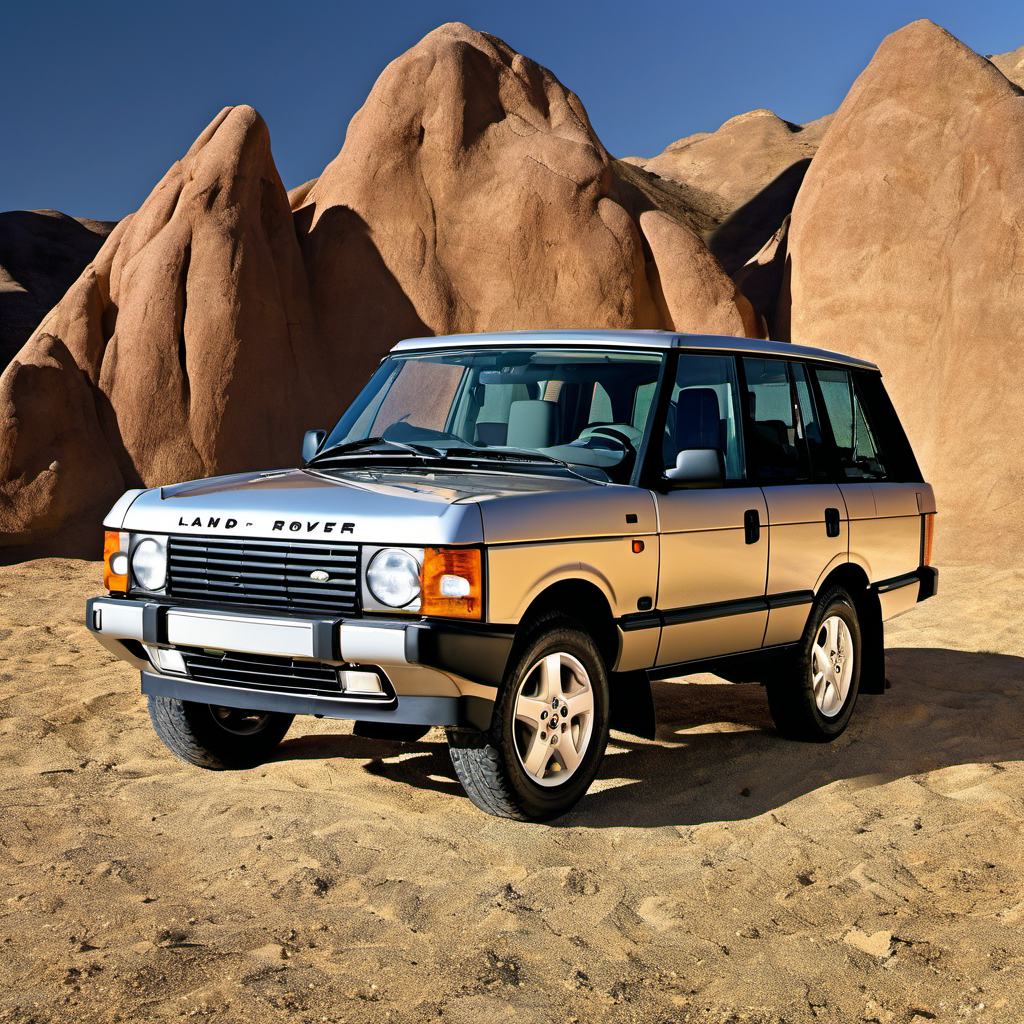
1998 Land Rover
SUV
The 1998 Land Rover Range Rover (P38A generation, 1994–2002) is a full-size British luxury SUV that earned a devoted following for its combination of genuine off-road capability and upmarket interior refinement. In its day it stood apart from competitors by offering a true low-range transfer case, electronic air suspension, and a leather-lined cabin in a single package — things most rivals couldn't match. The 4.0L V8 in this truck is a Bosch-managed version of the venerable Rover/Buick-derived V8, paired with a ZF 4-speed automatic. It's a durable architecture when maintained, but the P38A generation is notorious for its complex electronics, finicky EAS (Electronic Air Suspension), and an aging Beckett alarm/immobilizer system that can strand owners without warning. This is a vehicle that rewards an informed, patient owner who budgets for maintenance and has a trusted independent shop. It is not a set-it-and-forget-it daily driver. Parts availability has improved through specialty suppliers, but costs are higher than domestic SUVs of the same era.
The 1998 Land Rover Range Rover (P38A generation, 1994–2002) is a full-size British luxury SUV that earned a devoted following for its combination of genuine off-road capability and upmarket interior refinement. In its day it stood apart from competitors by offering a true low-range transfer case, electronic air suspension, and a leather-lined cabin in a single package — things most rivals couldn't match. The 4.0L V8 in this truck is a Bosch-managed version of the venerable Rover/Buick-derived V8, paired with a ZF 4-speed automatic. It's a durable architecture when maintained, but the P38A generation is notorious for its complex electronics, finicky EAS (Electronic Air Suspension), and an aging Beckett alarm/immobilizer system that can strand owners without warning. This is a vehicle that rewards an informed, patient owner who budgets for maintenance and has a trusted independent shop. It is not a set-it-and-forget-it daily driver. Parts availability has improved through specialty suppliers, but costs are higher than domestic SUVs of the same era.
The 4.0L V8 is prone to head gasket failure when overheated. Degraded coolant accelerates corrosion in the aluminum heads and iron block interface. In Wisconsin winters, a failing thermostat can also cause chronic cold-running that accelerates wear.
The EAS compressor fails prematurely when it has to work hard against leaking airbags or a clogged dryer. Replacing the dryer proactively is cheap insurance against a $900+ compressor replacement.
The Rover V8 has tight oil passages and is sensitive to sludge buildup. Shorter intervals are warranted on a vehicle this age. Use a quality 10W-40 or manufacturer-spec oil.
Hygroscopic fluid absorbs moisture and corrodes ABS components — especially problematic in a Wisconsin winter environment with temperature swings.
Aged gear oil breaks down and seals dry out, leading to leaks. Fresh fluid prevents premature wear in the front and rear differentials and the LT230 transfer case.
The GEMS fuel injection system is sensitive to fuel delivery pressure. A clogged filter can trigger hard starts and fuel trim codes, mimicking more expensive problems.
Lake Geneva roads are heavily salted. Brake lines on P38A Range Rovers are known to rust through — this is a safety-critical inspection every Wisconsin owner must do annually.
The BeCM (Body Control Module) is extremely sensitive to low voltage. A weak battery in winter can trigger false immobilizer faults, phantom electrical gremlins, and no-start conditions that look like expensive electronic failures but are actually a $150 battery fix.
Always defer to the manufacturer's service manual for warranty-mandated intervals.
This is one of the more expensive vehicles to own in its class. The mechanical hardware is not exotic, but labor hours are high due to complexity, parts often must come from specialty suppliers at a premium, and problems tend to cluster rather than arrive one at a time. A well-maintained example in good shape might cost $1,200–$1,800/year in routine maintenance; one with deferred maintenance or developing EAS/electrical issues can easily hit $3,000–$5,000+ in a single year. Build a dedicated repair fund before buying.
Similar price point and luxury SUV mission when new; simpler mechanically than the P38A, though early W163 MLs had their own build quality issues. More dealer support and parts availability.
No catalog match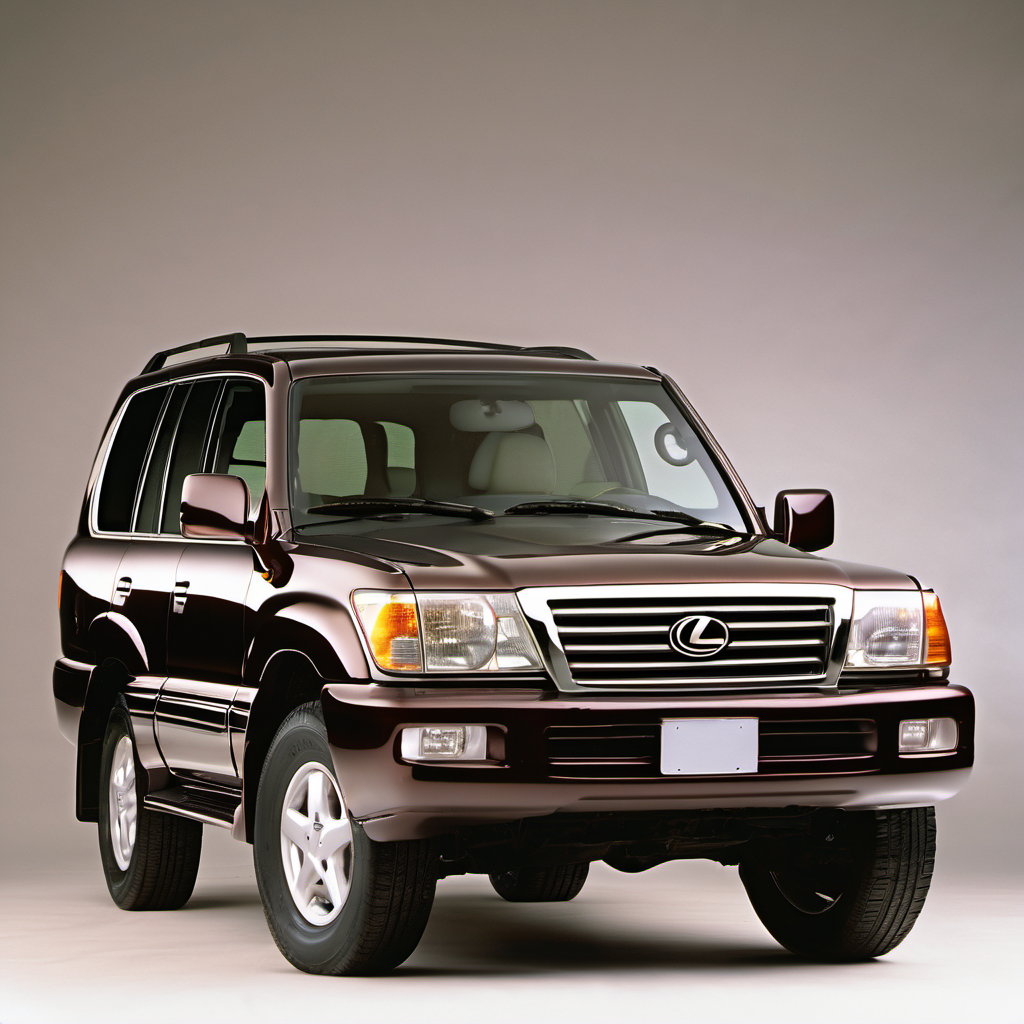
Full-size luxury SUV with genuine off-road ability (based on Land Cruiser). Far superior long-term reliability — a strong alternative if dependability is the priority over the Range Rover's specific character.
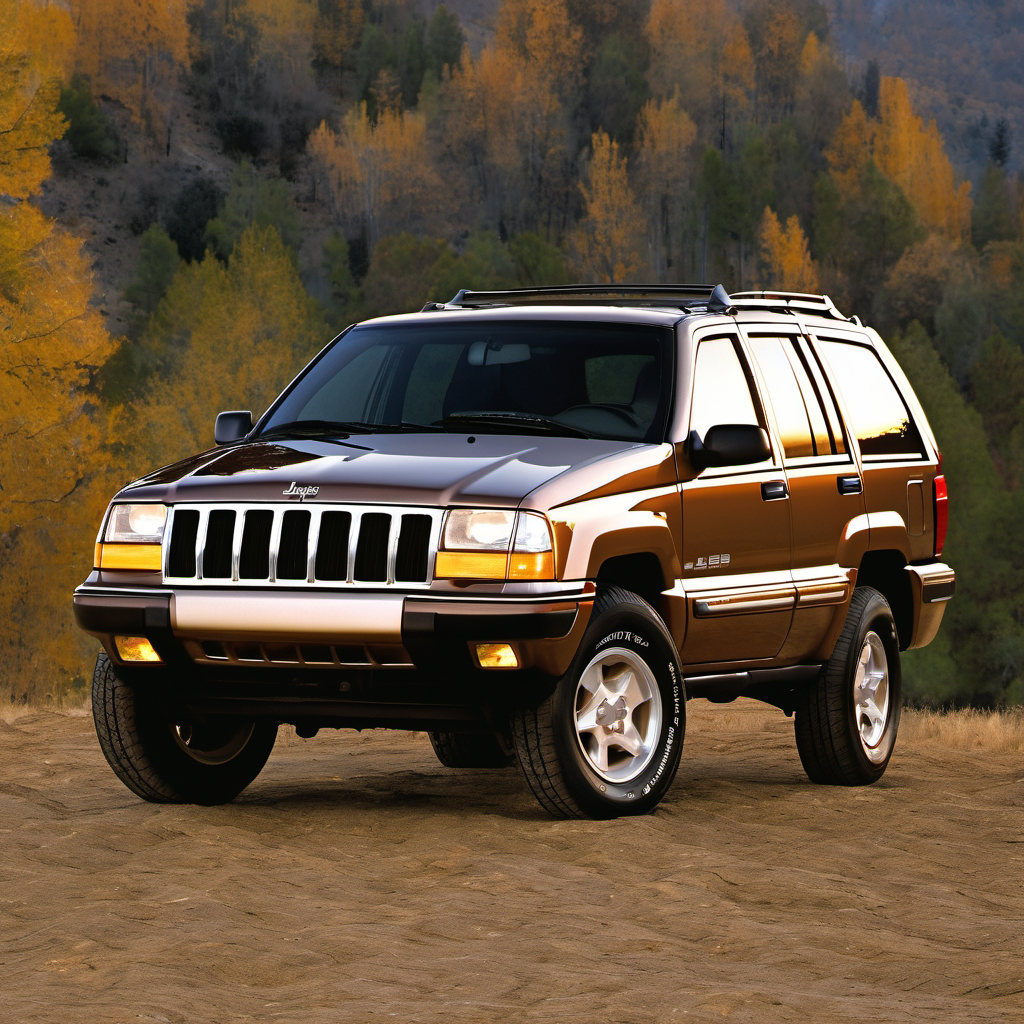
Lower price, simpler electronics, and solid off-road capability. Lacks the Range Rover's refinement but is far easier and cheaper to maintain in the upper Midwest.
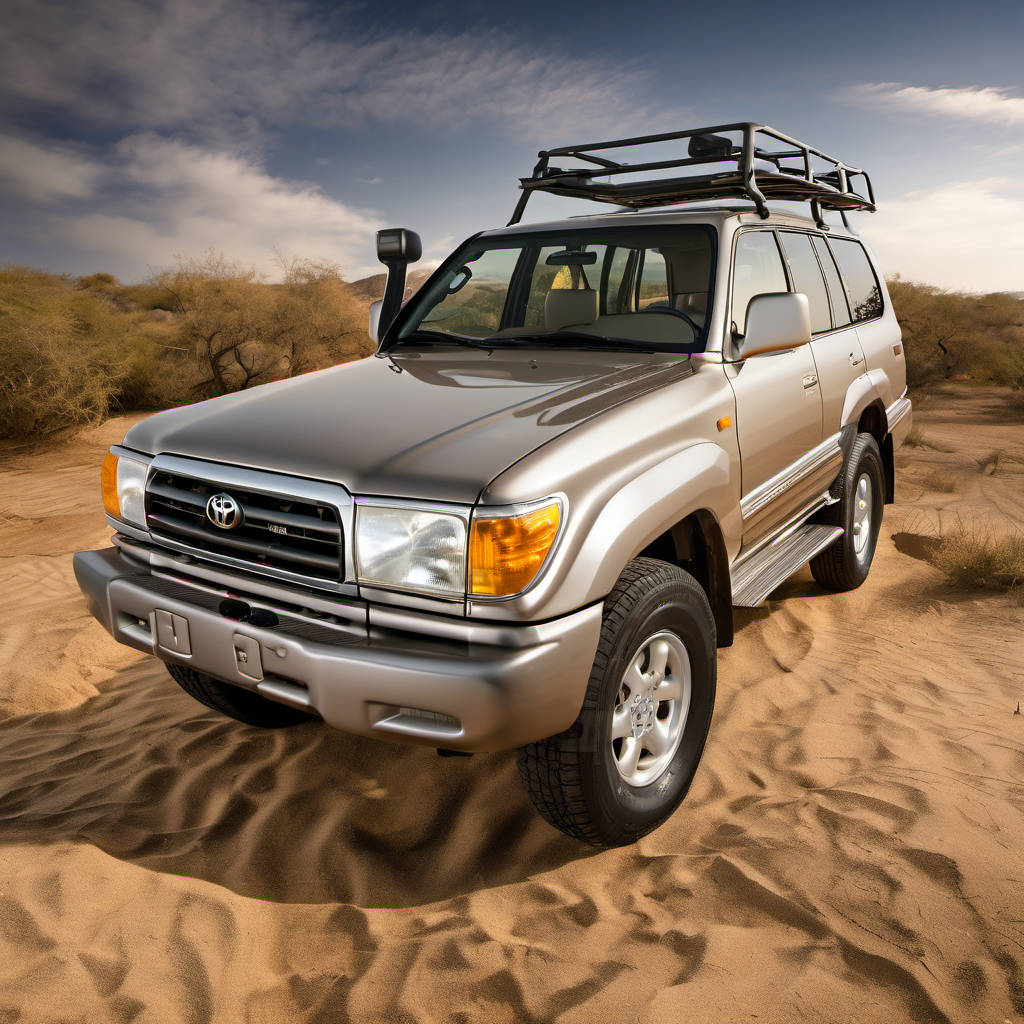
The most direct reliability counterpoint — bulletproof drivetrain, strong resale, and proven in harsh climates. More utilitarian interior than the Range Rover but far fewer ownership headaches.