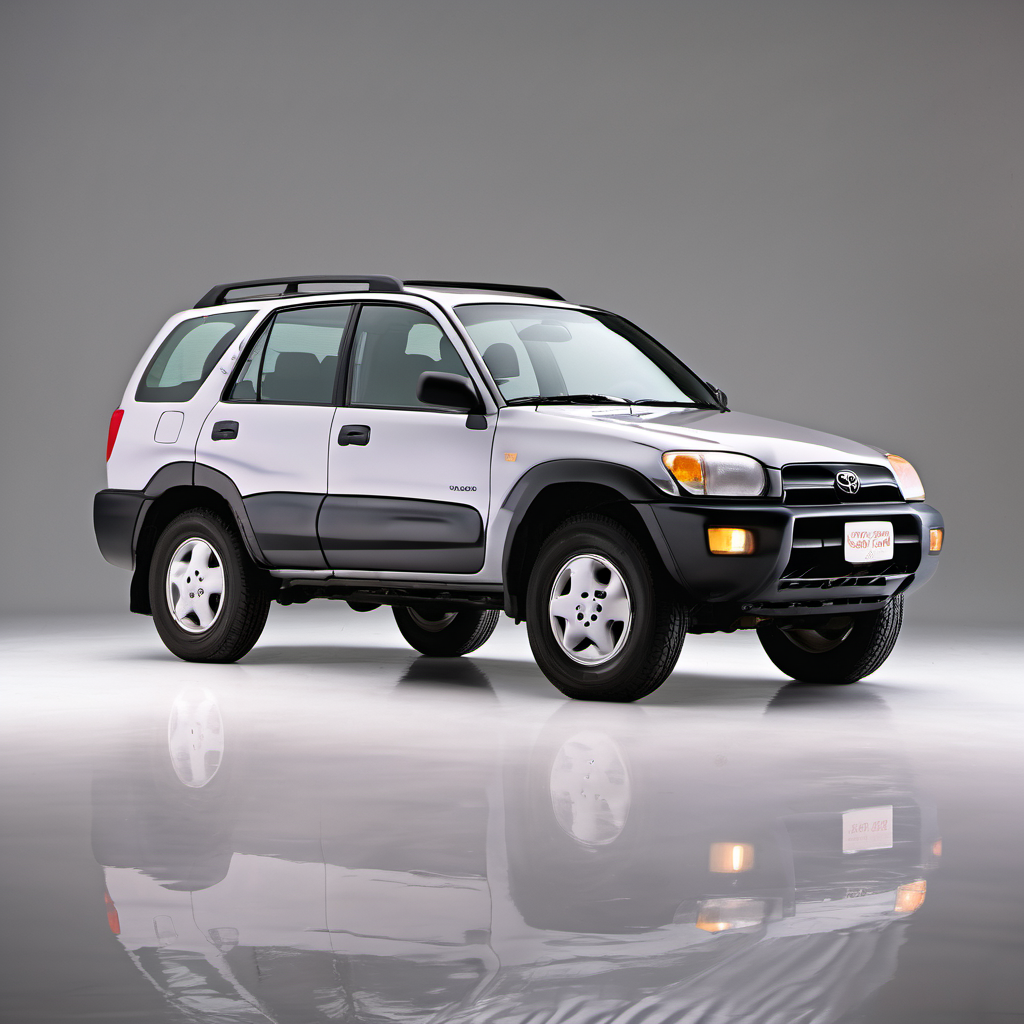
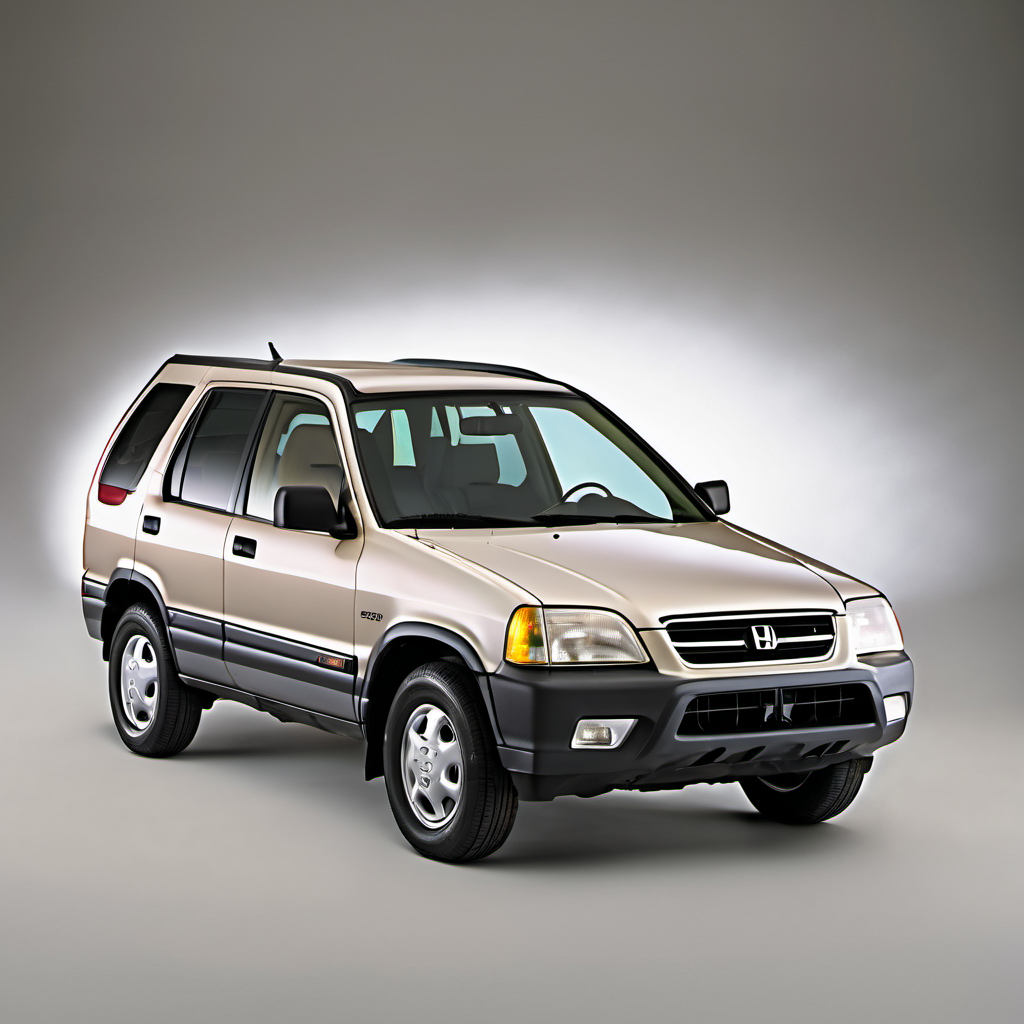
1998 Kia Sportage SUV

1998 Kia

SportageSUV

SUV

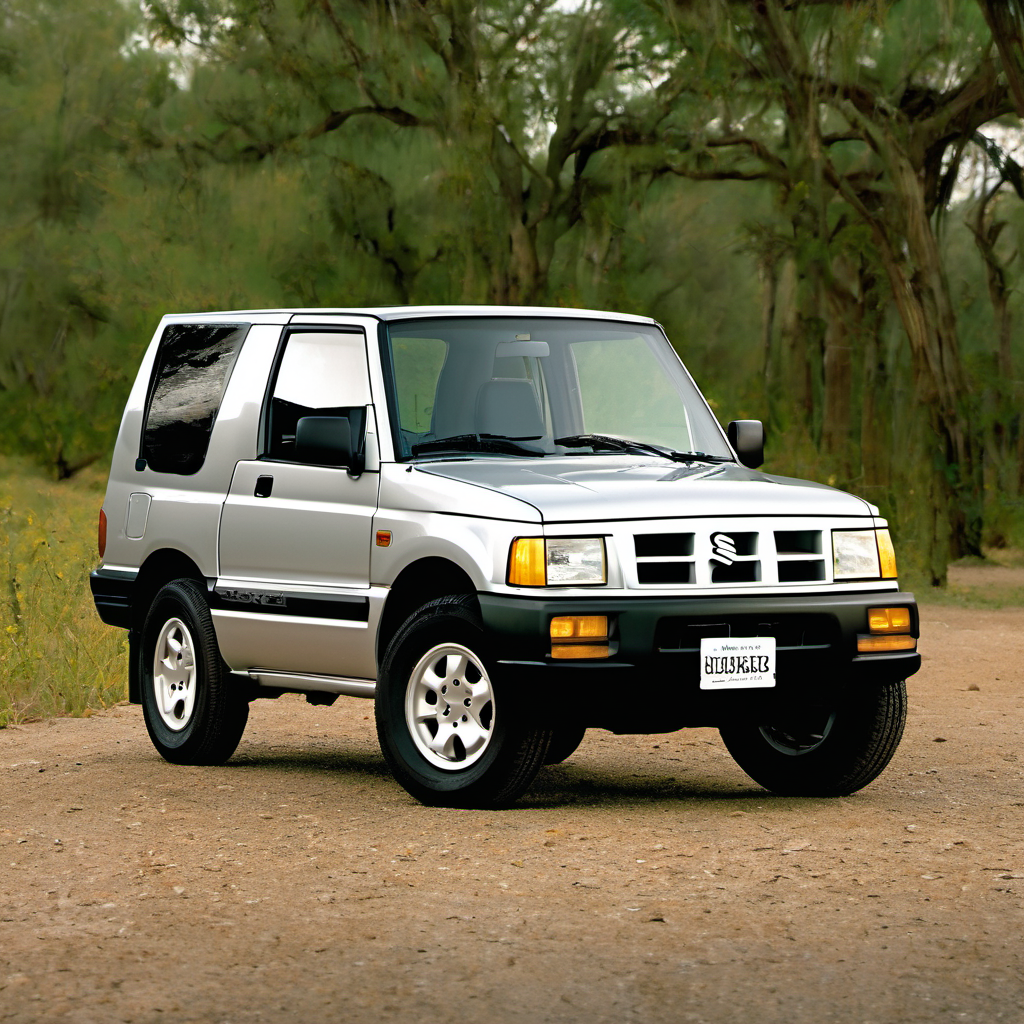
The 1998 Kia Sportage is a compact body-on-frame SUV from Kia's early years in North America, built during its partnership with Mazda — sharing some platform DNA with the Mazda Bongo/Ford Ranger family. It was positioned as an affordable alternative to the Suzuki Sidekick and early RAV4, targeting buyers who wanted basic off-road capability at a budget price. Powered by a 2.0L inline-4 with just 95 horsepower (manual) or 100 hp (automatic), the first-gen Sportage is underpowered by modern standards, and its fuel economy of roughly 17–21 mpg is unimpressive for its size. The 4WD system (part-time, shift-on-the-fly) is mechanically simple and functional for light off-road use. At 25+ years old, any surviving example is well past its engineered service life. Rust, worn suspension, and aged seals are facts of life rather than possibilities. These are niche vehicles today — useful as inexpensive trail rigs or rural beaters where cost of entry matters more than comfort or reliability.

Reliability
2/5
Verified data
Specs shown for Sportage 2WD — the most common configuration. Other trims may vary in engine, drivetrain, or fuel economy. Sign in to see your vehicle's exact specs.
Engine
[object Object]
Drivetrain
RWD
Fuel
Gasoline
MPG
17 city / 21 hwy / 19 combined
Seats
Doors
Body
Special Purpose Vehicle 2WD

Overview

AI-curated

The 1998 Kia Sportage is a compact body-on-frame SUV from Kia's early years in North America, built during its partnership with Mazda — sharing some platform DNA with the Mazda Bongo/Ford Ranger family. It was positioned as an affordable alternative to the Suzuki Sidekick and early RAV4, targeting buyers who wanted basic off-road capability at a budget price. Powered by a 2.0L inline-4 with just 95 horsepower (manual) or 100 hp (automatic), the first-gen Sportage is underpowered by modern standards, and its fuel economy of roughly 17–21 mpg is unimpressive for its size. The 4WD system (part-time, shift-on-the-fly) is mechanically simple and functional for light off-road use. At 25+ years old, any surviving example is well past its engineered service life. Rust, worn suspension, and aged seals are facts of life rather than possibilities. These are niche vehicles today — useful as inexpensive trail rigs or rural beaters where cost of entry matters more than comfort or reliability.

Known for
  • Very low purchase price even when new
  • Simple, basic mechanicals that are easy to work on
  • Adequate light off-road capability with 4WD models
  • Soft-top or removable hardtop option on some trims
Best for
  • Budget-conscious buyers who want 4WD capability at minimal cost
  • DIY mechanics comfortable with older, simple drivetrains
  • Light trail or rural use where replacement cost is low
  • Collectors or hobbyists restoring early Kia models
Watch for
  • Severe rust on frame, rockers, and floor pans — especially in Wisconsin salt country
  • Timing belt failures (interference engine — belt breaks = engine damage)
  • Weak automatic transmission known to fail early
  • Soft-top and door seal deterioration leading to water intrusion
  • Parts availability shrinking every year as the platform ages out

Common issues by mileage

6 known

Timing belt failure (interference engine)

high
Typically appears
60–100k mi
Estimated repair
$350 – $650

Automatic transmission failure or slipping

high
Typically appears
80–130k mi
Estimated repair
$1,200 – $2,500

Frame and rocker panel rust (structural)

high
Typically appears
Any mileage on Midwest/salt-belt vehicles
Estimated repair
$500 – $3,000

Transfer case seal leaks and 4WD engagement issues

medium
Typically appears
70–120k mi
Estimated repair
$200 – $700

Oxygen sensor failure / heater circuit fault

medium
Typically appears
80–150k mi
Estimated repair
$150 – $350

Water intrusion from deteriorated soft-top or door seals (floor and sill rot)

high
Typically appears
All mileage on 25+ year old examples
Estimated repair
$300 – $1,500

Maintenance schedule

  1. 1
    Every 60k mi or 5 years, whichever comes first Timing belt and water pump replacement

    This is an interference engine — if the timing belt snaps, valves meet pistons and the engine is destroyed. On a 25-year-old vehicle, replace it immediately if history is unknown.

  2. 2
    Every 3,000–5,000 mi with conventional oil Engine oil and filter change

    Older engine tolerances benefit from more frequent oil changes. Use the shorter interval if the vehicle sees short trips or cold starts.

  3. 3
    Every 30k mi or if leaks are present Transfer case and differential fluid change

    Old fluid breaks down and seals dry out, leading to 4WD bind and bearing wear. Critical for a vehicle used in any off-road or winter conditions.

  4. 4
    Every spring after winter season Full undercarriage rust inspection

    Wisconsin road salt accelerates frame and floor pan corrosion on this vintage. Catch rust early — structural rust can make the vehicle unsafe and uneconomical to repair.

  5. 5
    Every 2 years Coolant flush

    Aging cooling systems on vehicles this old are prone to corrosion internally. Fresh coolant maintains freeze protection and prevents water pump and radiator degradation.

  6. 6
    Every 2 years Brake fluid flush

    Moisture absorption in old brake fluid lowers its boiling point and corrodes brake hardware from the inside. Especially important before Wisconsin winters.

  7. 7
    Annually on any vehicle over 20 years old Inspect and replace all rubber seals, hoses, and boots

    CV boots, valve cover gaskets, intake hoses, and door/window seals all degrade with age regardless of mileage. A torn CV boot on a neglected vehicle leads to expensive axle replacement.

  8. 8
    Every fall before winter Battery load test

    Cold cranking demands spike in sub-zero Wisconsin temps. A battery that's marginal in October will likely fail in January. Replace proactively if over 4 years old.

Always defer to the manufacturer's service manual for warranty-mandated intervals.

Cost of ownership

Annual maintenance
$600 – $1,800
Fuel
At 19 mpg combined and ~12,000 miles/year, expect roughly $1,500–$1,900/year at current Midwest gas prices. The weak engine works hard on the highway, hurting real-world economy.
Insurance
Liability-only insurance is common on vehicles this age and value, typically $400–$700/year in Wisconsin. Full coverage rarely makes economic sense given low market value ($1,500–$4,000).

The Sportage's low purchase price is its main appeal, but an older example can surprise owners with catch-up maintenance costs. A vehicle that's been neglected — common at this age — may need $2,000–$4,000 in deferred work upfront (timing belt, brakes, seals, fluids). Budget accordingly. Annual running costs are moderate if the major items are already addressed.
Seasonal care

Lake Geneva, WI
Winter
  • Load-test the battery every fall — sub-zero starts are brutal on aged batteries, and this vehicle's charging system is basic with no stop/start recovery.
  • Switch to a low-viscosity full synthetic (e.g., 5W-30) if using conventional oil, to ensure cold-weather cranking and fast oil circulation at startup.
  • Inspect and treat all undercarriage and frame surfaces for rust before salt season; touch up any bare metal with rust inhibitor.
  • Use a winter-grade washer fluid rated to at least -20°F — Lake Geneva winters regularly reach this range and standard fluid will freeze in the reservoir and lines.
  • Verify 4WD engagement works correctly before winter — a stuck or non-engaging transfer case is a safety issue when roads are slick.
  • Check door and soft-top seals for cracks; failed seals allow water intrusion that freezes door handles shut and causes interior rust.
Summer
  • Check tire pressure monthly — summer heat causes pressure to rise about 1 PSI per 10°F; the Sportage's small tires are sensitive to over-inflation and blowout risk.
  • Inspect the cooling system (hoses, radiator cap, thermostat) before summer; the 2.0L runs warm in traffic and a failing cooling system can overheat quickly.
  • Test A/C performance early in the season — the R-134a system on late-90s vehicles often needs a recharge, and finding a leak first saves repeated refills.
  • Check soft-top or removable roof panel seals for UV cracking after winter storage; failed seals let rain in and bake the interior.

Comparable vehicles

If you're shopping for one

Red flags
  • Any visible rust on the frame rails, floor pans, or rocker panels — poke with a screwdriver, not just a visual check
  • Unknown or undocumented timing belt history — walk away or price in an immediate replacement
  • Automatic transmission that hesitates, slips, or clunks on shifting — rebuilds are expensive relative to vehicle value
  • Soft-top models with stained headliner or wet carpet — water intrusion causes hidden floor and sill rot
  • 4WD that won't engage or makes grinding noises — transfer case service or replacement is costly on this platform
  • Excessive oil consumption or blue smoke on startup — signs of worn piston rings or valve seals on a high-mileage engine
What to inspect
  • Frame and underbody: full lift inspection for rust perforation, especially rear frame rails and crossmembers
  • Timing belt condition and service sticker — look for the mileage/date tag under the hood
  • Transmission: check fluid color and smell (dark brown or burnt = trouble), test all gear ranges
  • Transfer case: check for leaks around the output shaft seals, test 2WD-to-4WD engagement at low speed
  • All rubber: CV boots, brake hoses, coolant hoses, engine mounts — age degrades rubber regardless of mileage
  • Cooling system: check for milky oil cap residue (head gasket) and inspect radiator for corrosion or past repairs
  • Interior floor and rear cargo area: pull back carpet to check for rust or moisture damage from seal failures
AI profile generated 4 days ago · claude-sonnet-4-6 · v2.