Underbody and brake line rust
high- Typically appears
- Any mileage on WI/IL/MN-driven cars
- Estimated repair
- $300 – $1,800
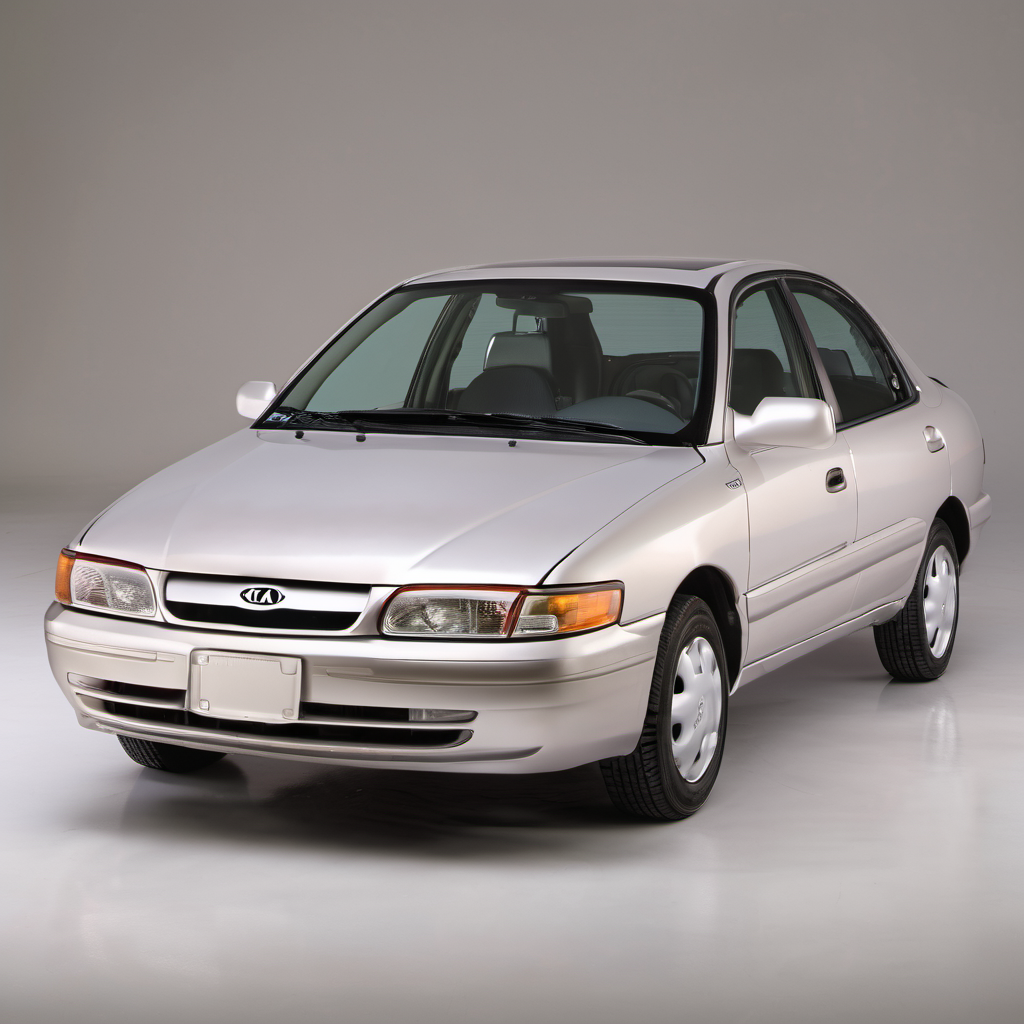
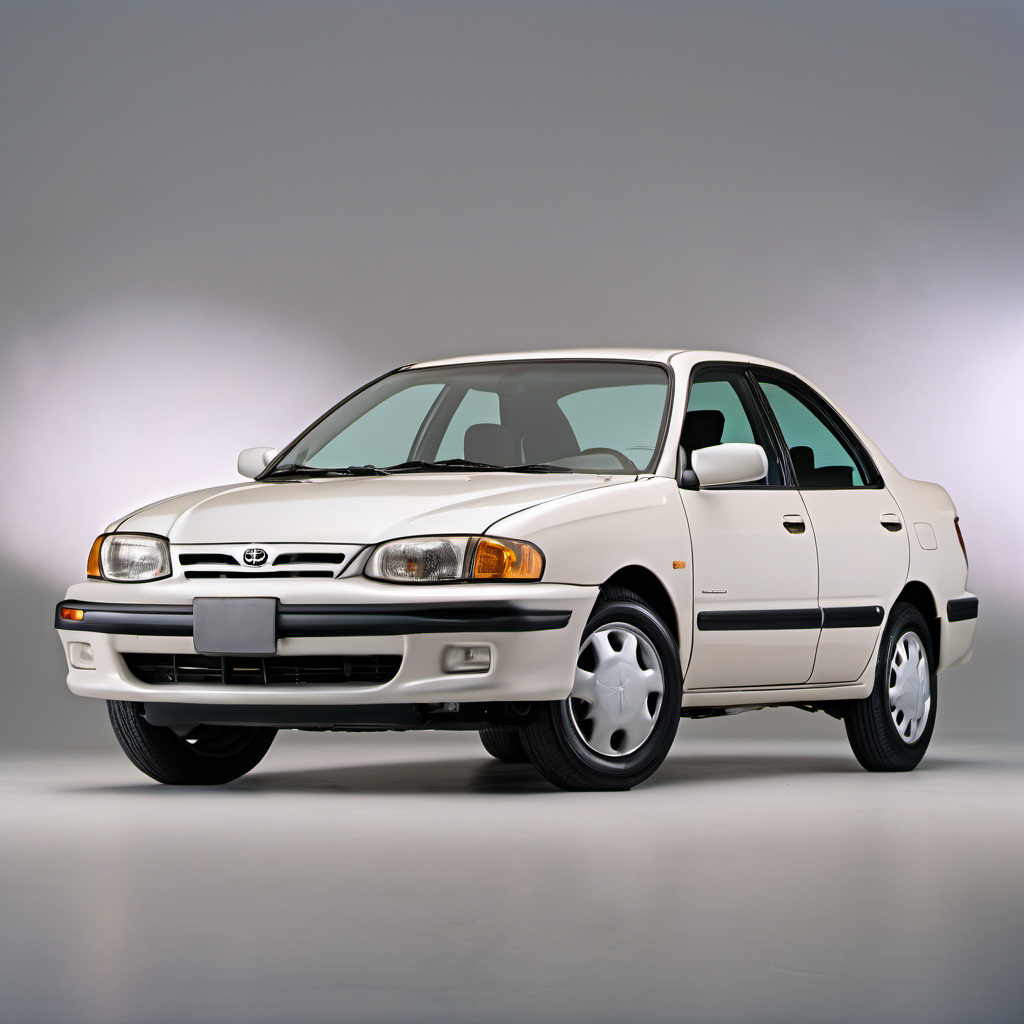
1998 Kia
Sedan
The 1998 Kia Sephia is a compact front-wheel-drive sedan that was Kia's entry into the U.S. market — positioned squarely as a budget-friendly commuter car. Shared its basic platform with the Mazda 323/Familia family from a licensing agreement, which gave it reasonably solid bones underneath the bargain price tag. By 1998 it was in its second generation, offering a slightly more refined package than the rough early-90s version. At its core, the Sephia was transportation appliance: modest 1.8L four-cylinder, adequate fuel economy, and a spartan interior. Parts availability is thin at this age, and the ownership community is small. Rust, neglect, and deferred maintenance have claimed most of the original fleet — survivors are typically the exception, not the rule. If you're looking at one today, it's almost certainly a high-mileage budget car. Approach it with eyes open: repair costs can approach or exceed the vehicle's market value quickly, and finding a competent shop familiar with late-90s Kia-Mazda drivetrains takes some hunting.
The 1998 Kia Sephia is a compact front-wheel-drive sedan that was Kia's entry into the U.S. market — positioned squarely as a budget-friendly commuter car. Shared its basic platform with the Mazda 323/Familia family from a licensing agreement, which gave it reasonably solid bones underneath the bargain price tag. By 1998 it was in its second generation, offering a slightly more refined package than the rough early-90s version. At its core, the Sephia was transportation appliance: modest 1.8L four-cylinder, adequate fuel economy, and a spartan interior. Parts availability is thin at this age, and the ownership community is small. Rust, neglect, and deferred maintenance have claimed most of the original fleet — survivors are typically the exception, not the rule. If you're looking at one today, it's almost certainly a high-mileage budget car. Approach it with eyes open: repair costs can approach or exceed the vehicle's market value quickly, and finding a competent shop familiar with late-90s Kia-Mazda drivetrains takes some hunting.
The 1.8L is an interference engine — a snapped belt means bent valves. At this age and mileage, assume it's overdue unless you have written proof.
Rubber hoses 25+ years old are a ticking clock. A blowout leads to overheating, and overheating on this engine means head gasket money.
Degraded coolant loses freeze protection and becomes corrosive — critical for Wisconsin winters and protecting the aluminum head.
The original battery is long gone, but even replacement batteries weaken quickly in sub-zero Lake Geneva winters. A weak battery that starts fine at 50°F will not start at 0°F.
Salt-belt brake line rust is the single biggest safety risk on any late-90s car in Wisconsin. A rusted line can fail without warning.
Worn ignition components cause misfires, rough idle, and poor fuel economy. Parts are inexpensive; ignoring them is not.
Aged belts can crack in cold weather. A snapped belt kills power steering, charging, and cooling simultaneously.
Lake Geneva regularly hits single digits. Summer-formula washer fluid freezes in the reservoir and lines — a cheap fix to a frustrating problem.
Always defer to the manufacturer's service manual for warranty-mandated intervals.
On paper this is a cheap car to own, but age changes that math. Routine maintenance is inexpensive, but one moderate repair — head gasket, timing belt failure, brake line replacement, or strut/suspension overhaul — can easily equal or exceed the car's $1,000–$2,500 market value. Budget accordingly and keep a running total of what you've spent versus the car's worth.
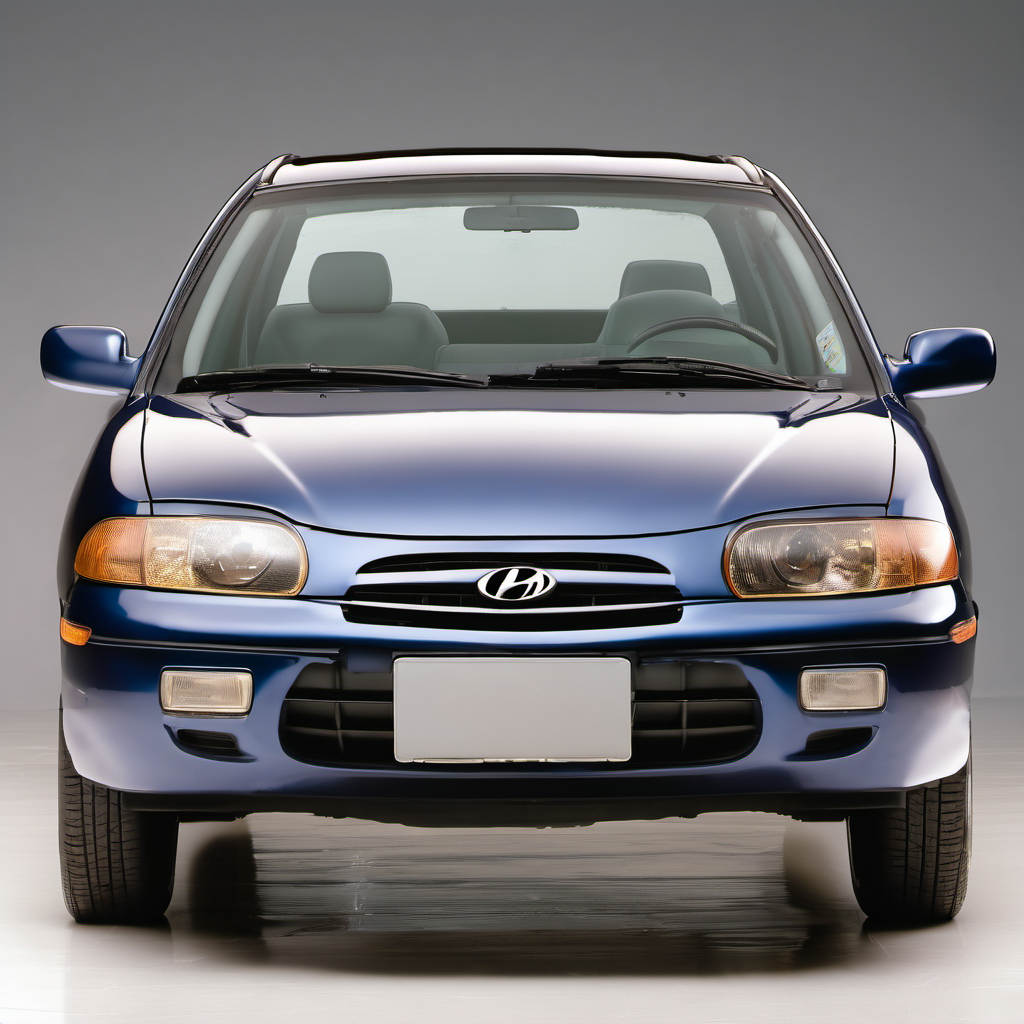
Same era, same segment, same budget-commuter mission. Comparable running costs, similar parts availability challenges at this age, but slightly larger dealer/independent shop familiarity.
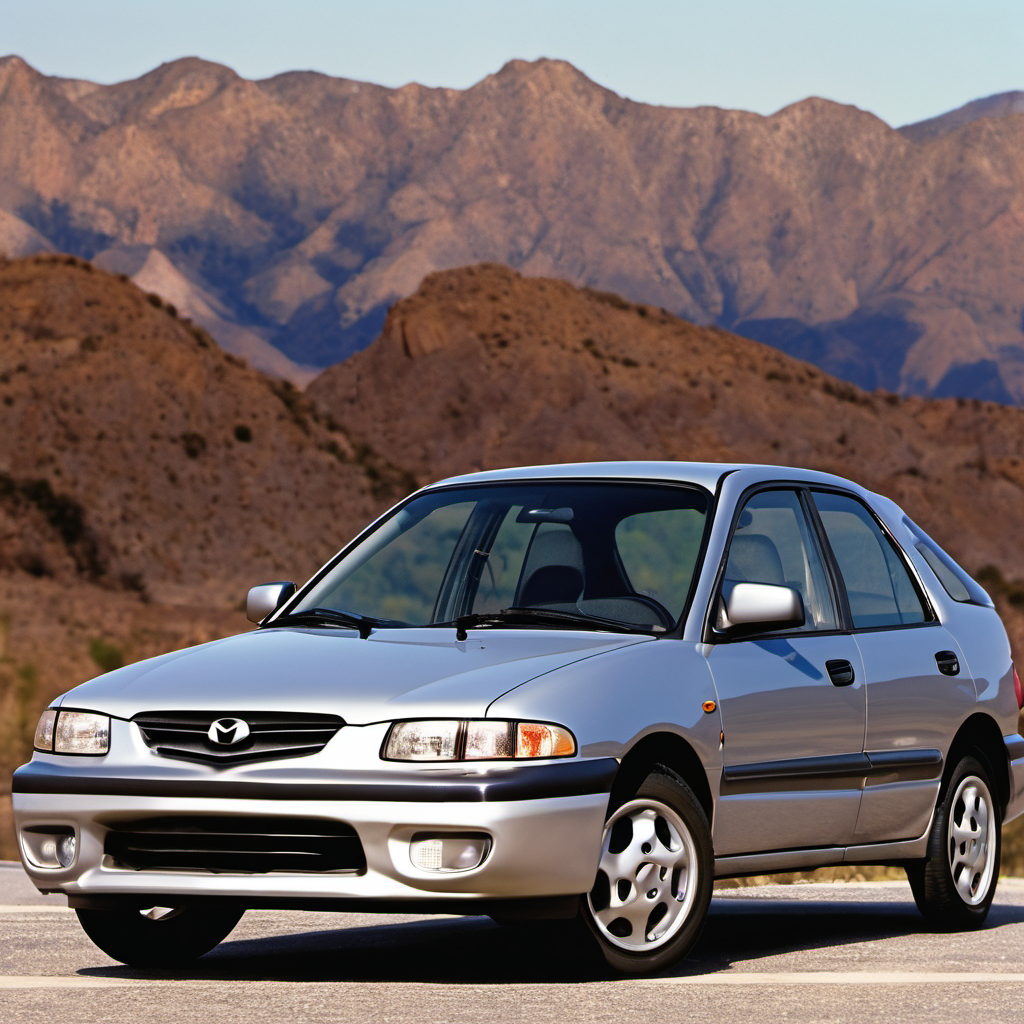
Shares platform DNA with the Sephia and is broadly considered the more refined, better-supported version of the same basic car. Parts and shop knowledge are easier to find.
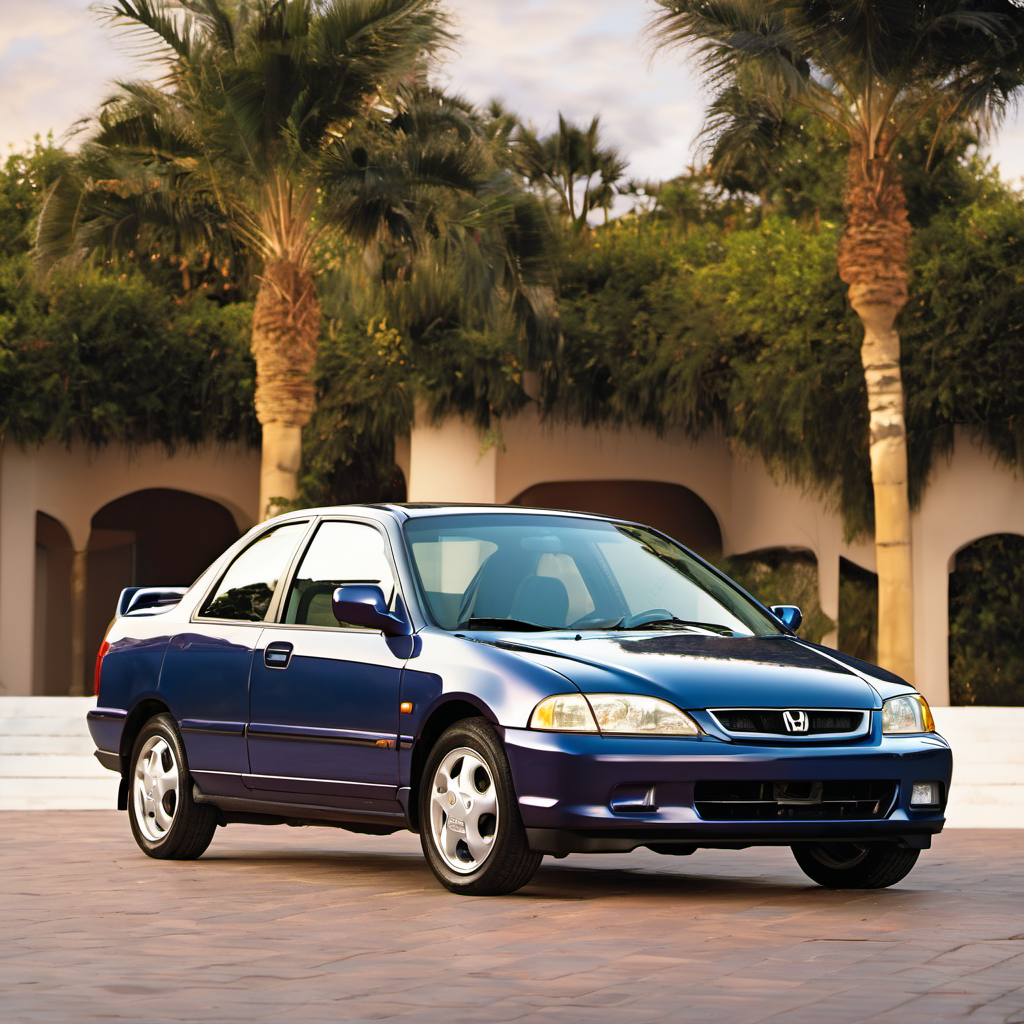
Class benchmark for the same segment. Stronger long-term reliability reputation, far better parts availability, and a larger community of mechanics who know them well.
Nearly bulletproof late-90s reliability, easy parts sourcing, and a proven track record past 200k miles with normal care — a meaningful step up in dependability for similar money.