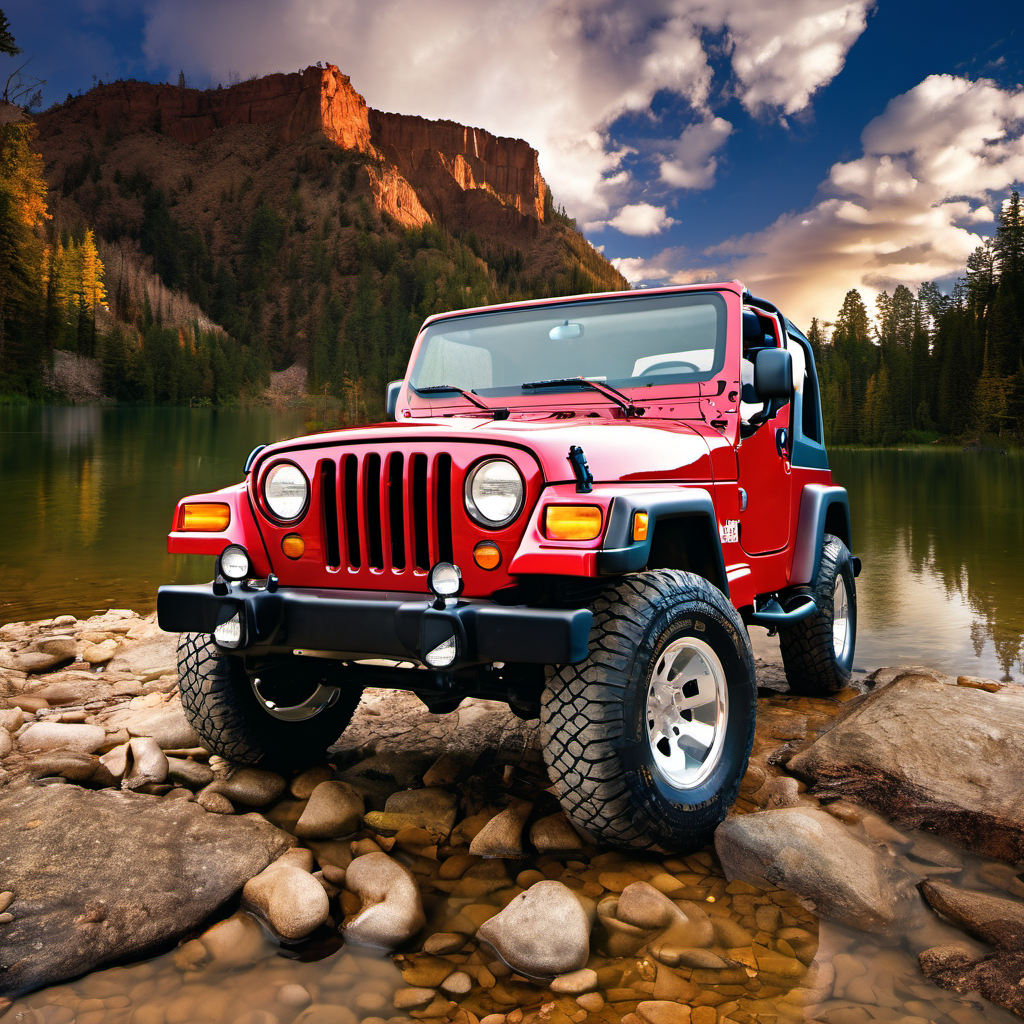
1998 Jeep Wrangler SUV

1998 Jeep

WranglerSUV

SUV

The 1998 Jeep Wrangler (TJ generation, 1997–2006) is one of the most iconic off-road vehicles ever built. Sitting on a traditional body-on-frame platform with a solid front axle, it delivers genuine trail capability that few modern vehicles can match. The TJ refined the square-body look of its YJ predecessor while bringing back the round headlights and adding a coil-spring suspension for a much improved on-road ride without sacrificing off-road articulation. The base engine is the 2.5L four-cylinder, which gets the job done in daily driving but can feel strained under load or on the highway. The optional 4.0L inline-six is the crowd favorite — smoother, stronger, and widely regarded as one of the most durable truck engines Jeep ever produced. Both engines pair with either a 5-speed manual or an automatic. At 25+ years old, a used 1998 Wrangler needs to be evaluated carefully. These trucks inspire passion, and that passion sometimes means owners modified or abused them. A well-kept, lightly used example can still be an outstanding daily driver and weekend wheeler. A neglected or heavily modified one can be a money pit. Rust and lift-kit-related wear are the two biggest concerns on Wisconsin examples.

Reliability
3/5
Verified data
Specs shown for Wrangler 4WD — the most common configuration. Other trims may vary in engine, drivetrain, or fuel economy. Sign in to see your vehicle's exact specs.
Engine
[object Object]
Drivetrain
AWD
Fuel
Gasoline
MPG
15 city / 17 hwy / 16 combined
Seats
Doors
Body
Special Purpose Vehicle 4WD

Overview

AI-curated

The 1998 Jeep Wrangler (TJ generation, 1997–2006) is one of the most iconic off-road vehicles ever built. Sitting on a traditional body-on-frame platform with a solid front axle, it delivers genuine trail capability that few modern vehicles can match. The TJ refined the square-body look of its YJ predecessor while bringing back the round headlights and adding a coil-spring suspension for a much improved on-road ride without sacrificing off-road articulation. The base engine is the 2.5L four-cylinder, which gets the job done in daily driving but can feel strained under load or on the highway. The optional 4.0L inline-six is the crowd favorite — smoother, stronger, and widely regarded as one of the most durable truck engines Jeep ever produced. Both engines pair with either a 5-speed manual or an automatic. At 25+ years old, a used 1998 Wrangler needs to be evaluated carefully. These trucks inspire passion, and that passion sometimes means owners modified or abused them. A well-kept, lightly used example can still be an outstanding daily driver and weekend wheeler. A neglected or heavily modified one can be a money pit. Rust and lift-kit-related wear are the two biggest concerns on Wisconsin examples.

Known for
  • Exceptional off-road capability with solid front and rear axles
  • Coil-spring suspension (TJ upgrade over the YJ) for better articulation and ride quality
  • Simple, repairable mechanical layout with a strong enthusiast community
  • 4.0L I6 engine longevity when properly maintained
  • Convertible top and removable doors for open-air driving
Best for
  • Off-road and trail enthusiasts
  • Owners who want a vehicle they can work on themselves
  • Weekend adventure use with light weekday commuting
  • Buyers who want a classic, go-anywhere utility vehicle
Watch for
  • Rust on frame, floorboards, and body tub — critical in Wisconsin salt country
  • Lift kit and suspension modifications that accelerate death-wobble and tire wear
  • 2.5L four-cylinder feels underpowered especially with larger tires
  • Soft-top and door seals leak and deteriorate with age
  • High odometer readings combined with unknown off-road history

Common issues by mileage

6 known

Death Wobble — Front Axle / Steering Shimmy

high
Typically appears
60k–150k+ mi
Estimated repair
$150 – $800

Rust — Frame, Floor Pans, and Body Tub

high
Typically appears
Any mileage on salt-state vehicles
Estimated repair
$500 – $4,000

Oxygen Sensor / Upstream O2 Sensor Failure

medium
Typically appears
80k–130k mi
Estimated repair
$100 – $250

Soft-Top Leaks and Frame Wear

high
Typically appears
Any age — worsens after 10+ years
Estimated repair
$200 – $900

Valve Cover Gasket and Rear Main Seal Oil Leaks

medium
Typically appears
80k–150k mi
Estimated repair
$150 – $450

Transfer Case and Manual Transmission Synchro Wear

medium
Typically appears
100k–180k mi
Estimated repair
$400 – $1,800

Maintenance schedule

  1. 1
    Every 3,000–5,000 miles (conventional oil recommended on high-mileage examples) Engine oil and filter change

    The 2.5L is a workhorse but benefits from fresh oil; older gaskets and seals are more vulnerable to sludge buildup at this age.

  2. 2
    Every 15,000–20,000 miles or annually Inspect and grease front and rear driveshaft U-joints

    U-joint failure can be sudden and dangerous. Original joints on a 25-year-old Wrangler are well past their prime and should be replaced proactively if not already done.

  3. 3
    Annually or at every oil change if symptoms of wobble appear Inspect front axle steering components (track bar, tie rod ends, drag link, ball joints)

    These wear items are the root cause of death wobble. Keeping them tight is the best prevention.

  4. 4
    Every 30,000 miles or every 2 years Transfer case and differential fluid changes

    Wranglers get used off-road; fluid contamination with water is common. Fresh fluid protects axle gears and bearings.

  5. 5
    Annually — especially before and after Wisconsin winters Inspect and treat frame and underbody for rust

    Road salt is the number-one enemy of TJ frames. Catching surface rust early and treating it prevents structural compromise.

  6. 6
    Every spring and fall Inspect soft-top hardware, seals, and door surrounds

    Cracked seals let in water, which accelerates floorboard rust and causes interior mold — a compounding problem on older Wranglers.

  7. 7
    Every 2 years or 30,000 miles Coolant flush

    Aging coolant loses corrosion inhibitors. The 2.5L head gasket is vulnerable to overheating — maintaining a healthy cooling system is cheap insurance.

  8. 8
    Every 30,000 miles Spark plugs and ignition wires

    Original wires on a 1998 are almost certainly due. Worn ignition components cause hard starts in Wisconsin winters and rough idle.

Always defer to the manufacturer's service manual for warranty-mandated intervals.

Cost of ownership

Annual maintenance
$600 – $1,800
Fuel
Expect roughly $2,200–$2,800/year at current prices assuming 12,000 miles/year and 16 MPG combined. The 2.5L is the more frugal option but still not efficient by modern standards.
Insurance
Typically moderate — older vehicle with lower market value keeps premiums reasonable. Expect $800–$1,400/year for full coverage depending on driving history and modifications.

A well-maintained stock 1998 Wrangler is relatively affordable to keep up. Parts are abundant and cheap thanks to a massive enthusiast market. Labor is straightforward — most shops and capable DIYers can work on it. Budget climbs fast if rust repair, suspension rebuilding, or soft-top replacement is needed. Factor in a pre-purchase inspection to identify deferred maintenance before you commit.
Seasonal care

Lake Geneva, WI
Winter
  • Flush and replace windshield washer fluid with a -30°F or colder rated formula — Lake Geneva winters will freeze standard fluid in the lines overnight
  • Inspect and replace the battery if it tests below 600 CCA; cold cranking a 25-year-old 2.5L with a weak battery is asking for trouble
  • Apply an underbody rust inhibitor or penetrating oil to frame rails and suspension mounting points before first snowfall to combat road salt
  • Confirm the 4WD engagement works correctly before winter — frozen or seized transfer case linkage is a common issue on seldom-used systems
  • Check soft-top and door seal condition; a leaking top allows moisture and cold air in, and water pooling on the floor pan accelerates rust
  • Verify coolant freeze protection is rated to at least -34°F with a tester — aging coolant degrades and may not protect at Wisconsin lows
Summer
  • Check tire pressure weekly — ambient temperature swings between Wisconsin spring and summer can cause 4–6 PSI variance, and oversize tires compound handling issues if underinflated
  • Inspect the A/C system for refrigerant leaks; the system on a 1998 uses R-134a and many original components are at end-of-life
  • Watch coolant temperature closely during highway driving or off-road use — the 2.5L can heat-soak in slow-moving trail conditions; verify the cooling fan and thermostat are functioning correctly
  • Inspect soft-top seams and windows for UV cracking; summer sun accelerates deterioration and a cracked rear window is a safety hazard
  • Clean and lubricate door hinge pins and hinge bolts if doors were removed for the season — corrosion can seize them quickly

Comparable vehicles

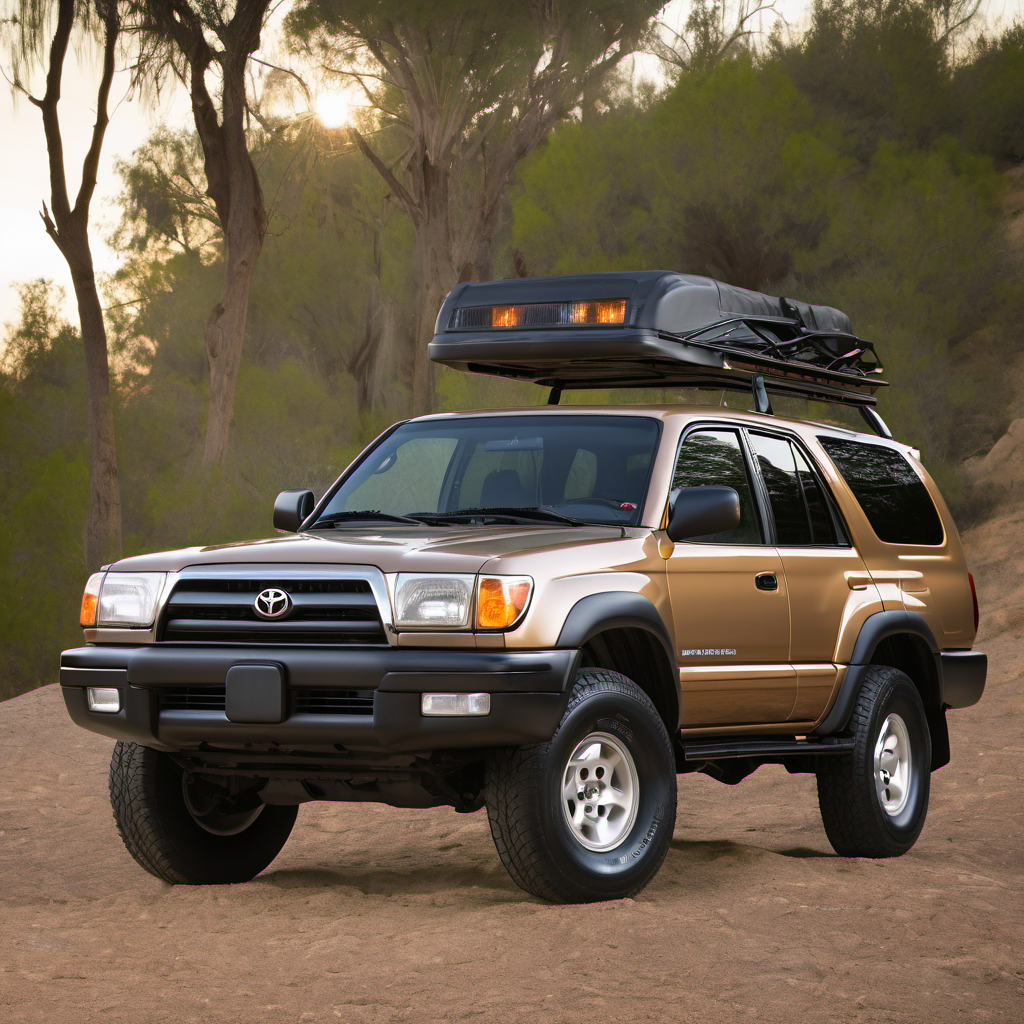
1998 Toyota 4Runner
1998 Toyota
4Runner

Similar era, proven off-road platform, arguably more refined on-road and better long-term rust resistance, but less trail-focused than the Wrangler and no open-air option

1998 Land Rover
Defender 90

Equally iconic open-air off-roader with solid axles, but far more expensive to buy and maintain, and parts availability is much harder — for enthusiasts who want an alternative to the TJ

No catalog match
1998 Ford
Bronco

Full-size two-door SUV with similar open-air appeal and strong 4WD capability; production ended after 1996 so same vintage used-market considerations apply

No catalog match
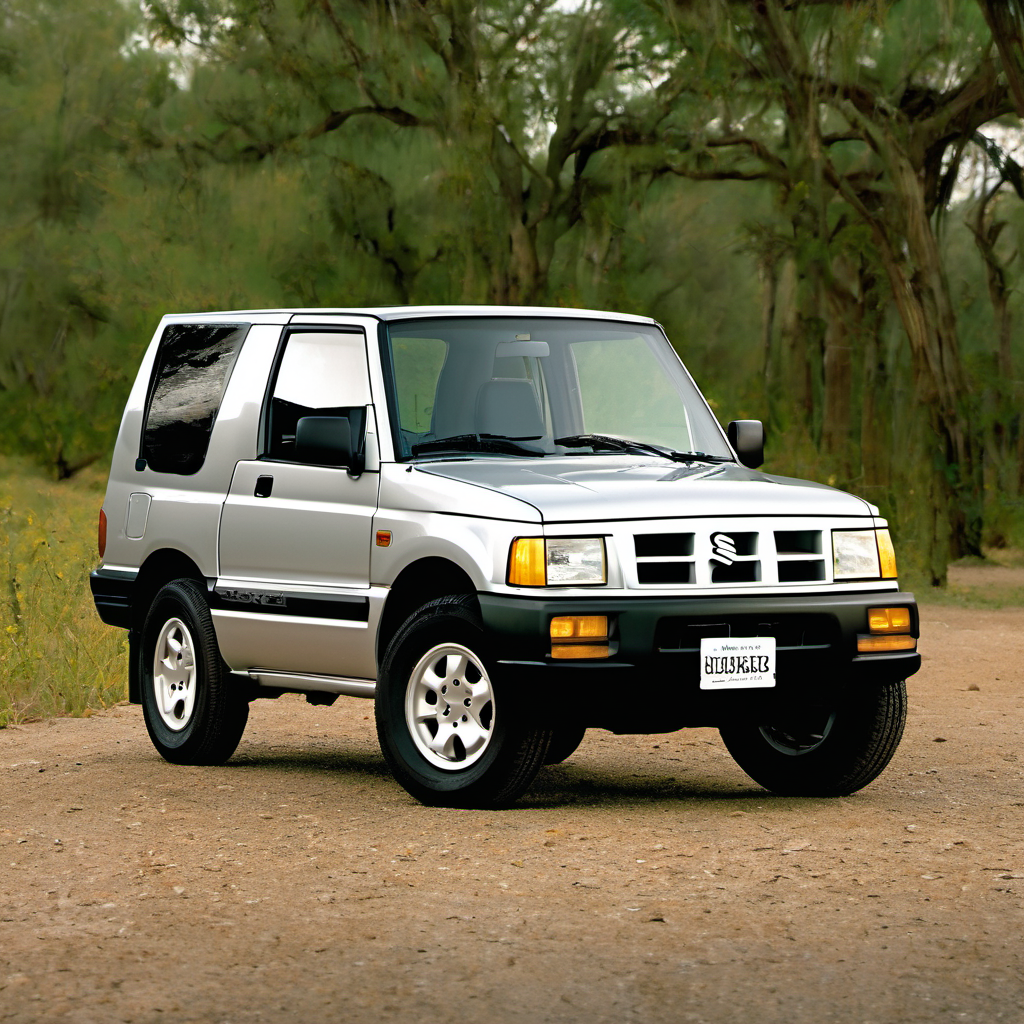
1998 Suzuki Sidekick
1998 Suzuki
Sidekick

Smaller, more fuel-efficient open-air 4WD in the same price bracket; far less capable off-road and harder to find in good condition, but a legitimate budget alternative

If you're shopping for one

Red flags
  • Any soft or flaking rust on the frame rails — repair is expensive and may be a safety risk
  • Mismatched suspension components or obvious DIY lift work with no documentation
  • Seller cannot confirm 4WD functions in all ranges
  • Visible rust-through on floorboards or body tub corners
  • Engine overheating history or coolant in oil (milky dipstick)
  • Soft-top replaced multiple times or homemade top — signals heavy outdoor exposure and possible interior water damage
What to inspect
  • Frame rails — probe for rust perforation with a screwdriver; soft spots mean structural compromise, not just cosmetic rust
  • Floor pans inside the cab — lift the carpet and look for rust-through, especially at the corners near the door sills
  • Front axle and steering — check for play in the track bar, drag link, and tie rod ends while a helper rocks the steering wheel
  • Soft-top condition and all weather seals — look for tears, cracked plastic windows, and gaps around the doors
  • Undercarriage for evidence of off-road damage — bent skid plates, cracked differential housings, damaged brake lines
  • 4WD engagement — test all 4WD modes (2H, 4H, 4L) and verify clean transfer into each range with no grinding or hesitation
  • Oil leaks — check valve cover, rear main seal, and front axle differential cover for seepage
  • Verify lift kit installation quality if lifted — improper lifts create death wobble, accelerate CV and U-joint wear, and may have voided alignment specs
AI profile generated 4 days ago · claude-sonnet-4-6 · v2.