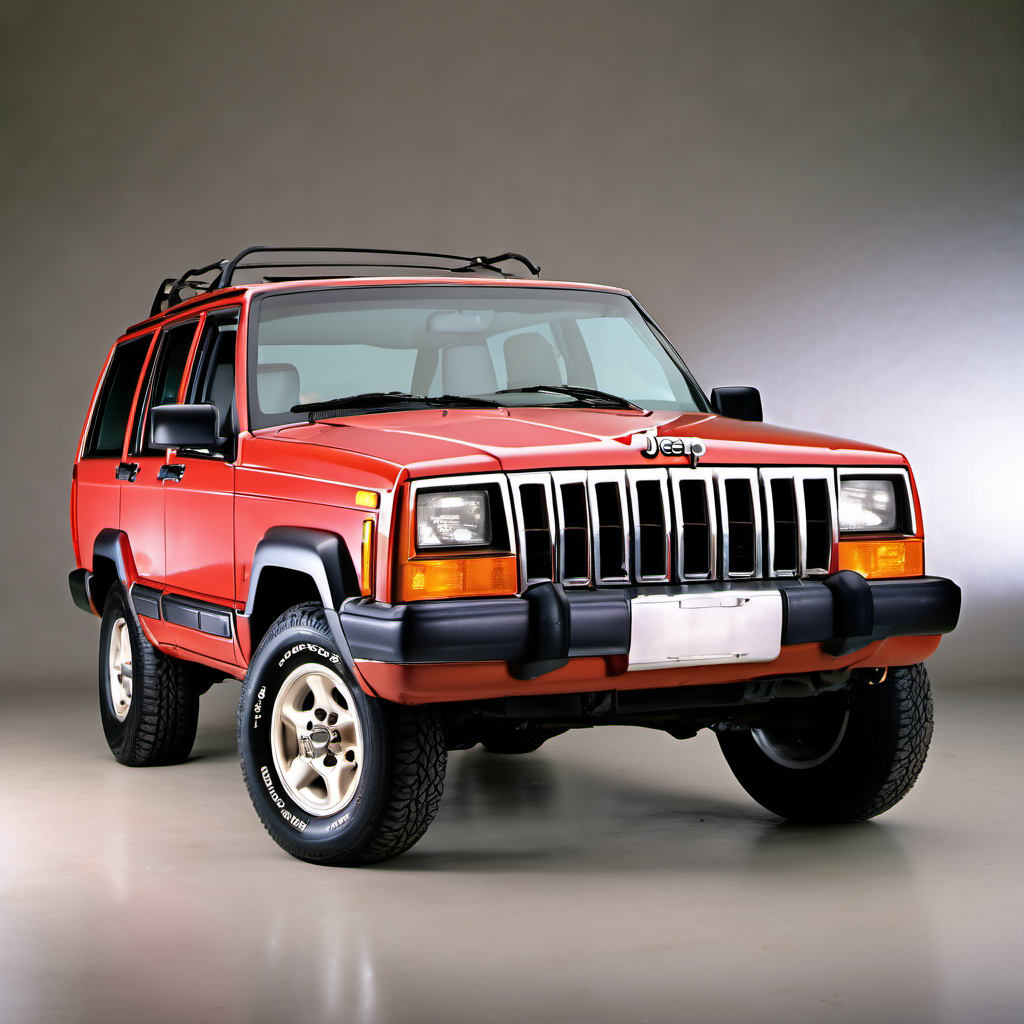
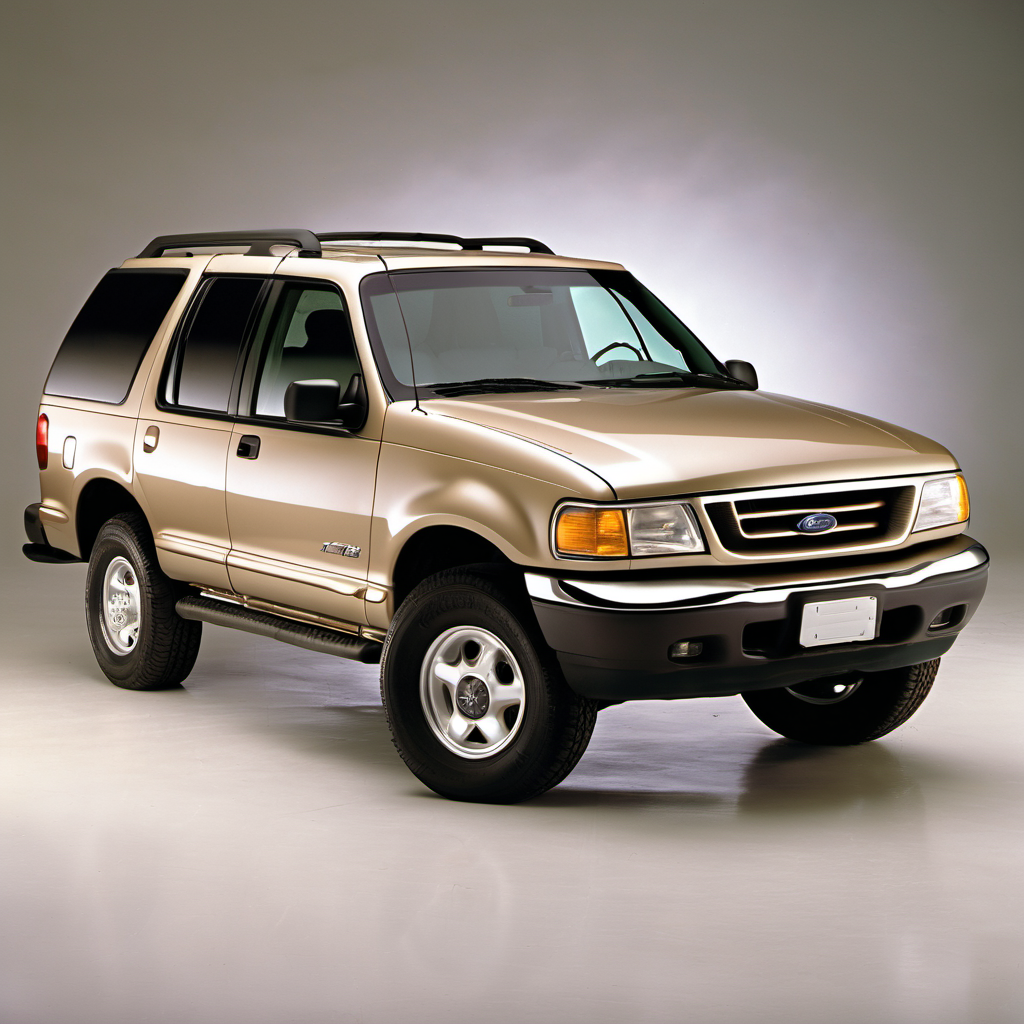
1998 Jeep Cherokee SUV

1998 Jeep

CherokeeSUV

SUV

The 1998 Jeep Cherokee (XJ) is one of the most respected compact SUVs ever built. It rode on a unibody platform that debuted in 1984 and remained largely unchanged through 2001 — a long run that speaks to how right the formula was. Compact, capable, and mechanically simple by modern standards, the XJ earned a devoted following among off-road enthusiasts and daily drivers alike. The 4.0L inline-six is the engine the Cherokee is really known for, but this example carries the 2.5L four-cylinder. That engine is adequate for daily use but noticeably underpowered when loaded or off-road. Fuel economy is modest — think late-'90s truck-era numbers. Either way, both engines share the same rugged, easy-to-work-on architecture that makes the XJ so popular with DIY owners. At 25+ years old, any surviving XJ needs to be evaluated honestly for rust, neglected maintenance, and worn steering/suspension components. The good news: parts are plentiful and inexpensive, and a well-maintained XJ can serve reliably for many more years.

Reliability
3/5
Verified data
Specs shown for Cherokee 2WD — the most common configuration. Other trims may vary in engine, drivetrain, or fuel economy. Sign in to see your vehicle's exact specs.
Engine
[object Object]
Drivetrain
RWD
Fuel
Gasoline
MPG
16 city / 20 hwy / 18 combined
Seats
Doors
Body
Special Purpose Vehicle 2WD

Overview

AI-curated

The 1998 Jeep Cherokee (XJ) is one of the most respected compact SUVs ever built. It rode on a unibody platform that debuted in 1984 and remained largely unchanged through 2001 — a long run that speaks to how right the formula was. Compact, capable, and mechanically simple by modern standards, the XJ earned a devoted following among off-road enthusiasts and daily drivers alike. The 4.0L inline-six is the engine the Cherokee is really known for, but this example carries the 2.5L four-cylinder. That engine is adequate for daily use but noticeably underpowered when loaded or off-road. Fuel economy is modest — think late-'90s truck-era numbers. Either way, both engines share the same rugged, easy-to-work-on architecture that makes the XJ so popular with DIY owners. At 25+ years old, any surviving XJ needs to be evaluated honestly for rust, neglected maintenance, and worn steering/suspension components. The good news: parts are plentiful and inexpensive, and a well-maintained XJ can serve reliably for many more years.

Known for
  • Legendary off-road capability in a compact package
  • Rugged, long-lived 4.0L inline-six (and the 2.5L four-cylinder in base trims)
  • Simple, mechanic-friendly construction with widely available parts
  • Unibody design that is surprisingly rigid and capable
  • Cult following that keeps parts supply strong even decades later
Best for
  • Budget-conscious buyers who want genuine off-road ability
  • DIY mechanics comfortable with older OBD-II vehicles
  • Light trail use, camping, and outdoor recreation
  • Buyers who prioritize repairability over modern features
Watch for
  • Serious rust on the unibody frame rails, floor pans, and rocker panels — especially in salt-belt states like Wisconsin
  • The 2.5L four-cylinder is significantly underpowered compared to the 4.0L; confirm which engine is present before buying
  • OBD-II systems on late-'90s XJs can be finicky with generic scan tools
  • High-mileage examples often have tired steering gear and worn track bars
  • Coolant leaks from the rear of the 4.0L (and lesser extent 2.5L) are common on neglected examples

Common issues by mileage

6 known

Rust on unibody frame rails, floor pans, and rockers

high
Typically appears
Any mileage — age and geography-dependent
Estimated repair
$500 – $4,000

Cracked or leaking exhaust manifold

high
Typically appears
80k–150k mi
Estimated repair
$250 – $600

Worn steering gear and track bar causing death wobble

high
Typically appears
80k–200k mi
Estimated repair
$300 – $900

Coolant leak from water pump or thermostat housing

medium
Typically appears
60k–120k mi
Estimated repair
$150 – $400

Crankshaft position sensor failure causing stalling or no-start

medium
Typically appears
70k–150k mi
Estimated repair
$100 – $250

Leaking valve cover gasket and rear main seal

medium
Typically appears
100k–200k mi
Estimated repair
$150 – $400

Maintenance schedule

  1. 1
    Every 3,000–5,000 miles Engine oil and filter change

    The 2.5L four-cylinder runs hotter than the 4.0L six under load. Fresh oil protects against sludge and premature wear, especially important on a high-mileage engine of this age.

  2. 2
    Every 2 years or 30,000 miles Coolant flush and thermostat inspection

    Old coolant loses its corrosion inhibitors and attacks the aluminum components in the cooling system. Thermostat failures are a common stranding event on these trucks.

  3. 3
    Every 30,000 miles Inspect and repack or replace front axle U-joints and CV joints (4WD models)

    These wear silently until they fail. Catching them early prevents damage to axle shafts and differential internals.

  4. 4
    Every 30,000 miles Inspect steering gear, track bar, and front end ball joints

    Worn track bar bushings and ball joints are the primary cause of 'death wobble' — a violent shimmy at highway speed. Catching wear early is far cheaper than a full front-end rebuild.

  5. 5
    Every 30,000 miles or as needed Inspect and clean battery terminals and ground straps

    The XJ is known for gremlins caused by poor grounds. A corroded battery cable or chassis ground strap can cause mysterious electrical faults on this platform.

  6. 6
    Every 60,000 miles Transfer case and differential fluid change

    Old gear oil breaks down and loses its extreme-pressure additives. Fresh fluid protects against premature wear in the transfer case and axle differentials, especially if the truck sees any off-road use.

  7. 7
    Every 60,000 miles or as needed Inspect exhaust manifold for cracks

    Heat cycling cracks cast-iron manifolds on the 2.5L and 4.0L alike. A cracked manifold is a fire hazard and affects engine performance. Catch it before it warps the head or damages the O2 sensor.

  8. 8
    Annually before winter Undercarriage rust inspection and touch-up with rust inhibitor

    Wisconsin road salt is the number-one killer of XJ unibodies. Annual inspection of frame rails, floor pans, and rocker seams — with treatment at first sign of surface rust — extends the life of the vehicle dramatically.

Always defer to the manufacturer's service manual for warranty-mandated intervals.

Cost of ownership

Annual maintenance
$600 – $1,800
Fuel
At 18 MPG combined and typical driving of 12,000 miles/year, expect roughly $1,800–$2,200/year in fuel at current Midwest gas prices. The 2.5L four-cylinder offers only marginally better fuel economy than the 4.0L six despite the power penalty.
Insurance
Generally low — older vehicle with modest market value. Expect $600–$1,000/year for full coverage on a clean driving record in the Lake Geneva area, though actual rates depend on your insurer and coverage level.

The XJ is one of the more affordable trucks to maintain when it's healthy — parts are cheap and plentiful, and the mechanical simplicity means labor hours stay reasonable. The wildcard is rust repair: a XJ with significant unibody rust can absorb thousands quickly. Budget conservatively for the first year of ownership until you know what you have.
Seasonal care

Lake Geneva, WI
Winter
  • Inspect the battery before November — cold cranking amps drop sharply below 20°F and a weak battery will leave you stranded. Replace any battery over 4 years old proactively.
  • Switch to a full-synthetic 5W-30 oil if not already using one. It flows faster on sub-zero Wisconsin mornings and reduces cold-start wear on the 2.5L.
  • Flush the washer fluid reservoir and fill with -20°F rated fluid. The underhood reservoir can freeze and crack with summer-formula fluid left in it.
  • Inspect the 4WD engagement — transfer case, front axle, and shift linkage — before the first snow. Discovering a stuck transfer case during a blizzard is avoidable.
  • Rinse the undercarriage thoroughly every 1–2 weeks during salt season. Pay special attention to the frame rails, floor pan edges, and rocker panels — these are where XJ rust starts.
  • Install dedicated winter tires if you use the truck regularly in snow. The XJ's 4WD helps you go, but worn all-seasons won't help you stop.
Summer
  • Check the coolant level and condition before hot weather. The 2.5L can run warm under load — a compromised cooling system will punish you in summer traffic.
  • Inspect the A/C system for refrigerant charge and compressor clutch engagement. R-134a systems on late-'90s Jeeps often need a recharge by this age.
  • Check tire pressure monthly — pressure rises roughly 1 PSI for every 10°F increase in ambient temperature, and over-inflation increases wear and reduces traction.
  • Inspect rubber hoses and belts for heat cracking. Underhood temperatures on a summer day can accelerate deterioration on coolant hoses and the serpentine belt of this vintage.

Comparable vehicles

If you're shopping for one

Red flags
  • Soft or punchy floor pan when you press on it — indicates rust-through and potentially compromised unibody structure.
  • Milky or frothy oil on the dipstick or inside the oil cap — signs of head gasket failure or worse.
  • Any visible weld patches or body filler on the rocker panels or frame rails — previous rust repair that may be hiding ongoing deterioration.
  • Death wobble at highway speeds — the repair can be straightforward, but it may indicate years of neglected front-end wear.
  • Smoke from the exhaust on startup that doesn't clear — valve seals or rings are worn, meaning an engine that burns oil.
  • Rust streaks or water stains inside the cabin, especially at the floor corners and under the rear cargo area carpet.
What to inspect
  • Crawl under the vehicle and probe the frame rails, floor pans, and rocker panels with a screwdriver — rust perforation is a structural issue on the unibody XJ and can be a deal-breaker.
  • Confirm the actual engine: the 4.0L inline-six is far more desirable than the 2.5L four-cylinder. Check the emissions sticker under the hood.
  • Engage 4WD in both 4Hi and 4Lo before buying — transfer case and front axle issues are common and expensive.
  • Drive at highway speed and check for death wobble (violent steering wheel shake) — a sign of worn track bar, ball joints, or steering gear.
  • Check all ground straps and battery cable condition — XJ electrical gremlins are almost always ground-related.
  • Look for oil leaks at the valve cover, rear main seal, and oil pan — normal on high-mileage examples but factor repair cost into your offer.
AI profile generated 18 days ago · claude-sonnet-4-6 · v2.