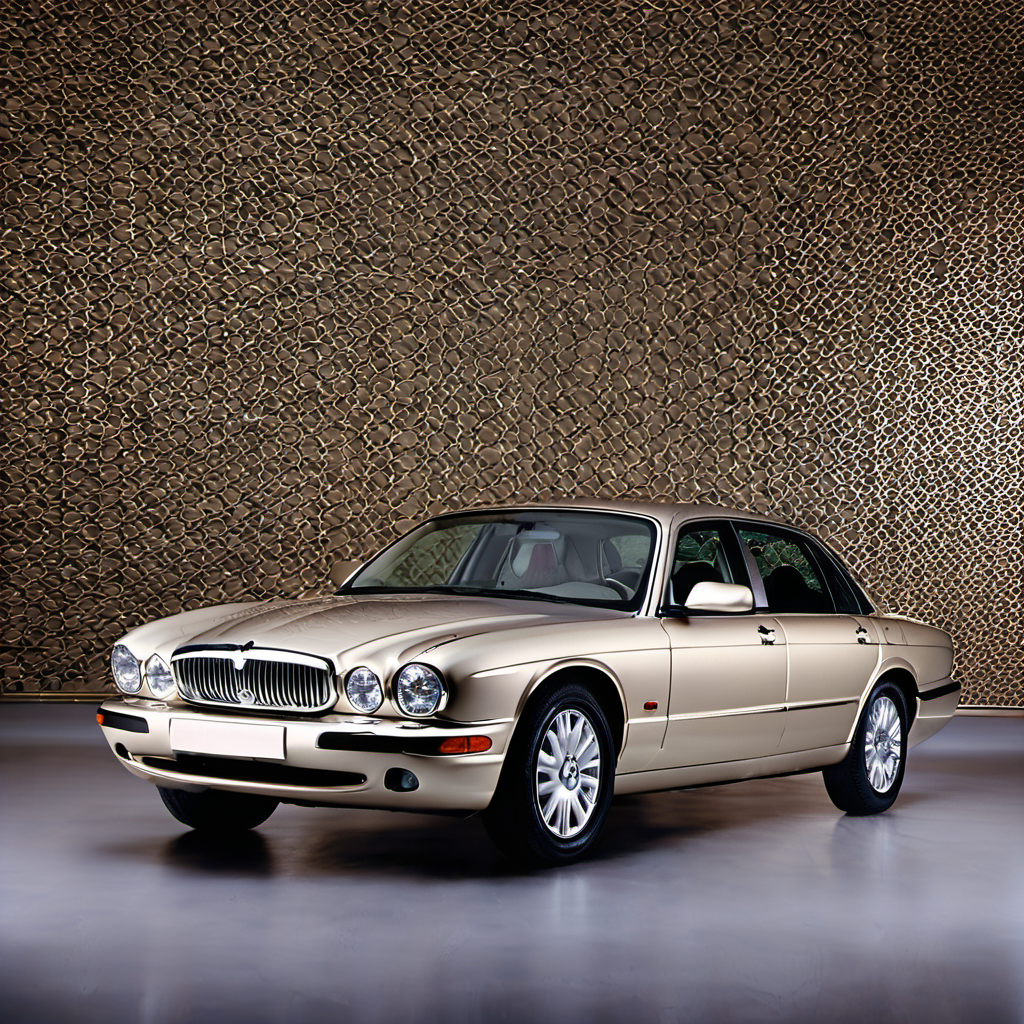
1998 Jaguar XJ Sedan

1998 Jaguar

XJSedan

Sedan

The 1998 Jaguar XJ is the final model year of the third-generation XJ40/X300-derived platform before the all-new X308 body fully took hold — in practice, the 1998 XJ8 (X308) brought a new aluminum 4.0L V8 (AJ-V8) replacing the inline-six era, wrapped in a subtly restyled body that kept Jaguar's classic long-hood, formal-sedan proportions. It is a genuine full-size luxury sedan that seats five in hand-stitched leather with burl walnut trim, competing against the BMW 7 Series and Mercedes S-Class of its day. At its best, the 1998 XJ is one of the most beautiful sedans ever built — smooth, quiet, and surprisingly quick for its era. The 4.0L AJ-V8 produces 290 hp and delivers a refined, creamy power delivery. Ride quality on properly maintained air-or-spring suspension is exceptional. The hard truth: this is a 25-plus-year-old British luxury car with real ownership complexity. Parts are available but not cheap, and many independent shops aren't fluent in Jaguar electronics. Budget generously for maintenance and have a specialist relationship lined up before you buy.

Reliability
2/5
Verified data
Specs shown for XJ8 — the most common configuration. Other trims may vary in engine, drivetrain, or fuel economy. Sign in to see your vehicle's exact specs.
Engine
[object Object]
Drivetrain
RWD
Fuel
Premium gasoline
MPG
16 city / 22 hwy / 18 combined
Seats
Doors
Body
Compact Cars

Overview

AI-curated

The 1998 Jaguar XJ is the final model year of the third-generation XJ40/X300-derived platform before the all-new X308 body fully took hold — in practice, the 1998 XJ8 (X308) brought a new aluminum 4.0L V8 (AJ-V8) replacing the inline-six era, wrapped in a subtly restyled body that kept Jaguar's classic long-hood, formal-sedan proportions. It is a genuine full-size luxury sedan that seats five in hand-stitched leather with burl walnut trim, competing against the BMW 7 Series and Mercedes S-Class of its day. At its best, the 1998 XJ is one of the most beautiful sedans ever built — smooth, quiet, and surprisingly quick for its era. The 4.0L AJ-V8 produces 290 hp and delivers a refined, creamy power delivery. Ride quality on properly maintained air-or-spring suspension is exceptional. The hard truth: this is a 25-plus-year-old British luxury car with real ownership complexity. Parts are available but not cheap, and many independent shops aren't fluent in Jaguar electronics. Budget generously for maintenance and have a specialist relationship lined up before you buy.

Known for
  • Stunning classic British styling with upscale wood-and-leather interior
  • Smooth, refined 4.0L AJ-V8 with strong low-end torque
  • Exceptionally quiet highway ride when in good repair
  • Complex electrical systems with known reliability weak spots
  • Higher-than-average ownership costs for its age
Best for
  • Enthusiasts who want a classic luxury experience on a budget
  • Owners with access to a Jaguar-fluent independent specialist
  • Weekend or occasional drivers — not a high-mileage daily workhorse
  • Collectors seeking a well-maintained, low-mileage example
Watch for
  • Nikasil-lined cylinder bores on early AJ-V8s (sulfur-heavy fuel damage — verify block was repaired or replaced)
  • Air suspension or coil spring condition — sagging rear is a common sight
  • Electrical gremlins: windows, sunroof, HVAC blend doors, instrument clusters
  • Cooling system neglect leading to overheating and warped heads
  • Deferred maintenance on high-mileage examples — service history is everything

Common issues by mileage

6 known

Nikasil Cylinder Bore Wear (AJ-V8)

medium
Typically appears
0–80k mi
Estimated repair
$4,000 – $9,000

Cooling System Failure / Overheating

high
Typically appears
60–130k mi
Estimated repair
$400 – $2,500

Air Suspension Compressor and Bag Failure

high
Typically appears
70–120k mi
Estimated repair
$600 – $2,200

HVAC Blend Door Actuator / Climate Control Failure

high
Typically appears
60–130k mi
Estimated repair
$300 – $1,200

Oxygen Sensor / O2 Sensor Heater Circuit Faults

medium
Typically appears
80–150k mi
Estimated repair
$200 – $700

Window Regulator and Power Window Motor Failure

high
Typically appears
80k+ mi
Estimated repair
$250 – $800

Maintenance schedule

  1. 1
    Every 2 years or 30k miles — more urgently on any used purchase Coolant flush and full cooling system inspection (hoses, thermostat, water pump)

    The AJ-V8's aluminum heads are highly susceptible to overheating damage. Neglected coolant is the number-one cause of expensive engine repairs on this platform.

  2. 2
    Every 40–50k miles Transmission fluid change (ZF 5HP24 automatic)

    Jaguar listed this as a 'lifetime' fill but that designation does not hold up over 25 years. Fresh fluid prevents harsh shifts and extends transmission life significantly.

  3. 3
    Every 30k miles Spark plug replacement (all 8)

    Iridium or platinum plugs are required. Neglected plugs cause misfires that stress the catalytic converters — a very expensive downstream failure.

  4. 4
    Every 2 years Air suspension compressor filter and system inspection

    The compressor draws air through a small foam filter that clogs and causes the compressor to overheat and fail. A $15 filter can prevent a $600–$900 compressor replacement.

  5. 5
    Every fall before Wisconsin winter Battery load test and terminal cleaning

    The XJ's electrical system is sensitive to low voltage. A weak battery causes cascading electrical faults across body control, windows, and instrument cluster — not just a no-start.

  6. 6
    Every 2 years Brake fluid flush

    Brake fluid absorbs moisture over time. On a vehicle this age, contaminated fluid can corrode ABS module internals — a $1,500+ repair versus a $80 flush.

  7. 7
    Every 60k miles or at any signs of cracking/glazing Serpentine belt and tensioner inspection

    Belt failure on this engine leaves you stranded and can damage the power steering and alternator. Tensioners on aged cars often fail before the belt shows obvious wear.

  8. 8
    Every spring after winter season Underbody and chassis inspection for corrosion

    Wisconsin road salt attacks brake lines, fuel lines, and subframe mounting points. A 25-year-old car needs this checked every year without exception.

Always defer to the manufacturer's service manual for warranty-mandated intervals.

Cost of ownership

Annual maintenance
$1,200 – $3,500
Fuel
Premium unleaded required. At ~18 MPG combined and typical Wisconsin driving patterns, expect $2,000–$2,800/year at current fuel prices.
Insurance
Generally moderate — collector/agreed-value policies are worth exploring for low-mileage examples. Standard liability rates are reasonable given the car's age and depreciated value.

This is not a cheap car to own despite its low used purchase price. Budget $1,200–$3,500/year for routine maintenance at an independent specialist, and keep a separate repair reserve of $1,500–$2,000 for the unexpected. The biggest financial risk is deferred maintenance — each ignored item tends to cascade into the next. A well-maintained example bought with full history will cost far less over time than a bargain-priced neglected one.

Seasonal care

Lake Geneva, WI
Winter
  • Load-test the battery every October — low voltage causes widespread electrical faults across this car's body and instrument systems, not just starting problems.
  • Switch to full-synthetic 5W-30 if not already used; the AJ-V8 takes longer to circulate oil on sub-zero starts and thinner cold-flow oil matters.
  • Use DOT-rated winter washer fluid rated to -20°F or below — the XJ's hood line is low and road spray hits the windshield constantly.
  • Inspect and treat all door and trunk seals with a silicone-based conditioner to prevent freezing shut in Lake Geneva's wet freeze-thaw cycles.
  • Flush and refill coolant with a fresh 50/50 mix before first freeze — verify freeze protection to at least -34°F with a test strip.
  • Rinse the undercarriage every 1–2 weeks during salting season; brake lines and fuel lines on a 25-year-old car are vulnerable to accelerated corrosion.
Summer
  • Check tire pressure monthly — heat causes pressure to rise and the XJ's handling is noticeably affected by over- or under-inflation.
  • Inspect the A/C system charge and cabin air filter before summer; the blend door actuators are already failure-prone and heat-soaked operation makes them worse.
  • Watch coolant temperature closely on hot days in slow traffic — if the gauge climbs above normal, pull over immediately to avoid head gasket damage.
  • Park in shade when possible; the leather and wood trim fade and crack with prolonged UV exposure, and interior temps over 130°F accelerate it.

Comparable vehicles

If you're shopping for one

Red flags
  • No service records or vague ownership history — walk away. Deferred maintenance on this car is catastrophically expensive.
  • Any sign of overheating history: stained coolant reservoir, warped valve cover, white residue near coolant hoses.
  • Unresolved or recurring electrical fault codes, especially multiple simultaneous body or network codes (B-codes, U-codes).
  • Oil in the coolant or coolant in the oil — either indicates head gasket failure, which is a major engine-out repair on this platform.
  • Rust on brake lines, fuel lines, or subframe — a Wisconsin-wintered car with neglected undercarriage can have structural safety issues.
  • Seller unable or unwilling to allow a pre-purchase inspection by an independent mechanic.
What to inspect
  • Pull the service history and specifically confirm the Nikasil bore repair or that the engine block was replaced/re-sleeved under Jaguar's program — this is non-negotiable.
  • Cold-start the engine and watch for white or blue smoke, rough idle, or slow oil pressure build — all indicate serious engine wear.
  • Test every electrical system: all windows, sunroof, HVAC blend on both sides, instrument cluster brightness, heated seats, and central locking.
  • Check the rear suspension height — a sagging rear end means the air suspension bags or compressor are failing and repair is imminent.
  • Inspect the coolant for a dark, rusty, or oily appearance; any contamination is a red flag for cooling system neglect or possible head gasket seepage.
  • Have a Jaguar-experienced independent shop perform a pre-purchase inspection including a scan for all stored and pending DTCs.
AI profile generated 4 days ago · claude-sonnet-4-6 · v2.