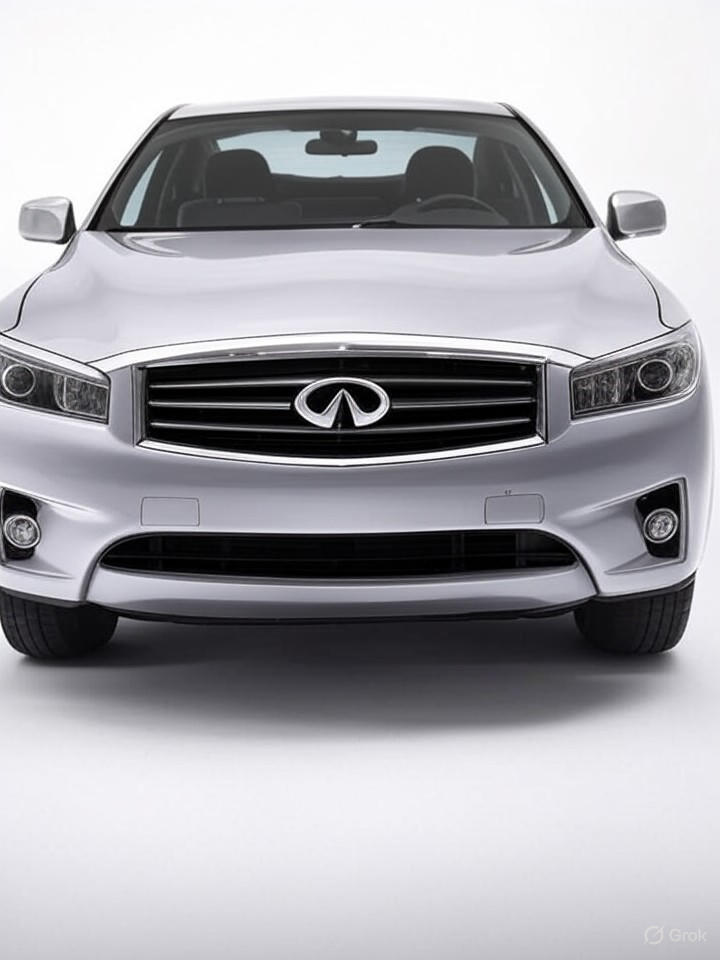
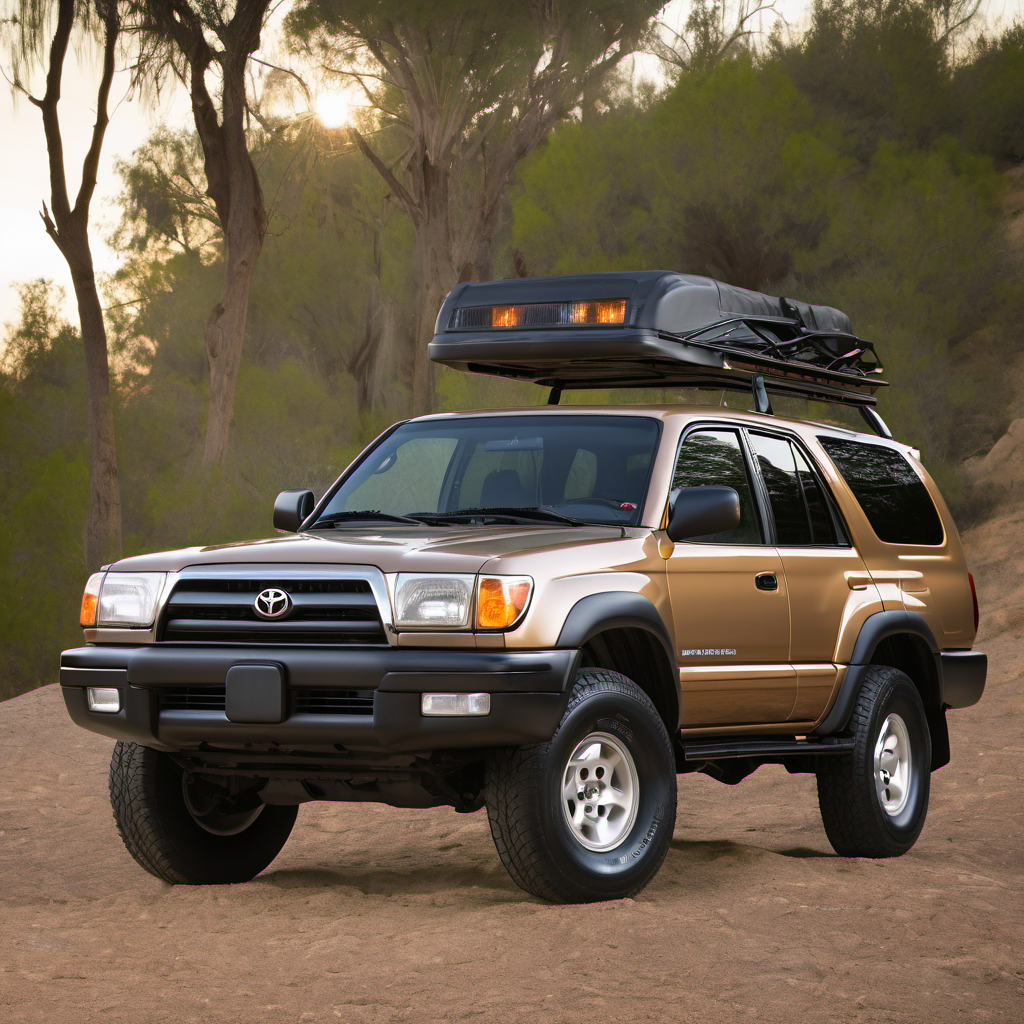
1998 INFINITI QX SUV

1998 INFINITI

QXSUV

3.3L V6 · SUV

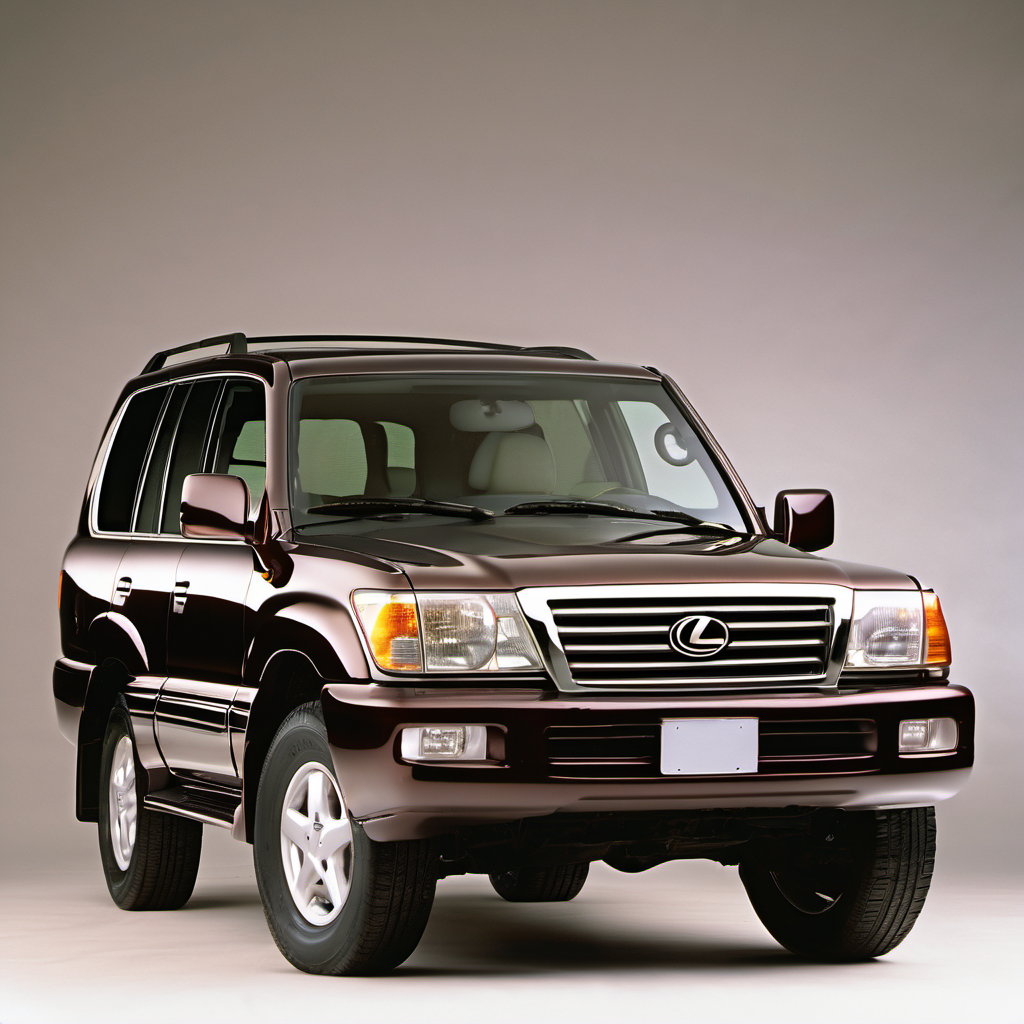
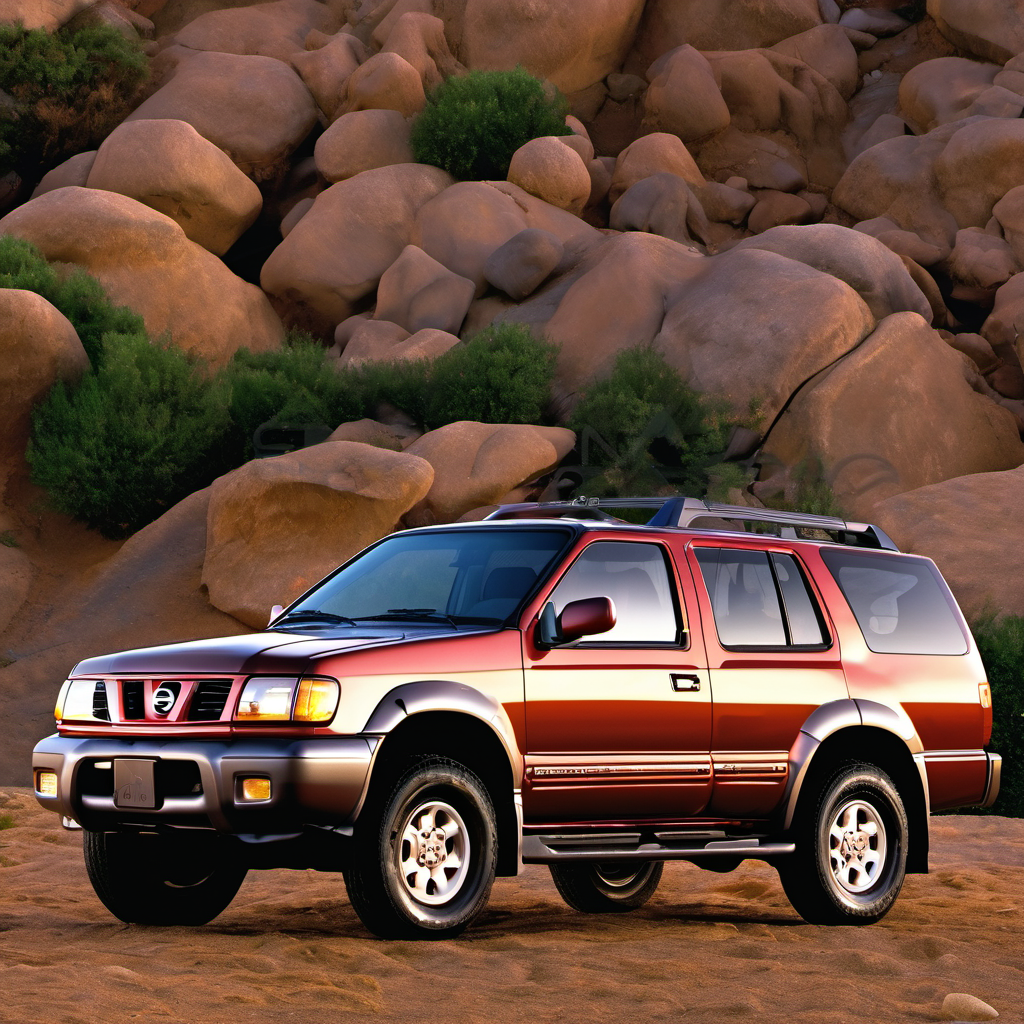
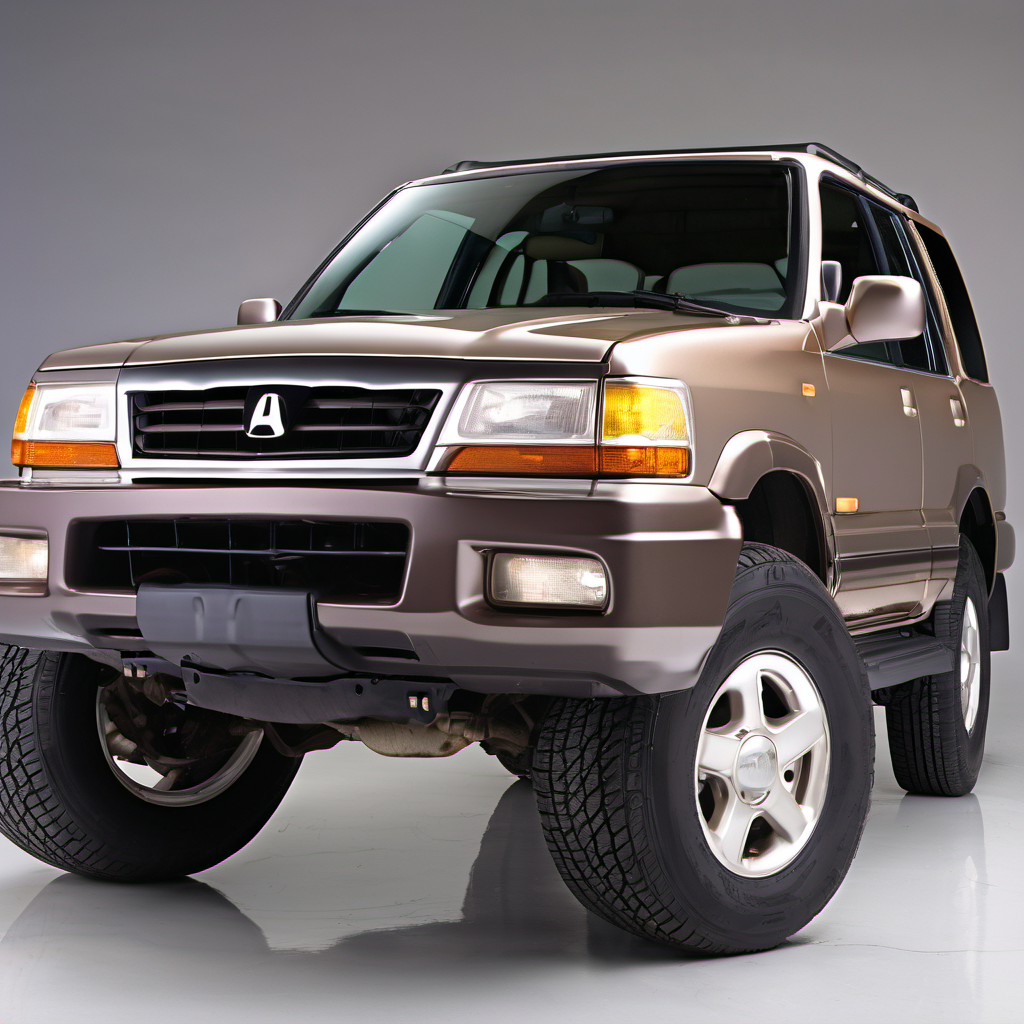
The 1998 Infiniti QX4 is a first-generation luxury mid-size SUV built on the Nissan Pathfinder platform. Infiniti positioned it against the Lexus LX and Acura SLX, offering a more refined interior and smoother ride than its Pathfinder twin while sharing the same proven mechanicals. It was powered by Nissan's durable 3.3L V6 and came standard with part-time 4WD with a locking center differential. For a mid-90s luxury SUV, the QX4 held up reasonably well in long-term ownership, though it is now well past the age where rust, aging rubber, and deferred maintenance are the primary concerns rather than any fundamental design flaw. Parts availability is decent thanks to the shared Pathfinder/Nissan platform, and independent shops familiar with Nissan can service these without issue. At 26+ years old, any surviving QX4 is a high-mileage or low-use survivor. Value is minimal, maintenance costs relative to vehicle value are high, and buyers should treat this as a project or utility vehicle rather than a daily driver without a full inspection first.

Reliability
3/5
Verified data
Engine
3.3L V6
Drivetrain
4WD
Fuel
Gasoline
MPG
15 city / 19 hwy / 17 combined
Seats
5
Doors
4
Body
SUV
MSRP
$35,900

Overview

AI-curated

The 1998 Infiniti QX4 is a first-generation luxury mid-size SUV built on the Nissan Pathfinder platform. Infiniti positioned it against the Lexus LX and Acura SLX, offering a more refined interior and smoother ride than its Pathfinder twin while sharing the same proven mechanicals. It was powered by Nissan's durable 3.3L V6 and came standard with part-time 4WD with a locking center differential. For a mid-90s luxury SUV, the QX4 held up reasonably well in long-term ownership, though it is now well past the age where rust, aging rubber, and deferred maintenance are the primary concerns rather than any fundamental design flaw. Parts availability is decent thanks to the shared Pathfinder/Nissan platform, and independent shops familiar with Nissan can service these without issue. At 26+ years old, any surviving QX4 is a high-mileage or low-use survivor. Value is minimal, maintenance costs relative to vehicle value are high, and buyers should treat this as a project or utility vehicle rather than a daily driver without a full inspection first.

Known for
  • Nissan Pathfinder-based platform with proven 3.3L V6
  • Upscale interior appointments for its era
  • Part-time 4WD with decent off-road capability
  • Good towing capacity for a mid-size SUV of its time
  • Body-on-frame construction built to last structurally
Best for
  • Budget luxury SUV buyers willing to do maintenance
  • Nissan/Infiniti enthusiasts who enjoy older platforms
  • Light off-road or rural Wisconsin driving
  • Low-mileage survivor collectors
Watch for
  • Frame and rocker panel rust — critical in Wisconsin salt country
  • Timing belt service history (interference engine — skipped belt = engine damage)
  • Distributor and ignition system failures common with age
  • Cooling system neglect leading to head gasket issues on the 3.3L
  • 4WD transfer case and front differential seals leaking with age

Common issues by mileage

6 known

Timing belt failure (interference engine)

high
Typically appears
60–200k mi (age-dependent regardless of mileage)
Estimated repair
$450 – $850

Distributor failure / worn distributor cap and rotor

high
Typically appears
80k+ mi
Estimated repair
$200 – $600

Cooling system failure / head gasket leak

medium
Typically appears
100k–180k mi
Estimated repair
$900 – $2,200

Transfer case and front differential seal leaks

high
Typically appears
80k+ mi
Estimated repair
$150 – $500

Frame and underbody rust (Wisconsin salt exposure)

high
Typically appears
All mileages on Midwest vehicles
Estimated repair
$500 – $4,000

Oxygen sensor heater circuit faults

medium
Typically appears
100k+ mi
Estimated repair
$150 – $400

Maintenance schedule

  1. 1
    Every 60k miles or 5 years — whichever comes first Timing belt and water pump replacement

    The VG33 is an interference engine. A snapped belt contacts the valves and destroys the engine. Always replace the water pump at the same time since labor is shared. On a 26-year-old truck, do this immediately if history is unknown.

  2. 2
    Every 2 years regardless of mileage Engine coolant flush and thermostat inspection

    Aging coolant loses its inhibitors and accelerates corrosion in the aluminum head and iron block. Head gasket repairs on the 3.3L are expensive — fresh coolant is cheap insurance.

  3. 3
    Every 30k miles or at first sign of rough idle Distributor cap, rotor, spark plugs, and ignition wires

    The VG33 distributor is a known wear point. Degraded ignition components cause misfires, hard starts, and poor fuel economy. Wisconsin winters make cold-start misfires more noticeable.

  4. 4
    Every 30k miles or immediately if seals show leakage Transfer case and front differential fluid change

    Low fluid levels from leaking seals damage these components quickly and quietly. Rebuilds are expensive. Fresh fluid also reveals metal particles that signal internal wear early.

  5. 5
    Annually before winter Inspect and lubricate 4WD actuators and front axle disconnect

    4WD systems that sit in 2WD all summer tend to stick or fail to engage in winter. Test engagement in fall before you need it on ice.

  6. 6
    Every 2–3 years Brake fluid flush

    Hygroscopic brake fluid absorbs moisture over time, lowering boiling point and accelerating caliper and master cylinder corrosion — particularly important on an older vehicle in a wet, salty climate.

  7. 7
    Annually Inspect all rubber bushings, CV boots, and hoses

    At 26 years old, rubber degrades from age alone regardless of mileage. Cracked CV boots, swollen hoses, and collapsed bushings are common failure points that lead to larger repairs if ignored.

  8. 8
    Annually each fall Underbody rust inspection and treatment

    Wisconsin road salt accelerates frame and subframe corrosion. Inspect pinch welds, control arm mounts, and frame rails. Apply rust inhibitor to bare metal annually to slow progression.

Always defer to the manufacturer's service manual for warranty-mandated intervals.

Cost of ownership

Annual maintenance
$800 – $2,500
Fuel
Expect roughly $2,400–$3,000/year at average Wisconsin driving distances (~12,000 mi/yr) based on 16–17 MPG combined and current mid-grade fuel prices.
Insurance
Typically low — vehicle value is minimal, so comprehensive/collision coverage may not be worth carrying. Liability-only policies for this age vehicle run $400–$800/year depending on driver profile.

This truck costs relatively little to insure or register but demands consistent mechanical attention at its age. A single deferred repair — timing belt, head gasket, or serious rust remediation — can easily exceed the vehicle's total market value. Budget accordingly and keep a repair reserve. Parts are generally available and affordable thanks to the shared Nissan Pathfinder platform.
Seasonal care

Lake Geneva, WI
Winter
  • Test 4WD engagement in October before the first snowfall — actuators seize when left unexercised all summer.
  • Switch to a full synthetic 5W-30 or 5W-40 if not already used — the VG33 cranks hard in sub-zero Lake Geneva temperatures on conventional oil.
  • Load-test the battery before November. Cold cranking amps drop dramatically at -10°F and this truck's V6 draws significant current at startup.
  • Use -40°F rated washer fluid and replace wiper blades with winter blades — visibility is a safety item.
  • Inspect the rubber seals on all four doors and the rear hatch; cracked seals let Wisconsin cold and moisture into the cabin and cause door freeze-shut.
  • Flush and rinse the undercarriage after any road salt exposure — the frame on these trucks is a known rust point and salt accelerates it rapidly.
Summer
  • Check tire pressure monthly — every 10°F rise in ambient temperature adds roughly 1 PSI; overinflated tires on summer pavement wear unevenly.
  • Inspect the A/C system for refrigerant leaks and verify cabin filter condition if equipped — the system has likely sat partially charged for years.
  • Check coolant level and condition before hot-weather driving; the 3.3L runs warm when towing or in stop-and-go heat, and aging coolant compounds the risk.
  • Inspect all rubber hoses and belts for heat cracking — summer heat accelerates deterioration on 26-year-old rubber.

Comparable vehicles

If you're shopping for one

Red flags
  • Any visible rust perforation on the frame, rocker panels, or floor pans — structural rust is not economically repairable on a vehicle of this value.
  • Unknown timing belt history on a 100k+ mile truck — walk away or insist on immediate replacement before purchase.
  • Milky or foamy oil, white exhaust smoke, or overheating history — likely head gasket failure on the 3.3L.
  • 4WD that won't engage or grinds — transfer case repairs start at $800 and go up from there.
  • Evidence of flood damage: musty odor, water staining under carpet, corroded electrical connectors.
What to inspect
  • Frame rails and underbody: get it on a lift and probe for rust with a screwdriver — soft metal is a deal-breaker.
  • Timing belt service record: if the seller can't document it, budget for immediate replacement before driving it.
  • 4WD engagement: test all modes (2H, 4H, 4L) during the test drive — failure to engage cleanly means transfer case or actuator work.
  • Cooling system: check for white exhaust at startup, milky oil on the dipstick, and bubbles in the coolant reservoir (head gasket warning signs).
  • Distributor condition: check for rough idle, hesitation, or hard starts — distributor replacement is common at this age.
AI profile generated 4 days ago · claude-sonnet-4-6 · v2.