Rust — floorpans, rocker panels, and subframe
high- Typically appears
- Any mileage / age-driven
- Estimated repair
- $500 – $3,000
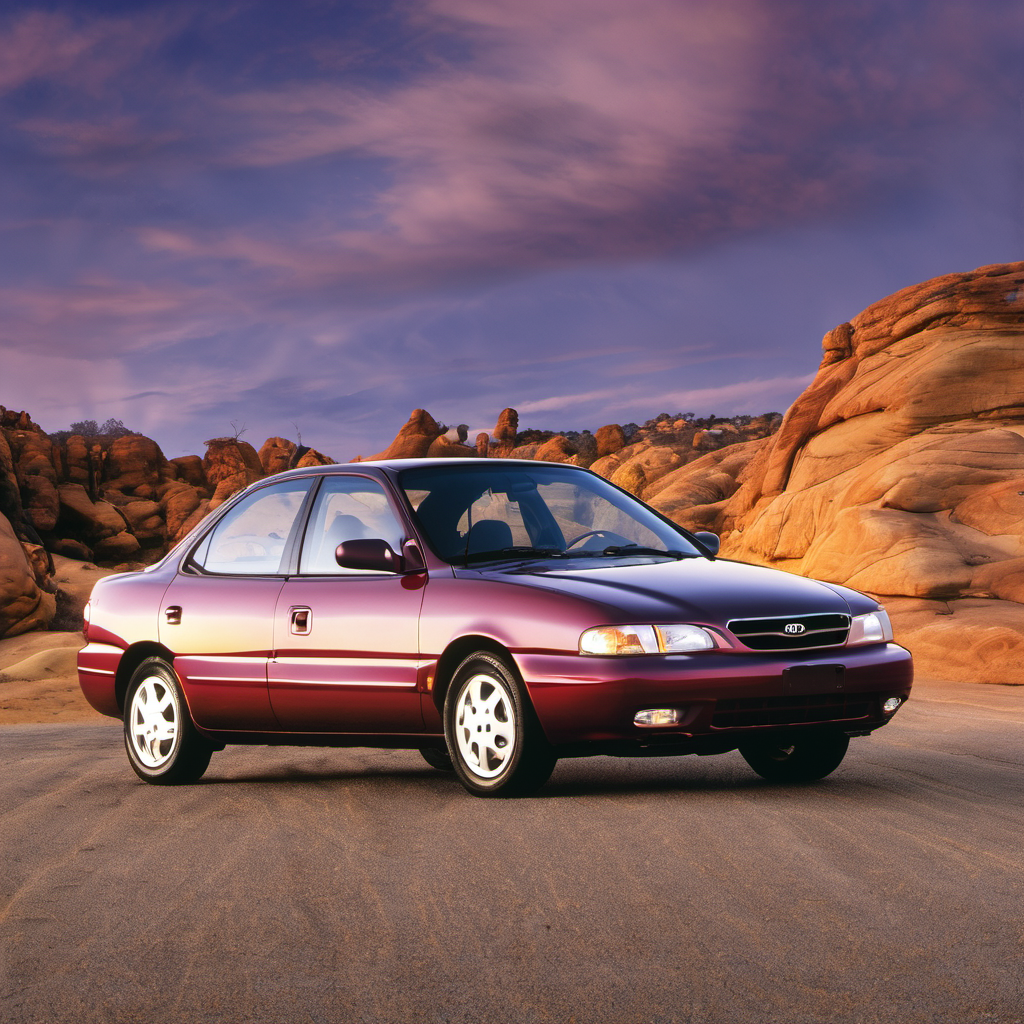
1997 Kia
Sedan
The 1997 Kia Sephia is a front-wheel-drive compact sedan that represents Kia's early push into the North American market. It was positioned squarely as an entry-level budget car — cheap to buy new, cheap to insure, and easy to park. The first-generation Sephia (this body style ran 1992–1997) was co-developed with Mazda and shares some engineering DNA with the Mazda 323/Protegé, which gave it a slightly more respectable mechanical foundation than its price tag implied. By 1997, the Sephia was nearing the end of its first-generation run and was already being outclassed by the competition in refinement and reliability. Parts availability has thinned considerably over the past two decades, and finding a well-maintained example at this age is genuinely difficult. Any surviving Sephia is now well over 25 years old, meaning rust, worn suspension bushings, and deferred maintenance are the rule rather than the exception — especially in Wisconsin. For most buyers today, the Sephia is a curiosity or a very low-budget runabout. It's not a collector car and doesn't command investment-grade care. If you own one, keep up with basics, address rust early, and set a realistic budget ceiling for repairs relative to the car's current market value.
The 1997 Kia Sephia is a front-wheel-drive compact sedan that represents Kia's early push into the North American market. It was positioned squarely as an entry-level budget car — cheap to buy new, cheap to insure, and easy to park. The first-generation Sephia (this body style ran 1992–1997) was co-developed with Mazda and shares some engineering DNA with the Mazda 323/Protegé, which gave it a slightly more respectable mechanical foundation than its price tag implied. By 1997, the Sephia was nearing the end of its first-generation run and was already being outclassed by the competition in refinement and reliability. Parts availability has thinned considerably over the past two decades, and finding a well-maintained example at this age is genuinely difficult. Any surviving Sephia is now well over 25 years old, meaning rust, worn suspension bushings, and deferred maintenance are the rule rather than the exception — especially in Wisconsin. For most buyers today, the Sephia is a curiosity or a very low-budget runabout. It's not a collector car and doesn't command investment-grade care. If you own one, keep up with basics, address rust early, and set a realistic budget ceiling for repairs relative to the car's current market value.
The 1.6L is an interference engine. A snapped belt bends valves and can total the engine. At this vehicle's age, replace it now if history is unknown regardless of mileage.
Original hoses and clamps on a 25+ year-old car are a liability. Inspect for swelling, cracking, and weeping. Flush old coolant to prevent internal corrosion.
Brake fluid absorbs moisture over time, lowering boiling point. Critical for Wisconsin winters where braking performance matters most.
Standard copper plugs and aging plug wires cause misfires and poor cold starts. A fresh set improves starting reliability in sub-zero temps.
Wisconsin road salt accelerates corrosion aggressively. Inspect rocker panels, subframe mounting points, and floorpans annually. Treat bare metal before winter.
The automatic in this generation is the weakest link. Fresh fluid is cheap insurance. Never flush a high-mileage unit that has never been serviced — drain and fill only.
Restricted airflow and clogged fuel filters cause rough running and hard starting, both amplified in cold Wisconsin winters.
A marginal battery that starts fine in September will frequently fail at -10°F. Load-test before winter every year.
Always defer to the manufacturer's service manual for warranty-mandated intervals.
The Sephia's biggest ownership risk isn't routine maintenance cost — it's the surprise repair that costs more than the car is worth. Routine upkeep is inexpensive, but a transmission failure, major rust repair, or engine job on a car worth $500–$2,000 puts you in a tough economic spot fast. Set a firm repair budget ceiling before investing in anything major.
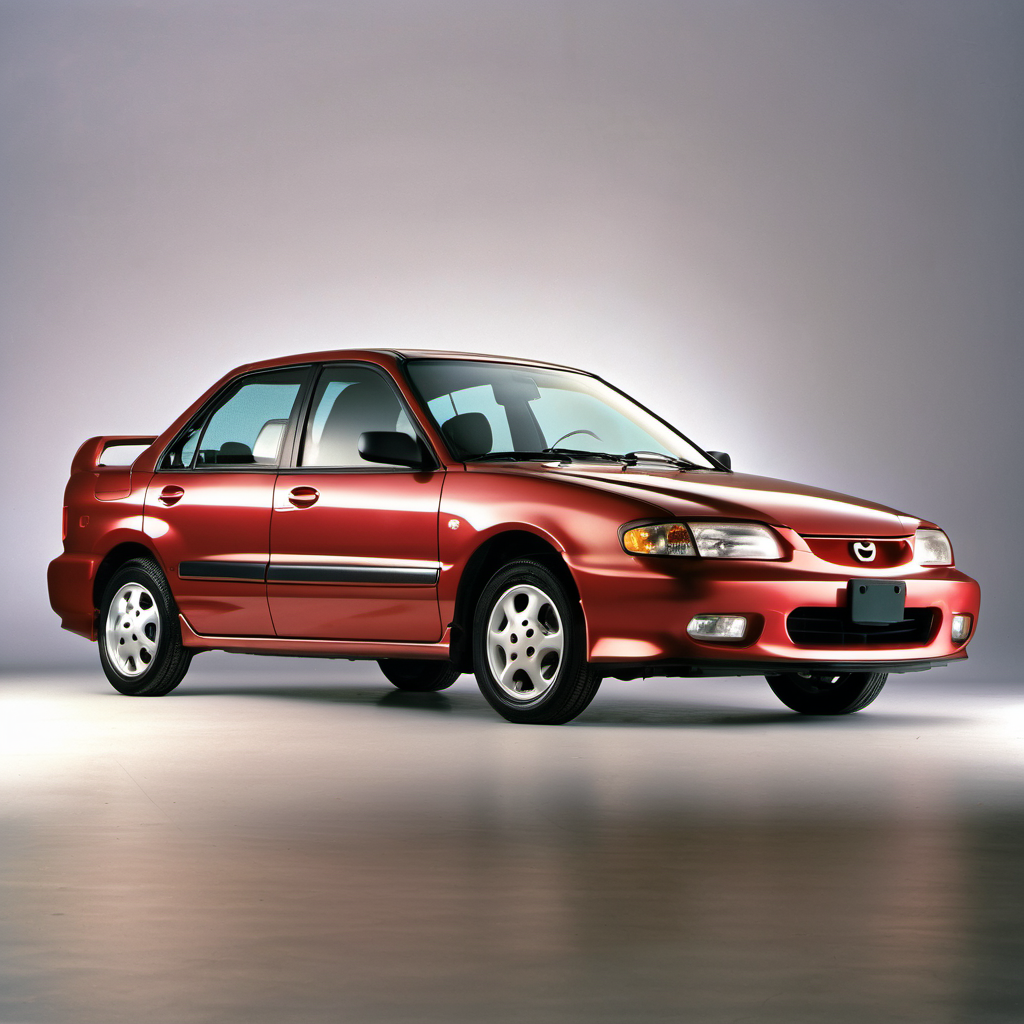
Shares significant engineering with the Sephia (same platform origin), but with better build quality, stronger dealer/parts support, and a more refined driving experience at a similar original price.
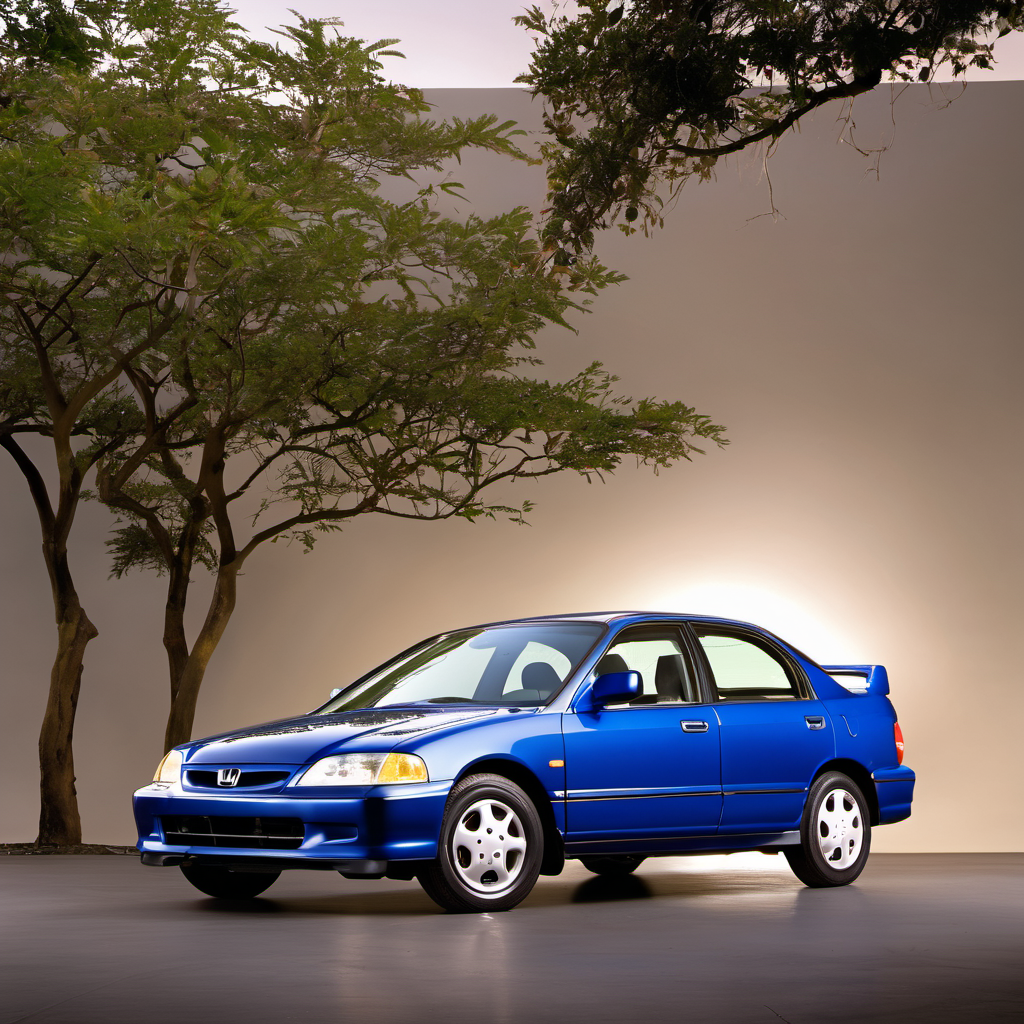
The gold standard of late-1990s compact sedans. Significantly more reliable long-term, far better parts availability, and stronger resale — though pricier to buy used.
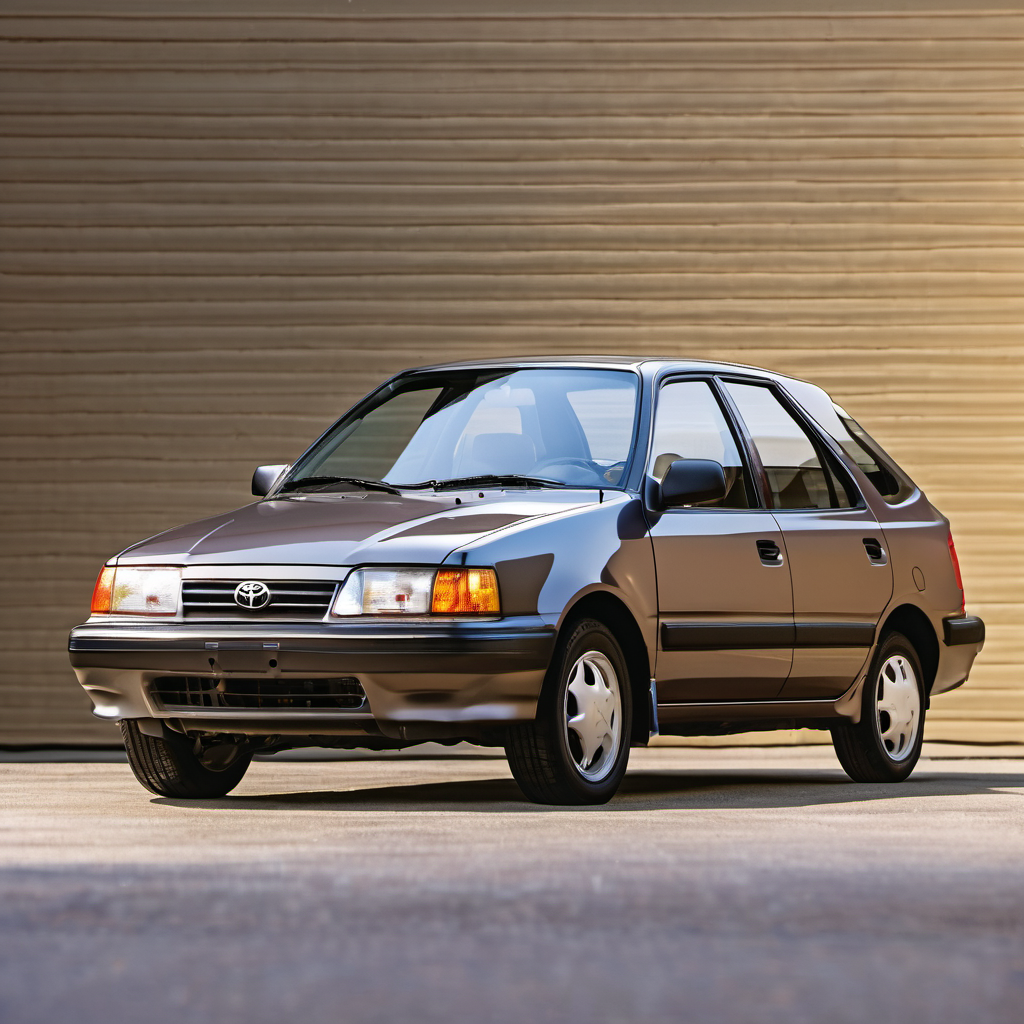
Toyota's entry-level budget compact from the same era. Similar price point and fuel economy, but with considerably better reliability and parts availability.
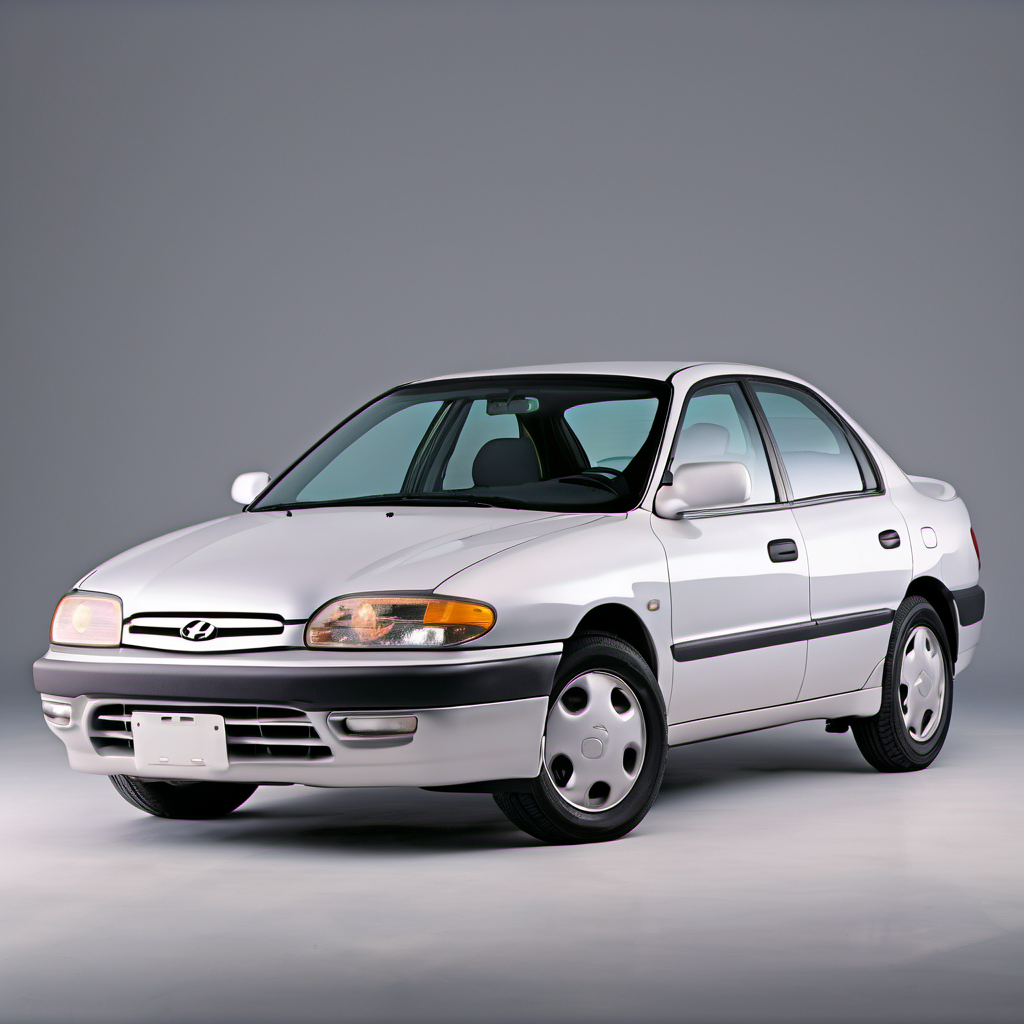
Kia's sister brand offered a similarly priced compact sedan with a comparable feature set and era-equivalent reliability, making it a natural cross-shop.