Rust — rocker panels, floorboards, and unibody rails
high- Typically appears
- All mileages on Midwest vehicles
- Estimated repair
- $500 – $4,000
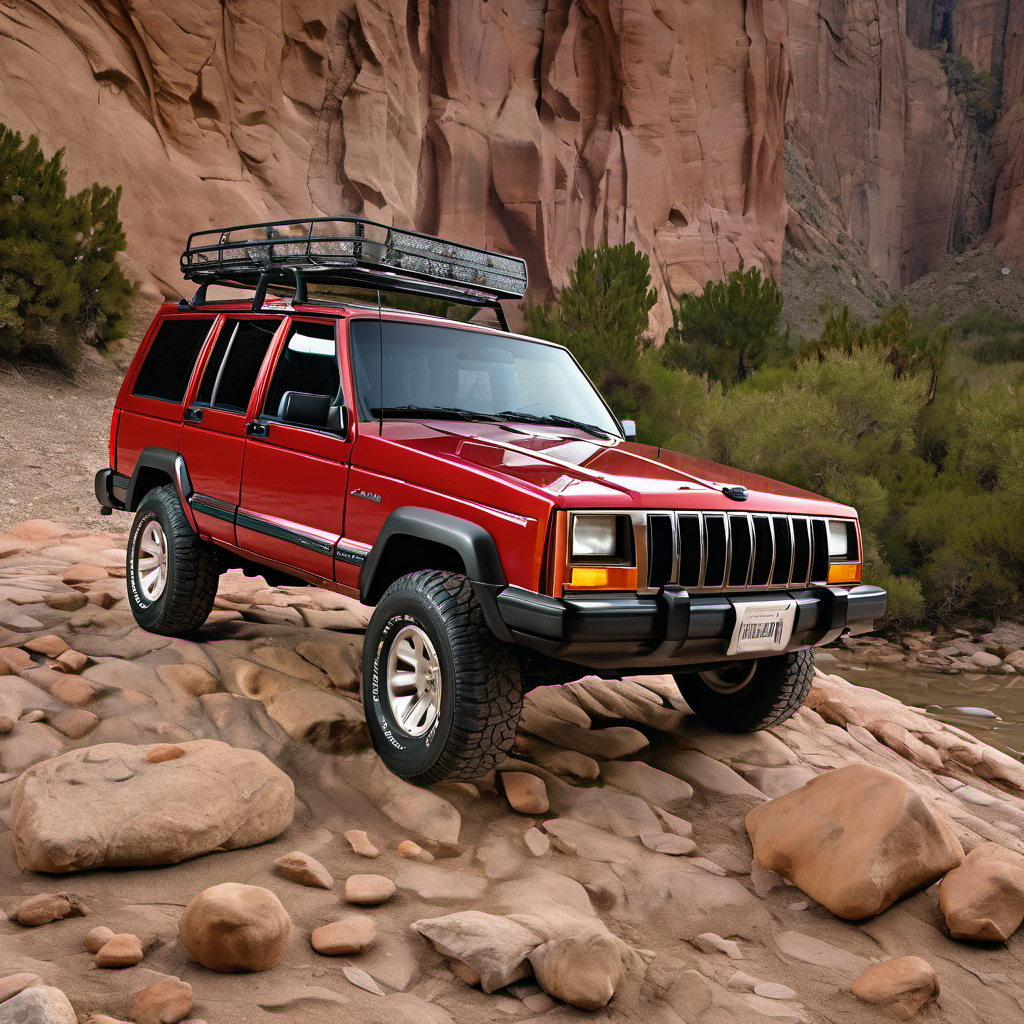
1997 Jeep
SUV
The 1997 Jeep Cherokee (XJ) is a compact SUV built on a unibody platform — an unusual choice for a trail-capable 4x4 that turned out to be one of its greatest strengths. Lighter and more rigid than body-on-frame competitors of the era, the XJ earned a devoted following among off-road enthusiasts and daily drivers alike. By 1997 the design had been refined over more than a decade, and most early gremlins had been sorted out. Under the hood, this example carries the 2.5L four-cylinder (the base engine). It's an honest, simple powerplant — reliable but noticeably underpowered, especially when loaded or climbing. The real gem of the XJ lineup is the 4.0L inline-six, which is widely considered one of the most dependable truck engines ever made. If you're shopping an XJ, the 4.0L is the version to seek out. At nearly 30 years old, any surviving XJ has lived a life. Rust from road salt, hard off-road use, and decades of deferred maintenance are the main concerns. The platform is simple enough that a mechanically inclined owner or a good independent shop can keep one running affordably for years.
The 1997 Jeep Cherokee (XJ) is a compact SUV built on a unibody platform — an unusual choice for a trail-capable 4x4 that turned out to be one of its greatest strengths. Lighter and more rigid than body-on-frame competitors of the era, the XJ earned a devoted following among off-road enthusiasts and daily drivers alike. By 1997 the design had been refined over more than a decade, and most early gremlins had been sorted out. Under the hood, this example carries the 2.5L four-cylinder (the base engine). It's an honest, simple powerplant — reliable but noticeably underpowered, especially when loaded or climbing. The real gem of the XJ lineup is the 4.0L inline-six, which is widely considered one of the most dependable truck engines ever made. If you're shopping an XJ, the 4.0L is the version to seek out. At nearly 30 years old, any surviving XJ has lived a life. Rust from road salt, hard off-road use, and decades of deferred maintenance are the main concerns. The platform is simple enough that a mechanically inclined owner or a good independent shop can keep one running affordably for years.
Older engine seals and gaskets benefit from more frequent changes; used oil analysis is cheap insurance on a high-mileage engine.
Rubber hoses on a 27-year-old vehicle are past service life regardless of appearance. A blown hose in a Wisconsin winter is a dangerous and expensive roadside event.
Road salt accelerates unibody rust rapidly. Catching it early with rust converter and undercoating can save the vehicle. Structural rust at the rails makes the XJ unsafe and uneconomical to repair.
Brake fluid absorbs moisture over time; on an older vehicle this accelerates corrosion in calipers and wheel cylinders — especially a concern in wet Wisconsin conditions.
4WD front axle U-joints wear and dry out, especially if the vehicle sees trail use. Differential fluid on 27-year-old axles is likely overdue if not recently serviced.
OBD-II O2 sensors degrade with age and mileage, hurting fuel economy and triggering check engine lights. At this vehicle's age, assume they are overdue.
Standard washer fluid freezes below 32°F. Lake Geneva winters regularly hit sub-zero temps — use a fluid rated to at least -20°F.
A marginal battery that starts fine in October will often fail in January. The 2.5L four-cylinder is easier to cold-start than a big V8, but a weak battery still won't do it at -10°F.
Always defer to the manufacturer's service manual for warranty-mandated intervals.
A well-maintained XJ is one of the more affordable trucks to own. Parts are cheap and widely available, and independent shops can service everything without special tools. The wildcard is rust — a structural rust repair can easily exceed the vehicle's market value. Budget for a thorough rust inspection before purchase, and plan on undercoating annually if you're driving it through Wisconsin winters.
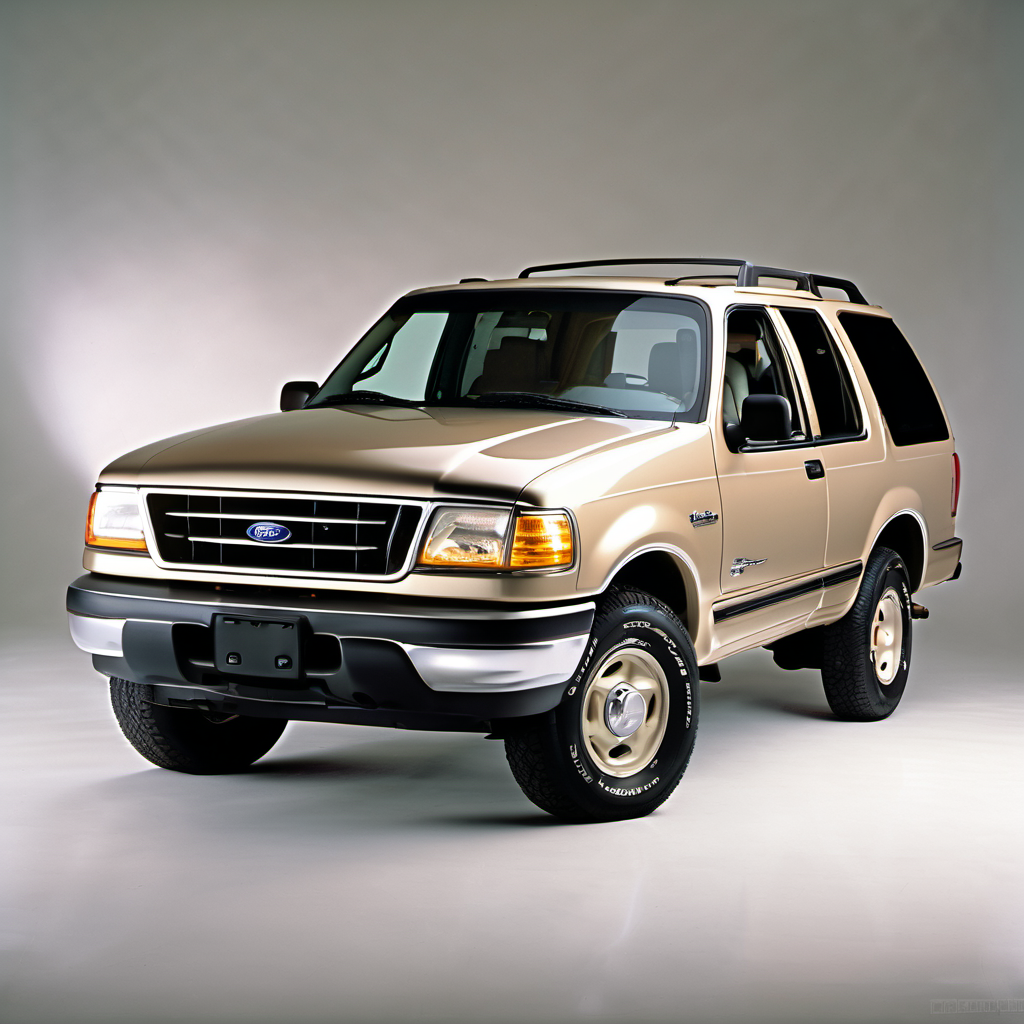
Direct segment competitor — compact 4WD SUV, similar price range, but body-on-frame vs. XJ's unibody. The Explorer offered more comfort and power options but is generally considered less capable off-road and more expensive to maintain.
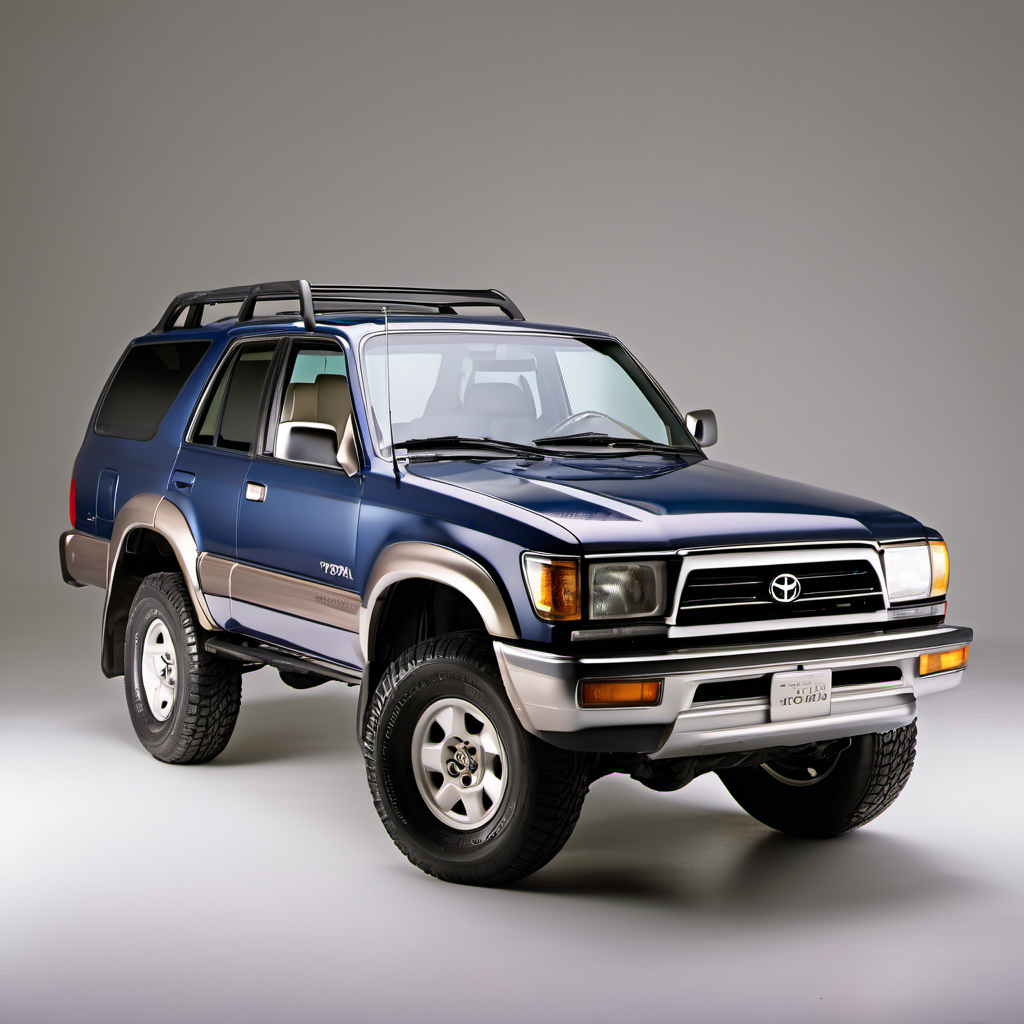
Also a compact 4WD SUV with strong off-road credibility. The 4Runner of this era is typically more reliable long-term and rusts less, but commands a significant price premium on the used market.
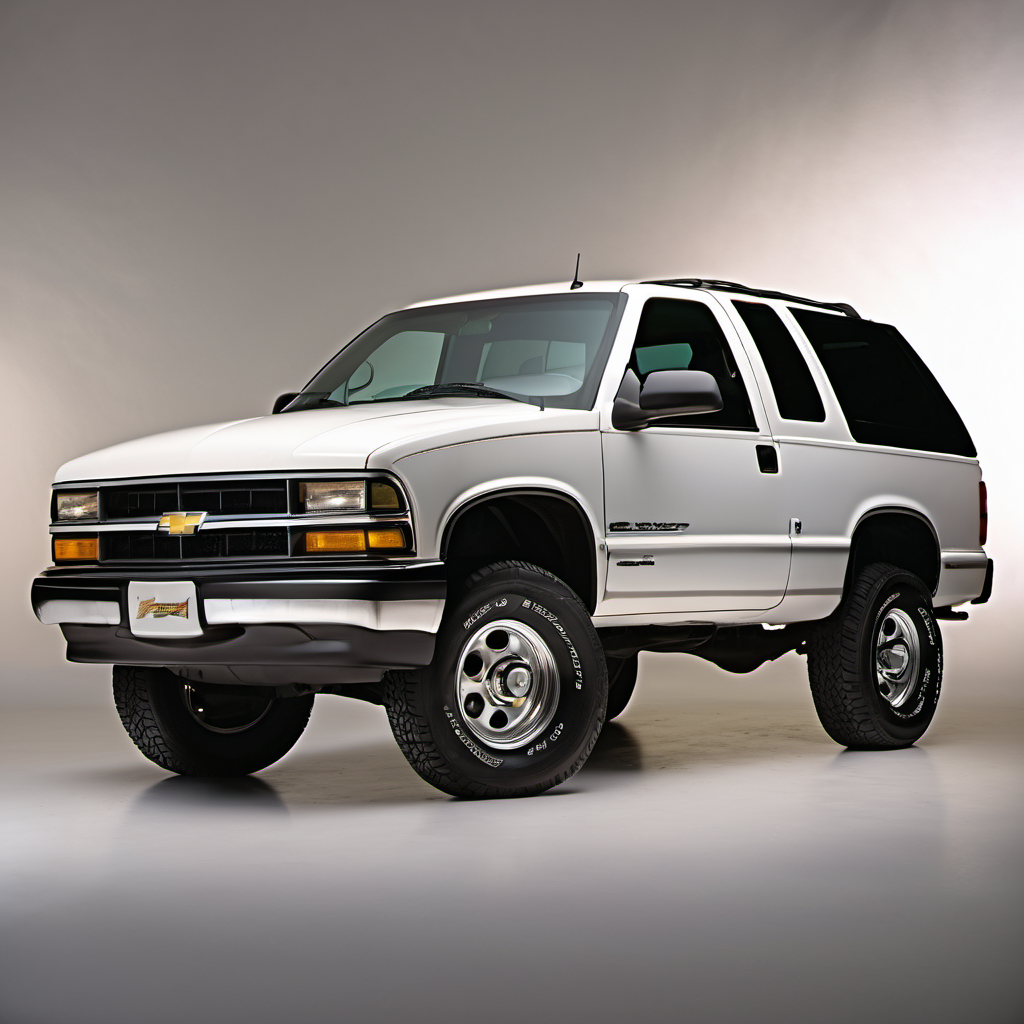
Similar compact 4WD SUV footprint and price point. The S-10 Blazer is more comfortable on pavement but has a weaker long-term reliability reputation than the XJ, particularly for engine and transmission longevity.
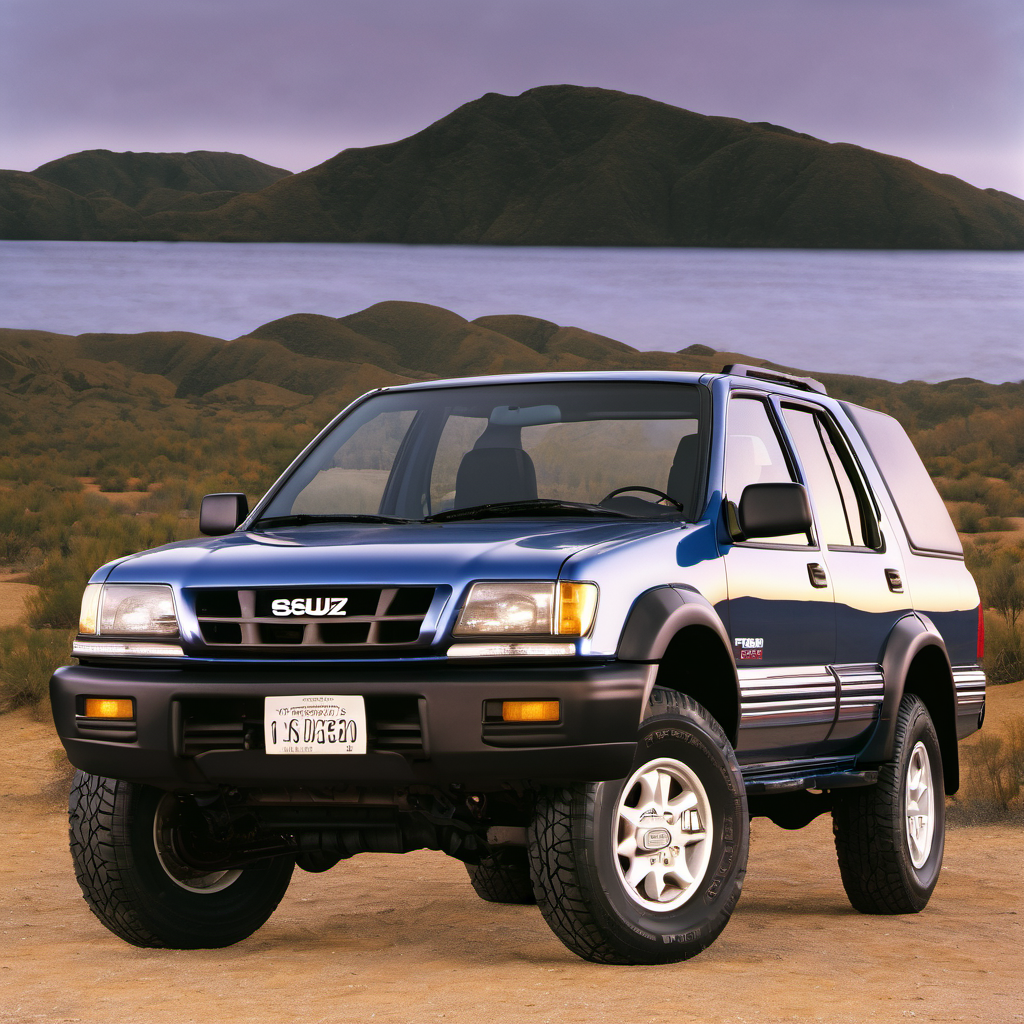
Compact 4WD SUV at a comparable price, with a solid off-road reputation. Less common, meaning parts can be harder to source, but a good alternative for buyers who want similar capability with a different ownership experience.