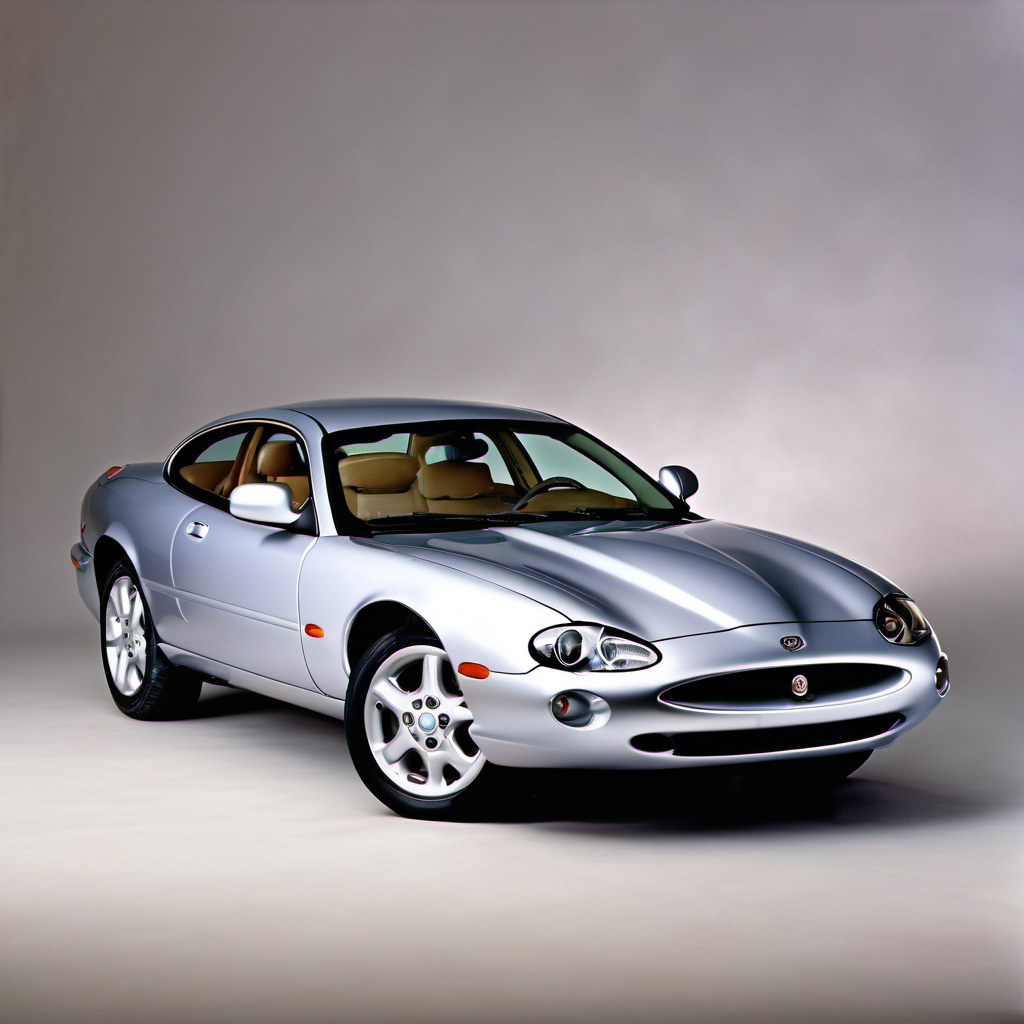
1997 Jaguar XK Convertible

1997 Jaguar

XKConvertible

4.0L AJ-V8 · Convertible

The 1997 Jaguar XK8 Convertible is the first generation of Jaguar's modern XK series, replacing the long-running XJS. It debuted an all-new aluminum 4.0L V8 engine — Jaguar's first V8 in decades — paired with a sleek, curvaceous body styled by Geoff Lawson. As a drop-top grand tourer, it delivers effortless highway cruising, a handsome cabin, and genuine V8 muscle, all wrapped in a body that still turns heads nearly 30 years later. This generation (X100 platform, 1997–2006) had growing pains typical of a clean-sheet design. Early AJ-V8 engines, ZF transmissions, and the Nikasil cylinder-bore coating on very early cars caused headaches for first owners. By 1997, the Nikasil issue had been addressed for most markets, but the cars still carry a reputation for electrical complexity, aging rubber seals, and expensive specialty-shop maintenance. For a Wisconsin owner, the convertible top hydraulics, corrosion under the door sills, and a battery that hates sub-zero temperatures deserve immediate attention. This is a vehicle best enjoyed by someone who budgets generously for upkeep or has a trusted independent shop with European experience nearby.

Reliability
2/5
Verified data
Engine
4.0L AJ-V8
Drivetrain
RWD
Fuel
Gasoline
MPG
17 city / 24 hwy / 20 combined
Seats
2
Doors
2
Body
Convertible
MSRP
$69,900

Overview

AI-curated

The 1997 Jaguar XK8 Convertible is the first generation of Jaguar's modern XK series, replacing the long-running XJS. It debuted an all-new aluminum 4.0L V8 engine — Jaguar's first V8 in decades — paired with a sleek, curvaceous body styled by Geoff Lawson. As a drop-top grand tourer, it delivers effortless highway cruising, a handsome cabin, and genuine V8 muscle, all wrapped in a body that still turns heads nearly 30 years later. This generation (X100 platform, 1997–2006) had growing pains typical of a clean-sheet design. Early AJ-V8 engines, ZF transmissions, and the Nikasil cylinder-bore coating on very early cars caused headaches for first owners. By 1997, the Nikasil issue had been addressed for most markets, but the cars still carry a reputation for electrical complexity, aging rubber seals, and expensive specialty-shop maintenance. For a Wisconsin owner, the convertible top hydraulics, corrosion under the door sills, and a battery that hates sub-zero temperatures deserve immediate attention. This is a vehicle best enjoyed by someone who budgets generously for upkeep or has a trusted independent shop with European experience nearby.

Known for
  • Elegant Geoff Lawson styling that defined Jaguar's late-90s identity
  • Smooth 4.0L AJ-V8 with strong mid-range torque
  • Comfortable, leather-rich grand-touring interior
  • Power convertible top with heated glass rear window
  • Higher-than-average maintenance and repair costs for the class
Best for
  • Weekend and fair-weather driving enthusiasts
  • Owners with a dedicated maintenance budget and trusted Euro shop
  • Collectors looking for an attainable late-90s British GT
  • Drivers who prioritize style and comfort over practicality
Watch for
  • Nikasil bore-coating failures on very early 1997 production cars (use leaded or high-sulfur fuel history as a clue)
  • Expensive hydraulic convertible top system repairs
  • Aging electrical connectors and body control module gremlins
  • Significant corrosion risk on sills, subframes, and floor pans — especially on salt-road cars
  • Limited parts availability through independent suppliers; some pieces are dealer-only

Common issues by mileage

6 known

Nikasil Cylinder Bore Coating Failure

medium
Typically appears
0–80k mi
Estimated repair
$4,000 – $9,000

Hydraulic Convertible Top System Leaks / Pump Failure

high
Typically appears
60–150k mi
Estimated repair
$800 – $3,500

Camshaft Position Sensor / VVT Timing Issues

medium
Typically appears
80–150k mi
Estimated repair
$400 – $1,200

Oxygen Sensor / Heater Circuit Failure

medium
Typically appears
70–130k mi
Estimated repair
$250 – $600

Subframe and Sill Corrosion (Salt Road Cars)

high
Typically appears
Any mileage on salted roads
Estimated repair
$1,500 – $6,000

Maintenance schedule

  1. 1
    Every 5,000 miles or annually, whichever comes first Engine oil and filter change — use full synthetic 5W-30

    The AJ-V8 has tight tolerances and is sensitive to sludge. Extended drain intervals common in the 90s caused long-term damage; shorter intervals protect the engine.

  2. 2
    Every 2 years Coolant system flush and thermostat inspection

    Aging hoses and the plastic coolant reservoir crack over time. Low coolant can mask itself until overheating occurs. Check for milky oil as well — a sign of head gasket seepage.

  3. 3
    Annually, before and after winter storage Inspect and condition convertible top hydraulic lines and pump

    The hydraulic rams and reservoir lines crack with age. Catching a weeping seal early is a $200 fix; ignoring it leads to a seized or inoperable top.

  4. 4
    Every 2 years Brake fluid flush

    DOT 4 fluid absorbs moisture. Wisconsin winters accelerate corrosion inside calipers and master cylinders. Fresh fluid preserves braking performance and component life.

  5. 5
    Every 30,000 miles Spark plug replacement — use OEM-spec platinum or iridium plugs

    The V8 has 16 plugs (two per cylinder). Worn plugs stress ignition coils, which are expensive. Do all 16 at once since labor is nearly the same.

  6. 6
    Annually Inspect door seals, trunk seal, and all body grommets

    Failed seals allow water intrusion into the cabin and trunk, leading to floor pan rust from the inside out — a major structural concern on Wisconsin-kept cars.

  7. 7
    Every fall before winter Battery load test and terminal service

    The XK8's electronics draw significant standby current. A marginal battery will fail at the worst time. Sub-zero temps in Lake Geneva can cut a weak battery's cranking power by 30–50%.

  8. 8
    Every 2–3 weeks during winter road-salt season Undercarriage wash and wax sill/subframe with rust inhibitor

    The X100 platform is known for sill and subframe corrosion. Salt accumulation accelerates structural rust dramatically. If driving in winter at all, frequent undercarriage flushing is non-negotiable.

Always defer to the manufacturer's service manual for warranty-mandated intervals.

Cost of ownership

Annual maintenance
$1,800 – $5,000
Fuel
Premium unleaded required. At average Wisconsin driving (~12,000 mi/yr) expect roughly $2,200–$2,800/year at current prices.
Insurance
Expect $1,200–$2,200/year for a typical adult driver in the Lake Geneva area. Agreed-value collector car policies may be cheaper if mileage is low.

The XK8 Convertible is genuinely affordable to purchase but expensive to maintain. Routine annual service at an independent European shop will run $1,800–$3,000 in a normal year. A year with one significant repair — top hydraulics, a sensor cluster, or any engine work — easily pushes costs to $4,000–$5,000+. Budget for surprises. Parts availability has improved through aftermarket suppliers, but some body and electrical items still require Jaguar dealer sourcing at premium prices.

Seasonal care

Lake Geneva, WI
Winter
  • Do not use this car as a daily driver on salted roads. Salt accumulation is the primary killer of X100-generation XKs.
  • If storing for winter, use a battery tender — the BCM and alarm system drain the battery even when parked. A dead battery in the cold can brick security modules.
  • Before first hard freeze, verify antifreeze concentration is good to at least -34°F. The plastic coolant reservoir cracks when fluid expands if protection is marginal.
  • Switch to a winter-weight full synthetic oil (5W-30) to ease cold starts on the AJ-V8. Cold starts with thick oil cause premature cam and lifter wear.
  • Top off windshield washer fluid with a -25°F or lower rated concentrate. The XK8 has a long hood with low visibility; a frozen washer system is a genuine safety issue.
  • If the car must be driven in winter, apply a rust inhibitor spray to the sill cavities and subframe each fall and pressure-wash the undercarriage after every salted road exposure.
Summer
  • Inspect the convertible top fabric or vinyl for UV cracking and treat with an appropriate conditioner before summer. Brittle tops fail during operation.
  • Check tire pressure monthly — summer heat causes pressure to rise about 1 PSI per 10°F increase. The XK8 rides on relatively wide tires that handle poorly when overinflated.
  • Inspect the A/C system refrigerant charge and cabin filter. A 25-year-old system will commonly have low refrigerant from slow seepage; recharging is inexpensive compared to sweating in a Jaguar.
  • Watch for heat-soak starting issues — a failing fuel pump or weak battery shows up most aggressively on hot restart after a short stop. Address both proactively.
  • Check coolant hoses for soft spots or swelling after the car reaches operating temperature. Summer heat accelerates aging rubber hose failure on cars this age.

Comparable vehicles

If you're shopping for one

Red flags
  • Any evidence of prior flood damage — the low sill height makes the cabin vulnerable and water-damaged electrics are a nightmare.
  • Mismatched paint panels or poorly fitting body gaps suggesting a prior collision repair.
  • A seller who won't allow a pre-purchase inspection by an independent shop familiar with British vehicles.
  • Rust on the subframe or structural sills — repair costs can exceed the car's market value.
  • Convertible top that won't fully operate, or a seller who claims 'it just needs a fuse' for the top.
  • Multiple chassis (C00xx) or body (B00xx) fault codes present with no clear repair history — indicates systemic electrical neglect.
What to inspect
  • Pull the oil dipstick and look for milky or caramel-colored oil — signs of coolant intrusion or head gasket issues.
  • Cycle the convertible top fully up and down at least twice. Listen for pump strain, hesitation, or any binding in the mechanism.
  • Inspect all door sills, rocker panels, and the floorpan corners for rust bubbling — use a flashlight and probe soft spots with a pick.
  • Check that all four windows (including the rear quarter windows if equipped) go up and down smoothly. Window regulator and motor failures are common.
  • Scan for live and stored DTCs before purchase. Camshaft timing codes (P0012, P0015, P0022, P0025) or multiple BCM codes indicate expensive deferred maintenance.
  • Start the engine cold if at all possible — a cold start reveals ticking lifters, rough idle, or smoke that a warmed-up car can hide.
  • Verify service records go back as far as possible. An XK8 with no paper trail is a significant risk.
AI profile generated 4 days ago · claude-sonnet-4-6 · v2.