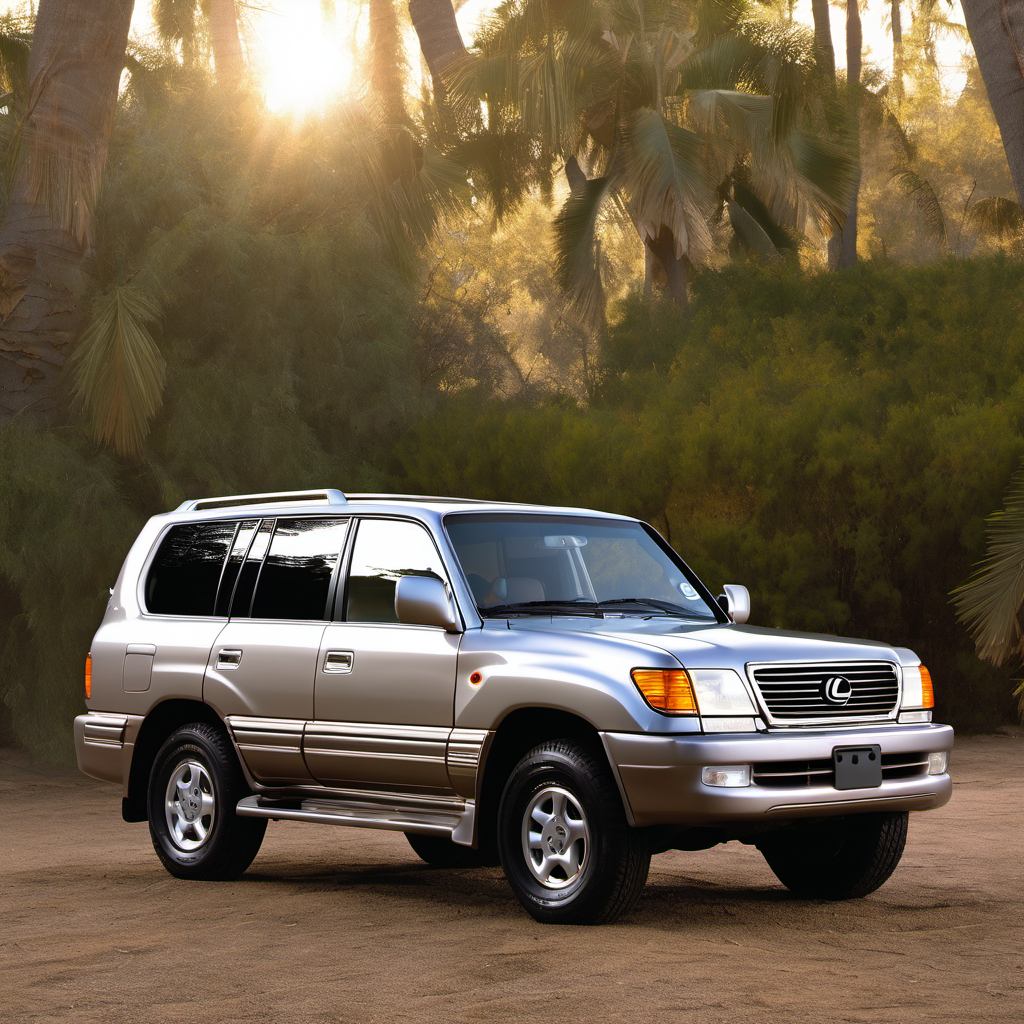
1997 INFINITI QX SUV

1997 INFINITI

QXSUV

3.3L V6 (VG33E) · SUV

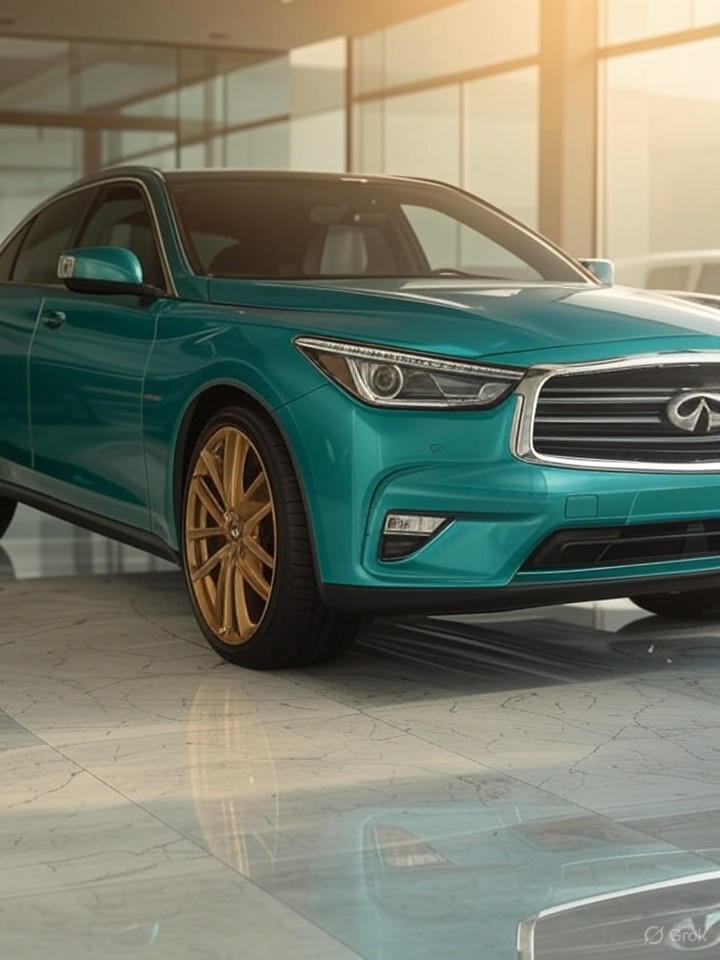
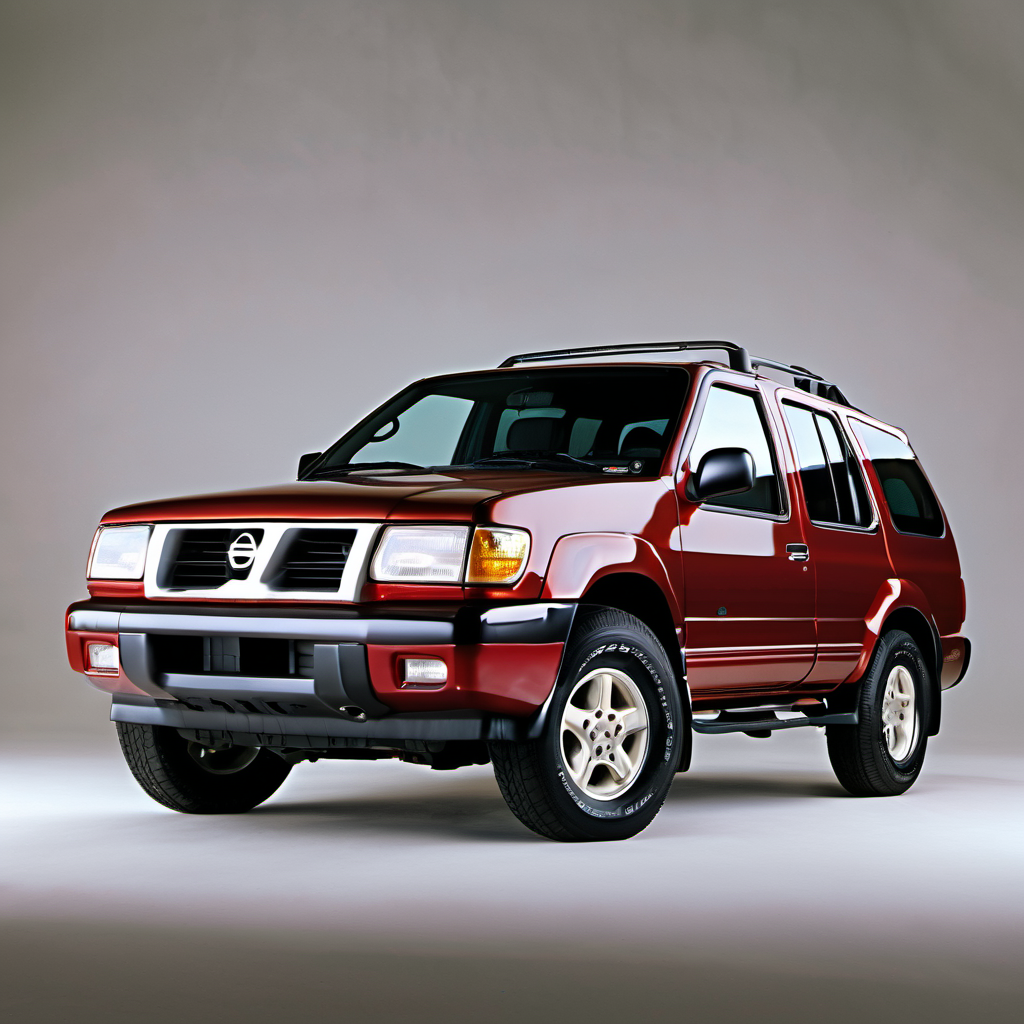
The 1997 Infiniti QX4 is Infiniti's first serious SUV entry, built on the Nissan Pathfinder platform and sharing its 3.3L V6 drivetrain. It was positioned as a luxury alternative to the Lexus LX450 and Mercedes-Benz ML-Class at a significantly lower price point. Compared to the truck-based competition of the era, the QX4 delivered a quieter, more car-like cabin with genuine off-road capability via its part-time 4WD system. For a first-generation luxury SUV, the QX4 has aged reasonably well mechanically. The VG33E engine is a known quantity with a long track record in Nissan/Infiniti products, and the body-on-frame construction makes rust assessment straightforward. However, at nearly 30 years old, any surviving example requires thorough inspection — especially in a salt-belt state like Wisconsin. Parts availability is the biggest practical concern. Infiniti-specific trim and electronic components can be difficult and expensive to source. Running costs are modest when mechanicals are sound, but deferred maintenance on a high-mileage example can quickly exceed the vehicle's market value.

Reliability
3/5
Verified data
Engine
3.3L V6 (VG33E)
Drivetrain
4WD
Fuel
Gasoline
MPG
15 city / 19 hwy / 17 combined
Seats
5
Doors
4
Body
SUV
MSRP
$36,900

Overview

AI-curated

The 1997 Infiniti QX4 is Infiniti's first serious SUV entry, built on the Nissan Pathfinder platform and sharing its 3.3L V6 drivetrain. It was positioned as a luxury alternative to the Lexus LX450 and Mercedes-Benz ML-Class at a significantly lower price point. Compared to the truck-based competition of the era, the QX4 delivered a quieter, more car-like cabin with genuine off-road capability via its part-time 4WD system. For a first-generation luxury SUV, the QX4 has aged reasonably well mechanically. The VG33E engine is a known quantity with a long track record in Nissan/Infiniti products, and the body-on-frame construction makes rust assessment straightforward. However, at nearly 30 years old, any surviving example requires thorough inspection — especially in a salt-belt state like Wisconsin. Parts availability is the biggest practical concern. Infiniti-specific trim and electronic components can be difficult and expensive to source. Running costs are modest when mechanicals are sound, but deferred maintenance on a high-mileage example can quickly exceed the vehicle's market value.

Known for
  • Plush, quiet cabin for a mid-1990s body-on-frame SUV
  • Proven 3.3L VG33E V6 shared with Nissan Pathfinder
  • Part-time 4WD with low range — genuine off-road capability
  • High original MSRP with rapid depreciation — used values are low
  • Thirsty fuel economy typical of the era
Best for
  • Buyers wanting a cheap entry into a vintage luxury SUV
  • Light off-road and snow driving with proper tires
  • Mechanically inclined owners comfortable with aging platforms
  • Low-mileage, rust-free examples as weekend vehicles
Watch for
  • Frame and rocker panel rust — critical in Wisconsin salt conditions
  • Hard-to-source Infiniti-specific interior and electronic parts
  • High mileage timing belt neglect — engine damage risk
  • Early automatic transmission wear on high-mileage examples
  • Coolant leaks at intake manifold gaskets

Common issues by mileage

6 known

Timing Belt Failure

high
Typically appears
60–105k mi (and every 60k thereafter)
Estimated repair
$400 – $700

Intake Manifold Gasket Coolant Leak

high
Typically appears
80–150k mi
Estimated repair
$350 – $600

Distributor Cap, Rotor & O-Ring Failure (oil contamination)

high
Typically appears
60–120k mi
Estimated repair
$150 – $350

Automatic Transmission Slipping / Delayed Engagement

medium
Typically appears
100–180k mi
Estimated repair
$1,200 – $3,500

Frame and Underbody Rust (salt-belt critical)

high
Typically appears
Any mileage on upper-Midwest examples
Estimated repair
$500 – $4,000

O2 Sensor Heater Circuit Failure

medium
Typically appears
80–150k mi
Estimated repair
$150 – $350

Maintenance schedule

  1. 1
    Every 60,000 miles — no exceptions Timing belt, water pump, and tensioner replacement

    The VG33E is an interference engine. A snapped belt destroys the engine. On any used purchase, replace immediately unless you have paperwork proving recent service.

  2. 2
    Every 30,000 miles or if overheating signs appear Engine coolant flush and intake manifold gasket inspection

    The VG33E is prone to intake manifold gasket seepage. Degraded coolant accelerates this and can cause internal contamination.

  3. 3
    Every 30,000 miles (every 15,000 in severe/towing duty) Automatic transmission fluid change

    Nissan's RE4R01A transmission survives well with clean fluid but deteriorates quickly when neglected. Use Nissan-spec ATF.

  4. 4
    Every 30,000 miles Transfer case and front/rear differential fluid change

    4WD systems rarely get serviced and the fluids break down over time, especially if the vehicle sees any water crossing or off-road use.

  5. 5
    Every 30,000 miles or at first sign of rough idle Distributor O-ring and cap/rotor replacement

    The VG33E distributor O-ring is notorious for failing and allowing oil into the cap, causing misfires and rough running.

  6. 6
    Every 2 years Brake fluid flush

    Brake fluid absorbs moisture over time, dropping the boiling point and accelerating caliper corrosion — especially important in Wisconsin winters.

  7. 7
    Every spring after winter season Full underbody rust inspection

    Wisconsin road salt attacks the frame, brake lines, and fuel lines. Catching rust early is the difference between a cheap fix and a total loss.

  8. 8
    Every fall before winter Battery load test

    Cold cranking amps drop significantly in sub-zero temps. A marginal battery that starts fine in October may leave you stranded in January.

Always defer to the manufacturer's service manual for warranty-mandated intervals.

Cost of ownership

Annual maintenance
$600 – $1,800
Fuel
Expect to spend $2,200–$3,000/year at average Wisconsin driving distances (~12,000 mi/yr) given 17 MPG combined and mid-grade prices. Premium is not required.
Insurance
Typically low — the QX4 is an older, low-value vehicle. Expect $600–$1,100/year for full coverage depending on driving record and insurer, though comprehensive may not be worth carrying given market value.

Day-to-day costs are manageable if the vehicle is mechanically sound. The risk is a single large repair — transmission overhaul, timing belt neglect damage, or frame rust remediation — that can easily exceed the vehicle's market value of $2,000–$5,000. Budget a contingency fund of at least $1,500–$2,000 when purchasing.
Seasonal care

Lake Geneva, WI
Winter
  • Load-test the battery every fall — the VG33E requires strong cranking amperage in sub-zero temps and the original battery is obviously long gone; age any replacement accordingly.
  • Switch to a 5W-30 full synthetic oil if not already running it; conventional or thick-weight oil increases cold-start wear significantly below 0°F.
  • Inspect and treat all exposed brake lines, fuel lines, and frame sections with rust inhibitor before first snowfall — salt damage on a 27-year-old frame can be irreversible.
  • Use a winter-rated washer fluid rated to at least -20°F; the reservoir and lines are exposed and will freeze with summer fluid.
  • Check 4WD engagement (both 4Hi and 4Lo) before winter arrives — actuators and hubs that sit unused can seize.
  • Replace wiper blades with winter-rated blades and keep the reservoir topped with concentrated de-icer fluid.
Summer
  • Inspect the cooling system thoroughly — hoses, thermostat, and the water pump (if not recently replaced with the timing belt) before summer heat stress hits.
  • Check tire pressure monthly; ambient temperature swings between Wisconsin winters and summers can swing PSI by 5–8 lbs, affecting handling and wear.
  • Inspect the A/C system for refrigerant leaks — R-134a systems this age commonly develop slow leaks at O-rings and the condenser; recharging a leaking system is a short-term fix only.
  • Clear the cabin air vents and check for rodent nesting in the airbox and under the hood — a known issue on vehicles stored or parked outdoors.

Comparable vehicles

If you're shopping for one

Red flags
  • No timing belt records on a high-mileage example — walk away or price in a full timing belt kit immediately.
  • Any frame rust that a screwdriver can punch through — structural integrity is gone and repair costs exceed the vehicle's value.
  • Milky or brown coolant in the reservoir — internal gasket failure likely.
  • Transmission that hesitates, slips, or clunks when shifting — rebuilds are expensive and parts are aging out.
  • Check engine light with VVT/camshaft timing codes (P0012, P0015, P0022, P0025) — on a '97 VG33E without variable valve timing, these codes suggest wiring or sensor issues that may indicate broader electrical neglect.
  • Any evidence of flood damage — QX4s used off-road can suffer water intrusion into the transfer case, differentials, and electrical connectors.
What to inspect
  • Frame rails, rocker panels, and rear crossmember for rust perforation — use a flashlight and probe, not just a visual glance.
  • Timing belt service history — ask for receipts; if none exist, budget for immediate replacement before driving.
  • Coolant condition and color — brown or oily coolant signals a blown intake gasket or worse.
  • Transmission behavior: cold and warm engagement, any slipping between gears or delayed 1-2 shift.
  • 4WD engagement in all modes (2Hi, 4Hi, 4Lo) — test on the lot, not just the street.
  • Distributor area for oil residue indicating O-ring failure.
  • All brake lines and fuel lines underneath for rust, pinhole leaks, or patch repairs.
AI profile generated 4 days ago · claude-sonnet-4-6 · v2.