Timing Belt Failure / Overdue Replacement
high- Typically appears
- 60–100k mi (interval-based, not mileage-based on aged cars)
- Estimated repair
- $600 – $1,100
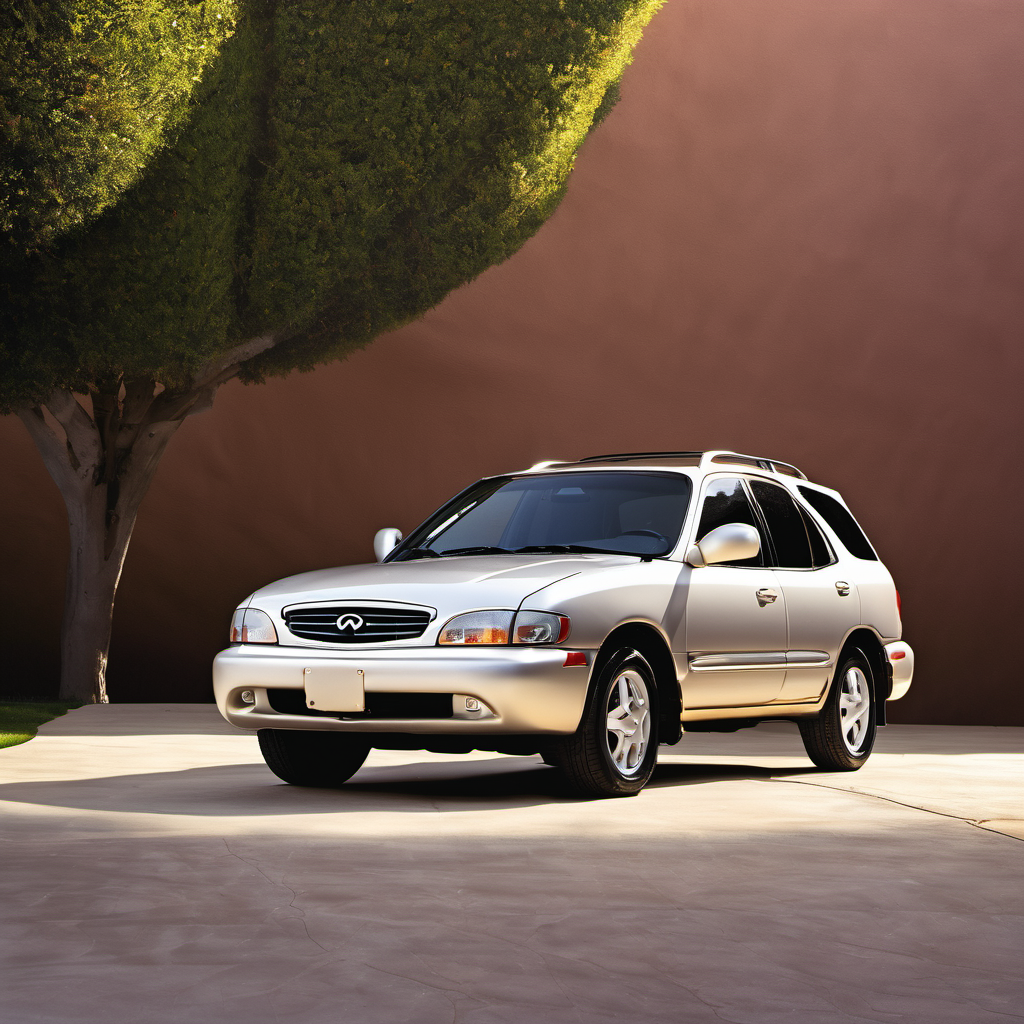
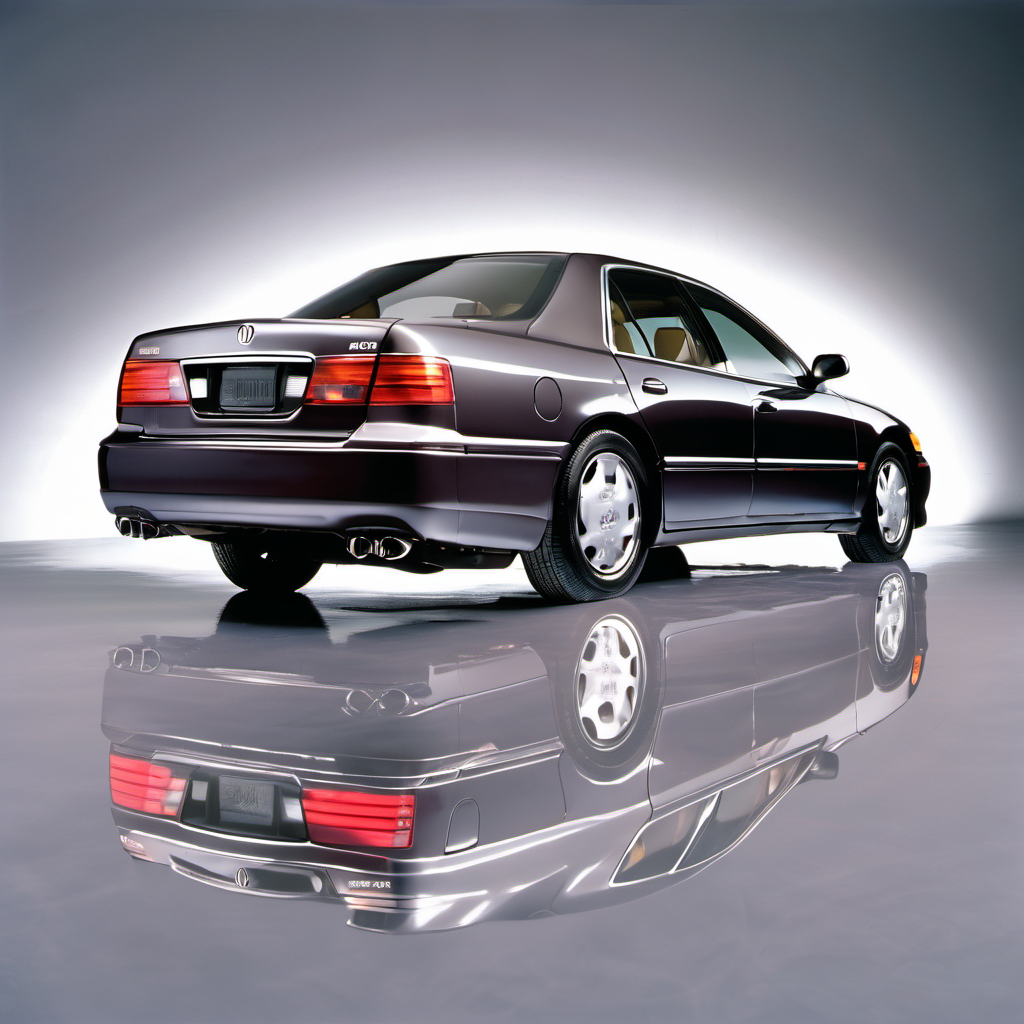
1997 INFINITI
4.5L V8 (VH45DE) · Sedan
The 1997 Infiniti Q45 is a full-size Japanese luxury sedan that served as Infiniti's flagship from its 1990 debut through 2001. The second-generation Q45 (1997–2001) received a significant refresh over the original, adding a more conventional grille, updated interior, and an available Traction Control System. It was powered exclusively by a smooth, powerful 4.5L V8 that made it a genuine competitor to the BMW 7 Series and Mercedes S-Class at a notably lower price point. The Q45 was engineered with a driver-focused philosophy — firm suspension tuning, rear-wheel drive, and a high-revving V8 gave it road manners that Infiniti fans still praise today. The interior was well-appointed with premium materials, though some found it plainer than European rivals. Nissan's reputation for mechanical durability carried over: examples with documented maintenance histories routinely reach 200,000+ miles. By 1997, the Q45 was already aging relative to newer European entries, and its resale value dropped sharply, making used examples a strong value proposition for buyers willing to handle the maintenance needs of a 25-year-old luxury car. Parts availability has thinned but the Nissan/Infiniti dealer and aftermarket network still supports the VH45DE engine.
The 1997 Infiniti Q45 is a full-size Japanese luxury sedan that served as Infiniti's flagship from its 1990 debut through 2001. The second-generation Q45 (1997–2001) received a significant refresh over the original, adding a more conventional grille, updated interior, and an available Traction Control System. It was powered exclusively by a smooth, powerful 4.5L V8 that made it a genuine competitor to the BMW 7 Series and Mercedes S-Class at a notably lower price point. The Q45 was engineered with a driver-focused philosophy — firm suspension tuning, rear-wheel drive, and a high-revving V8 gave it road manners that Infiniti fans still praise today. The interior was well-appointed with premium materials, though some found it plainer than European rivals. Nissan's reputation for mechanical durability carried over: examples with documented maintenance histories routinely reach 200,000+ miles. By 1997, the Q45 was already aging relative to newer European entries, and its resale value dropped sharply, making used examples a strong value proposition for buyers willing to handle the maintenance needs of a 25-year-old luxury car. Parts availability has thinned but the Nissan/Infiniti dealer and aftermarket network still supports the VH45DE engine.
The VH45DE is an interference engine — a snapped belt means bent valves and a very expensive rebuild. On a car this age, replace on calendar interval even if mileage looks low.
Clean oil is critical to VTC system operation and preventing sludge buildup in the VH45DE oil galleries. Use full synthetic in Wisconsin winters for better cold-start protection.
Old coolant becomes acidic and attacks aluminum components. Inspect hoses and the radiator for cracks; 25-year-old hoses should be replaced proactively.
Road salt in Wisconsin attacks unprotected steel brake lines. A rusted line can fail without warning. Inspect the full length of all lines and replace any that show pitting or flaking.
The V8 has 8 plugs in a tight bay. Keeping them fresh maintains fuel economy and prevents misfires that are harder to diagnose on an older ECU.
Infiniti's RE4R01A transmission responds well to regular fluid changes. Neglect leads to shift quality degradation and solenoid wear that is expensive to repair.
A battery that tests 'good' in summer can fail to crank the V8 at -10°F. Load-test every autumn and replace any battery over 4 years old proactively.
Flush accumulated road salt from the undercarriage every spring. Have frame rails, subframe mounting points, and floor pan inspected for rust progression annually.
Always defer to the manufacturer's service manual for warranty-mandated intervals.
The Q45's low purchase price is appealing, but budget for age-related maintenance: timing belt, hoses, suspension bushings, and brake lines may all need attention on an unknown-history car. A first-year catch-up on deferred maintenance can run $2,000–$4,000. After that, a well-maintained example is reasonably affordable to keep running at an independent shop.
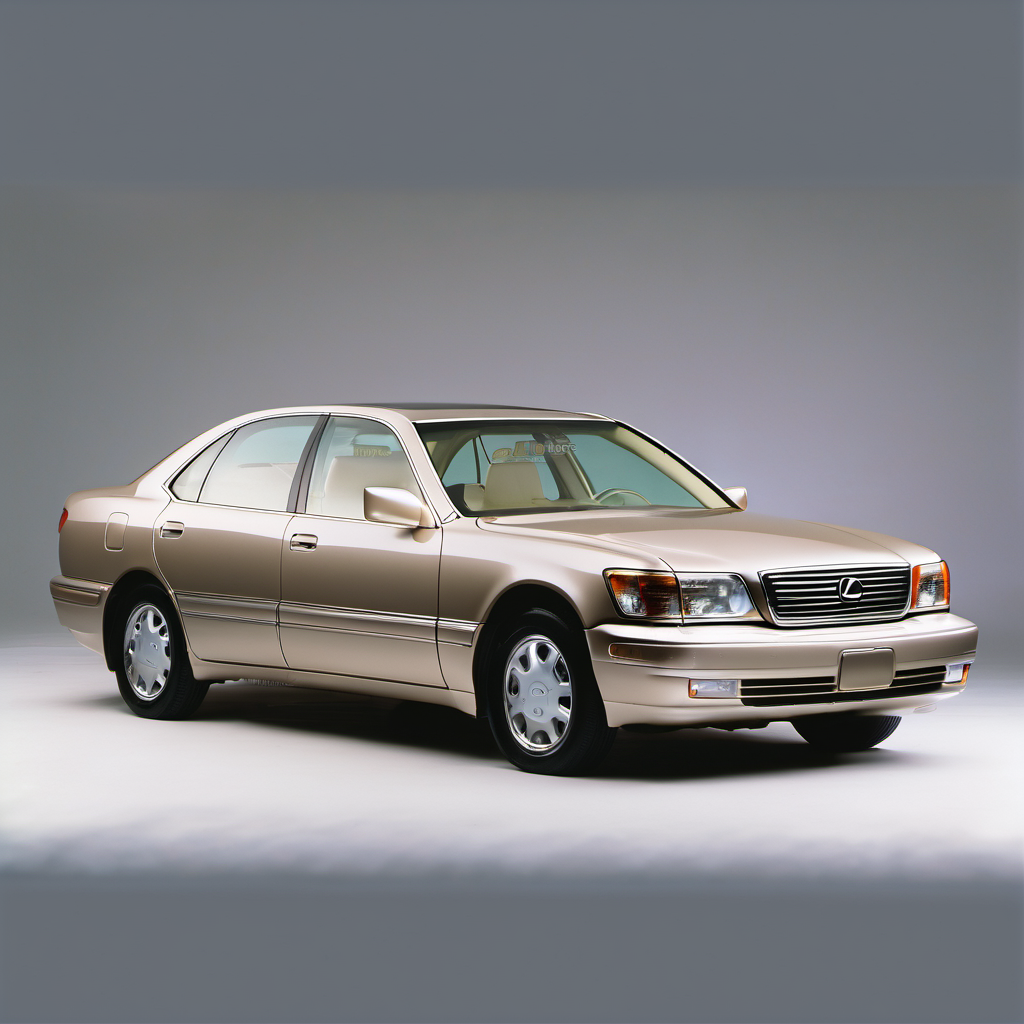
Direct Japanese luxury flagship rival. Similar V8 smooth-cruiser mission with arguably stronger long-term reliability and better parts availability, but typically priced higher.
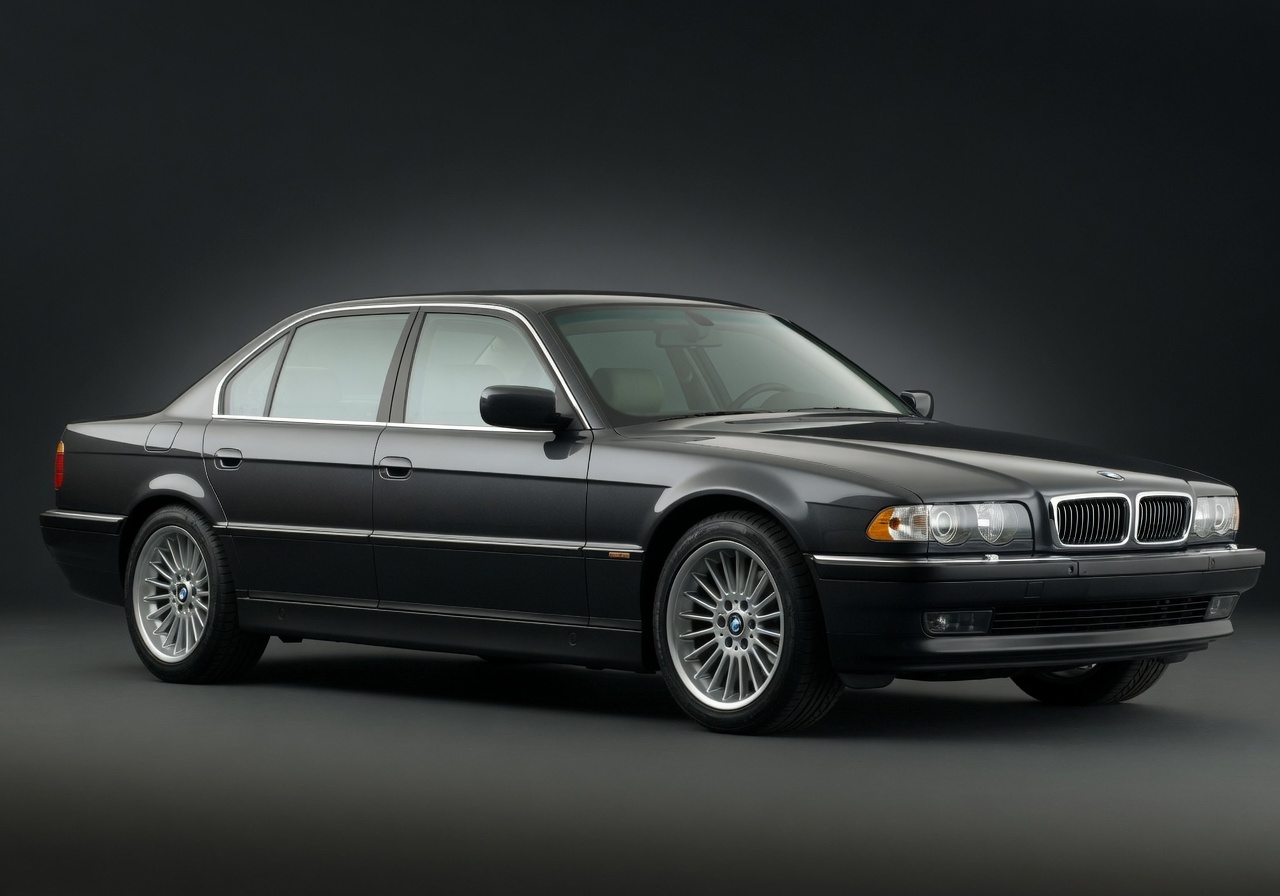
European flagship competitor. Stronger driver engagement but significantly higher maintenance costs and more complex electronics on aging examples.
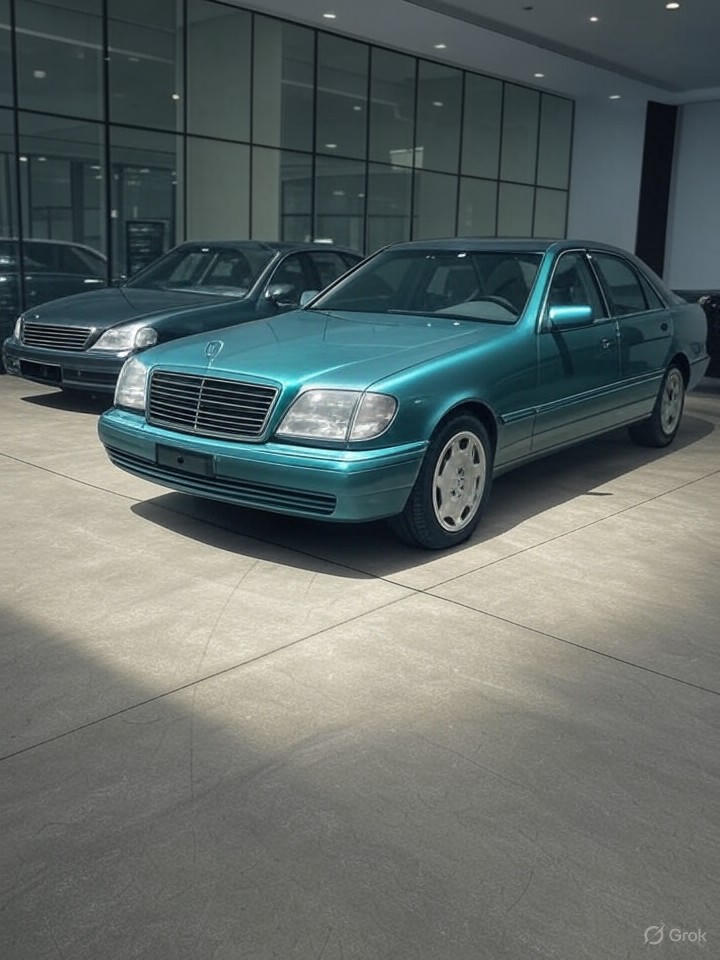
The prestige benchmark of the era. More luxurious cabin but notorious for expensive age-related repairs; ownership cost is higher than the Q45.
Smaller and less powerful, but a closer match in price and mission for buyers who want Japanese luxury with lower running costs and easier parts access.