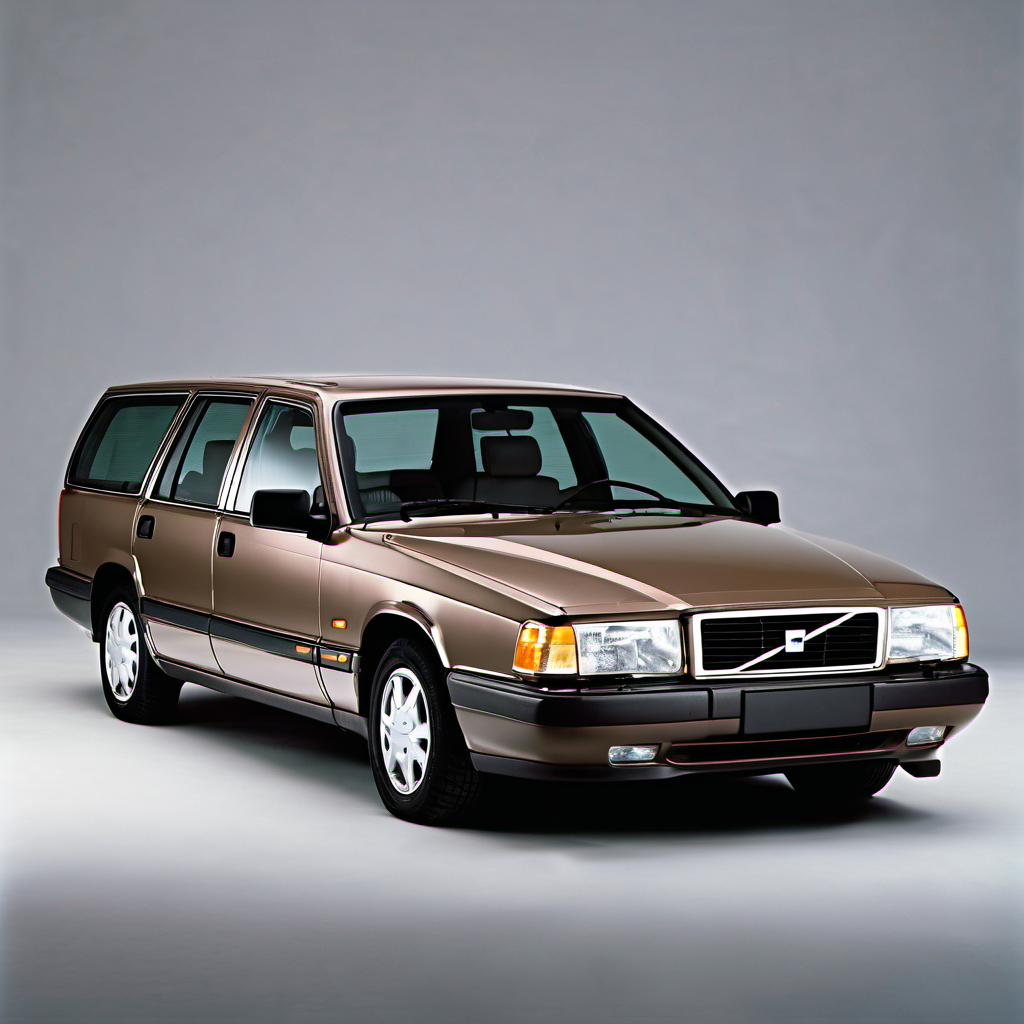
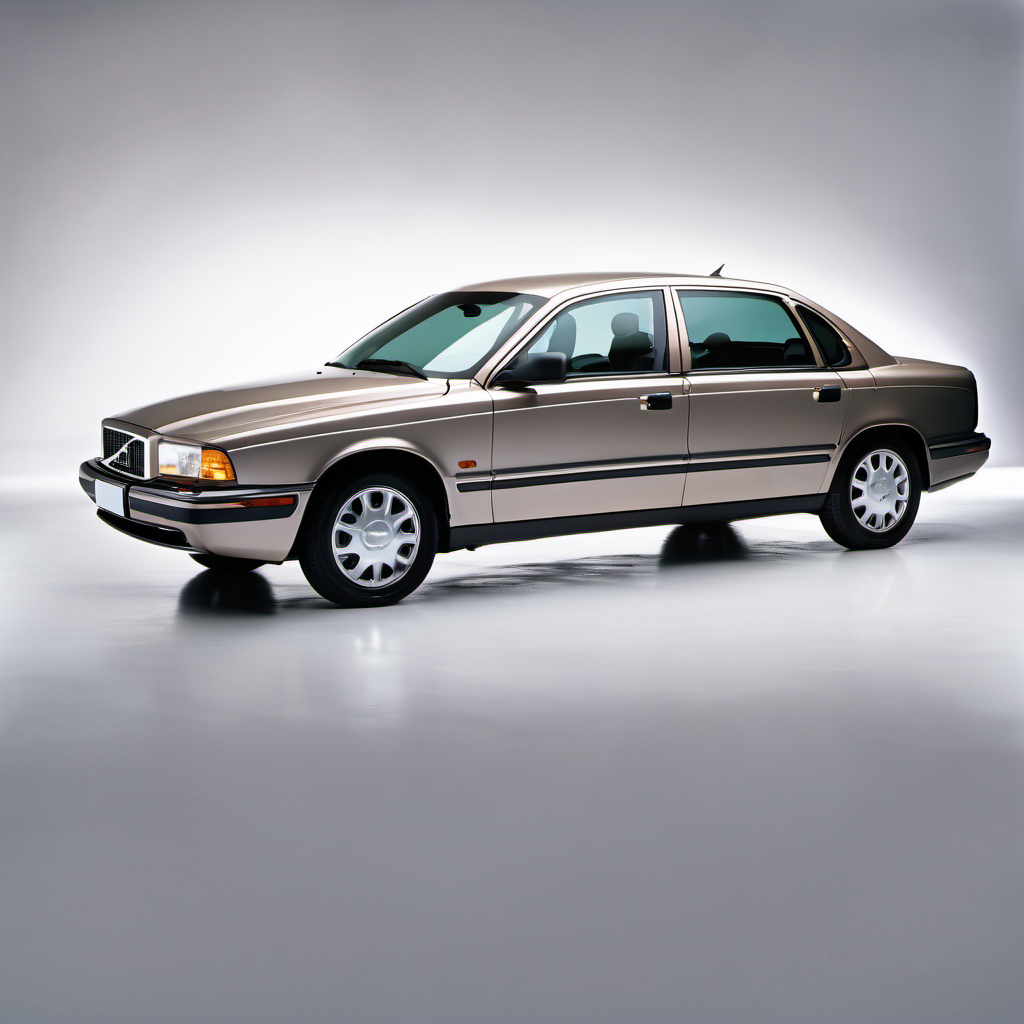
1996 Volvo 960 Sedan

1996 Volvo

960Sedan

Sedan

The 1996 Volvo 960 is the top-of-the-line rear-wheel-drive luxury sedan from Volvo's final model year under that nameplate — it was rebadged the S90 for 1997. It's built around a 2.9L inline-6 (B6304 family) paired to a 4-speed automatic and offers a notably quiet, refined cabin that punches above its original price point even today. The 960 earned a strong reputation for passive safety and build quality. It's a niche vehicle now: parts availability has thinned, independent Volvo specialists are your best maintenance option, and repair costs can surprise owners who aren't prepared. But a well-kept example with documented service history can still deliver reliable, comfortable transportation. For a late-model 960, mileage tells less of the story than maintenance. These engines tolerate high mileage well when oil changes and cooling system service were kept up. Neglected examples — especially those with deferred timing belt or cooling system work — can turn into money pits quickly.

Reliability
3/5
Verified data
Specs shown for 960 — the most common configuration. Other trims may vary in engine, drivetrain, or fuel economy. Sign in to see your vehicle's exact specs.
Engine
[object Object]
Drivetrain
RWD
Fuel
Premium gasoline
MPG
16 city / 24 hwy / 19 combined
Seats
Doors
Body
Compact Cars

Overview

AI-curated

The 1996 Volvo 960 is the top-of-the-line rear-wheel-drive luxury sedan from Volvo's final model year under that nameplate — it was rebadged the S90 for 1997. It's built around a 2.9L inline-6 (B6304 family) paired to a 4-speed automatic and offers a notably quiet, refined cabin that punches above its original price point even today. The 960 earned a strong reputation for passive safety and build quality. It's a niche vehicle now: parts availability has thinned, independent Volvo specialists are your best maintenance option, and repair costs can surprise owners who aren't prepared. But a well-kept example with documented service history can still deliver reliable, comfortable transportation. For a late-model 960, mileage tells less of the story than maintenance. These engines tolerate high mileage well when oil changes and cooling system service were kept up. Neglected examples — especially those with deferred timing belt or cooling system work — can turn into money pits quickly.

Known for
  • Exceptional passive safety and rigid body structure
  • Smooth, refined 2.9L inline-6 engine
  • Quiet, well-insulated cabin with a European luxury feel
  • RWD platform with composed, predictable handling
  • Long-term durability when properly maintained
Best for
  • Enthusiasts who want affordable European luxury with character
  • Owners comfortable sourcing parts from Volvo specialists or online
  • Highway commuters who value ride quality and quietness
  • DIY-capable owners who can handle older Volvo quirks
Watch for
  • Timing belt — critical and often overdue on high-mileage examples
  • Cooling system (plastic expansion tank and hoses crack with age)
  • Electrical gremlins from aging wiring harnesses and connectors
  • Parts availability declining as the car ages past 25+ years
  • Rust on undercarriage and rear wheel wells, especially in salt-belt states

Common issues by mileage

6 known

Timing belt failure

high
Typically appears
60–100k mi (and every 50–70k thereafter)
Estimated repair
$400 – $700

Cooling system failure — expansion tank, hoses, thermostat

high
Typically appears
80–150k mi
Estimated repair
$250 – $600

Oxygen sensor / heater circuit faults

medium
Typically appears
80–150k mi
Estimated repair
$150 – $350

Fuel injection / throttle body deposits causing rough idle

medium
Typically appears
60–120k mi
Estimated repair
$100 – $300

Rear suspension bushings and trailing arm wear

medium
Typically appears
100–160k mi
Estimated repair
$300 – $700

Electrical connector corrosion and wiring harness degradation

medium
Typically appears
100k+ mi
Estimated repair
$150 – $800

Maintenance schedule

  1. 1
    Every 50,000–70,000 miles or 5 years, whichever comes first Timing belt and tensioner replacement

    The B6304 is an interference engine — a snapped belt destroys the head. This is the single most important scheduled item on this car. Replace the water pump at the same time since it's driven off the same belt.

  2. 2
    Every 3 years or 45,000 miles Full cooling system service (flush, hoses, expansion tank inspection)

    The plastic expansion tank and aging rubber hoses are known failure points. A coolant loss event on a long Wisconsin highway stretch can quickly cause overheating damage. Inspect the tank for cracks and cloudy coolant at every oil change.

  3. 3
    Every 5,000 miles or 6 months Engine oil and filter change

    This engine tolerates miles well on clean oil but is sensitive to sludge from extended intervals. Use the manufacturer-specified viscosity; 5W-30 full synthetic is a sound choice for Wisconsin winters.

  4. 4
    Every 30,000 miles Transmission fluid change (AW30-43 automatic)

    Volvo didn't always specify a drain interval but older ATF breaks down and contributes to shift harshness and solenoid wear. Use a Dexron-compatible fluid specified for this unit.

  5. 5
    Every 2 years Brake fluid flush

    Brake fluid absorbs moisture over time, lowering its boiling point. Wisconsin winter driving puts extra demands on brakes; fresh fluid keeps the ABS system operating correctly.

  6. 6
    Every 30,000 miles Spark plugs and ignition wires

    OEM-spec plugs keep the inline-6 running smoothly. Worn plugs cause misfires and can stress the catalytic converter. Inspect ignition wires for cracking — they harden and crack in sub-zero temperatures.

  7. 7
    Every spring after winter season Undercarriage and wheel well rust inspection

    Road salt in Lake Geneva and surrounding areas accelerates rust on the subframe, brake lines, and fuel lines. Catch corrosion early — brake line failure is a serious safety risk.

  8. 8
    Every fall, before winter Battery load test

    A 960's electrical system draws more current than a modern econobox, and a marginal battery will fail in sub-zero temps. Batteries more than 4–5 years old should be load-tested, not just voltage-checked.

Always defer to the manufacturer's service manual for warranty-mandated intervals.

Cost of ownership

Annual maintenance
$800 – $2,000
Fuel
Premium gasoline recommended; at 19 MPG combined and typical driving, expect $1,800–$2,400/year at current Wisconsin fuel prices.
Insurance
Typically low — this is an older, low-value vehicle. Liability-only coverage is common. Expect $600–$1,100/year depending on driver profile.

Day-to-day costs on a well-maintained 960 are reasonable, but this car demands proactive maintenance spending. Deferred work compounds fast on a late-'90s European vehicle. Budget $800–$2,000/year for routine upkeep in normal years; any year that includes timing belt, cooling system overhaul, or suspension work can push $2,500–$4,000. Parts sourcing from Volvo specialists or reputable online suppliers (not big-box auto parts stores) is strongly recommended.

Seasonal care

Lake Geneva, WI
Winter
  • Load-test the battery every fall — cold cranking a 2.9L I6 at -10°F will expose any weakness in a marginal battery.
  • Switch to a full synthetic 5W-30 engine oil if not already running it; conventional oil thickens in sub-zero temps and slows oil pressure build-up on cold starts.
  • Flush and refill washer fluid with a -40°F rated fluid — Wisconsin winters will freeze standard summer fluid solid in the reservoir and lines.
  • Inspect and replace wiper blades with winter-rated blades before first snowfall; the 960's large windshield needs good coverage.
  • Inspect the undercarriage and brake lines for rust before winter; salt exposure accelerates existing corrosion quickly, and brake line failure is a critical safety risk.
  • Keep the fuel tank at least half full through winter to prevent moisture condensation in the tank and fuel line freeze issues.
Summer
  • Check coolant level and expansion tank condition at the start of summer — the plastic tank cracks with age and hot-weather heat cycling accelerates failure.
  • Inspect the A/C system refrigerant and compressor operation; R-134a systems on mid-'90s Volvos can develop slow leaks at aging O-rings.
  • Check tire pressures monthly — ambient temperature swings between Wisconsin winter and summer can shift pressure by 5–8 PSI, affecting handling on this RWD platform.
  • Inspect serpentine and accessory belts for cracking or glazing; heat accelerates belt wear and a failure strands you.

Comparable vehicles

If you're shopping for one

Red flags
  • No service history whatsoever — a 25+ year old European car with zero records is a serious financial risk.
  • Overheating history or evidence of a head gasket repair — the B6304 doesn't tolerate overheating well.
  • Rust through the floor, rocker panels, or rear suspension mounting points — structural rust is a deal-breaker on any car this age.
  • Slipping or shuddering automatic transmission — rebuilds are expensive and used units are increasingly hard to source.
  • Any evidence of flood damage (musty odor, stained carpet backing, corroded electrical connectors under dash).
What to inspect
  • Timing belt service record — ask for paperwork. If unknown, budget for immediate replacement before driving the car hard.
  • Coolant color and expansion tank condition — brown or rusty coolant and a cracked tank are red flags requiring immediate attention.
  • Undercarriage rust, especially on brake lines, fuel lines, rear subframe, and wheel wells — this is a salt-belt car.
  • All four wheel bearings for roughness or noise on a test drive — replacements are moderately expensive on this platform.
  • ABS warning light behavior — ABS wheel speed sensors corrode and fail; a lit ABS light is common and worth factoring into price.
  • Oil residue around the cam cover gaskets and rear main seal — both are age-related leakers on the B6304.
AI profile generated 4 days ago · claude-sonnet-4-6 · v2.