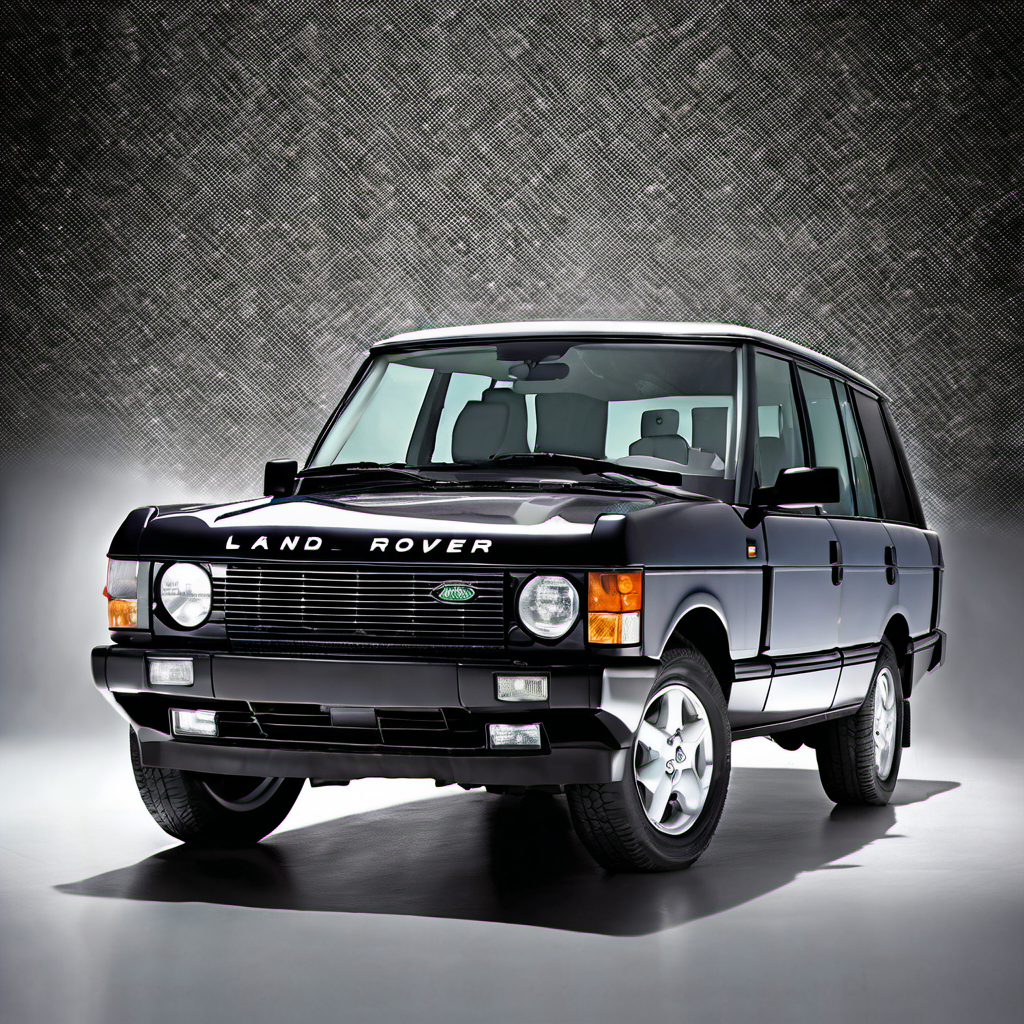
1996 Land Rover Range Rover SUV

1996 Land Rover

Range RoverSUV

SUV

The 1996 Range Rover Classic (P38A generation, introduced in 1995) was Land Rover's flagship luxury SUV, blending genuine off-road capability with premium cabin appointments. Powered by a 4.0L or 4.6L V8 derived from the Buick-designed 3.9L block, this generation offered a significant step up in interior refinement over the original Classic while retaining true four-wheel-drive ability with locking center and rear differentials. On paper it's a compelling package — air suspension, leather, heated seats, and serious trail capability all in one. In practice, the P38A generation is legendary for electrical gremlins, air suspension failures, and the notorious BECM (Body Electronic Control Module) that can strand you without warning. Parts are increasingly hard to source, and independent shops with Range Rover experience are rare outside major metro areas. Owning a 1996 Range Rover is a labor of love. Enthusiasts who stay on top of maintenance and budget for unplanned repairs can genuinely enjoy this truck. Everyone else tends to regret it. Budget accordingly and keep a trusted Land Rover specialist on speed dial.

Reliability
2/5
Verified data
Specs shown for Range Rover 4.0 — the most common configuration. Other trims may vary in engine, drivetrain, or fuel economy. Sign in to see your vehicle's exact specs.
Engine
[object Object]
Drivetrain
AWD
Fuel
Premium gasoline
MPG
11 city / 16 hwy / 13 combined
Seats
Doors
Body
Special Purpose Vehicles

Overview

AI-curated

The 1996 Range Rover Classic (P38A generation, introduced in 1995) was Land Rover's flagship luxury SUV, blending genuine off-road capability with premium cabin appointments. Powered by a 4.0L or 4.6L V8 derived from the Buick-designed 3.9L block, this generation offered a significant step up in interior refinement over the original Classic while retaining true four-wheel-drive ability with locking center and rear differentials. On paper it's a compelling package — air suspension, leather, heated seats, and serious trail capability all in one. In practice, the P38A generation is legendary for electrical gremlins, air suspension failures, and the notorious BECM (Body Electronic Control Module) that can strand you without warning. Parts are increasingly hard to source, and independent shops with Range Rover experience are rare outside major metro areas. Owning a 1996 Range Rover is a labor of love. Enthusiasts who stay on top of maintenance and budget for unplanned repairs can genuinely enjoy this truck. Everyone else tends to regret it. Budget accordingly and keep a trusted Land Rover specialist on speed dial.

Known for
  • Impressive off-road capability with locking diffs and low-range transfer case
  • Luxury interior well ahead of most 1996 SUVs
  • Notorious BECM electrical failures that can leave you stranded
  • Air suspension system prone to leaks and compressor failure
  • Buick-derived 4.0L V8 with a history of head gasket issues
Best for
  • Enthusiasts willing to wrench or pay for specialized repairs
  • Light off-road and overlanding with a truck that looks upscale
  • Collectors who want a classic British 4x4
  • Owners with a backup vehicle for when it's in the shop
Watch for
  • BECM (Body Electronic Control Module) failure — can kill the truck with no warning
  • Air suspension compressor and air bag failures — expensive to restore, many owners convert to coil springs
  • Head gasket failure on the 4.0L V8, especially over 80k miles
  • Rust and corrosion on frame, body seams, and brake lines in salt-belt states
  • Extremely limited parts availability and specialists in the Lake Geneva area

Common issues by mileage

6 known

Air Suspension Compressor and Air Bag Failure

high
Typically appears
60–150k mi
Estimated repair
$600 – $2,500

Head Gasket Failure (4.0L V8)

high
Typically appears
80–130k mi
Estimated repair
$1,800 – $3,500

Oxygen Sensor / Heater Circuit Faults

medium
Typically appears
60–120k mi
Estimated repair
$200 – $600

Brake Line and Frame Corrosion (Salt Belt)

high
Typically appears
Any mileage on salted roads
Estimated repair
$500 – $3,000

Transfer Case and Differential Leaks / Wear

medium
Typically appears
80–150k mi
Estimated repair
$400 – $1,800

Maintenance schedule

  1. 1
    Every 2 years / 30k miles Engine coolant flush and thermostat inspection

    Head gasket failure on the 4.0L V8 is accelerated by any cooling system degradation. Fresh coolant and a confirmed-functional thermostat are the cheapest head gasket insurance you can buy.

  2. 2
    Every 2 years or at any sign of electrical oddities BECM inspection and contact cleaning

    The BECM is vulnerable to moisture intrusion and poor ground connections. Catching corrosion at the connector early prevents a full module replacement.

  3. 3
    Annually Air suspension compressor filter and air bag inspection

    Inspect air bags for cracking or leaks and check the compressor's intake filter. A failed compressor trying to fill leaking bags will burn itself out quickly.

  4. 4
    Every spring after winter Brake line and underbody rust inspection

    Wisconsin road salt is brutal on older steel brake lines. A failed brake line is a safety emergency — annual inspection lets you catch soft spots before they burst.

  5. 5
    Every 5,000 miles Engine oil and filter change (use correct viscosity)

    The 4.0L V8 benefits from more frequent oil changes than the old 7,500-mile recommendation, especially in stop-and-go use. Maintain oil level between changes — this engine can consume oil.

  6. 6
    Every 30k miles or every 2 years Transfer case and differential fluid change

    Water intrusion during off-road use or Wisconsin spring flooding can contaminate fluids. Fresh fluid protects gears and bearings and lets you spot metal particles early.

  7. 7
    Every fall before winter Battery load test and terminal cleaning

    The BECM is sensitive to low-voltage conditions. A weak battery in a Wisconsin winter can trigger cascading electrical faults. Replace proactively at first sign of slow cranking.

  8. 8
    Every 30k miles Spark plugs and ignition wires

    The 4.0L V8 runs cleanly when the ignition system is fresh. Worn plugs or cracked wires contribute to rough cold starts, which are especially stressful in sub-zero temperatures.

Always defer to the manufacturer's service manual for warranty-mandated intervals.

Cost of ownership

Annual maintenance
$1,500 – $4,500
Fuel
Premium fuel recommended. At 13 MPG combined and ~15,000 miles/year, expect roughly $2,800–$3,400/year at current upper-Midwest prices.
Insurance
Moderate — classic/collectible coverage may be cheaper than standard if mileage is limited. Verify your insurer covers a vehicle this age for agreed value.

Budget $1,500–$4,500 per year in routine maintenance under normal conditions, and keep a separate emergency fund of $2,000–$5,000 for the unplanned repairs this generation is known for. Air suspension overhaul, head gasket work, or BECM replacement can each easily exceed $2,000 at an independent shop. Fuel costs are high by any modern standard. This is not a cheap vehicle to run — it's a passion project with a running tab.
Seasonal care

Lake Geneva, WI
Winter
  • Load-test the battery every fall — BECM faults multiply when voltage drops below spec during cold cranks
  • Switch to a winter-rated washer fluid rated to at least -20°F; the Midwest will find whatever margin you leave
  • Inspect brake lines and fittings for rust before first heavy salt exposure — replace any soft or pitted sections
  • Flush and refill with fresh coolant on schedule; a compromised cooling system risks head gasket failure when the engine cold-soaks overnight
  • Keep the air suspension compressor intake filter clear of ice and debris; compressors work harder in the cold and fail faster when airflow is restricted
  • Apply underbody rust inhibitor to bare metal frame areas before the salt season begins
Summer
  • Monitor coolant temperature carefully — this engine runs warm and summer heat reduces the margin before overheating
  • Check tire pressures monthly; ambient temperature swings between Wisconsin winter and summer can shift pressures 6–8 PSI
  • Inspect the A/C system for refrigerant leaks before the first heat wave — at nearly 30 years old, O-rings and hoses are suspect
  • Inspect air suspension bags for UV cracking and ozone degradation after winter storage
  • Check engine oil level every 1,000 miles during summer highway driving — oil consumption increases with heat and age

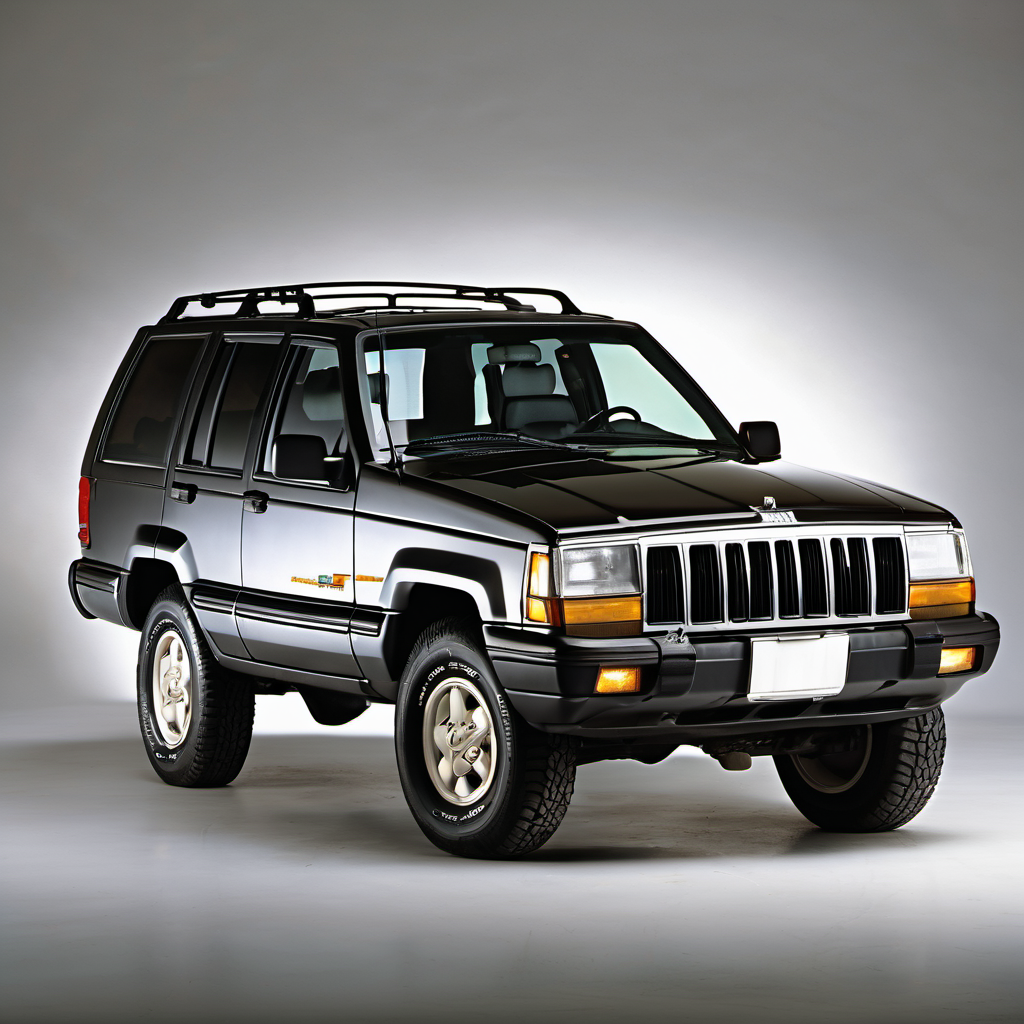
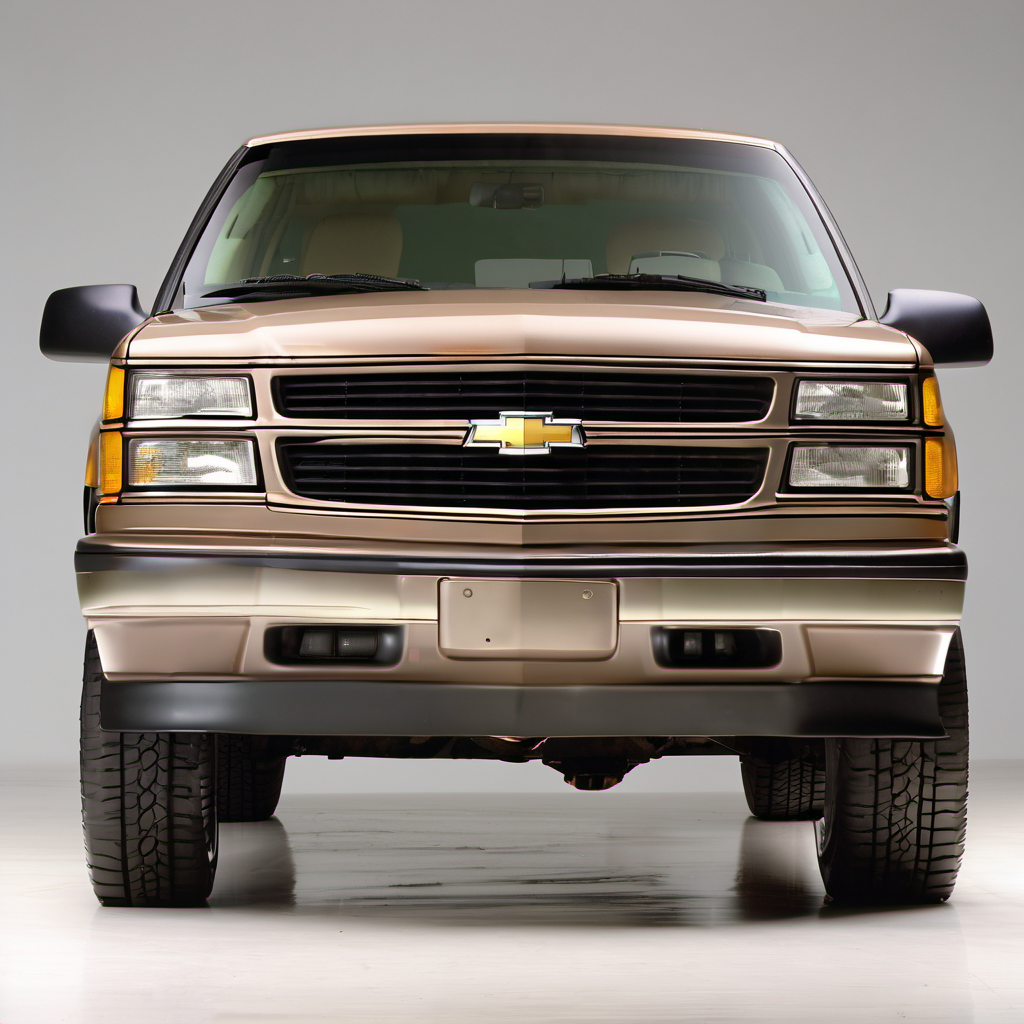
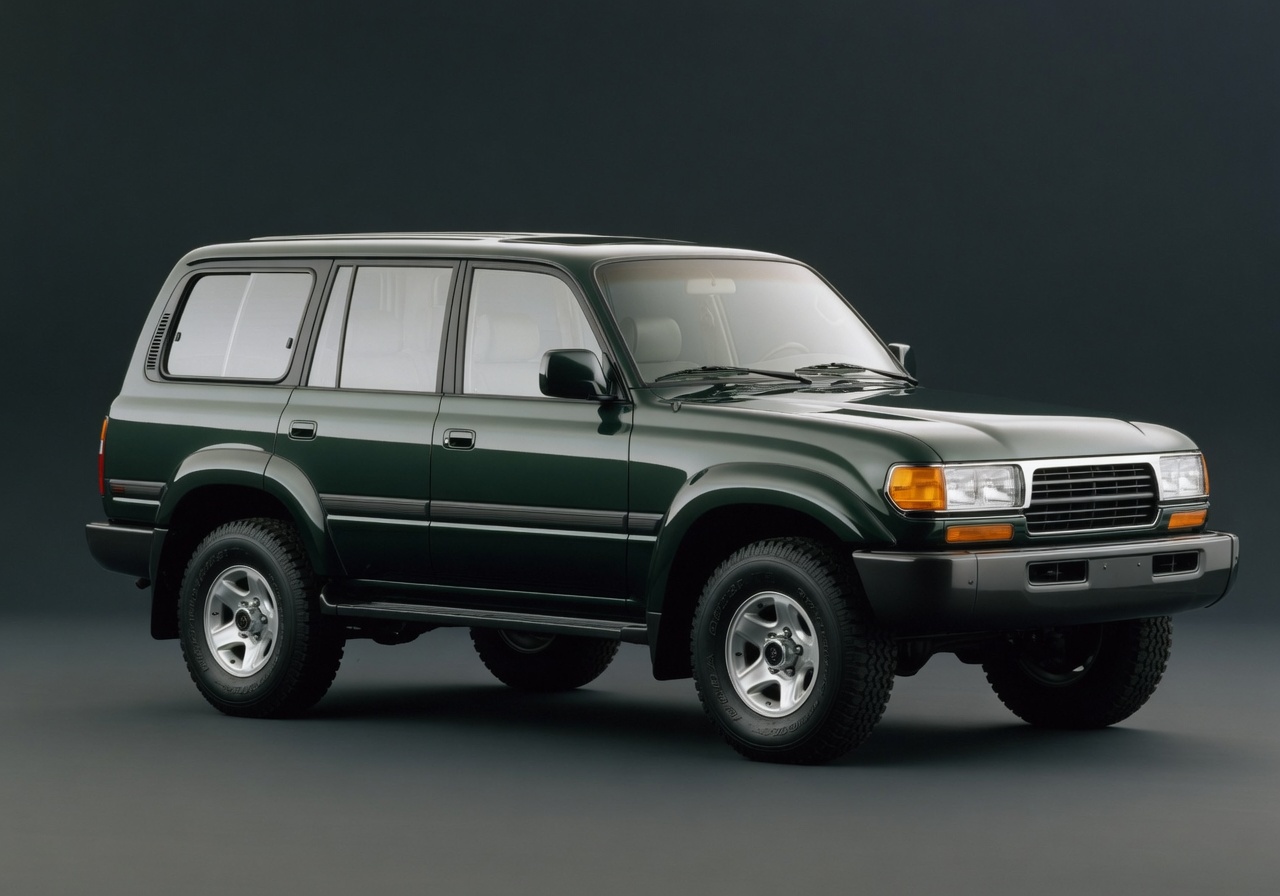
Comparable vehicles

If you're shopping for one

Red flags
  • Original air suspension with no recent service — assume a full overhaul is in your near future
  • Any evidence of overheating in the history (stained coolant overflow, warped plastic around cooling system, prior head gasket repair)
  • Multiple unresolved warning lights or codes — sorting them can cost more than the truck is worth
  • Heavy rust on frame rails or brake lines, especially on any Wisconsin or northern-state example
  • Seller can't demonstrate all electrical features work: windows, locks, sunroof, air suspension self-leveling
  • Price that seems too good — a cheap P38A is almost always cheap for a reason
What to inspect
  • Verify current ride height on all four corners — sagging corners mean failing air bags or a weak compressor
  • Check for head gasket symptoms: white exhaust smoke, milky oil cap residue, coolant consumption without visible leaks
  • Scan all modules for stored codes before purchase, especially BECM and ABS/traction systems
  • Inspect every inch of underbody brake line, fuel line, and frame for rust perforation — pay a shop to put it on a lift
  • Check for BECM moisture damage by reviewing electrical behavior: erratic dash, random warning lights, windows or locks that don't respond
  • Ask for complete service history; a gap of more than 2 years in records is a red flag on this vehicle
AI profile generated 4 days ago · claude-sonnet-4-6 · v2.