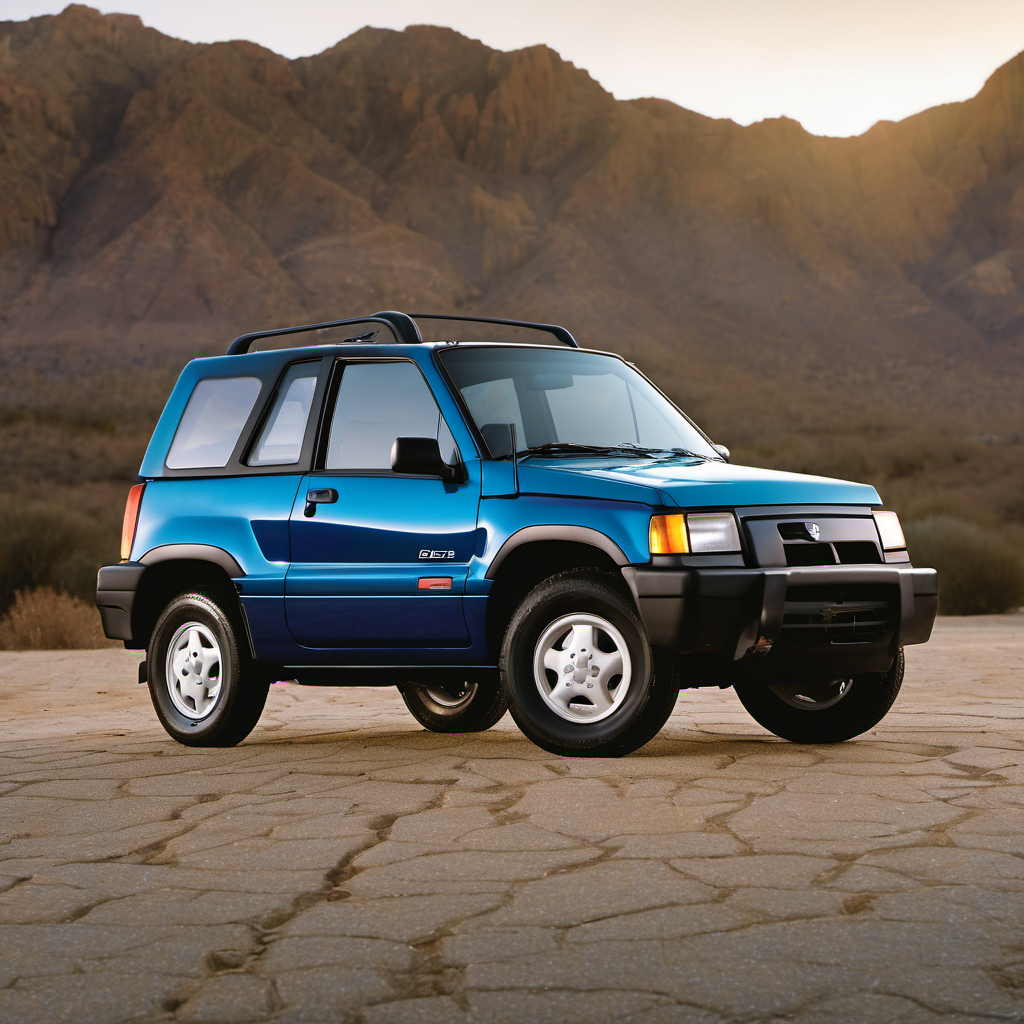
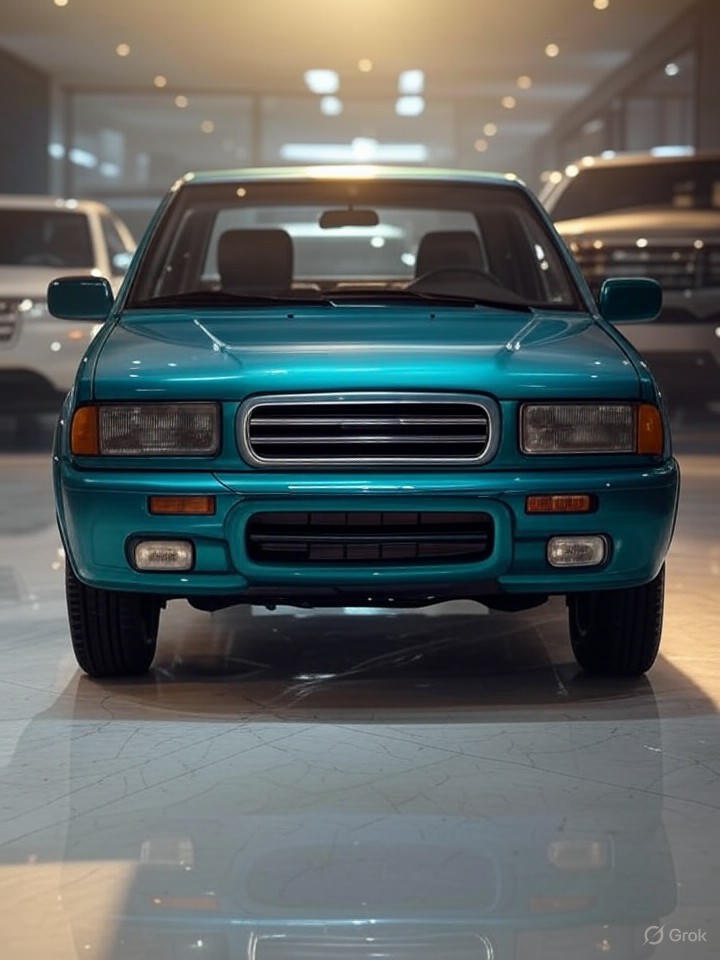
1996 Kia Sportage SUV

1996 Kia

SportageSUV

SUV

The 1996 Kia Sportage was one of the first vehicles Kia sold in North America and represented the brand's early attempt at a compact SUV. Built on a body-on-frame platform with a 2.0L four-cylinder engine, it was positioned as an affordable, entry-level off-roader at a time when the compact SUV segment was booming. Standard equipment was modest, build quality reflected the budget price point, and the powertrain was underpowered for a vehicle of its size and weight. At nearly 30 years old, surviving examples are rare and typically high-mileage. Parts availability is the single biggest ownership challenge — many components are no longer stocked by mainstream suppliers, and finding a knowledgeable mechanic is increasingly difficult. This is a vehicle for dedicated enthusiasts or someone with specific low-cost transportation needs, not a daily driver recommendation. In the Lake Geneva area, rust is the dominant concern. Wisconsin road salt attacks these body-on-frame trucks aggressively, and a '96 Sportage that has spent its life in the upper Midwest will almost certainly show significant underbody corrosion. Any purchase or ownership decision must start with a thorough undercarriage inspection.

Reliability
2/5
Verified data
Specs shown for Sportage 2WD — the most common configuration. Other trims may vary in engine, drivetrain, or fuel economy. Sign in to see your vehicle's exact specs.
Engine
[object Object]
Drivetrain
RWD
Fuel
Gasoline
MPG
17 city / 22 hwy / 19 combined
Seats
Doors
Body
Special Purpose Vehicles

Overview

AI-curated

The 1996 Kia Sportage was one of the first vehicles Kia sold in North America and represented the brand's early attempt at a compact SUV. Built on a body-on-frame platform with a 2.0L four-cylinder engine, it was positioned as an affordable, entry-level off-roader at a time when the compact SUV segment was booming. Standard equipment was modest, build quality reflected the budget price point, and the powertrain was underpowered for a vehicle of its size and weight. At nearly 30 years old, surviving examples are rare and typically high-mileage. Parts availability is the single biggest ownership challenge — many components are no longer stocked by mainstream suppliers, and finding a knowledgeable mechanic is increasingly difficult. This is a vehicle for dedicated enthusiasts or someone with specific low-cost transportation needs, not a daily driver recommendation. In the Lake Geneva area, rust is the dominant concern. Wisconsin road salt attacks these body-on-frame trucks aggressively, and a '96 Sportage that has spent its life in the upper Midwest will almost certainly show significant underbody corrosion. Any purchase or ownership decision must start with a thorough undercarriage inspection.

Known for
  • Very affordable purchase price
  • Compact size and basic 4WD capability
  • Simple, relatively easy-to-access 2.0L four-cylinder engine
  • Early Kia build quality limitations
  • Aggressive rust susceptibility on underbody and frame components
Best for
  • Budget-conscious buyers who can do their own wrenching
  • Short-distance, low-speed utility use
  • Collectors or enthusiasts interested in early Kia history
  • Rural property or farm use where appearance doesn't matter
Watch for
  • Severe underbody rust, especially on frame rails, suspension mounts, and brake lines
  • Extremely limited parts availability for OEM components
  • Weak automatic transmission that struggles with the engine's low torque
  • Cooling system neglect leading to head gasket issues on high-mileage examples
  • Electrical gremlins from aging wiring harnesses and connectors

Common issues by mileage

6 known

Underbody and Frame Rust

high
Typically appears
Any mileage — age-driven
Estimated repair
$500 – $3,500

Cooling System Failure / Head Gasket

high
Typically appears
80,000–150,000+ mi
Estimated repair
$800 – $1,800

Automatic Transmission Slipping or Failure

high
Typically appears
80,000–130,000 mi
Estimated repair
$1,200 – $2,800

Oxygen Sensor / Fuel Trim Issues

medium
Typically appears
60,000–120,000 mi
Estimated repair
$150 – $400

Front Differential and Transfer Case Leaks

medium
Typically appears
70,000–150,000 mi
Estimated repair
$200 – $700

Electrical Wiring Harness Degradation

medium
Typically appears
Any mileage — age-driven
Estimated repair
$200 – $1,000

Maintenance schedule

  1. 1
    Every 3,000–5,000 miles Engine oil and filter change

    Older engine design with tighter tolerances benefits from more frequent changes, especially if the vehicle sees short-trip or cold-weather use common in Wisconsin winters.

  2. 2
    Every 2 years or 30,000 miles Full cooling system flush and thermostat inspection

    Cooling system neglect is the primary cause of head gasket failure on this engine. Old coolant turns acidic and attacks the aluminum head and gaskets.

  3. 3
    Every year (fall) Inspect and treat underbody for rust — flush frame cavities, apply rust inhibitor to exposed metal

    Wisconsin road salt is the number-one longevity threat on this vehicle. An annual underbody wash and rust treatment before winter can extend frame life significantly.

  4. 4
    Every 30,000 miles Transfer case and front/rear differential fluid change

    These units are prone to leaks and wear on high-mileage examples. Fresh fluid is cheap; a rebuilt differential is not.

  5. 5
    Every 2 years Inspect and replace brake lines and hoses

    Steel brake lines on the undercarriage are heavily exposed to salt and rust. A failed brake line is a safety emergency. Visual inspection alone is not sufficient — probe for soft spots.

  6. 6
    Every 60,000 miles or at first sign of noise Timing belt replacement

    The 2.0L is an interference engine. A snapped timing belt causes catastrophic internal engine damage. Do not extend this interval.

  7. 7
    Every fall Test battery and charging system

    Cold cranking amps drop significantly below 0°F. A marginal battery that starts fine in September will fail in January in Lake Geneva.

  8. 8
    Every fall Top off washer fluid with -20°F rated fluid and inspect wiper blades

    Standard washer fluid freezes in the reservoir and lines. Winter-rated blades handle snow and ice without tearing.

Always defer to the manufacturer's service manual for warranty-mandated intervals.

Cost of ownership

Annual maintenance
$800 – $2,500
Fuel
At 19 MPG combined and roughly 12,000 miles/year, expect around $1,500–$1,800/year in fuel at current upper-Midwest gas prices.
Insurance
Liability-only coverage on a vehicle this age and value is typically $400–$700/year in Wisconsin. Full coverage rarely makes financial sense given the low market value.

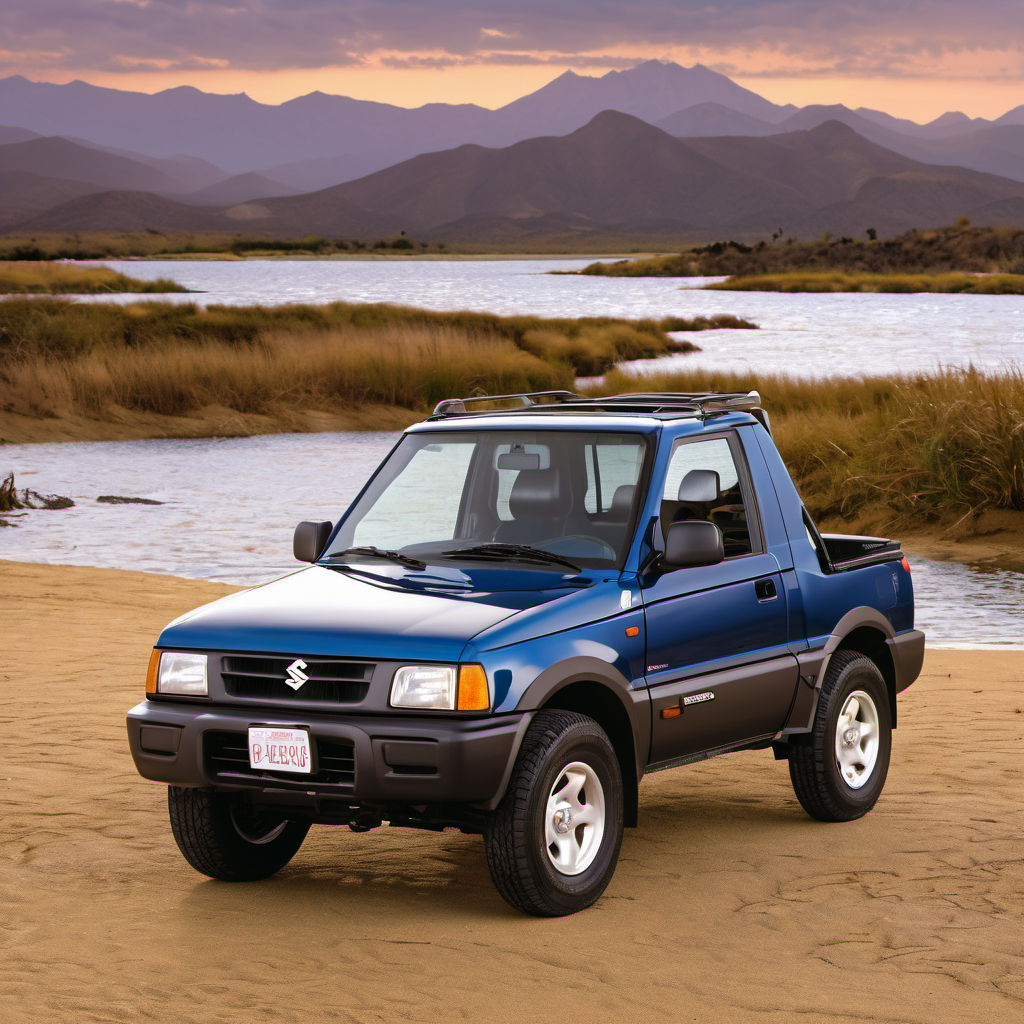
On paper, this is a cheap vehicle to own — purchase prices are low and insurance costs little. In practice, a 30-year-old Kia Sportage in Wisconsin is a parts-hunting exercise. Routine maintenance is affordable if you're handy, but any major repair (transmission, head gasket, rust remediation) can easily exceed the vehicle's market value. Budget conservatively and keep a healthy repair fund.
Seasonal care

Lake Geneva, WI
Winter
  • Switch to 5W-30 or 0W-30 full synthetic oil before temps drop below 10°F to aid cold starts on the aging engine.
  • Test the battery every fall — cold cranking amps degrade with age and this vehicle's electrical system is already stressed.
  • Fill washer fluid reservoir with -20°F rated fluid; lines can freeze solid on these older systems if summer fluid is left in.
  • Inspect brake lines and rubber hoses before winter — salt exposure accelerates corrosion and a line failure in a Wisconsin winter is dangerous.
  • Thoroughly rinse the undercarriage after every significant salting event, especially around the frame rails, suspension mounts, and wheel wells.
  • Confirm the 4WD system engages properly before you need it — a stuck or corroded transfer case shift linkage is common on vehicles that rarely use 4WD.
Summer
  • Check coolant concentration and condition — summer heat combined with a marginal cooling system is the most common trigger for overheating on this engine.
  • Inspect A/C system for refrigerant leaks; the original R-134a system is old enough that seals and hoses commonly weep.
  • Check tire pressure monthly — temperature swings between Wisconsin spring and summer can shift PSI by 4–6 pounds.
  • Inspect belts and hoses for cracking or swelling; heat cycles accelerate deterioration on rubber components this age.

Comparable vehicles

If you're shopping for one

Red flags
  • Any rust penetrating through frame rails or suspension mounting points — walk away
  • No record of timing belt replacement on a vehicle this age — assume it's overdue
  • Milky or foamy oil on the dipstick — head gasket likely already failed
  • Transmission that slips between gears or takes more than 2 seconds to engage from Park
  • Seller unwilling to allow a pre-purchase inspection by an independent shop
What to inspect
  • Put the vehicle on a lift and probe every frame rail and crossmember with a screwdriver — soft or flaking metal is a disqualifier
  • Inspect all steel brake lines under the vehicle for rust bubbling, pitting, or soft spots
  • Check for coolant in the oil (milky residue on dipstick) and oil in the coolant reservoir — both indicate head gasket failure
  • Test 4WD engagement in all modes, including low range — corroded shift linkages often prevent engagement
  • Check the automatic transmission (if equipped) for slipping, delayed engagement, or burnt fluid smell
  • Start the engine cold and listen for timing belt rattle or ticking — ask for documentation of the last timing belt replacement
AI profile generated 4 days ago · claude-sonnet-4-6 · v2.