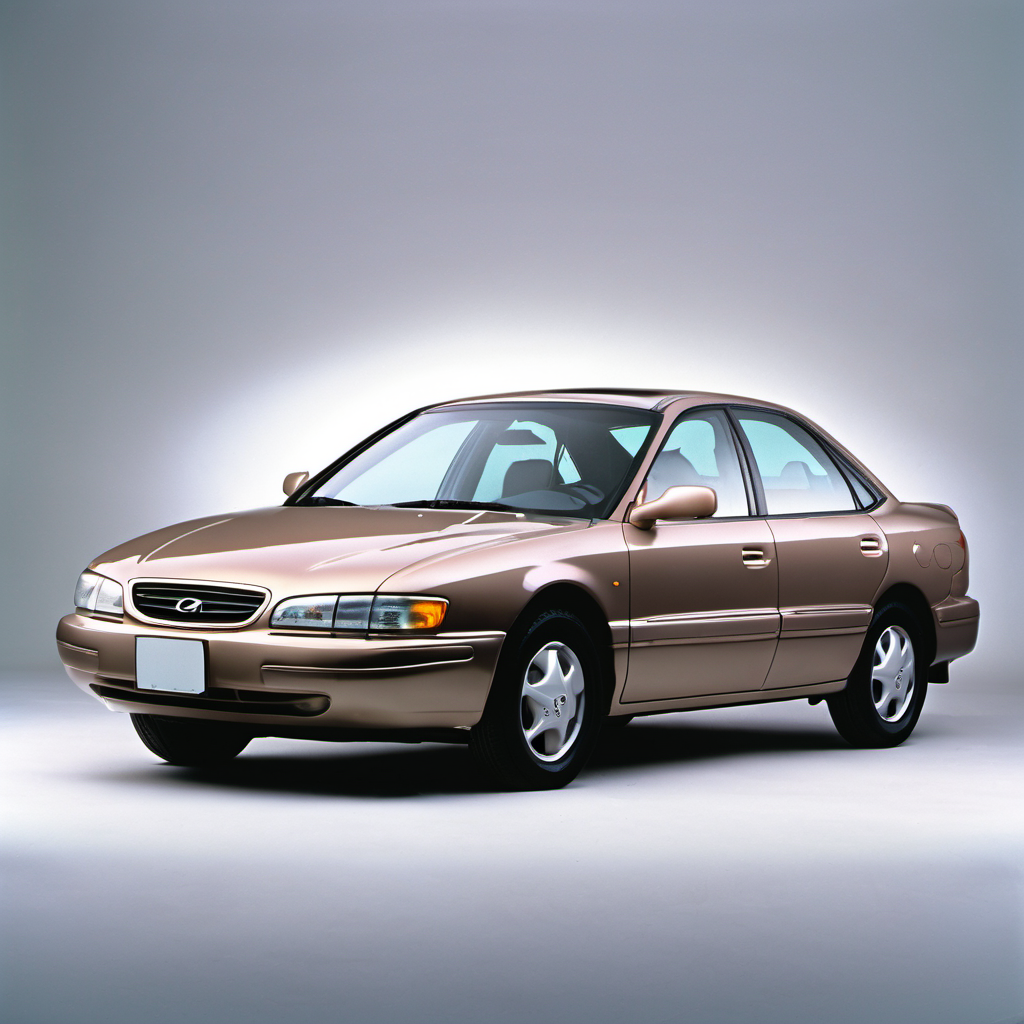
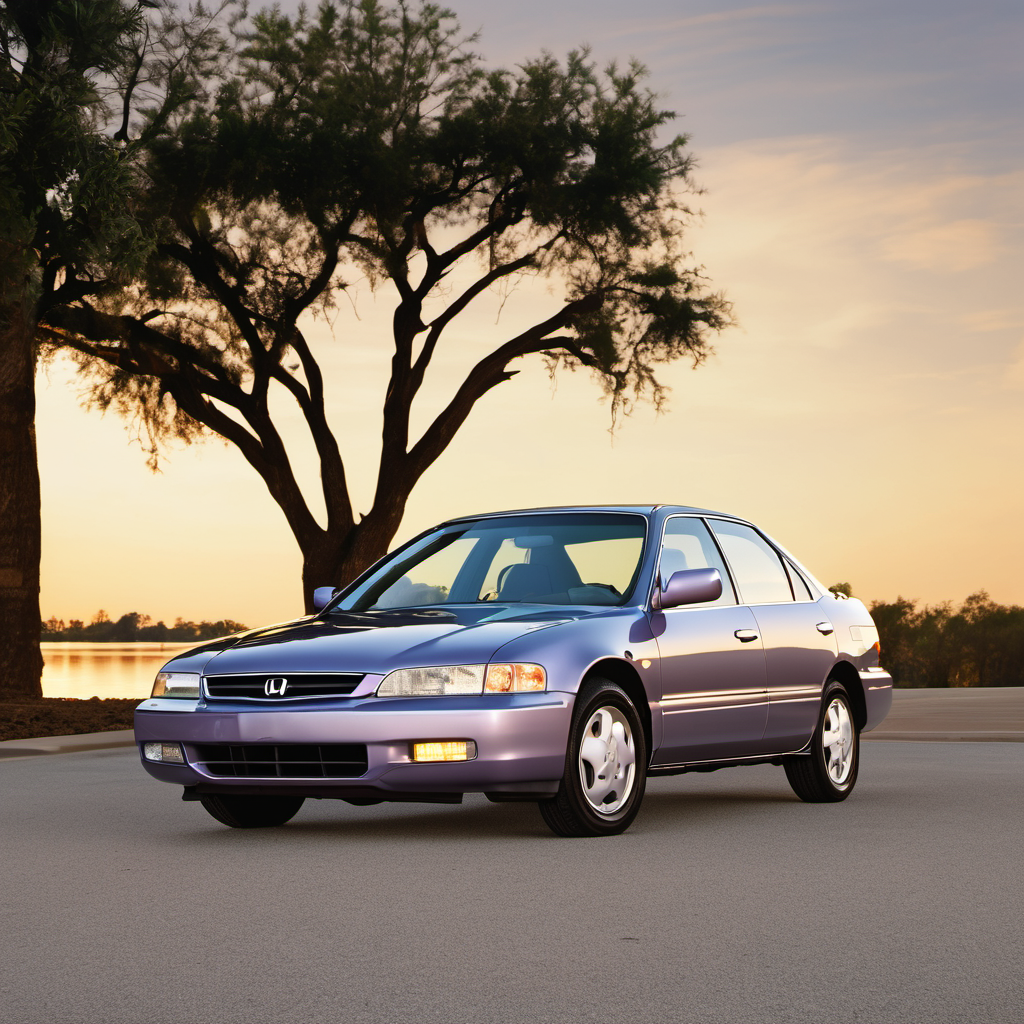
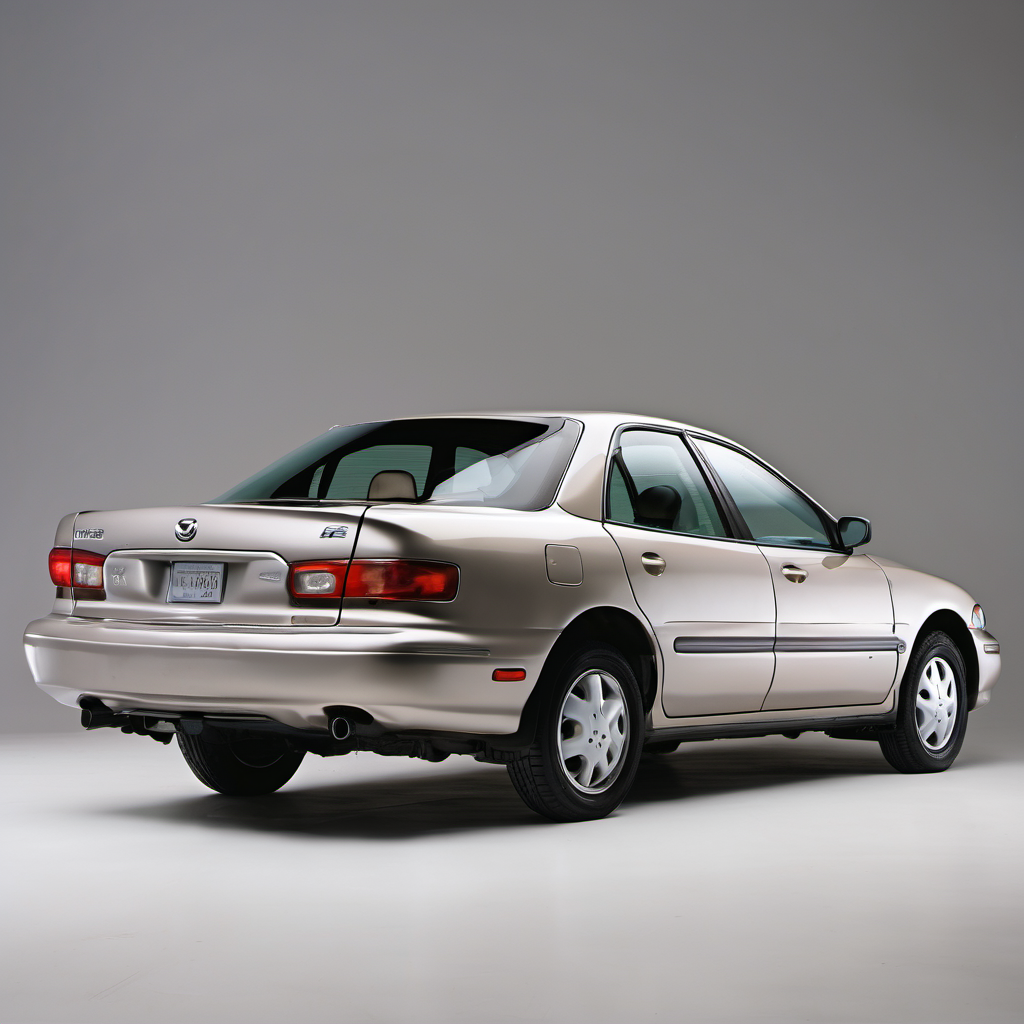
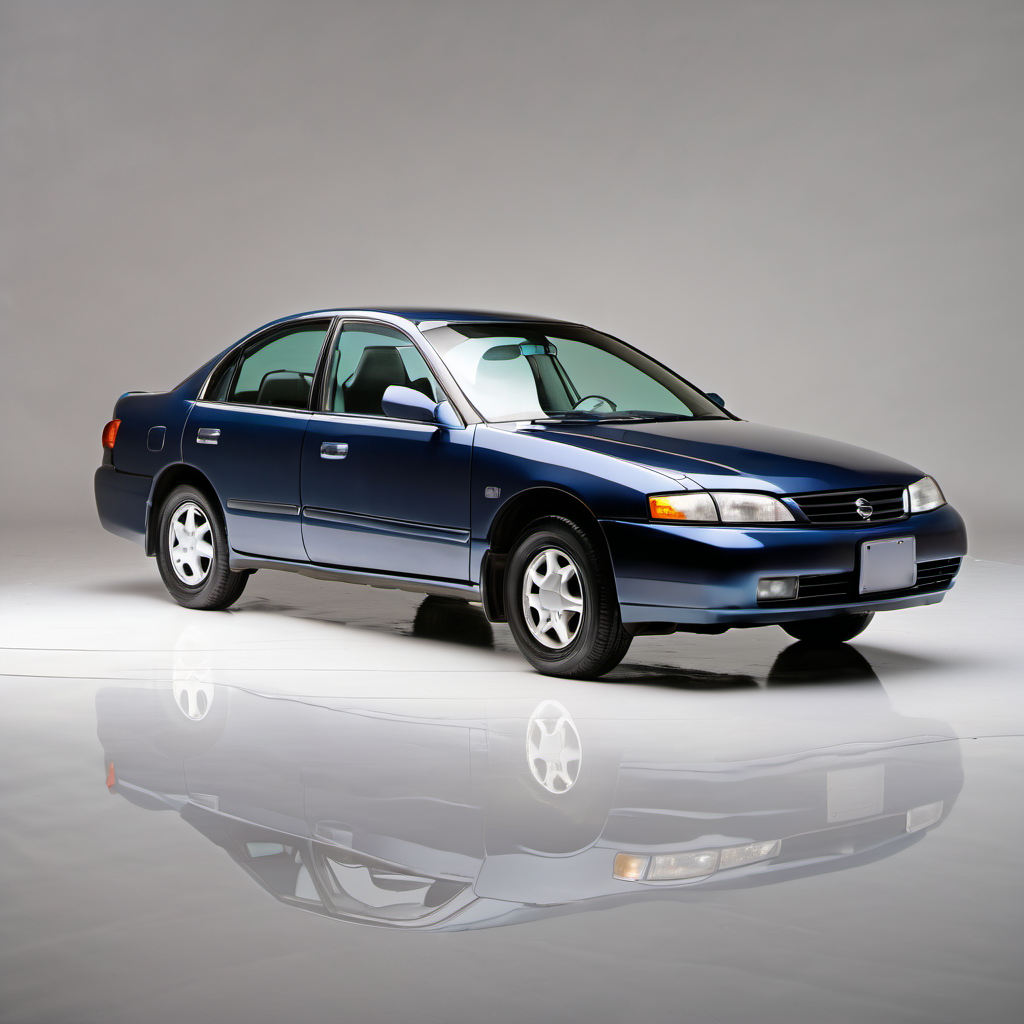
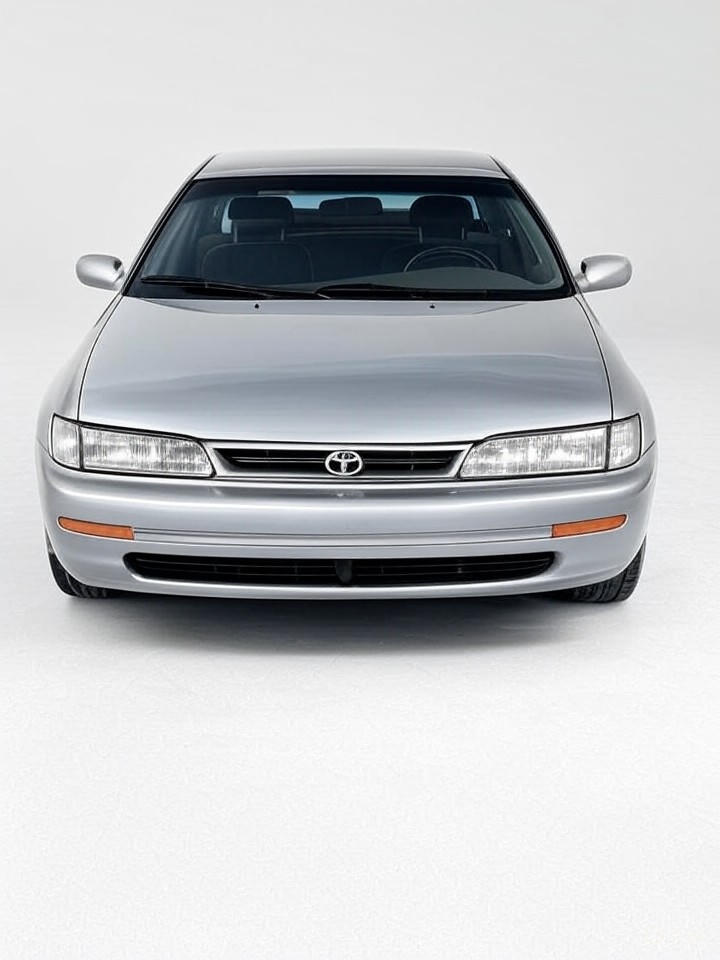
1996 Hyundai Sonata Sedan

1996 Hyundai

SonataSedan

Sedan

The 1996 Hyundai Sonata is a front-wheel-drive mid-size sedan from the third generation of Hyundai's flagship family car. By the mid-90s, Hyundai was still establishing its reputation in North America, and the '96 Sonata reflected that era — it was affordable, roomy for the money, and reasonably comfortable, but lagged behind Japanese competitors in long-term reliability and build quality. Powered by a 2.0L inline-four with multi-port fuel injection, it offered adequate but unremarkable performance. The 4-cylinder model was the volume seller in the U.S., and it's the most commonly seen today. The 3.0L V6 was available but is rare. At nearly 30 years old, any surviving '96 Sonata is either a high-mileage survivor or a lightly used relic. Either way, age-related degradation — rubber, plastics, seals, and underbody rust — is the primary ownership concern now, not original design flaws.

Reliability
2/5
Verified data
Specs shown for Sonata — the most common configuration. Other trims may vary in engine, drivetrain, or fuel economy. Sign in to see your vehicle's exact specs.
Engine
[object Object]
Drivetrain
FWD
Fuel
Gasoline
MPG
18 city / 26 hwy / 21 combined
Seats
Doors
Body
Midsize Cars

Overview

AI-curated

The 1996 Hyundai Sonata is a front-wheel-drive mid-size sedan from the third generation of Hyundai's flagship family car. By the mid-90s, Hyundai was still establishing its reputation in North America, and the '96 Sonata reflected that era — it was affordable, roomy for the money, and reasonably comfortable, but lagged behind Japanese competitors in long-term reliability and build quality. Powered by a 2.0L inline-four with multi-port fuel injection, it offered adequate but unremarkable performance. The 4-cylinder model was the volume seller in the U.S., and it's the most commonly seen today. The 3.0L V6 was available but is rare. At nearly 30 years old, any surviving '96 Sonata is either a high-mileage survivor or a lightly used relic. Either way, age-related degradation — rubber, plastics, seals, and underbody rust — is the primary ownership concern now, not original design flaws.

Known for
  • Budget-friendly pricing when new
  • Spacious interior for its class
  • Adequate fuel economy from the 2.0L four-cylinder
  • Long wheelbase providing a comfortable ride
Best for
  • Buyers seeking a very low-cost daily driver with low expectations
  • Someone who needs a cheap second car for short commutes
  • Owners comfortable doing basic maintenance themselves
Watch for
  • Severe underbody rust, especially on Wisconsin-driven examples
  • Timing belt failure — this is an interference engine
  • Degraded rubber fuel lines, coolant hoses, and suspension bushings due to age
  • Electrical gremlins from aging wiring and connectors
  • Automatic transmission issues common on high-mileage examples

Common issues by mileage

6 known

Timing belt failure (interference engine)

high
Typically appears
60–100k mi (and every 60k thereafter)
Estimated repair
$300 – $550

Coolant hose and radiator leaks

high
Typically appears
Any mileage on a 28-year-old vehicle
Estimated repair
$80 – $400

Automatic transmission slipping or failure

medium
Typically appears
80–150k mi
Estimated repair
$800 – $2,200

Suspension bushing and strut deterioration

high
Typically appears
Any mileage — age-related
Estimated repair
$250 – $800

Underbody and floorpan rust

high
Typically appears
Any mileage on Midwest/salt-belt vehicles
Estimated repair
$200 – $3,000

Maintenance schedule

  1. 1
    Every 60,000 miles — non-negotiable Replace timing belt, water pump, and tensioner as a set

    This is an interference engine. A broken timing belt destroys the engine. At nearly 30 years old, if the belt history is unknown, replace it immediately regardless of mileage.

  2. 2
    Every 3,000–5,000 miles Engine oil and filter change

    Older engines with high mileage benefit from more frequent changes. Use a conventional or high-mileage oil appropriate for the 2.0L.

  3. 3
    Every 2 years or when stiff/cracked Inspect and replace all coolant hoses and belts

    Rubber degrades with age independent of mileage. A 28-year-old hose can fail without warning, causing rapid overheating.

  4. 4
    Every 2 years Full coolant flush

    Old coolant loses its corrosion inhibitors and can corrode the radiator and heater core from the inside.

  5. 5
    Every spring Thorough underbody wash and rust inspection

    Wisconsin road salt accumulates in seams and cavities. Catching surface rust early prevents structural problems.

  6. 6
    Every 30,000 miles or 2 years Brake fluid flush

    Brake fluid absorbs moisture over time, lowering boiling point. Critical for safe winter driving in freeze/thaw conditions.

  7. 7
    Each fall Test battery and replace if over 4 years old

    Sub-zero Wisconsin starts are hard on batteries, especially on aging vehicles with marginal charging systems.

  8. 8
    Every 30,000 miles Inspect and replace fuel filter

    Aging fuel lines and potential tank sediment on a vehicle this old make clean fuel delivery important for reliable starting.

Always defer to the manufacturer's service manual for warranty-mandated intervals.

Cost of ownership

Annual maintenance
$600 – $1,800
Fuel
At 21 MPG combined and ~12,000 miles/year, expect roughly $1,400–$1,700/year at current Wisconsin gas prices. Premium not required — regular 87 octane only.
Insurance
Liability-only coverage is typical for a vehicle of this value. Expect $400–$700/year for minimum coverage in the Lake Geneva area depending on driver profile.

This car is cheap to insure and fuel, but its age means you should budget generously for maintenance. A timing belt job, hose replacements, and any rust remediation can quickly exceed the vehicle's market value. Keep a $1,000–$1,500 repair reserve at all times. Independent shop labor rates make repairs more affordable than at a dealer, but parts availability for mid-90s Hyundai is tightening.
Seasonal care

Lake Geneva, WI
Winter
  • Test battery every fall — cold cranking amps drop sharply below 0°F and this vintage charging system leaves little margin
  • Switch to a winter-weight washer fluid rated to at least -20°F; the stock reservoir and lines can crack if water-based fluid freezes
  • Inspect rubber door and trunk seals — they're 28+ years old and likely hardened; apply silicone lubricant to prevent freeze-sealing
  • Flush brake fluid if it hasn't been done in 2 years; moisture-laden fluid can contribute to ABS and caliper issues in freeze/thaw cycles
  • Apply an underbody rust inhibitor or thorough wax coat before first snowfall to protect what's left of the factory corrosion protection
  • Keep at least a half tank of fuel in winter to prevent fuel line moisture and ensure weight over the front axle on slippery roads
Summer
  • Inspect the cooling system thoroughly before summer heat — check coolant level, hose condition, and thermostat function; a 28-year-old cooling system is the most likely cause of a summer breakdown
  • Check A/C refrigerant and inspect the condenser for road debris damage; A/C systems on vehicles this age often leak from dried seals
  • Monitor tire pressure weekly — heat causes pressure to rise roughly 1 PSI per 10°F increase, and aging tires may already be near their limits
  • Park in shade when possible to reduce interior heat soak, which accelerates already-brittle plastic and rubber degradation

Comparable vehicles

If you're shopping for one

Red flags
  • Any visible rust bubbling on the rocker panels, floor pan, or rear wheel arches — walk away
  • No timing belt service records — factor in immediate repair cost or avoid entirely
  • Milky or foamy oil on the dipstick or under the oil cap — indicates coolant intrusion and likely head gasket failure
  • Transmission shudder, slipping, or harsh engagement — rebuilds cost more than the car is worth
  • Strong musty smell inside — indicates water intrusion, likely from rusted floor seams, which is expensive to address properly
  • Any check engine light — scan for codes before purchase; P003x codes suggest O2 sensor or fuel system issues that can indicate larger problems
What to inspect
  • Timing belt service history — ask for receipts; if unknown, budget for immediate replacement before driving
  • Full undercarriage inspection for rust on subframe, control arms, brake lines, and floor pan — critical on any Wisconsin-based vehicle
  • All rubber: coolant hoses, fuel lines, CV axle boots, and suspension bushings for cracking or softness
  • Automatic transmission: test for smooth shifts through all gears, no slipping, no delayed engagement from a cold start
  • Cooling system: check for milky oil (head gasket), coolant color (should not be brown/rusty), and signs of leaks at hose connections
  • Electrical: test all windows, locks, lights, and the A/C blower — wiring connectors on 28-year-old cars corrode and fail
AI profile generated 4 days ago · claude-sonnet-4-6 · v2.