Cooling system failures — thermostat housing, coolant flange, water pump
high- Typically appears
- 60–150k mi
- Estimated repair
- $150 – $600
1995 Volkswagen
2.0L I4 (ABA) · Sedan
The 1995 Volkswagen Jetta III (Mk3) is the third generation of VW's compact sedan, sold in North America from 1993 through 1999. Built in Puebla, Mexico for the U.S. market, it offered a distinctly European driving feel — composed handling, a solid build quality impression, and a quiet, refined cabin — at a modest price point. Engine choices for 1995 included the base 2.0L 8-valve four-cylinder (ABA), the sporty 2.0L 16-valve in the GTX-adjacent trims, and the legendary 1.9L TDI diesel, the latter of which became the car's defining powertrain for longevity enthusiasts. By 1995, the Jetta III had settled into its production run with known strengths and weaknesses well established. Rust protection was noticeably better than the Mk2, though still not stellar by modern standards. The platform is simple and mechanically honest — major items like timing belts, cooling systems, and suspension bushings are accessible to a competent independent shop. Parts availability, once a concern, is now well-supported by the VW specialist aftermarket. At 30 years old, any surviving 1995 Jetta is a high-mileage or carefully preserved car. Ownership today is largely enthusiast-driven. Expect to budget for age-related rubber, cooling, and electrical work regardless of mileage. A well-maintained TDI example can still deliver 40+ MPG and remarkable longevity; the 2.0L gas cars are workhorses but less exciting.
The 1995 Volkswagen Jetta III (Mk3) is the third generation of VW's compact sedan, sold in North America from 1993 through 1999. Built in Puebla, Mexico for the U.S. market, it offered a distinctly European driving feel — composed handling, a solid build quality impression, and a quiet, refined cabin — at a modest price point. Engine choices for 1995 included the base 2.0L 8-valve four-cylinder (ABA), the sporty 2.0L 16-valve in the GTX-adjacent trims, and the legendary 1.9L TDI diesel, the latter of which became the car's defining powertrain for longevity enthusiasts. By 1995, the Jetta III had settled into its production run with known strengths and weaknesses well established. Rust protection was noticeably better than the Mk2, though still not stellar by modern standards. The platform is simple and mechanically honest — major items like timing belts, cooling systems, and suspension bushings are accessible to a competent independent shop. Parts availability, once a concern, is now well-supported by the VW specialist aftermarket. At 30 years old, any surviving 1995 Jetta is a high-mileage or carefully preserved car. Ownership today is largely enthusiast-driven. Expect to budget for age-related rubber, cooling, and electrical work regardless of mileage. A well-maintained TDI example can still deliver 40+ MPG and remarkable longevity; the 2.0L gas cars are workhorses but less exciting.
The 2.0L ABA and 1.9L TDI are interference engines. A broken timing belt destroys the engine. At 30 years old, replace immediately if history is unknown, regardless of mileage.
Plastic coolant flanges and thermostat housings become brittle with age and heat cycles. Use OEM-spec G12 or G12+ coolant only — mixing types causes silicate gel buildup and clogs the heater core.
Aged O2 sensors cause rich running, poor fuel economy, and catalytic converter damage. Heater circuit failures show up as P0030–P0036.
VW recommends this interval regardless of mileage. Glycol-based brake fluid absorbs moisture over time, lowering boiling point — a real concern on Wisconsin hills in summer and for brake fade.
Cracked boots let grease out and grit in, destroying the CV joint. Catching a torn boot early means a $40 boot kit instead of a $200 axle.
Mk3 control arm bushings are a known wear item. Worn bushings cause vague steering and uneven tire wear; a failed ball joint is a safety emergency.
Rubber mounts harden and crack with age. Failed mounts cause excessive vibration, difficult shifting, and can stress axle boots.
The Mk3 fresh air intake box is prone to collecting debris and moisture. A plugged system strains the blower motor and can introduce mold into the cabin — important for Wisconsin winters when the defroster runs constantly.
Always defer to the manufacturer's service manual for warranty-mandated intervals.
Day-to-day costs are low on a well-maintained example. The real risk is deferred maintenance catching up all at once — a neglected cooling system, timing belt, and suspension refresh can run $1,500–$3,000 in one shop visit. Budget accordingly when buying used. Parts are inexpensive and widely available through VW specialists; dealer pricing is rarely warranted on a car this age.
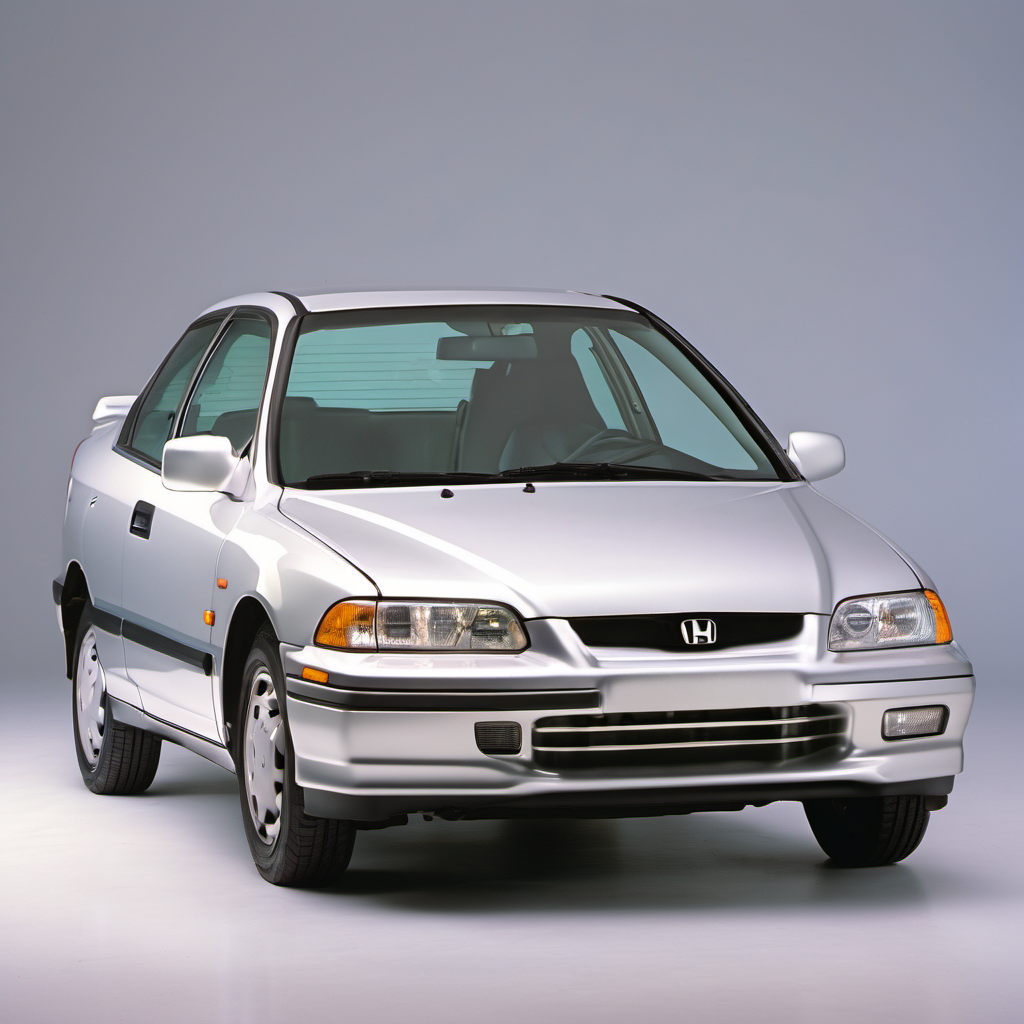
Same compact FWD sedan segment, similar price, better reliability reputation for the era, though less European character.
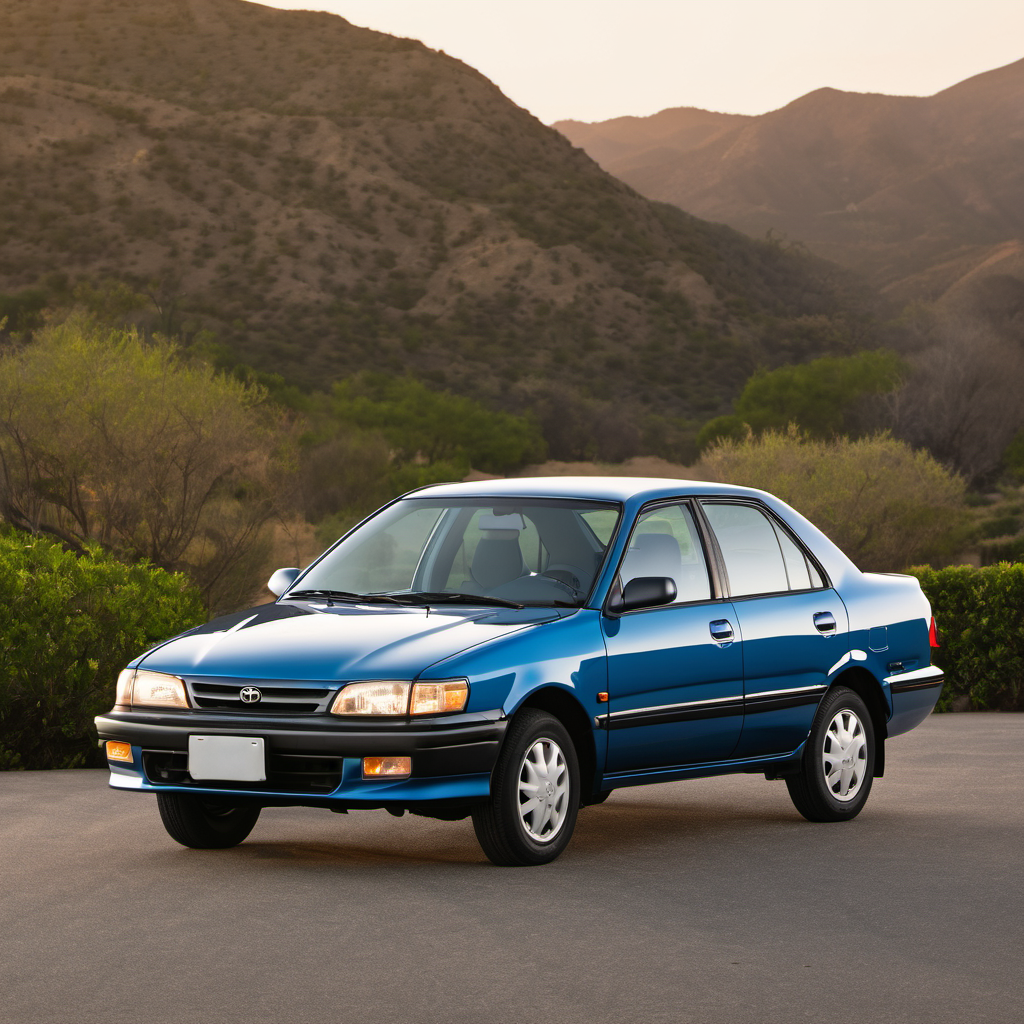
Direct competitor — compact, FWD, four-cylinder sedan. More reliable on average but less engaging to drive than the Jetta.
Affordable domestic alternative in the same segment with a DOHC four-cylinder option; simpler but less refined.
No catalog match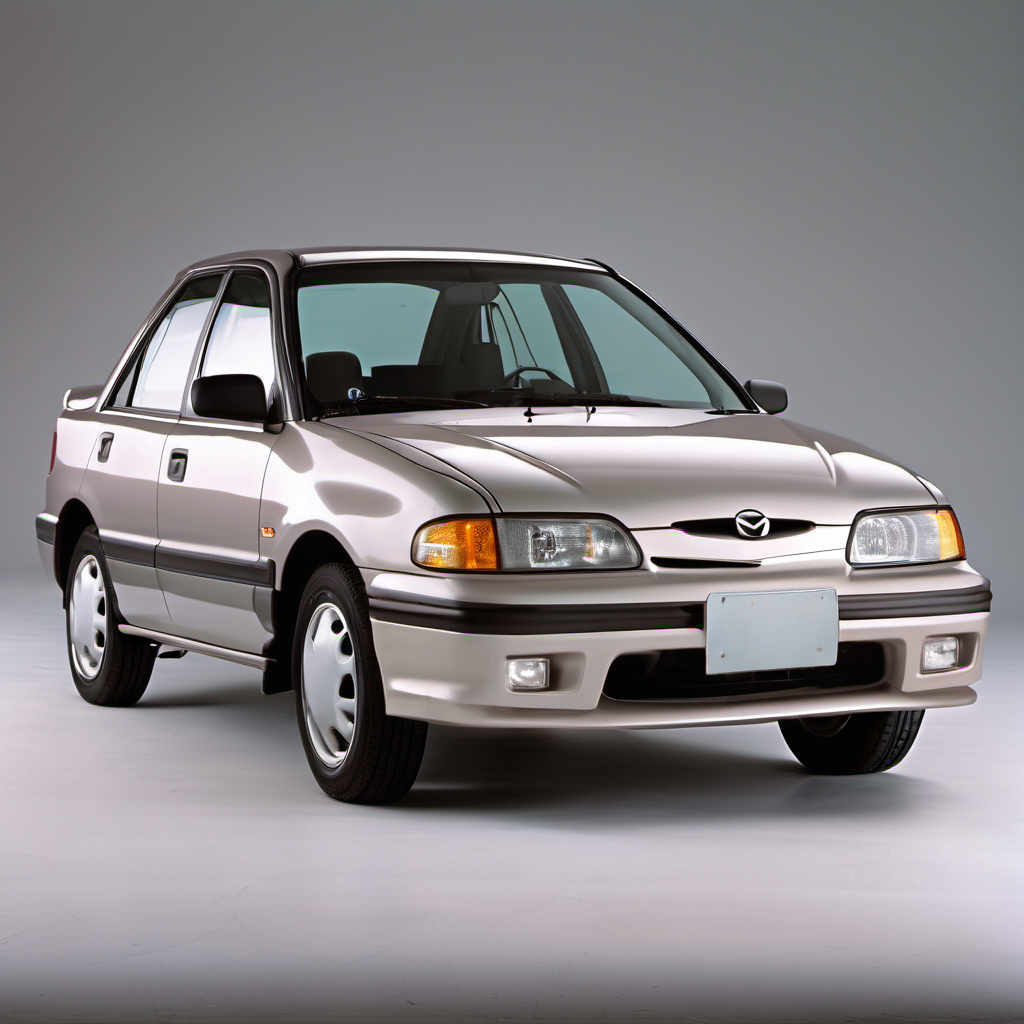
Comparable compact sedan with a reputation for solid reliability and sporty handling in its own right — a strong alternative to the Mk3.