Cooling system failure / overheating
high- Typically appears
- 60k–150k+ mi
- Estimated repair
- $200 – $800
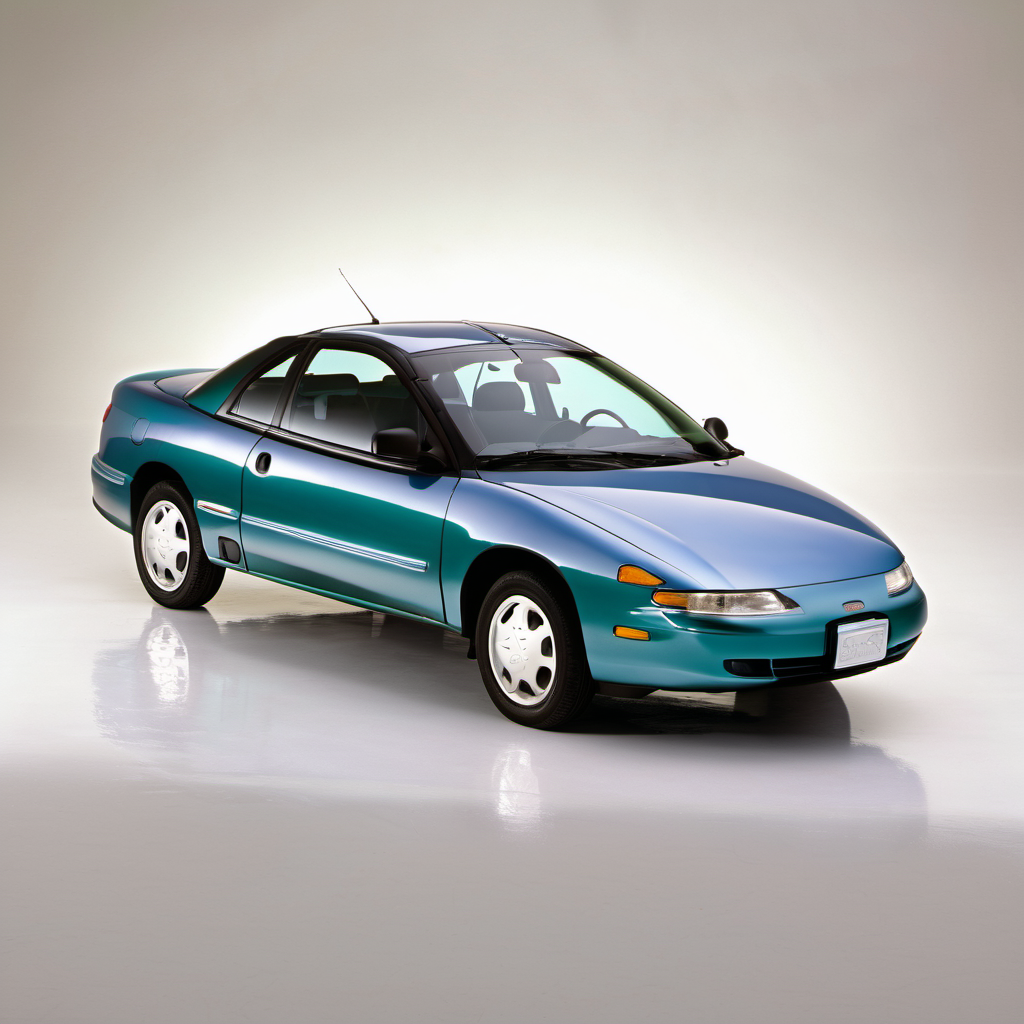
1995 Saturn
1.9L DOHC I4 (SC2) · Coupe
The 1995 Saturn S-Series Coupe (SC2 being the most common trim) was Saturn's sporty two-door offering from GM's then-revolutionary 'different kind of car company.' Built in Spring Hill, Tennessee, the S-Series used a lightweight polymer body panel construction over a steel space frame — a genuine differentiator that made it rust-resistant on the outer panels and surprisingly dent-resistant. The 1995 model year sits in the second-generation refresh of the original SL/SC platform, carrying over the twin-cam DOHC 1.9L four-cylinder in SC2 trim. These cars earned a loyal following for their no-haggle dealership model, cheerful dealer culture, and low cost of ownership. They were not exciting performance cars, but they were honest, fuel-efficient daily drivers that held up well for owners who maintained them. Parts availability has declined as the brand is long discontinued, but a healthy aftermarket and shared GM components keep most repairs manageable. By this age (30 years old), any surviving example has almost certainly changed hands multiple times. Condition varies wildly. The good news: these are simple, lightweight cars with relatively straightforward mechanicals. The bad news: neglected examples can have significant cooling system, timing chain, and rust (on the frame and underbody, not the body panels) issues that are expensive relative to the car's value.
The 1995 Saturn S-Series Coupe (SC2 being the most common trim) was Saturn's sporty two-door offering from GM's then-revolutionary 'different kind of car company.' Built in Spring Hill, Tennessee, the S-Series used a lightweight polymer body panel construction over a steel space frame — a genuine differentiator that made it rust-resistant on the outer panels and surprisingly dent-resistant. The 1995 model year sits in the second-generation refresh of the original SL/SC platform, carrying over the twin-cam DOHC 1.9L four-cylinder in SC2 trim. These cars earned a loyal following for their no-haggle dealership model, cheerful dealer culture, and low cost of ownership. They were not exciting performance cars, but they were honest, fuel-efficient daily drivers that held up well for owners who maintained them. Parts availability has declined as the brand is long discontinued, but a healthy aftermarket and shared GM components keep most repairs manageable. By this age (30 years old), any surviving example has almost certainly changed hands multiple times. Condition varies wildly. The good news: these are simple, lightweight cars with relatively straightforward mechanicals. The bad news: neglected examples can have significant cooling system, timing chain, and rust (on the frame and underbody, not the body panels) issues that are expensive relative to the car's value.
The 1.9L has almost no thermal headroom. A failing thermostat, weak water pump, or clogged radiator leads quickly to overheating and head gasket damage. On a car this age, inspect hoses, clamps, and the radiator cap at every oil change.
The 1.9L uses a timing chain (not a belt), but guides and tensioners wear. A rattling chain on startup is a warning — ignoring it risks catastrophic engine damage.
Fresh oil is the cheapest insurance on an aging engine. Use the manufacturer-specified viscosity; do not use high-mileage blends without verifying seal condition first.
Worn plugs cause misfires that stress the catalytic converter and hurt fuel economy. On a 30-year-old vehicle, inspect plug wires for cracking — they deteriorate with age regardless of mileage.
The plastic body panels hide nothing, but the steel frame rails, subframe, and brake lines are fully exposed to Wisconsin road salt. Inspect and treat annually; compromised brake lines are a safety emergency.
Brake fluid absorbs moisture over time, lowering its boiling point. On a car this age, the fluid is likely overdue and should be flushed before Wisconsin's wet-to-freeze season cycle stresses the system.
A snapped belt disables charging, cooling fan, and power steering simultaneously. At 30 years, any original or unknown-age belt is a ticking clock.
Wisconsin sub-zero temperatures can drop a marginal battery to zero cranking amps overnight. A battery that starts the car fine in October may strand you in January.
Always defer to the manufacturer's service manual for warranty-mandated intervals.
This is an inexpensive car to own if it's in good shape — and an expensive car to own if it isn't. Parts for a 30-year-old discontinued brand can require hunting. Annual costs are low in good years; a single head gasket or timing chain job can exceed the car's private-party value. Set a realistic repair budget ceiling before investing in any major work.
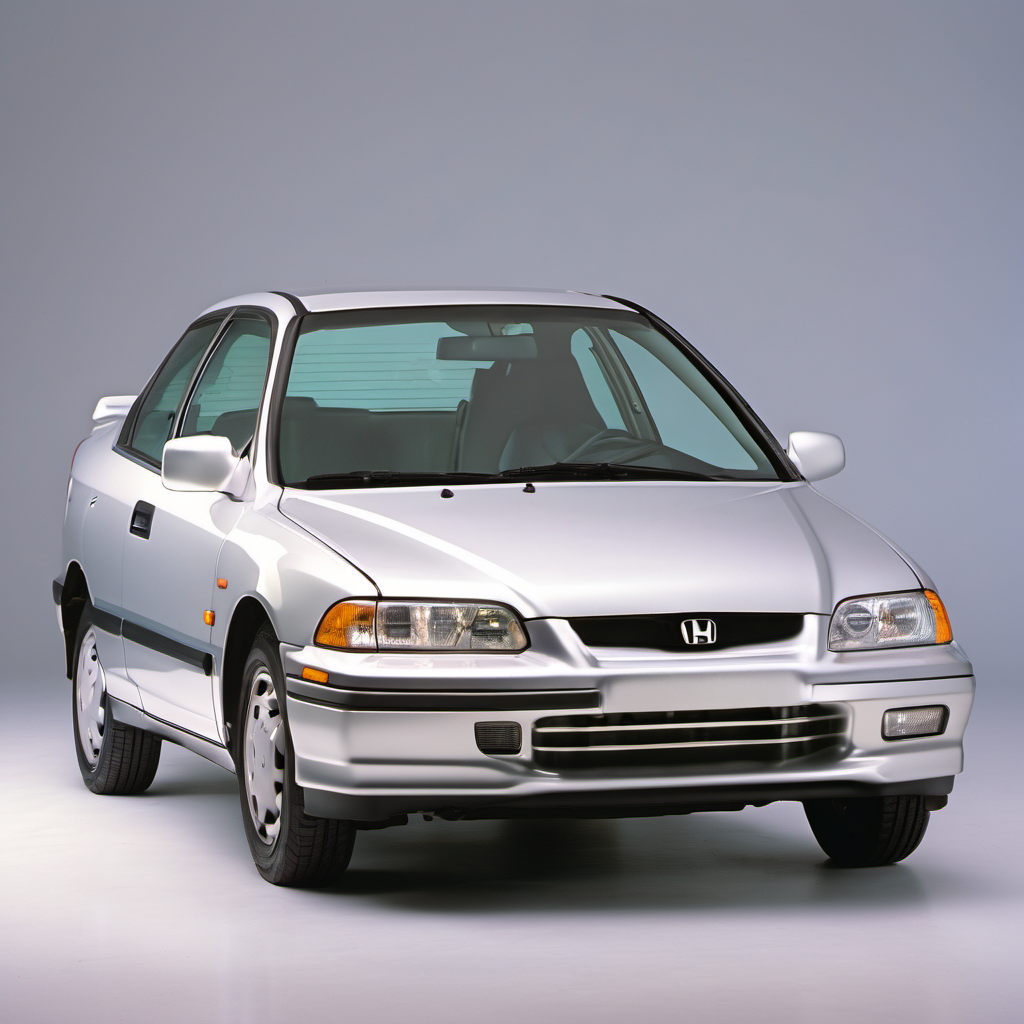
Same compact FWD coupe segment, similar fuel economy and price point — significantly better parts availability and long-term reliability track record.
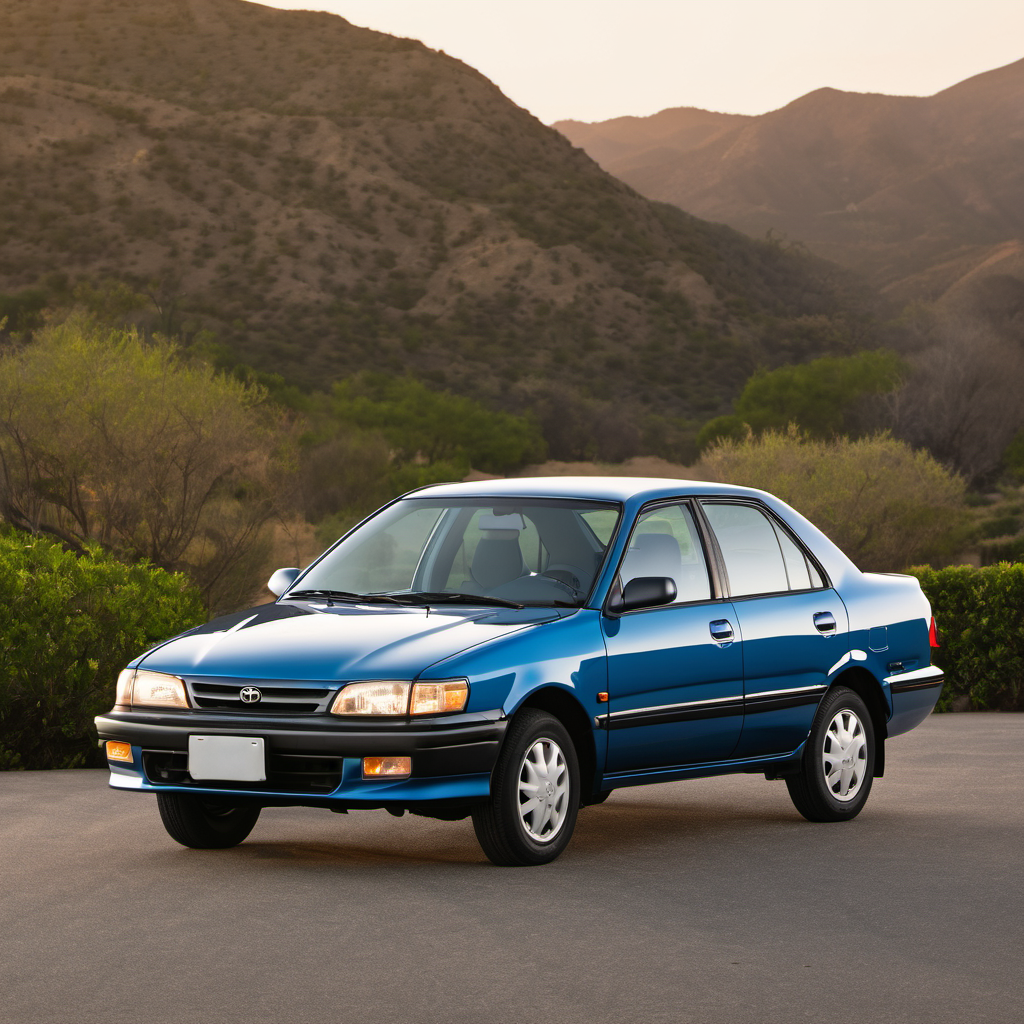
Direct economy-car competitor; shared the same budget-commuter mission with superior long-term parts support and a stronger reliability record.

Ford's budget coupe/hatchback of the same era — similar price, similar mission, comparable age-related challenges today.
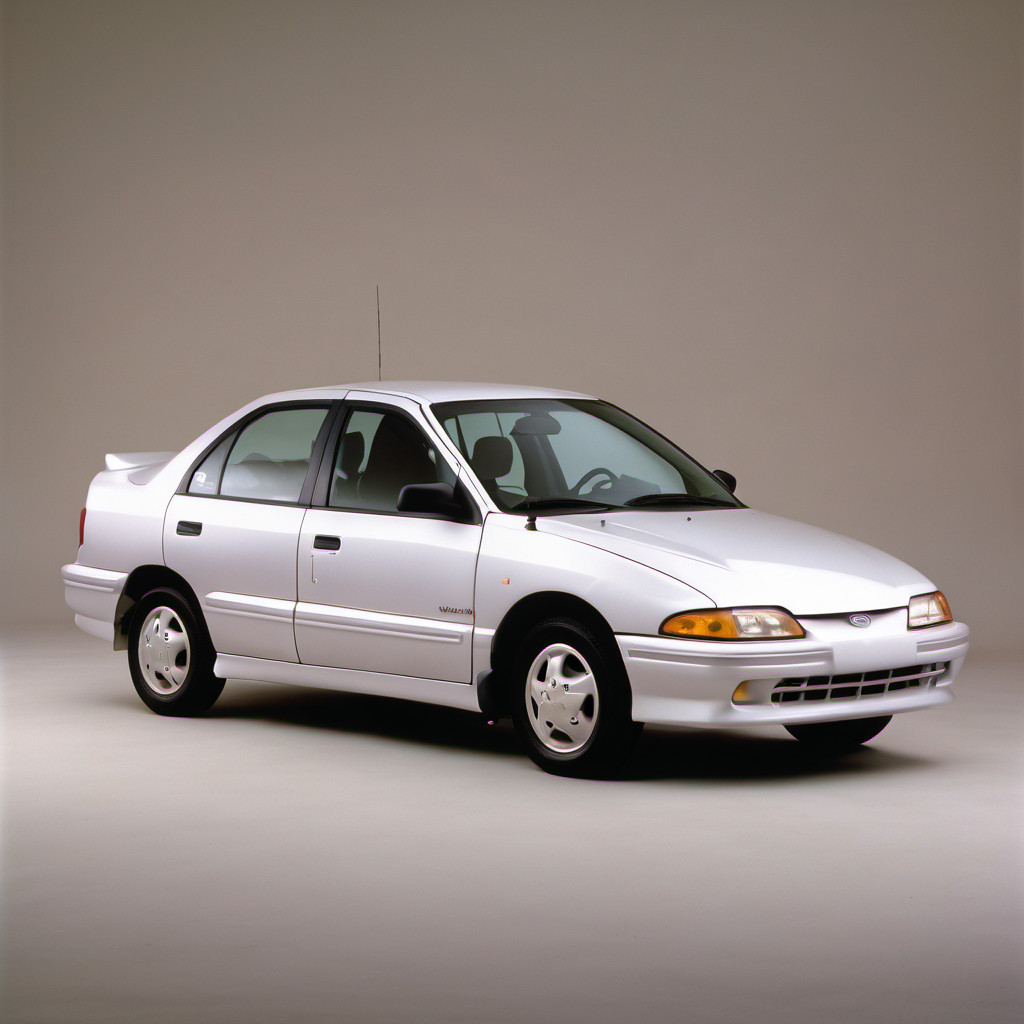
GM's Toyota-partnered compact — sold alongside the Saturn at similar price points but shared Corolla underpinnings, giving it better long-term parts and repair support.