Cooling system failure and head gasket damage
high- Typically appears
- 60–150k mi
- Estimated repair
- $800 – $2,000
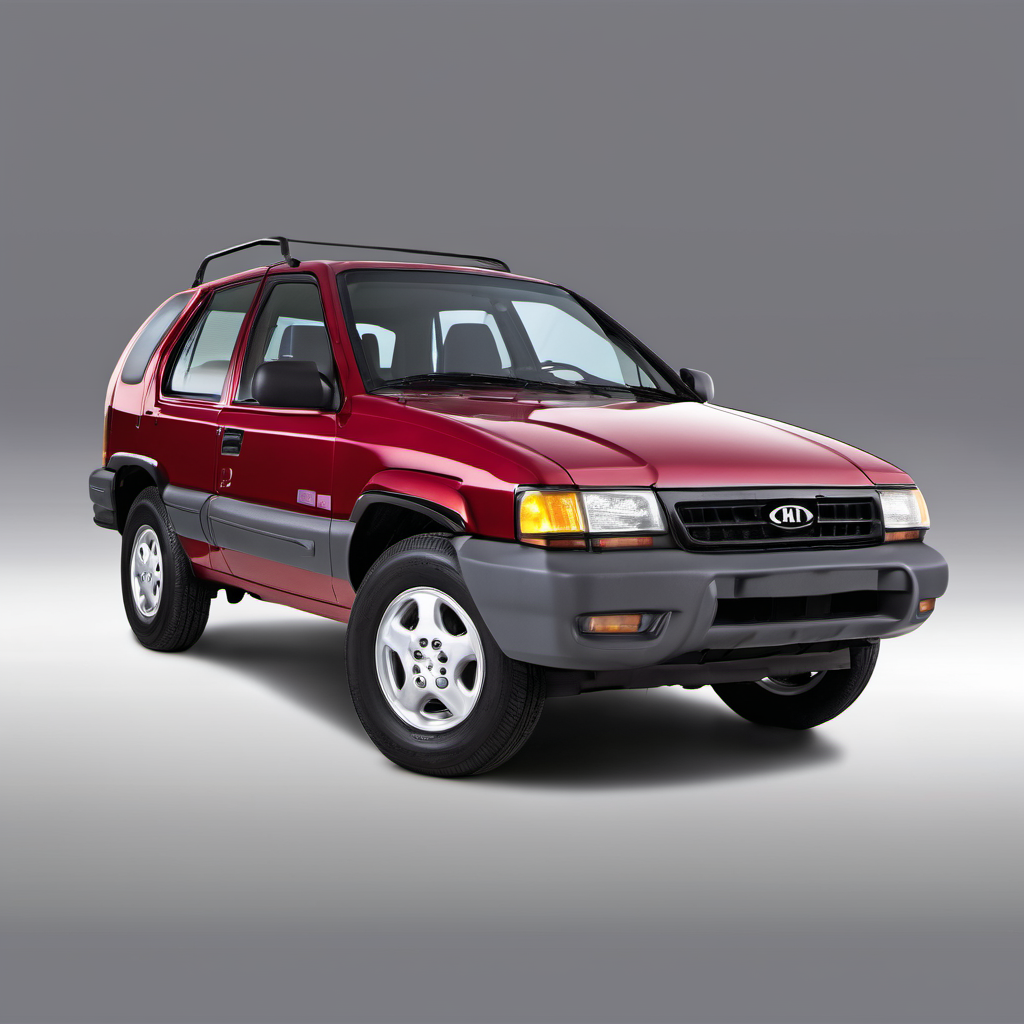
1995 Kia
SUV
The 1995 Kia Sportage was Kia's first real attempt at the compact SUV market in North America, arriving at a time when the segment was exploding in popularity. Built on a body-on-frame platform with a 2.0L four-cylinder, it was positioned as a budget-friendly alternative to the Suzuki Sidekick and similar small off-roaders. It offered basic 4WD capability and decent ground clearance for the price, but cut corners in refinement, long-term durability, and feature content compared to Japanese competitors. The first-generation Sportage (1995–2002) was assembled with mixed quality control, and the 1995 model year sits at the very beginning of that run — meaning early production tolerances, limited parts availability today, and a platform that hadn't been debugged by owner feedback yet. That said, for a low-speed trail truck, around-town runabout, or light farm/cabin use, these trucks have their fans. At nearly 30 years old, any surviving 1995 Sportage is a classic at this point. Parts can be difficult to source, rust is nearly universal on Wisconsin examples, and finding a mechanic familiar with the platform takes effort. Approach this vehicle as a project or novelty, not as reliable daily transportation.
The 1995 Kia Sportage was Kia's first real attempt at the compact SUV market in North America, arriving at a time when the segment was exploding in popularity. Built on a body-on-frame platform with a 2.0L four-cylinder, it was positioned as a budget-friendly alternative to the Suzuki Sidekick and similar small off-roaders. It offered basic 4WD capability and decent ground clearance for the price, but cut corners in refinement, long-term durability, and feature content compared to Japanese competitors. The first-generation Sportage (1995–2002) was assembled with mixed quality control, and the 1995 model year sits at the very beginning of that run — meaning early production tolerances, limited parts availability today, and a platform that hadn't been debugged by owner feedback yet. That said, for a low-speed trail truck, around-town runabout, or light farm/cabin use, these trucks have their fans. At nearly 30 years old, any surviving 1995 Sportage is a classic at this point. Parts can be difficult to source, rust is nearly universal on Wisconsin examples, and finding a mechanic familiar with the platform takes effort. Approach this vehicle as a project or novelty, not as reliable daily transportation.
The 2.0L is an interference engine. A snapped belt means bent valves and a destroyed engine. On a 30-year-old vehicle, assume it's overdue unless you have paperwork.
Cooling system failure is the top killer on this engine. Old coolant becomes acidic and eats the water pump and head gasket. Inspect the radiator for cracks and the hoses for brittleness.
The transfer case on early Sportages is wear-prone. Fresh fluid extends its life significantly and gives early warning of metal contamination.
Wisconsin road salt is aggressive. Frame rails, floor pans, rocker panels, and brake lines are all rust targets. A structural rust failure makes the vehicle unsafe to drive.
Steel brake and fuel lines on a 30-year-old vehicle in a salt-belt state are a serious failure risk. A rusted-through brake line can cause sudden loss of braking.
Older engines with worn seals and gaskets benefit from shorter oil change intervals. Use a quality conventional or synthetic oil appropriate for the climate.
Cold Wisconsin winters are hard on batteries. A battery that passes a voltage test in summer can fail a load test and leave you stranded at -10°F. Clean terminals prevent no-start surprises.
Engage and disengage 4WD regularly to prevent the locking hubs and transfer case from seizing due to inactivity, especially before you need it in a snowstorm.
Always defer to the manufacturer's service manual for warranty-mandated intervals.
This is a cheap vehicle to buy but not necessarily cheap to own. Parts can be expensive or hard to find, and a single major repair (head gasket, transfer case, rust remediation) can easily exceed the vehicle's market value. Budget for surprises and treat any year with a clean bill of health as a bonus.
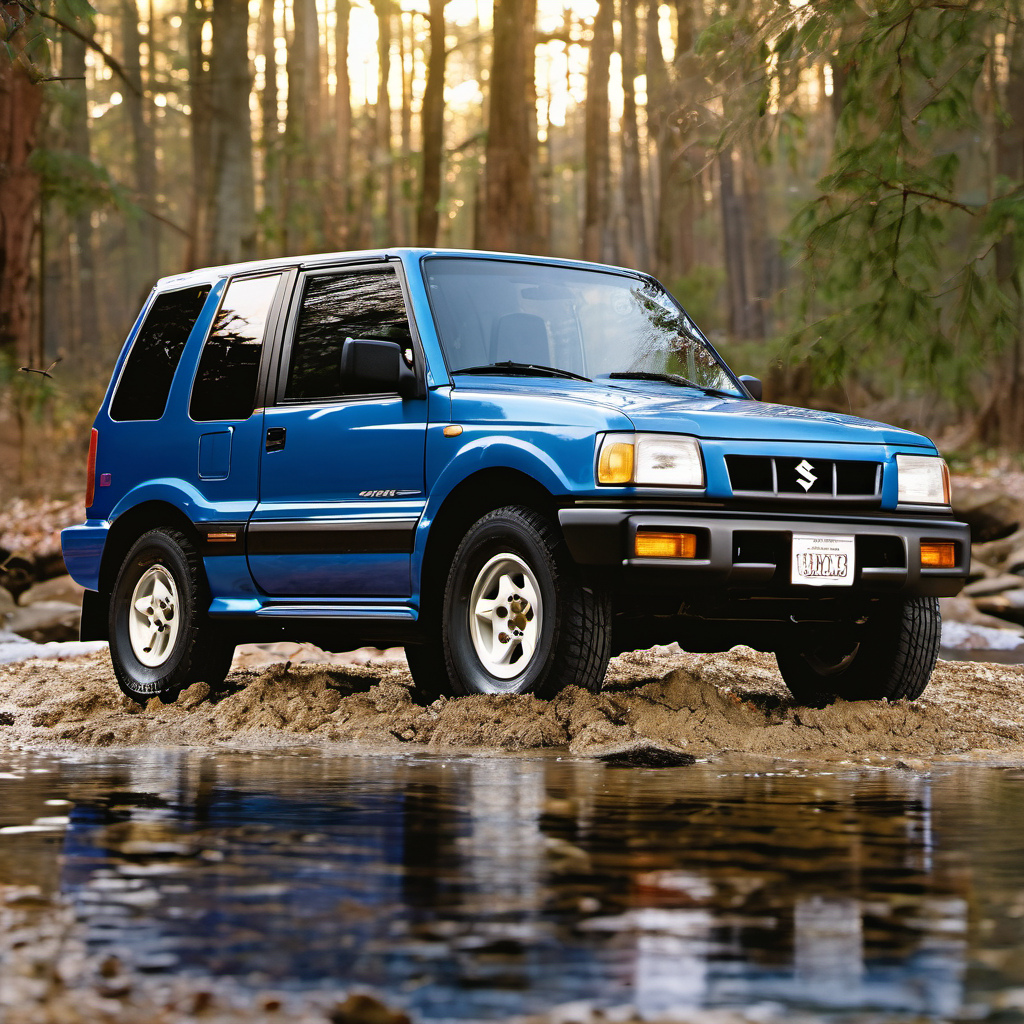
Direct competitor of the same era — similar size, price, part-time 4WD, and 4-cylinder engine. Generally considered more refined and with better parts availability today.
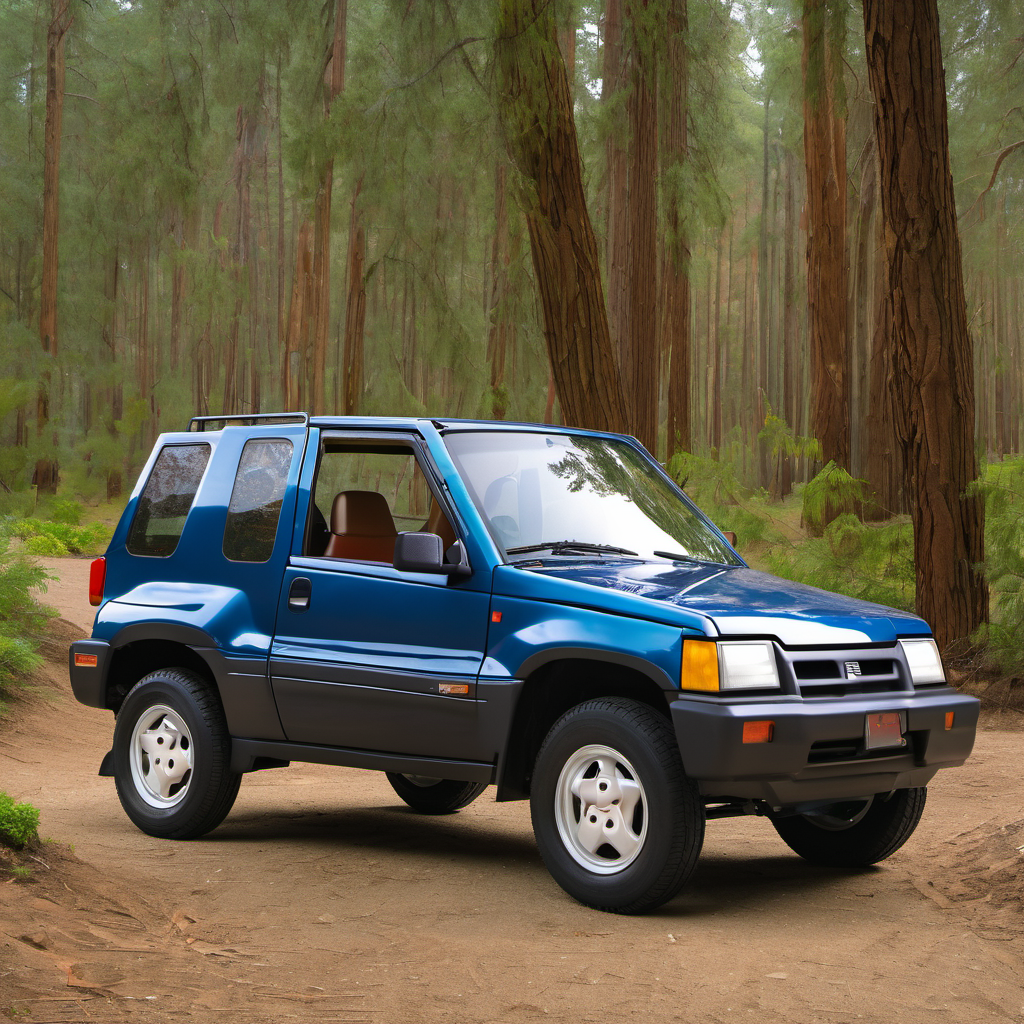
Badge-engineered twin to the Sidekick. Same platform, same strengths and weaknesses. Slightly cheaper to insure and parts are shared with Suzuki.
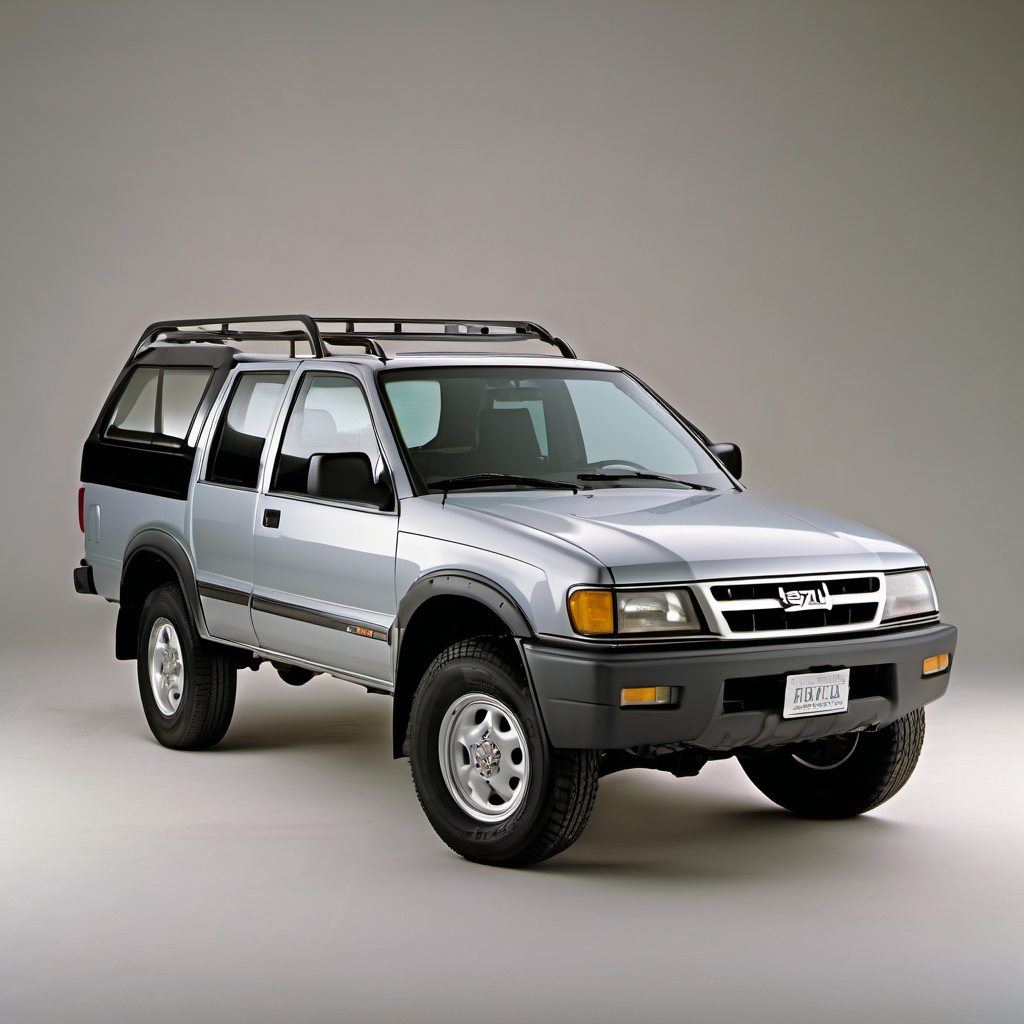
Compact body-on-frame SUV from the same era. Larger and more powerful, but similarly budget-oriented. Better long-term reliability reputation than the Sportage.
Not a direct contemporary, but if you want a similar-sized compact SUV with far better parts availability and reliability, a late-model Escape is the practical alternative to this 30-year-old platform.
No catalog match