Frame and floor pan rust
high- Typically appears
- Any mileage — age-dependent
- Estimated repair
- $500 – $3,500
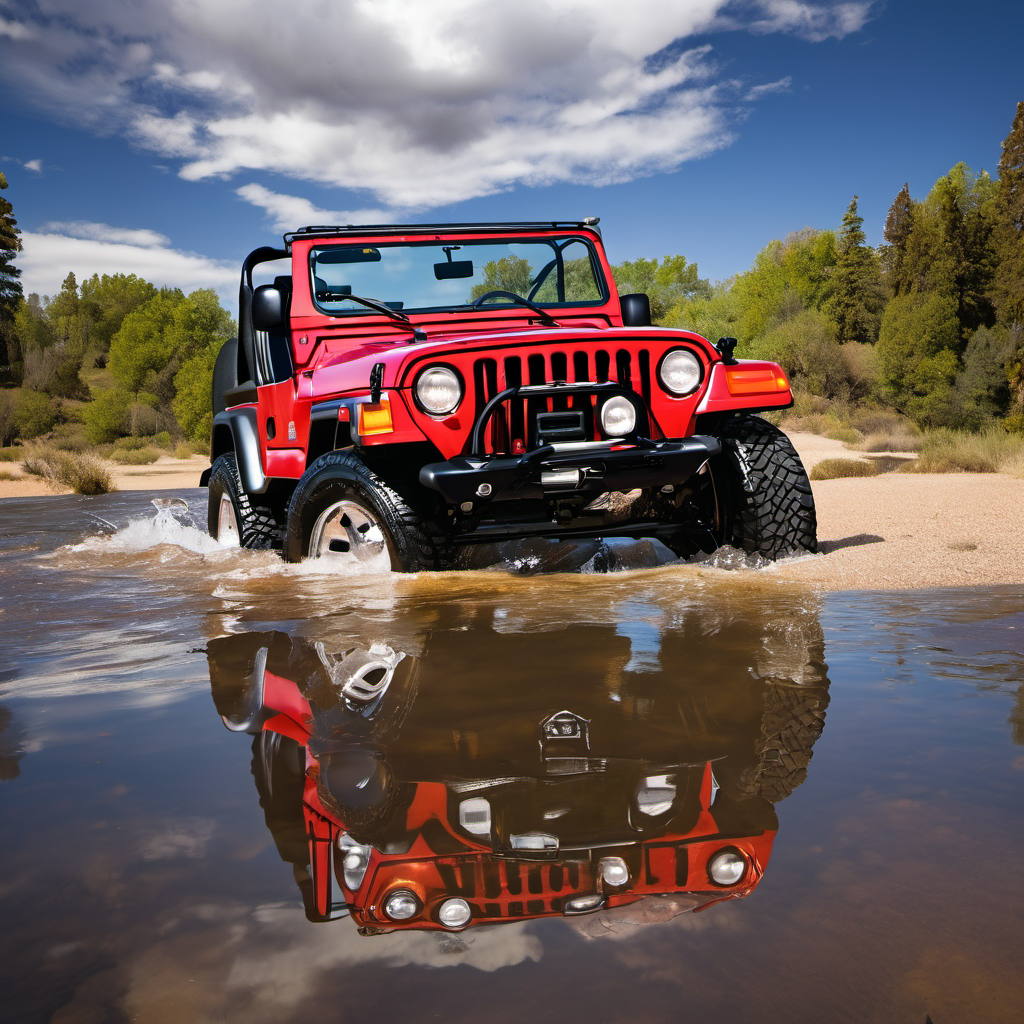
1995 Jeep
SUV
The 1995 Jeep Wrangler (YJ generation, last model year) is a purpose-built, body-on-frame off-road SUV that traces its DNA directly to the original military Jeep. It comes with a traditional solid front and rear axle setup, a part-time 4WD transfer case, and a no-frills interior designed more for durability than comfort. The YJ ran from 1987 through 1995, and the '95 is often considered the best of the generation — benefiting from years of refinement before the TJ took over in 1997. The base engine is the 2.5L four-cylinder (AMC/Renault-derived I4), while the popular upgrade is the 4.0L inline-six — one of the most celebrated engines Jeep ever built. Both are carbureted or throttle-body injected depending on trim. These trucks are mechanically simple, easy to work on at home or at an independent shop, and have an enormous aftermarket parts ecosystem. At 30 years old, any surviving YJ Wrangler needs to be evaluated as a used vehicle first and an icon second. Rust, worn soft-top hardware, and deferred maintenance are the primary concerns. The good news: these are among the most rebuildable vehicles ever made, and parts availability remains excellent.
The 1995 Jeep Wrangler (YJ generation, last model year) is a purpose-built, body-on-frame off-road SUV that traces its DNA directly to the original military Jeep. It comes with a traditional solid front and rear axle setup, a part-time 4WD transfer case, and a no-frills interior designed more for durability than comfort. The YJ ran from 1987 through 1995, and the '95 is often considered the best of the generation — benefiting from years of refinement before the TJ took over in 1997. The base engine is the 2.5L four-cylinder (AMC/Renault-derived I4), while the popular upgrade is the 4.0L inline-six — one of the most celebrated engines Jeep ever built. Both are carbureted or throttle-body injected depending on trim. These trucks are mechanically simple, easy to work on at home or at an independent shop, and have an enormous aftermarket parts ecosystem. At 30 years old, any surviving YJ Wrangler needs to be evaluated as a used vehicle first and an icon second. Rust, worn soft-top hardware, and deferred maintenance are the primary concerns. The good news: these are among the most rebuildable vehicles ever made, and parts availability remains excellent.
A 30-year-old engine with older seals benefits from more frequent oil changes. Use conventional 10W-30 unless the engine has high miles, in which case a high-mileage formula helps with seal conditioning.
Solid axle front ends wear faster than IFS setups, especially with off-road use. Loose steering is a safety issue and greasing zerk fittings regularly extends component life significantly.
YJ body mounts rust and loosen over time. Loose mounts cause rattles, misaligned doors, and soft-top fit problems. This is a cheap check that prevents expensive cascading issues.
Gear oil in the Dana 30 front, Dana 35 rear, and Command-Trac transfer case breaks down with age and moisture intrusion. Fresh fluid prevents gear and bearing wear.
Original rubber hoses on a 30-year-old engine are at high failure risk. A blown hose or stuck thermostat can overheat and warp the head quickly — cheap prevention vs. expensive repair.
Cold Wisconsin winters are hard on batteries. The YJ's simple electrical system is intolerant of weak charging. A corroded terminal on a marginal battery will leave you stranded at -10°F.
Soft-top bows and latches corrode and seize in Wisconsin winters. A seized latch in January is a miserable problem. Light lubrication twice a year keeps everything operating and sealing properly.
Brake lines on Midwest vehicles rust from the inside out due to salt exposure. On a 30-year-old Wrangler this is a critical safety check — a rusted brake line failure at speed is catastrophic.
Always defer to the manufacturer's service manual for warranty-mandated intervals.
A 1995 YJ Wrangler is one of the lower-cost vehicles to maintain if you stay ahead of issues. Parts are cheap and plentiful, and most jobs are DIY-friendly. The wildcard is rust remediation — a truck with serious frame or floor pan rust can run up $1,500–$4,000+ in bodywork that most owners don't budget for. Buy a clean truck up front and annual costs stay reasonable. Defer maintenance on a rusty one and it compounds fast.
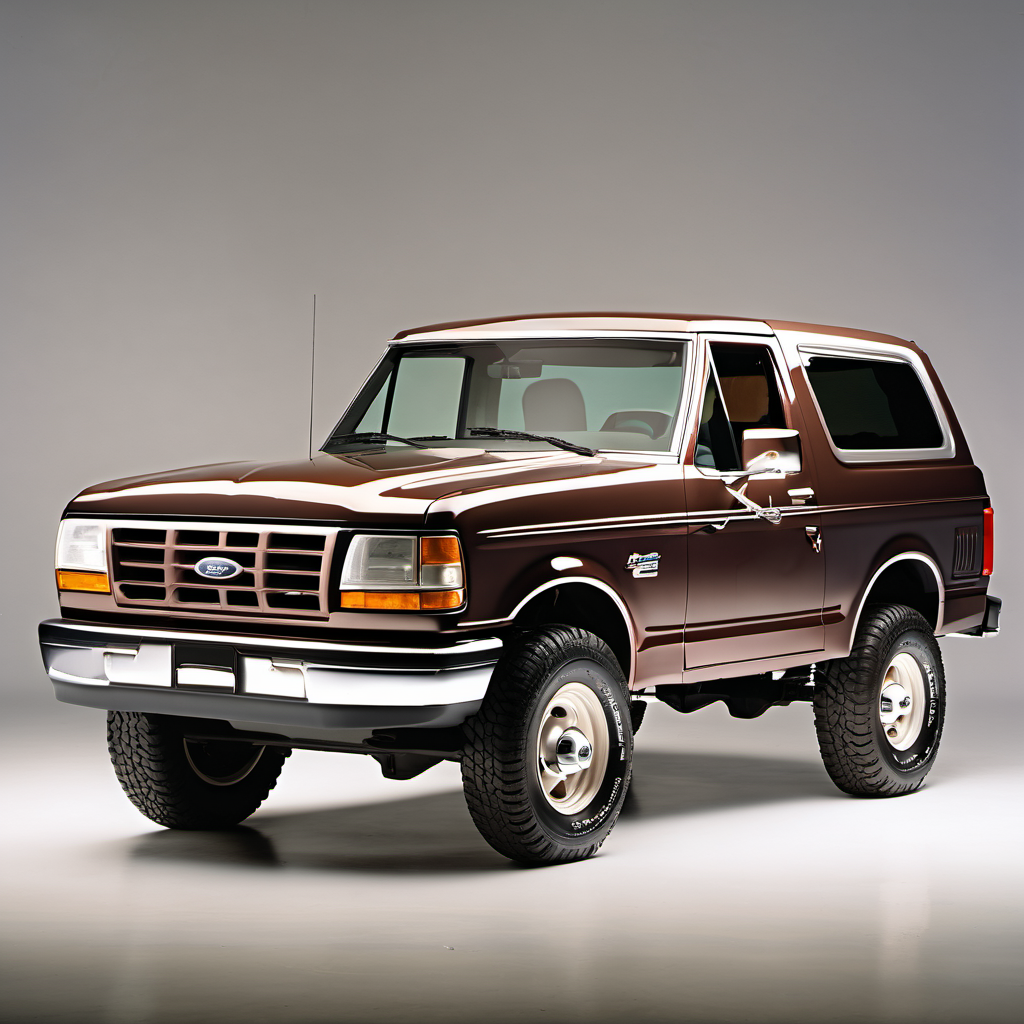
Full-size competitor with body-on-frame construction and solid axles. Bigger and more powerful but less nimble on the trail. Similar rust concerns in the Midwest.
Serious off-road capability with a much stronger reputation for long-term reliability. More expensive to buy and maintain, but a better choice if you want a daily driver that also trails.
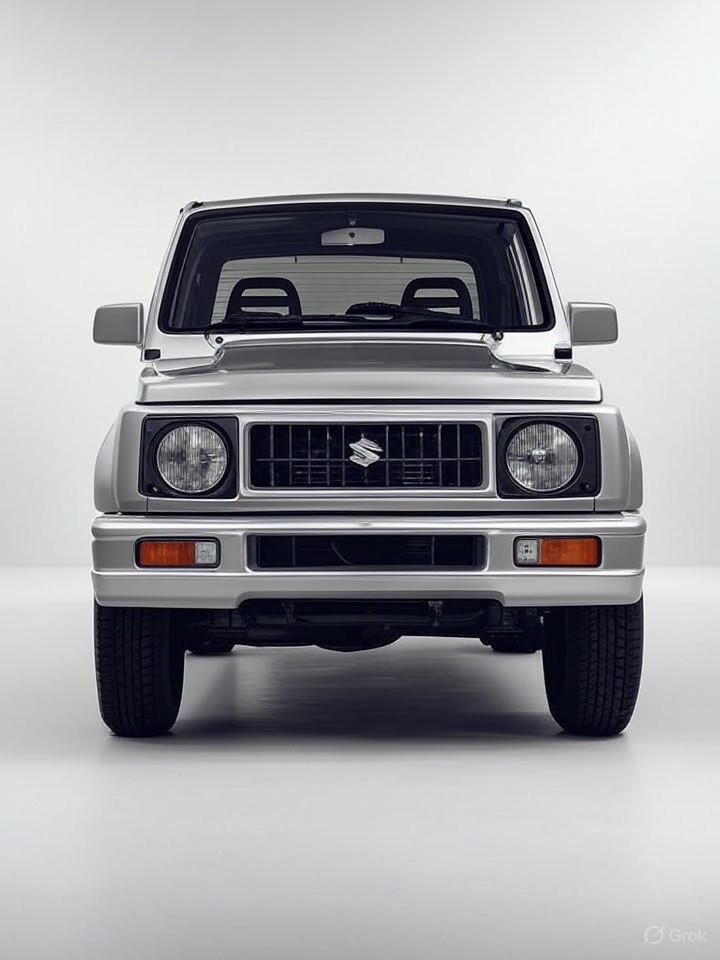
Smaller, lighter, and similarly capable on tight trails. Even simpler mechanically than the YJ, but stability concerns and much less occupant protection.
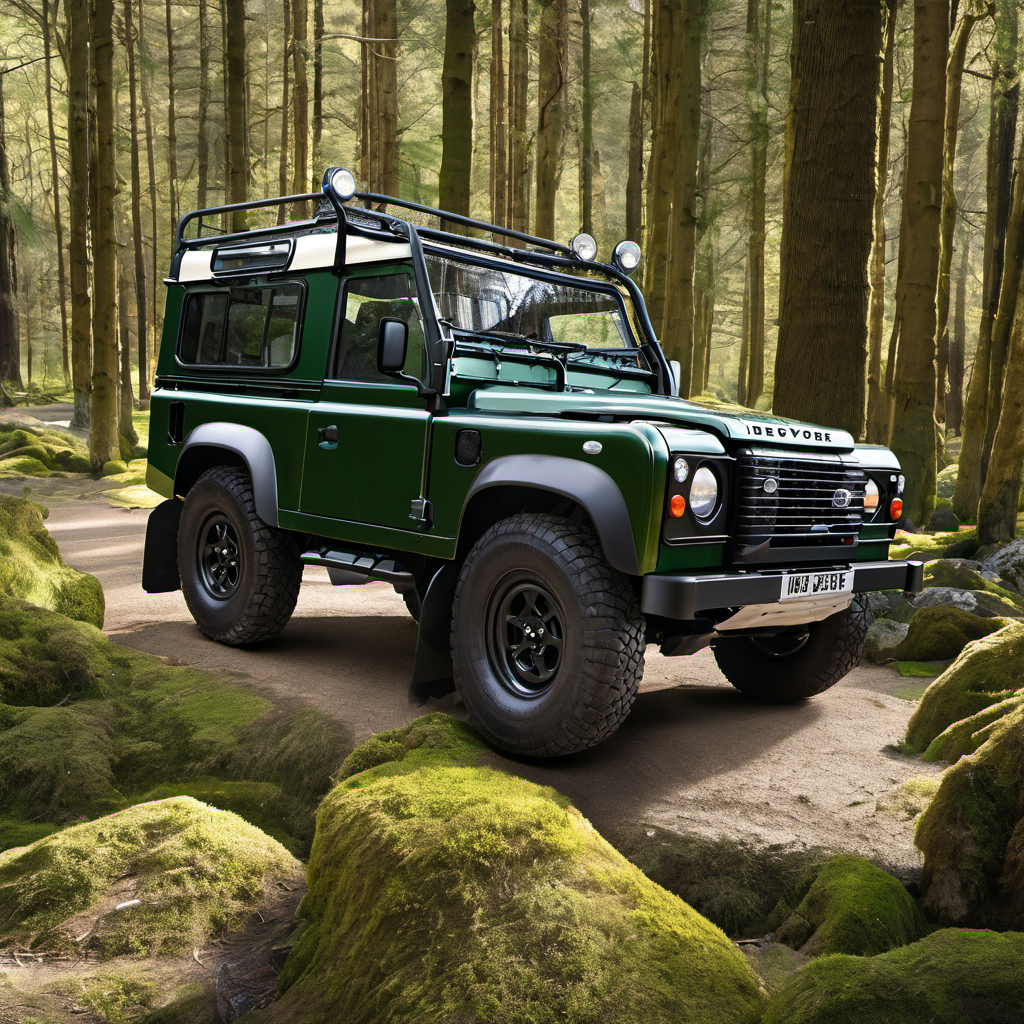
British analog with comparable off-road DNA and similar body-on-frame simplicity. Excellent capability but parts availability and repair costs are significantly higher than the Wrangler.