Rocker Panel and Floor Pan Rust
high- Typically appears
- All mileages on salt-belt vehicles
- Estimated repair
- $500 – $4,000
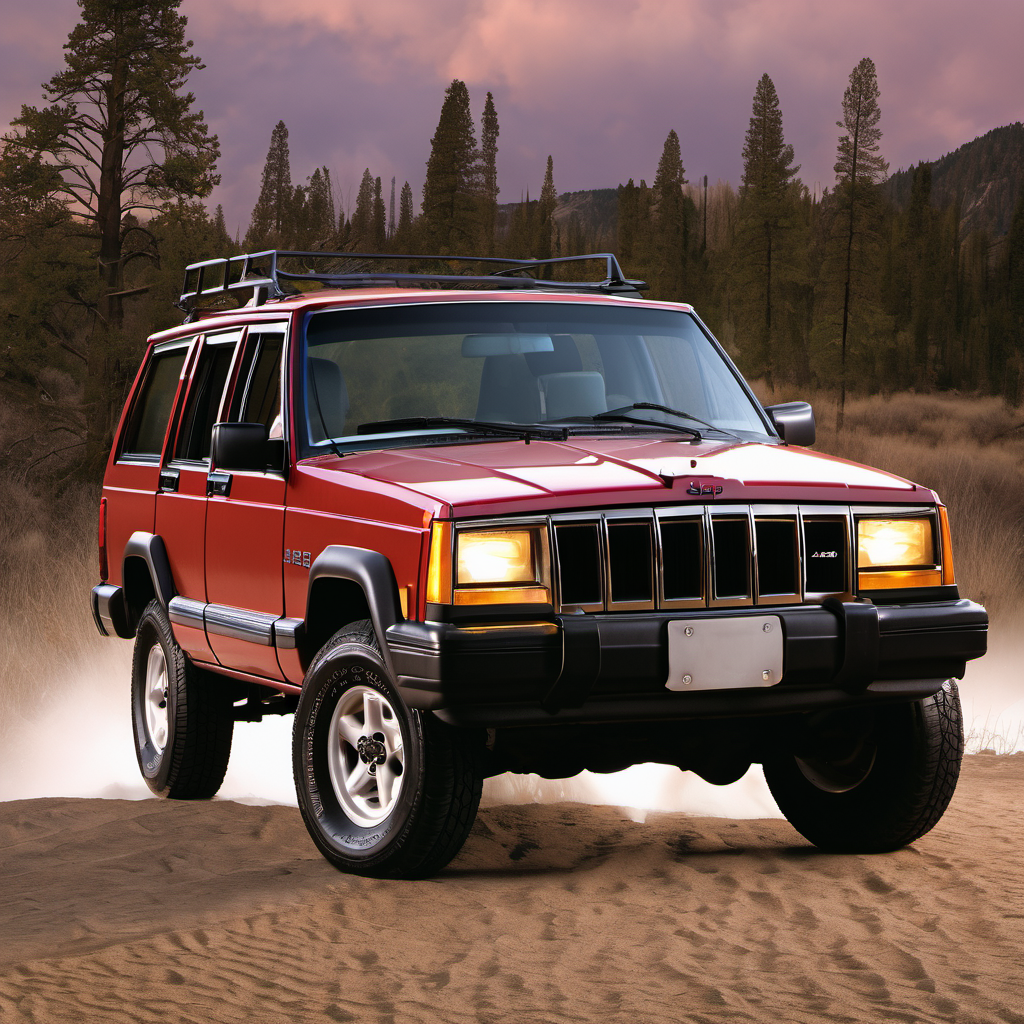
1995 Jeep
SUV
The 1995 Jeep Cherokee (XJ) is a compact, body-on-frame SUV that earned a devoted following for its rugged simplicity and genuine off-road capability. Built on the long-running XJ platform (1984–2001), it was one of the first compact SUVs that could handle serious trail work without sacrificing daily-driver usability. At 30 years old, the examples on the road today are survivor vehicles — most are either well-loved daily drivers or ongoing project rigs. The 2.5L four-cylinder version is the base powertrain. It's adequate for light-duty use and returns slightly better fuel economy than the 4.0L I6, but it's noticeably underpowered when loaded, towing, or climbing grades. Most enthusiasts prefer the 4.0L if given the choice, so 2.5L XJs are often priced lower. That said, both engines share the same legendary XJ bones. At this age, condition varies enormously. Rust — especially on the unibody rocker panels, floor pans, and rear quarter seams — is the single biggest threat to longevity. A solid, rust-free XJ is worth preserving; a heavily rusted one may not be economical to repair. Mechanical parts are cheap and widely available, which keeps ownership costs reasonable for a hands-on owner.
The 1995 Jeep Cherokee (XJ) is a compact, body-on-frame SUV that earned a devoted following for its rugged simplicity and genuine off-road capability. Built on the long-running XJ platform (1984–2001), it was one of the first compact SUVs that could handle serious trail work without sacrificing daily-driver usability. At 30 years old, the examples on the road today are survivor vehicles — most are either well-loved daily drivers or ongoing project rigs. The 2.5L four-cylinder version is the base powertrain. It's adequate for light-duty use and returns slightly better fuel economy than the 4.0L I6, but it's noticeably underpowered when loaded, towing, or climbing grades. Most enthusiasts prefer the 4.0L if given the choice, so 2.5L XJs are often priced lower. That said, both engines share the same legendary XJ bones. At this age, condition varies enormously. Rust — especially on the unibody rocker panels, floor pans, and rear quarter seams — is the single biggest threat to longevity. A solid, rust-free XJ is worth preserving; a heavily rusted one may not be economical to repair. Mechanical parts are cheap and widely available, which keeps ownership costs reasonable for a hands-on owner.
Older engines with worn seals and high mileage benefit from shorter intervals. Conventional oil maintains better seal compatibility than full synthetic on high-mileage engines.
Coolant degrades and becomes acidic, accelerating corrosion inside the cooling system. All coolant hoses should be inspected and replaced if soft, cracked, or swollen — they are 30 years old and failures cause overheating.
XJ front-end components — track bar, tie rods, ball joints, and drag link — wear and allow slop that leads to dangerous 'death wobble' at highway speeds. Grease fittings if equipped; replace worn parts promptly.
Wisconsin road salt is the XJ's worst enemy. Catching rust early — before it penetrates structural metal — is far cheaper than repair. Apply rust encapsulant to bare spots immediately.
These units are well past any factory-fresh service life. Fresh fluid reduces wear and helps identify seal leaks before they become failures.
Rubber belts become brittle with age. A belt failure leaves you stranded and can cause secondary engine damage. At 30 years old, replace if history is unknown.
Cold cranking a 2.5L in sub-zero temps stresses any battery. A battery over 4 years old should be load-tested — don't wait for a no-start at -10°F.
Brake fluid absorbs moisture over time, lowering its boiling point and accelerating internal corrosion in calipers and wheel cylinders — a particular concern on older vehicles.
Always defer to the manufacturer's service manual for warranty-mandated intervals.
The XJ Cherokee is one of the most affordable capable SUVs to own — if it's rust-free and mechanically sound. Parts are cheap and plentiful, and independent shops know this platform well. The wildcard is rust repair: a moderate rust job can easily cost more than the vehicle is worth. Budget accordingly and do a thorough undercarriage inspection before any purchase or before committing to major work.
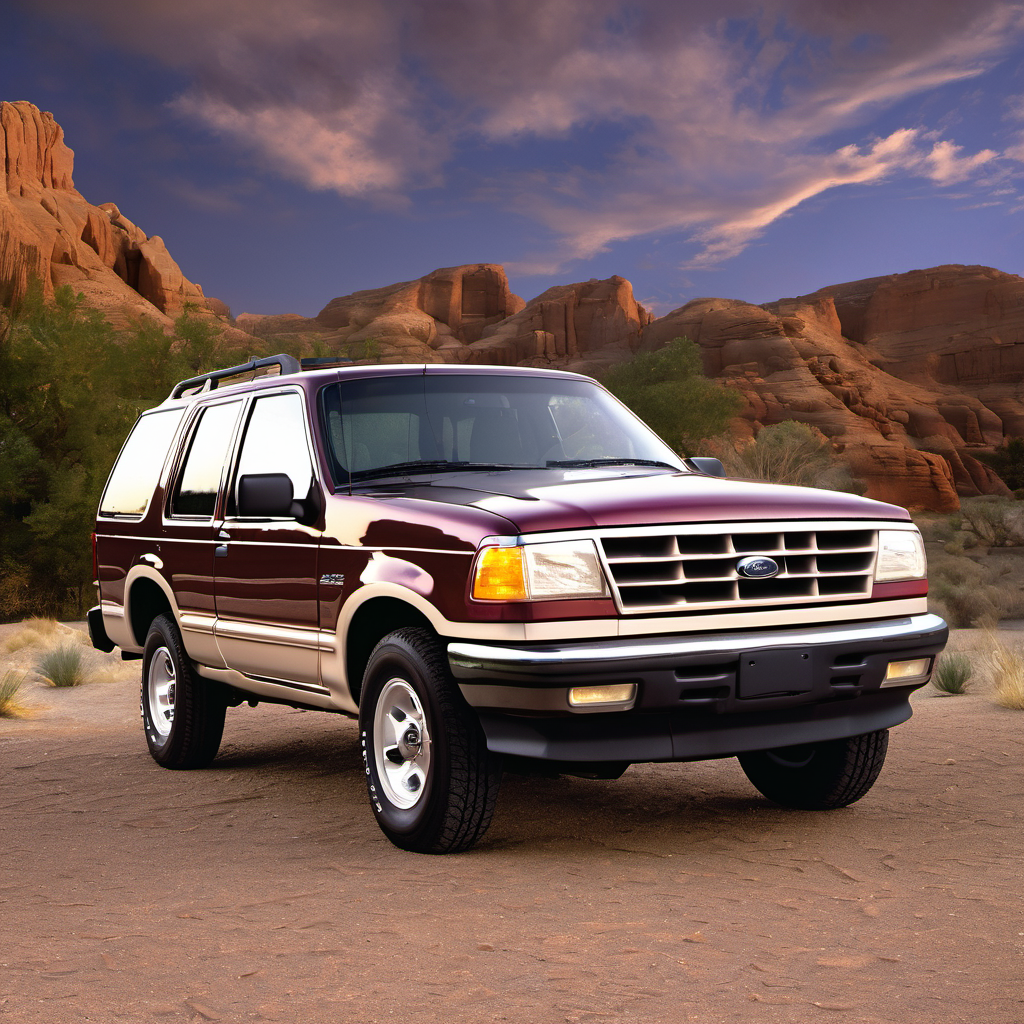
Same era compact SUV, similar price range, more interior room but heavier and less capable off-road. Better supported for parts availability.
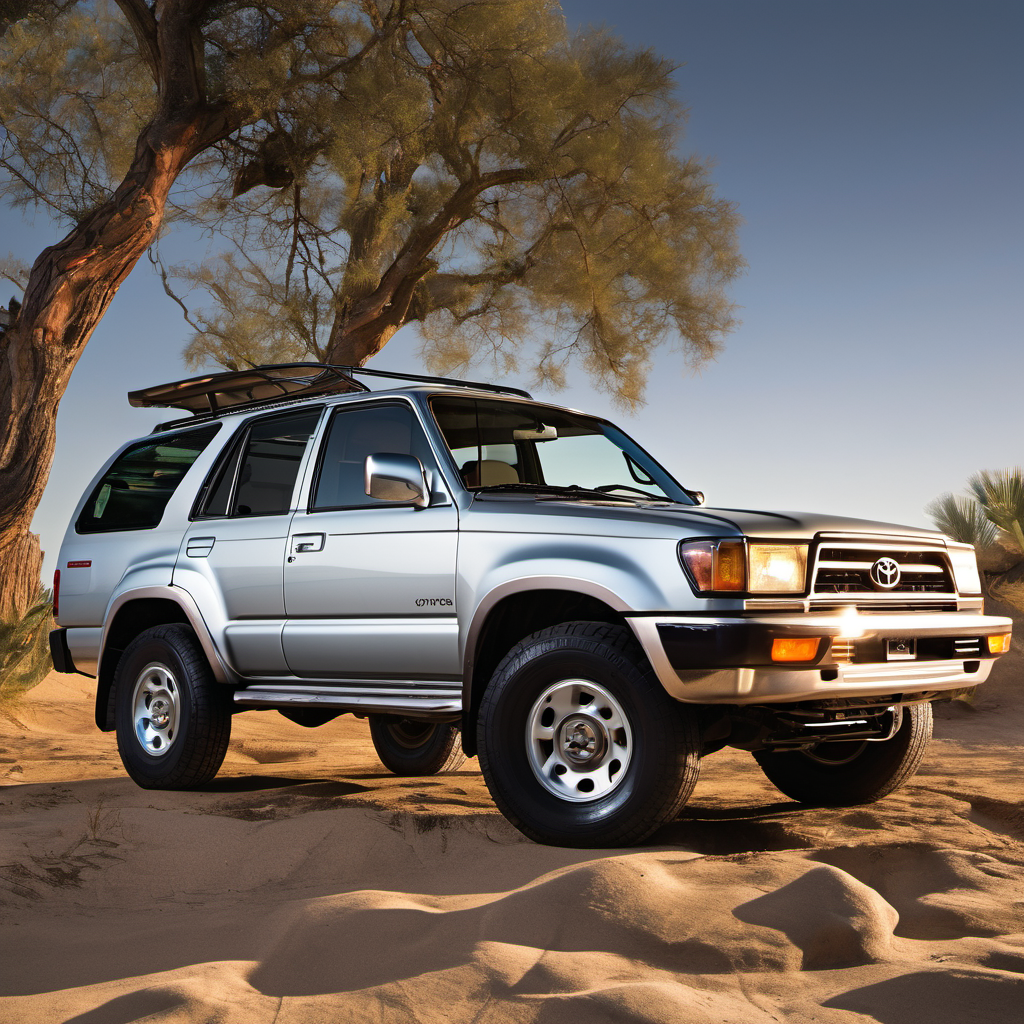
Similar compact SUV segment and off-road mission. Generally considered more reliable long-term but commands a higher price for rust-free examples.
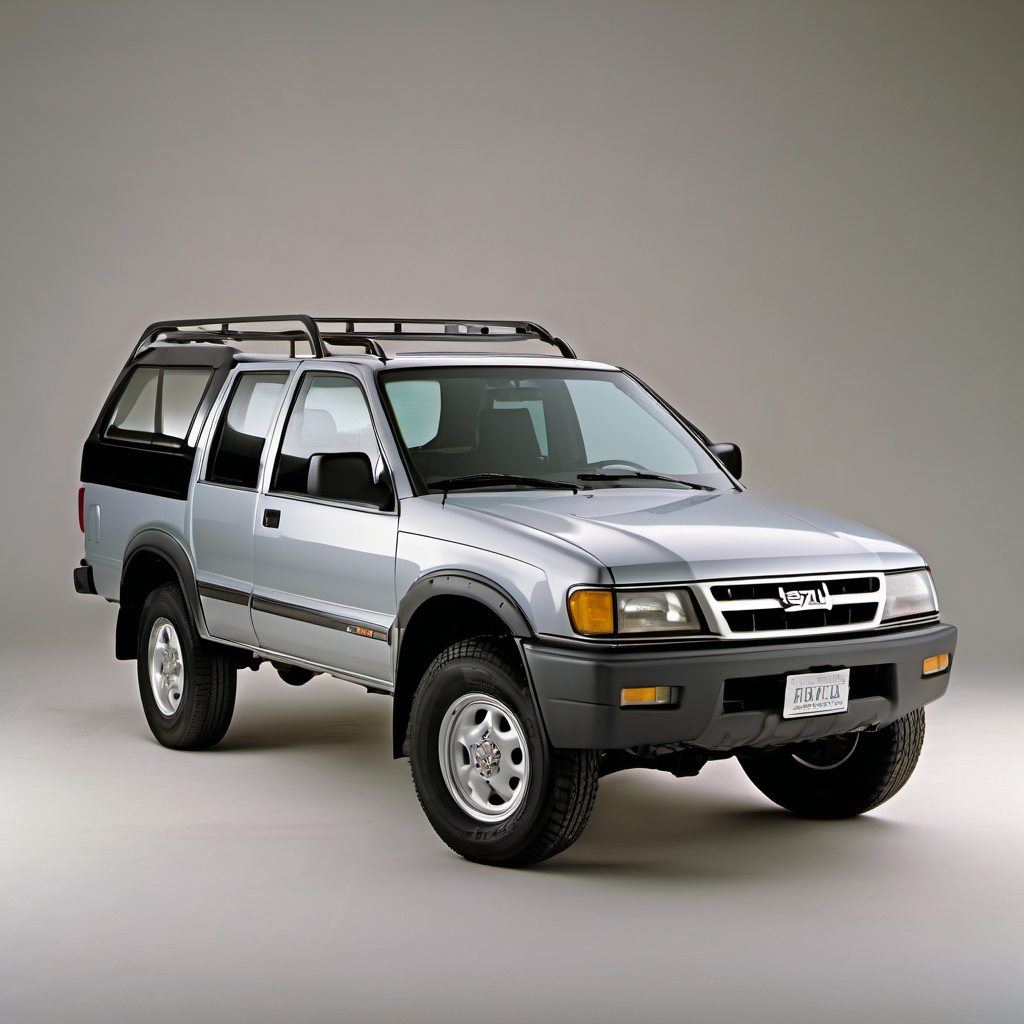
Comparable compact SUV from the same era at similar price points. Less off-road focused but similar daily-driver role.
Direct competitor in the compact SUV segment — similar size, era, and price. Shares the salt-belt rust concerns of any Midwest survivor vehicle.
No catalog match