Rust on underbody, floor pans, and subframe
high- Typically appears
- All mileages — age-driven
- Estimated repair
- $500 – $4,000
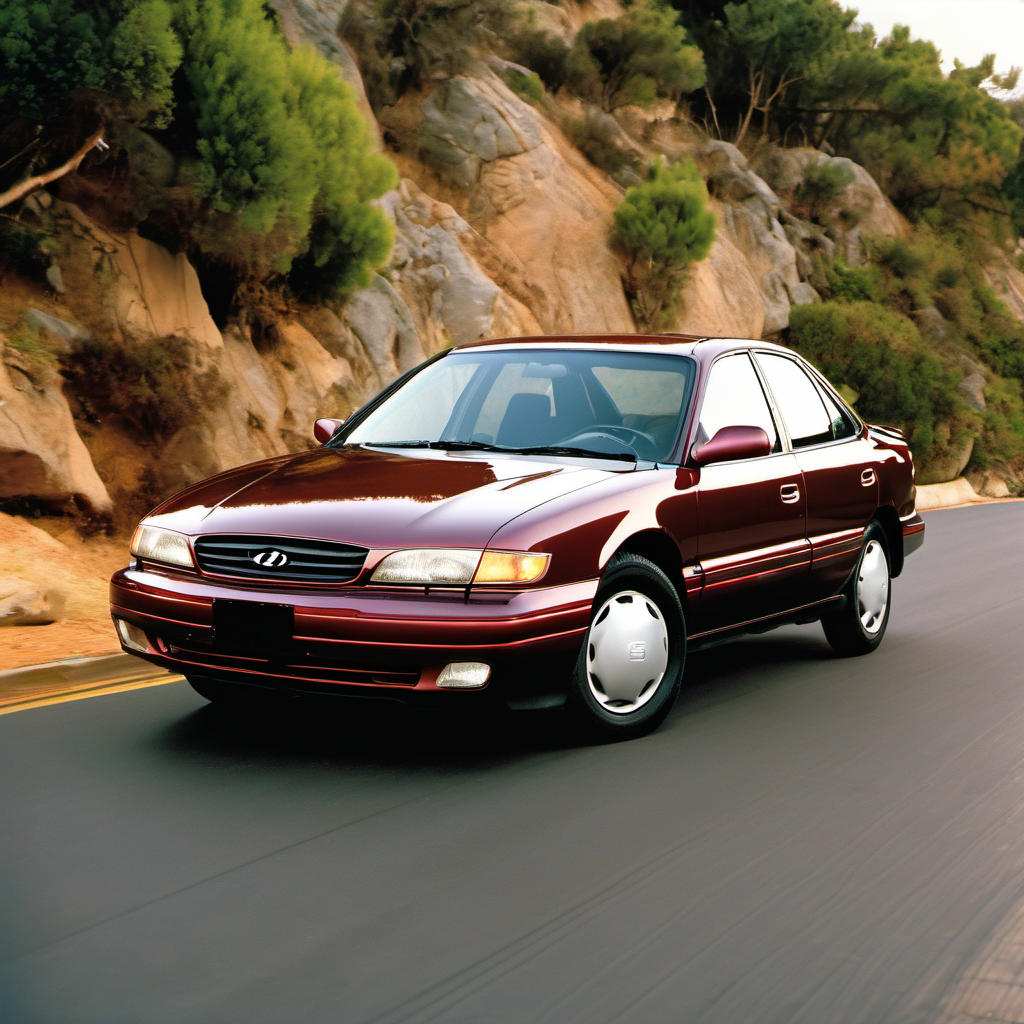
1995 Hyundai
Sedan
The 1995 Hyundai Sonata is a second-generation (Y2) mid-size front-wheel-drive sedan that represented Hyundai's push into more mainstream family-car territory. Offered with either a 2.0L four-cylinder or an optional 3.0L V6, it competed with the Toyota Camry and Honda Accord at a significantly lower price point. By the mid-'90s, Hyundai quality had improved from the rocky Excels of the '80s but was still catching up to Japanese competitors — these cars were reliable enough for daily use but required more attentiveness to maintenance than their rivals. The 2.0L MPFI four-cylinder is the bread-and-butter engine in this generation and is reasonably robust when oil changes are kept current. The four-speed automatic transmission that most were sold with is adequate but not particularly strong under hard use or neglect. Parts availability has thinned considerably over the past decade as the car aged out of the mainstream. At 30 years old, any surviving 1995 Sonata is a well-worn daily driver or a hobbyist's project. Rust — especially in the upper Midwest — is the primary concern on any example you look at today. Budget accordingly for unexpected repairs, and treat every purchase as a used-car gamble rather than a known quantity.
The 1995 Hyundai Sonata is a second-generation (Y2) mid-size front-wheel-drive sedan that represented Hyundai's push into more mainstream family-car territory. Offered with either a 2.0L four-cylinder or an optional 3.0L V6, it competed with the Toyota Camry and Honda Accord at a significantly lower price point. By the mid-'90s, Hyundai quality had improved from the rocky Excels of the '80s but was still catching up to Japanese competitors — these cars were reliable enough for daily use but required more attentiveness to maintenance than their rivals. The 2.0L MPFI four-cylinder is the bread-and-butter engine in this generation and is reasonably robust when oil changes are kept current. The four-speed automatic transmission that most were sold with is adequate but not particularly strong under hard use or neglect. Parts availability has thinned considerably over the past decade as the car aged out of the mainstream. At 30 years old, any surviving 1995 Sonata is a well-worn daily driver or a hobbyist's project. Rust — especially in the upper Midwest — is the primary concern on any example you look at today. Budget accordingly for unexpected repairs, and treat every purchase as a used-car gamble rather than a known quantity.
Older engine seals and wear clearances benefit from more frequent oil changes. Sludge buildup is the leading cause of premature wear on this engine.
Rubber hoses this old are past their service life. A burst hose on a Wisconsin winter morning will leave you stranded and can cause rapid overheating.
The 2.0L is an interference engine. A broken timing belt destroys the engine. Verify replacement history; if unknown, replace immediately.
Road salt in Wisconsin attacks steel brake lines aggressively on cars this age. A rusted-through line is a catastrophic safety failure.
Cold-cranking amps drop sharply in sub-zero temps. A weak battery that starts fine in October will fail in January.
Cracked CV boots allow grease to escape and grit to enter, leading to axle failure. Catching a torn boot early is a $60 fix vs. a $300+ axle replacement.
A clogged fuel filter stresses the fuel pump, which is expensive to replace. Filters are cheap insurance on a 30-year-old fuel system.
Lake Geneva roads are salted heavily. Catching new rust before it reaches the subframe or brake lines keeps repair costs manageable.
Always defer to the manufacturer's service manual for warranty-mandated intervals.
The 1995 Sonata is cheap to insure and cheap to fuel, but maintenance costs are unpredictable on a 30-year-old car. A lucky, rust-free example with fresh fluids and belts might cost you $600–$800 a year in routine upkeep. A car with deferred maintenance or active rust can quickly run $2,000+ in a single season. Get a pre-purchase inspection from an independent shop before buying.
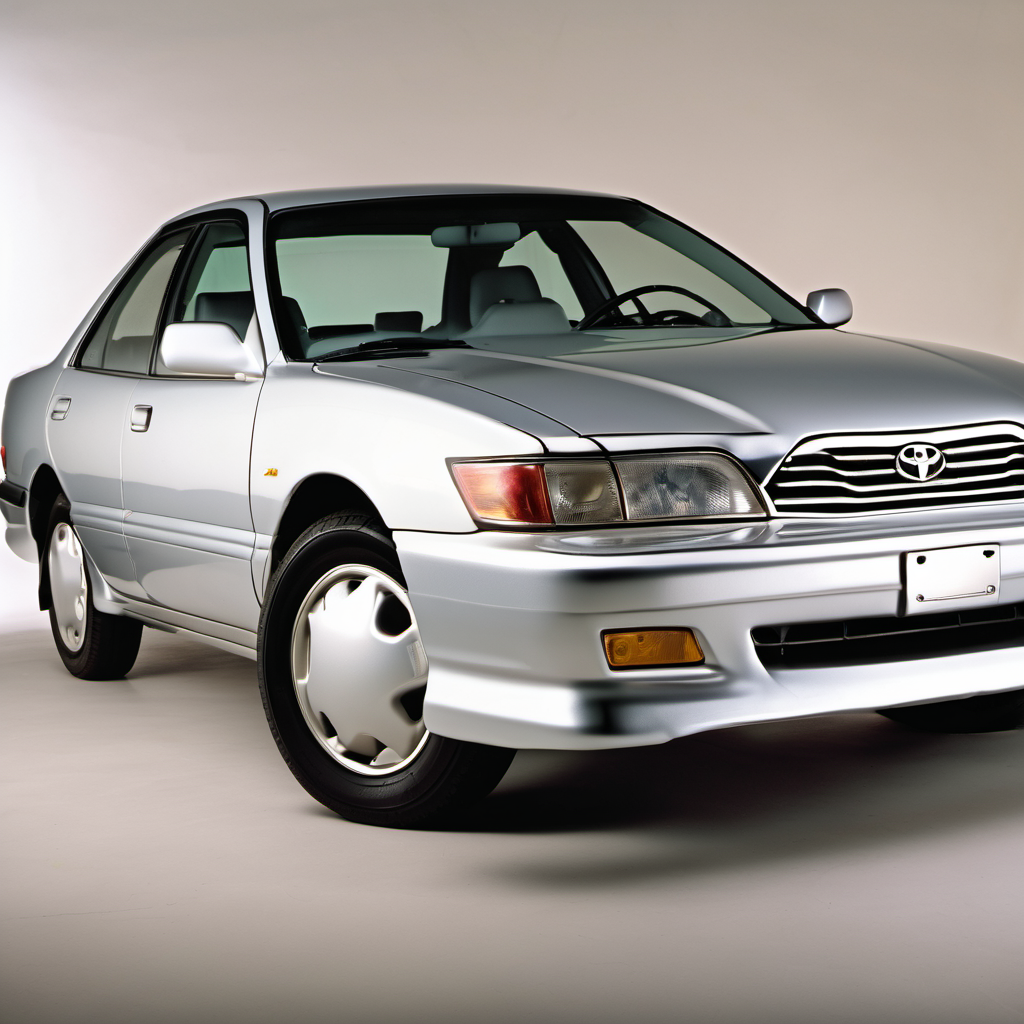
Same mid-size FWD sedan segment and era; significantly more reliable and rust-resistant, with far better parts availability, but commands a much higher price for comparable condition.
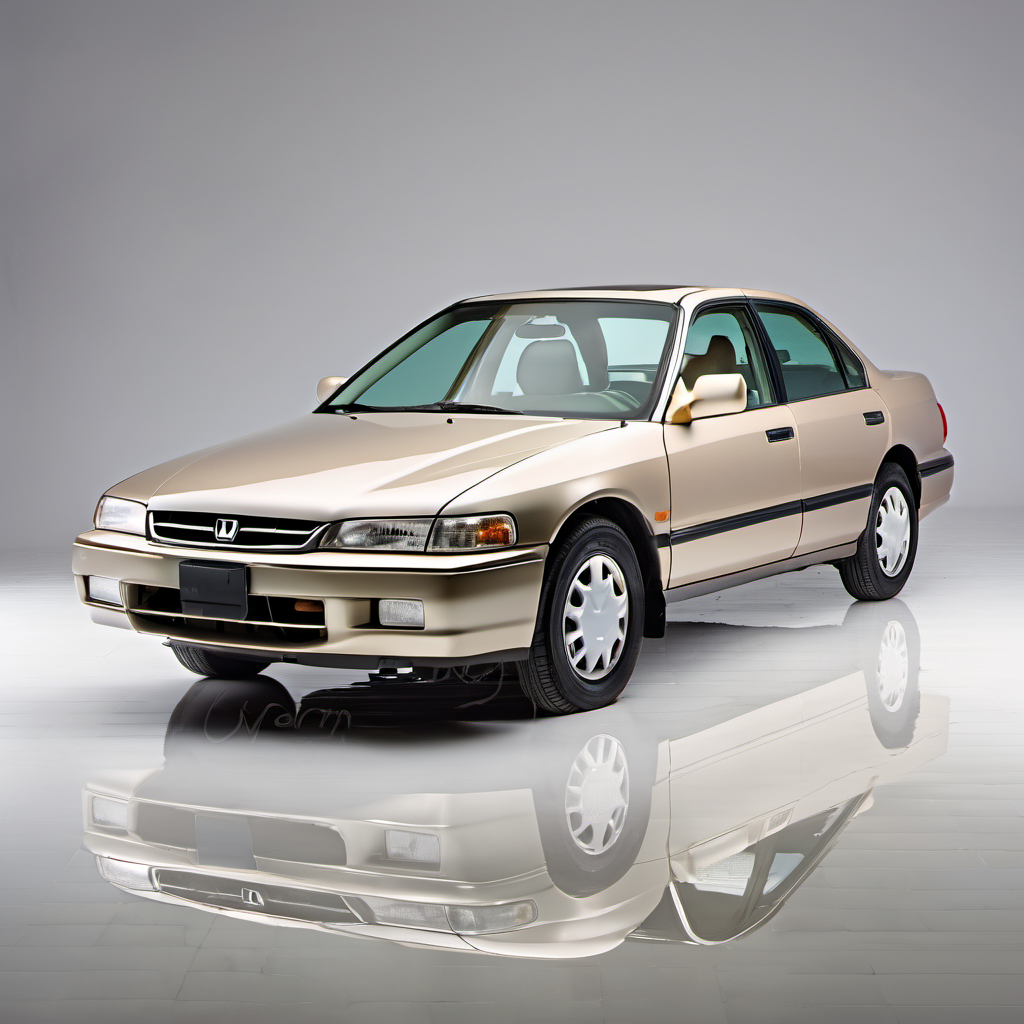
Direct competitor in the affordable mid-size sedan class; better long-term reliability reputation and stronger owner community, though also harder to find rust-free in the Midwest.
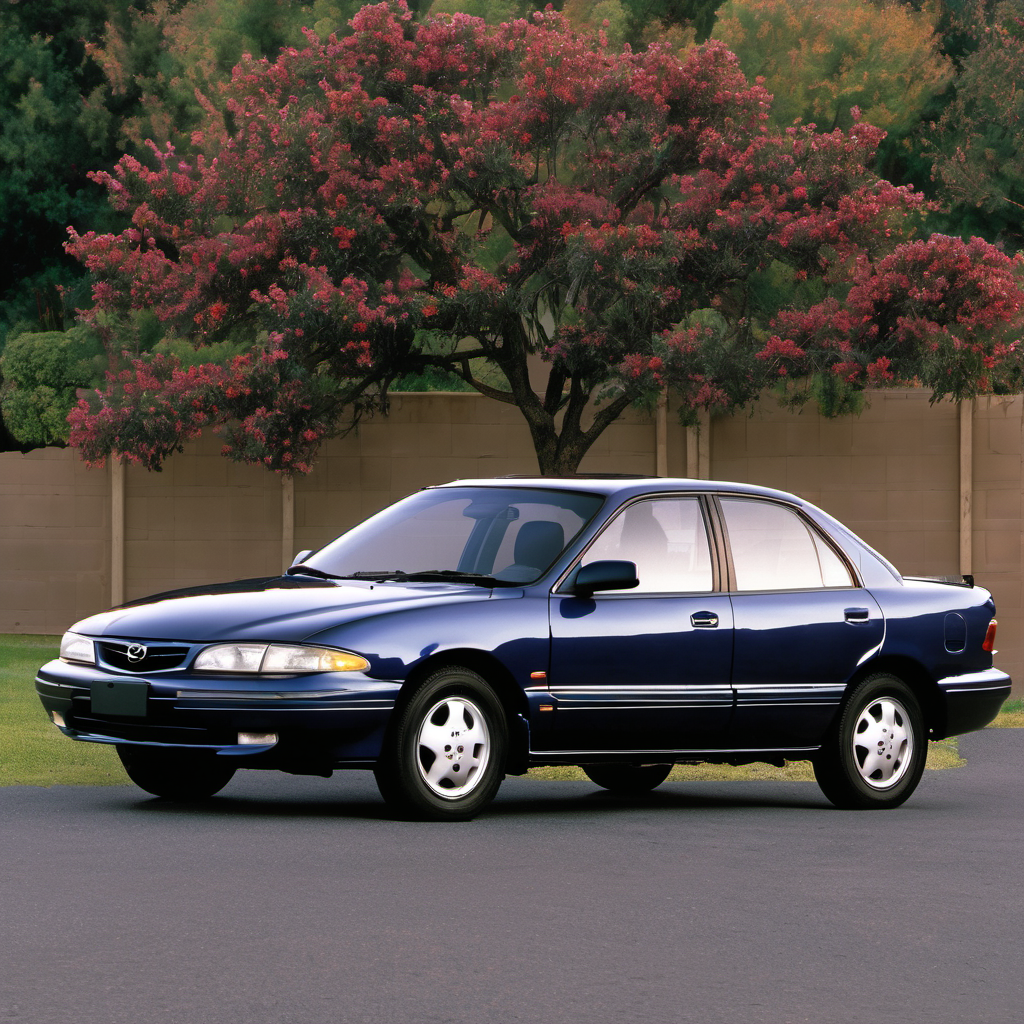
Similar FWD mid-size platform, comparable price and mission; shares the same era's budget-sedan tradeoffs but has a slightly stronger reliability record.
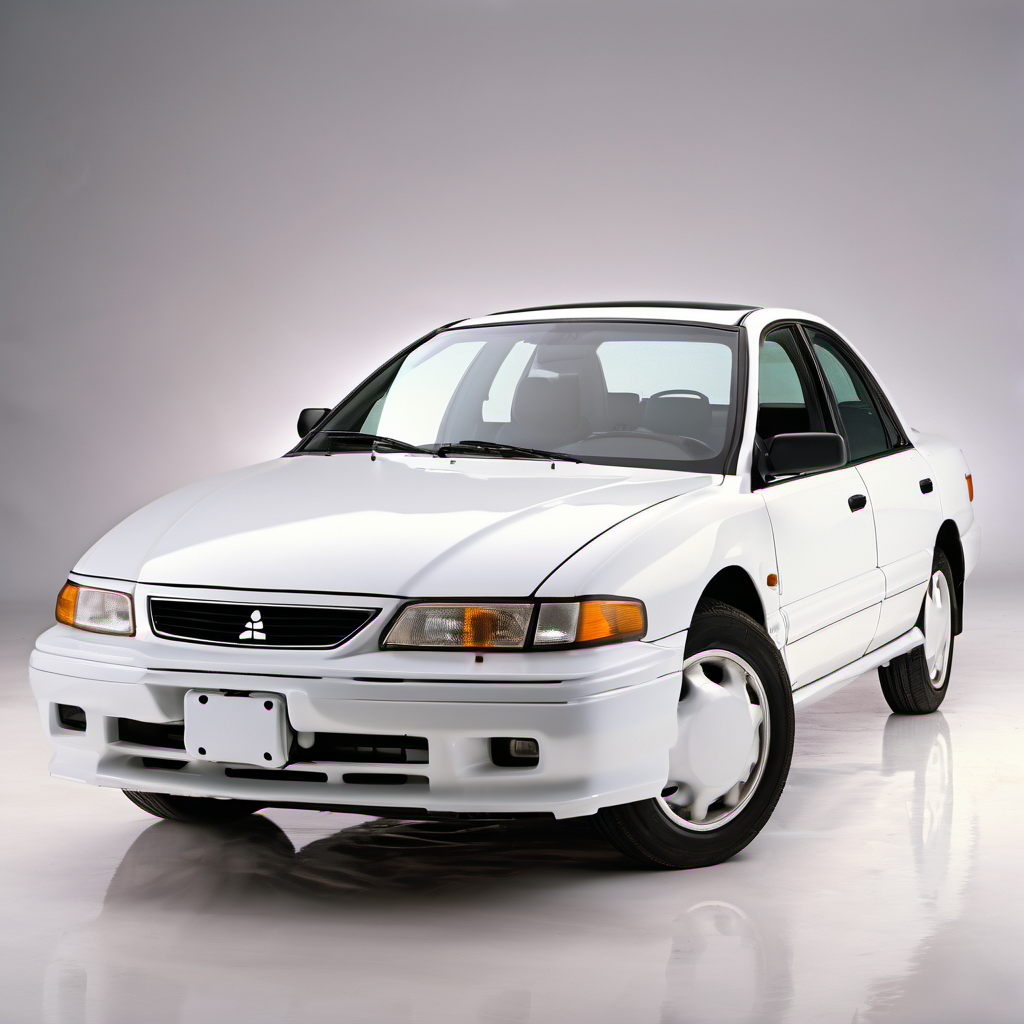
Near-identical price point and market positioning as the Sonata; comparable reliability, similarly scarce parts at this age, and a close apples-to-apples alternative.