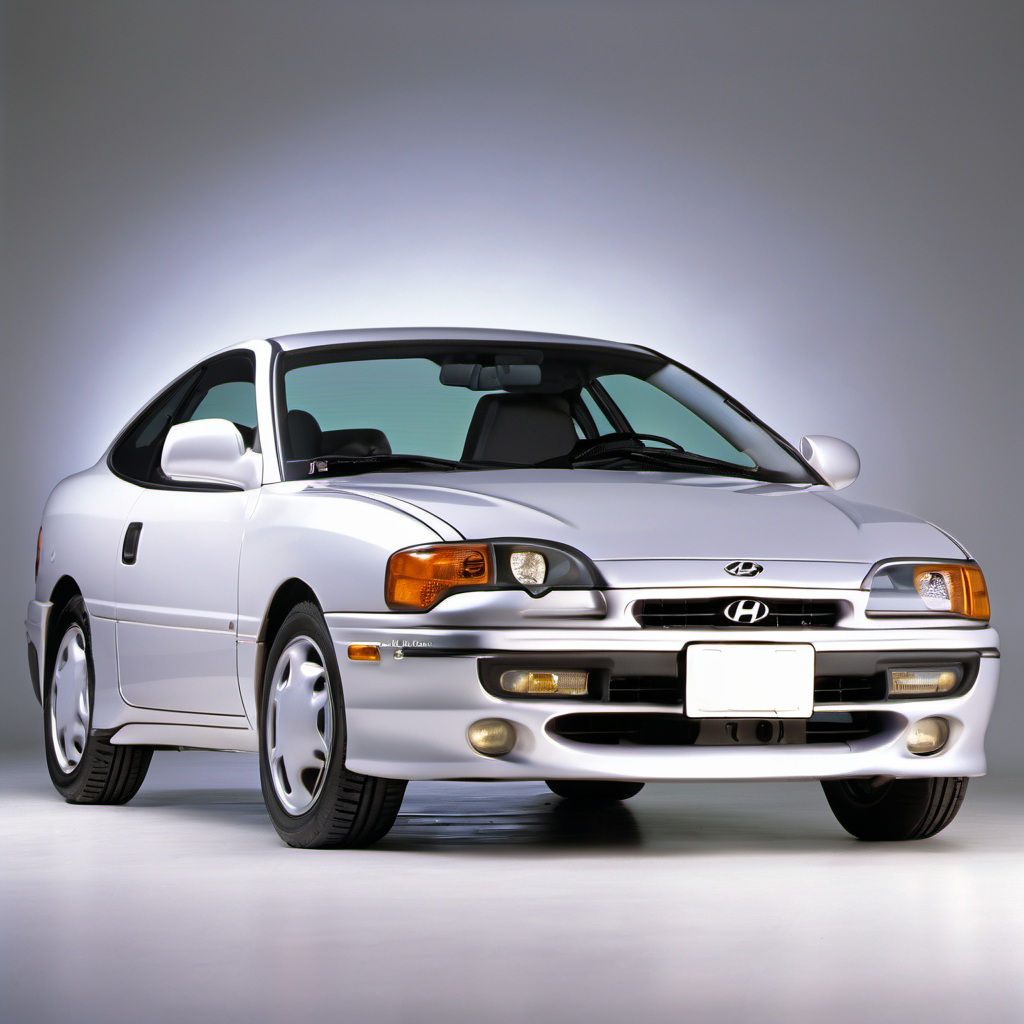
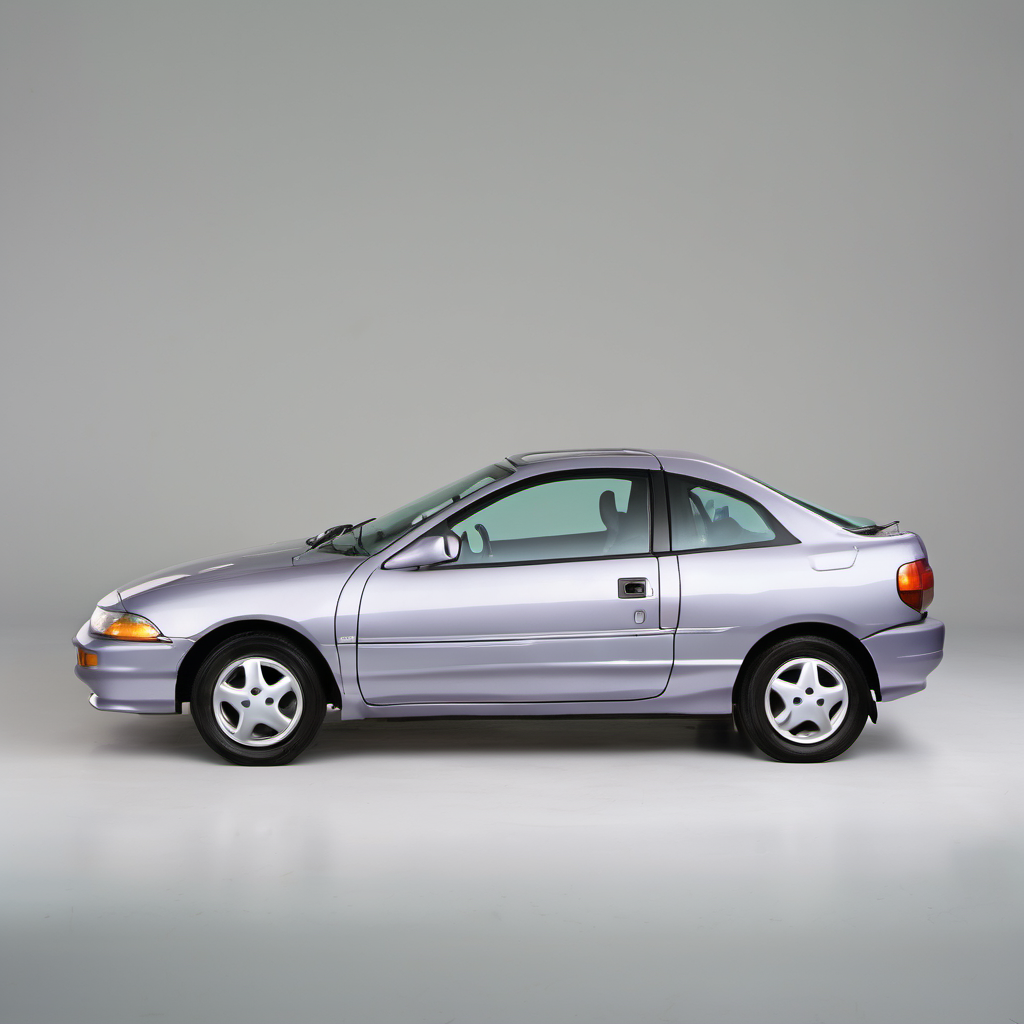
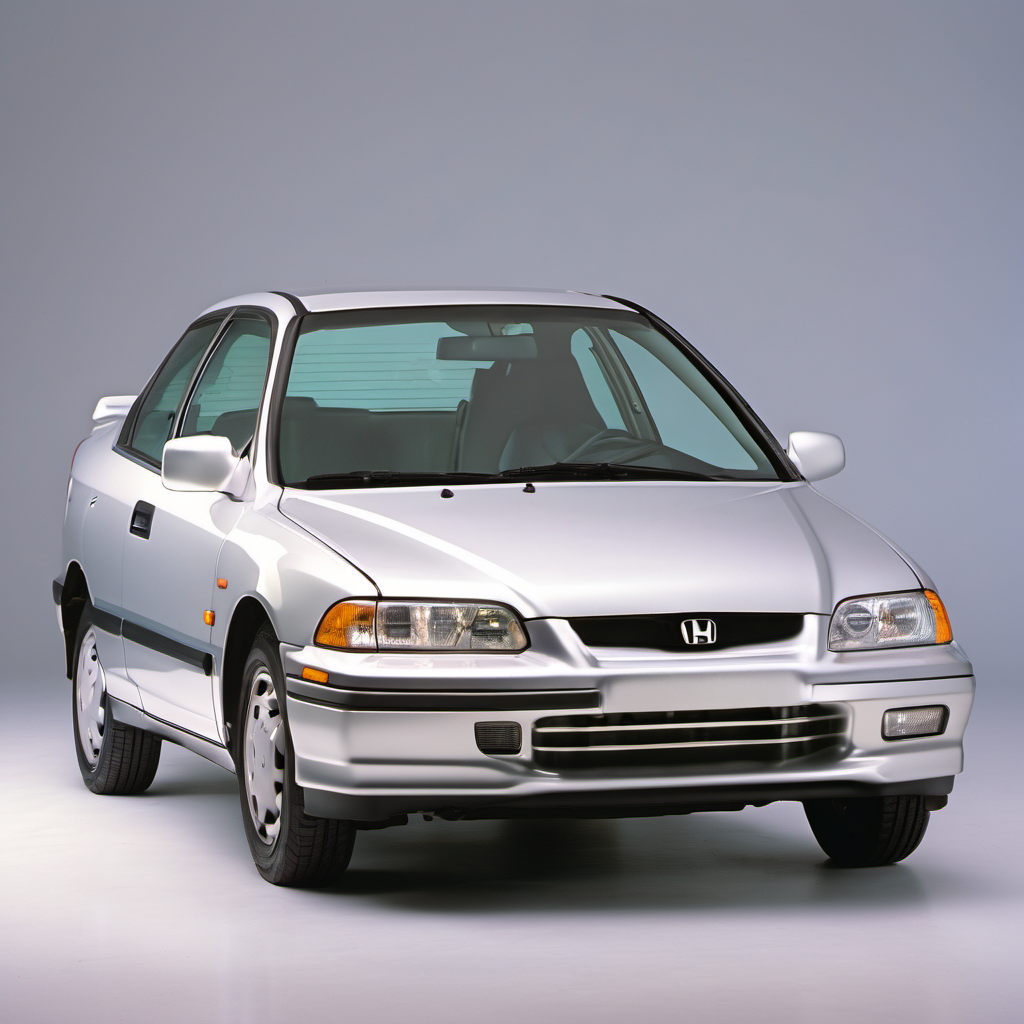
1995 Hyundai Scoupe Coupe

1995 Hyundai

ScoupeCoupe

Coupe

The 1995 Hyundai Scoupe is a compact, front-wheel-drive sport coupe that was sold in the U.S. from the 1991 through 1995 model years. It was Hyundai's entry into the affordable sporty-car market, sharing its platform and drivetrain with the Excel. The Scoupe was positioned as a budget alternative to the Honda CRX and Dodge Neon Sport, and it delivered on that promise — modest performance, lightweight construction, and low cost of entry. By 1995, its final model year in the U.S., the Scoupe received minor refinements to the MPFI 1.5L four-cylinder. It was never a powerhouse, but it was reasonably fuel-efficient and easy to work on. Parts availability has dried up considerably — this is now genuinely an aging niche vehicle, and sourcing OEM components can require patience. Any surviving 1995 Scoupe is pushing 30 years old. Rust, worn rubber, and neglected maintenance are the dominant concerns at this age. Treat this as a classic/collector car in terms of pre-purchase diligence, not a typical used commuter.

Reliability
2/5
Verified data
Specs shown for Scoupe — the most common configuration. Other trims may vary in engine, drivetrain, or fuel economy. Sign in to see your vehicle's exact specs.
Engine
[object Object]
Drivetrain
FWD
Fuel
Gasoline
MPG
22 city / 31 hwy / 25 combined
Seats
Doors
Body
Subcompact Cars

Overview

AI-curated

The 1995 Hyundai Scoupe is a compact, front-wheel-drive sport coupe that was sold in the U.S. from the 1991 through 1995 model years. It was Hyundai's entry into the affordable sporty-car market, sharing its platform and drivetrain with the Excel. The Scoupe was positioned as a budget alternative to the Honda CRX and Dodge Neon Sport, and it delivered on that promise — modest performance, lightweight construction, and low cost of entry. By 1995, its final model year in the U.S., the Scoupe received minor refinements to the MPFI 1.5L four-cylinder. It was never a powerhouse, but it was reasonably fuel-efficient and easy to work on. Parts availability has dried up considerably — this is now genuinely an aging niche vehicle, and sourcing OEM components can require patience. Any surviving 1995 Scoupe is pushing 30 years old. Rust, worn rubber, and neglected maintenance are the dominant concerns at this age. Treat this as a classic/collector car in terms of pre-purchase diligence, not a typical used commuter.

Known for
  • Ultra-affordable sporty styling for its era
  • Simple, easy-to-wrench 1.5L four-cylinder engine
  • Lightweight FWD platform shared with the Excel
  • Low purchase price, even when new
Best for
  • Budget-conscious classic/hobby car enthusiasts
  • Drivers who enjoy wrenching on their own vehicles
  • Short-distance around-town driving
  • Collectors interested in early 1990s Hyundai history
Watch for
  • Severe parts scarcity — many OEM parts are NLA (no longer available)
  • Rust is the #1 killer of surviving Scoupes, especially in salt-belt states like Wisconsin
  • 30-year-old rubber: hoses, belts, bushings, and seals are all suspect
  • Aging electrical connectors and brittle wiring harnesses
  • Limited independent shop familiarity with this model

Common issues by mileage

6 known

Rust and underbody corrosion

high
Typically appears
All mileages — age-related
Estimated repair
$500 – $3,000

Timing belt failure or overdue replacement

high
Typically appears
60k+ mi or 5+ years since last service
Estimated repair
$200 – $450

Oxygen sensor failure / degraded heater circuit

medium
Typically appears
80k–150k mi
Estimated repair
$80 – $220

Cracked or deteriorated coolant and vacuum hoses

high
Typically appears
All — age-related on 30-year-old vehicles
Estimated repair
$100 – $400

Worn or seized brake calipers and soft brake lines

medium
Typically appears
All — age-related
Estimated repair
$150 – $600

Failing or cracked CV axle boots

medium
Typically appears
80k–150k mi
Estimated repair
$100 – $350

Maintenance schedule

  1. 1
    Every 60,000 miles or immediately if history unknown Timing belt and tensioner replacement

    This is an interference engine. A snapped timing belt means bent valves and a wrecked head — far more expensive than the belt job itself. On a 30-year-old car, assume it's overdue unless you have paperwork.

  2. 2
    Immediately on any newly acquired example; every 2 years thereafter Full coolant system inspection and flush

    Rubber hoses and the plastic radiator end-tanks are extremely aged on all surviving Scoupes. Inspect every hose and connection; an overheating episode will quickly escalate to head gasket failure.

  3. 3
    Every 2 years Brake fluid flush

    Brake fluid absorbs moisture over time, lowering its boiling point and promoting internal caliper and master cylinder corrosion. On a 30-year-old vehicle this is especially critical.

  4. 4
    Annually or every 15,000 miles Inspect and replace CV axle boots as needed

    Cracked boots let grease escape and allow dirt and water into the joint, leading to CV joint failure. Catching a torn boot early saves the entire axle.

  5. 5
    Every 15,000–20,000 miles Engine and cabin air filter replacement

    A clogged air filter robs the small 1.5L of power it can't spare. Cheap and quick to do yourself.

  6. 6
    Every 30,000 miles Spark plugs and ignition wires

    Copper-core plugs and aging ignition wires are standard fare on this engine. Fresh plugs and wires keep the MPFI system running cleanly and improve fuel economy.

  7. 7
    Every spring after Wisconsin winters Underbody rust inspection and treatment

    Road salt accumulates in seams, wheel wells, and frame rails. Annual inspection and application of rust inhibitor to exposed metal can significantly extend body and structural life.

  8. 8
    Every fall before winter Battery load test

    Cold-cranking demand spikes in Wisconsin winters. A marginal battery that works in October may not start the car in January. Batteries older than 4 years should be tested and likely replaced.

Always defer to the manufacturer's service manual for warranty-mandated intervals.

Cost of ownership

Annual maintenance
$400 – $1,200
Fuel
Very economical — 25 mpg combined on regular unleaded. Annual fuel cost at 10,000 miles and $3.50/gal is roughly $1,400.
Insurance
Typically very low — liability-only coverage on a vehicle this age and value often runs $400–$700/year in Wisconsin. Agreed-value classic car insurance may be worth exploring for a well-preserved example.

The Scoupe's running costs are low when nothing is broken. The real wildcard is the age-related repair category — parts sourcing can be difficult and labor hours climb when technicians have to track down NLA components. Budget for at least one significant repair per year on a 30-year-old vehicle, and keep a contingency fund for rust remediation.
Seasonal care

Lake Geneva, WI
Winter
  • Load-test the battery every fall — the aging electrical system and cold Wisconsin temps are hard on any battery over 3–4 years old.
  • Switch to a full synthetic 5W-30 oil if not already used; cold-weather flow at startup protects the small 1.5L during sub-zero cranking.
  • Inspect and replace wiper blades with winter-style blades rated for snow and ice; the Scoupe's flat windshield collects ice quickly.
  • Top off washer fluid with a rated -20°F or colder formula — standard fluid will freeze solid in the lines and crack the pump.
  • Inspect all rubber brake lines and fuel lines before winter; salt exposure accelerates cracking and pinhole leaks on aged rubber.
  • Consider a ceramic or block heater if the car will sit outdoors overnight — cold starts below 0°F are hard on a 30-year-old engine.
Summer
  • Inspect the cooling system thoroughly before summer heat — pressure-test the radiator and check all hose clamps; overheating on this engine leads to head gasket failure fast.
  • Check tire pressure monthly; heat causes pressure to rise and the narrow tires on this car can over-inflate quickly in summer.
  • Verify the A/C system holds charge (R-134a retrofit may have been done previously — confirm what refrigerant is in the system before any service).
  • Check the coolant reservoir cap seal; a weak cap lowers the boiling point of the coolant and can cause seemingly random overheating on hot days.

Comparable vehicles

If you're shopping for one

Red flags
  • Any rust bubbling through the paint on the rocker panels or door bottoms — walk away, the rest of the car's structure is likely compromised.
  • Milky or foamy oil on the dipstick or under the oil cap — potential head gasket failure, very expensive relative to the car's value.
  • Strong coolant smell inside the cabin — heater core leak, common on aged vehicles and labor-intensive to fix on this body style.
  • Smoke from the exhaust on startup that doesn't clear quickly — worn valve seals or piston rings.
  • Parts car or salvage title history — given how scarce parts are, a previously damaged Scoupe may have been repaired with mismatched or improvised components.
  • Any evidence of water intrusion in the interior — floor carpet that feels damp, stained headliner, or musty odor signals rust accelerating from the inside out.
What to inspect
  • Poke every square inch of the floor pans, rocker panels, and rear wheel arches with a screwdriver — rust perforation is the #1 reason Scoupes get scrapped.
  • Pull the timing belt cover if possible and look for cracking, fraying, or oil contamination on the belt.
  • Start the engine cold and listen for ticking or knocking before it warms — worn valve train components are common at this age.
  • Check all coolant hoses by squeezing firmly; they should be pliable, not hard and brittle or soft and mushy.
  • Inspect CV axle boots for tears and grease fling marks on the inside of the wheel wells.
  • Test the A/C, heat, and all electrical accessories — wiring harness issues are increasingly common on 30-year-old Hyundais.
  • Ask for any records on timing belt replacement; if none exist, budget $250–$450 immediately.
AI profile generated 4 days ago · claude-sonnet-4-6 · v2.