Frame and underbody rust
high- Typically appears
- All mileages on salt-belt vehicles
- Estimated repair
- $500 – $4,000

1995 Ford
5.8L V8 · Van/Minivan
The 1995 Ford Econoline E250 is a full-size cargo van built on Ford's long-running E-Series platform — a workhorse that's been the backbone of American tradesmen, delivery fleets, and small businesses for decades. By 1995 the platform was well-sorted, offering a choice of inline-6 or V8 gasoline engines and an available 7.3L Power Stroke diesel. The E250 sits in the middle of the lineup, rated for a higher payload than the E150 but without the heavy-duty suspension of the E350, making it the most versatile cargo hauler of the three. These vans were engineered to absorb punishment. With routine maintenance they routinely surpass 200,000 miles in commercial service. The trade-off is that a 1995 example is now 30 years old, meaning rust, worn rubber, and deferred maintenance are the real enemies — not the mechanicals themselves. For a Lake Geneva-area buyer or owner, the biggest concern with any 1995 E250 is three decades of Wisconsin road salt. Frame and rocker panel corrosion can be severe and expensive. Mechanically, these trucks are simple and parts are cheap and plentiful. A well-cared-for example is genuinely one of the most cost-effective work vehicles you can own.
The 1995 Ford Econoline E250 is a full-size cargo van built on Ford's long-running E-Series platform — a workhorse that's been the backbone of American tradesmen, delivery fleets, and small businesses for decades. By 1995 the platform was well-sorted, offering a choice of inline-6 or V8 gasoline engines and an available 7.3L Power Stroke diesel. The E250 sits in the middle of the lineup, rated for a higher payload than the E150 but without the heavy-duty suspension of the E350, making it the most versatile cargo hauler of the three. These vans were engineered to absorb punishment. With routine maintenance they routinely surpass 200,000 miles in commercial service. The trade-off is that a 1995 example is now 30 years old, meaning rust, worn rubber, and deferred maintenance are the real enemies — not the mechanicals themselves. For a Lake Geneva-area buyer or owner, the biggest concern with any 1995 E250 is three decades of Wisconsin road salt. Frame and rocker panel corrosion can be severe and expensive. Mechanically, these trucks are simple and parts are cheap and plentiful. A well-cared-for example is genuinely one of the most cost-effective work vehicles you can own.
The 5.8L Windsor V8 has high oil consumption potential as mileage climbs. Staying on top of oil changes prevents sludge and keeps rings sealing properly.
The E4OD is sensitive to dirty fluid. Neglect is the leading cause of early failure. Drop the pan, replace the filter, and refill with the correct Mercon fluid.
On a 30-year-old vehicle in the salt belt, steel brake lines rust from the outside in. A line failure is catastrophic — inspect every section under the vehicle.
King pins and ball joints on this platform wear out under load. Grease fittings need regular attention; loose steering is a safety issue on a heavy van.
Old coolant becomes acidic and attacks the aluminum intake and heater core. Replace hoses at this interval if they haven't been recently.
Wisconsin road salt is the biggest long-term threat to this van. Treat exposed metal with rust inhibitor each fall; address any active rust before it reaches structural components.
Cold-cranking a heavy V8 in sub-zero Wisconsin temperatures demands a strong battery. A 3–4 year old battery that tests marginal in autumn will likely fail in January.
The inline fuel filter on the 5.8L is inexpensive and easy to replace. A clogged filter causes hard starts, hesitation, and can strain the fuel pump.
Always defer to the manufacturer's service manual for warranty-mandated intervals.
A well-maintained E250 is genuinely cheap to own mechanically — parts are among the least expensive of any American vehicle. The wildcard on a 30-year-old salt-belt example is rust and aged infrastructure (lines, hoses, seals). Budget $1,000–$2,000 upfront for a thorough inspection and preventive replacement of aged components, and ongoing costs will be low. Fuel economy is the ongoing pain point — this van does not reward stop-and-go driving.
Direct competitor in the same era — similar payload rating, V8 power, RWD platform. Parts are equally plentiful and pricing is comparable on the used market.
No catalog matchDodge's mid-range cargo van of the same period. Similar capacity and pricing, though the Dodge platform is generally considered slightly behind Ford and GM in long-term durability.
No catalog match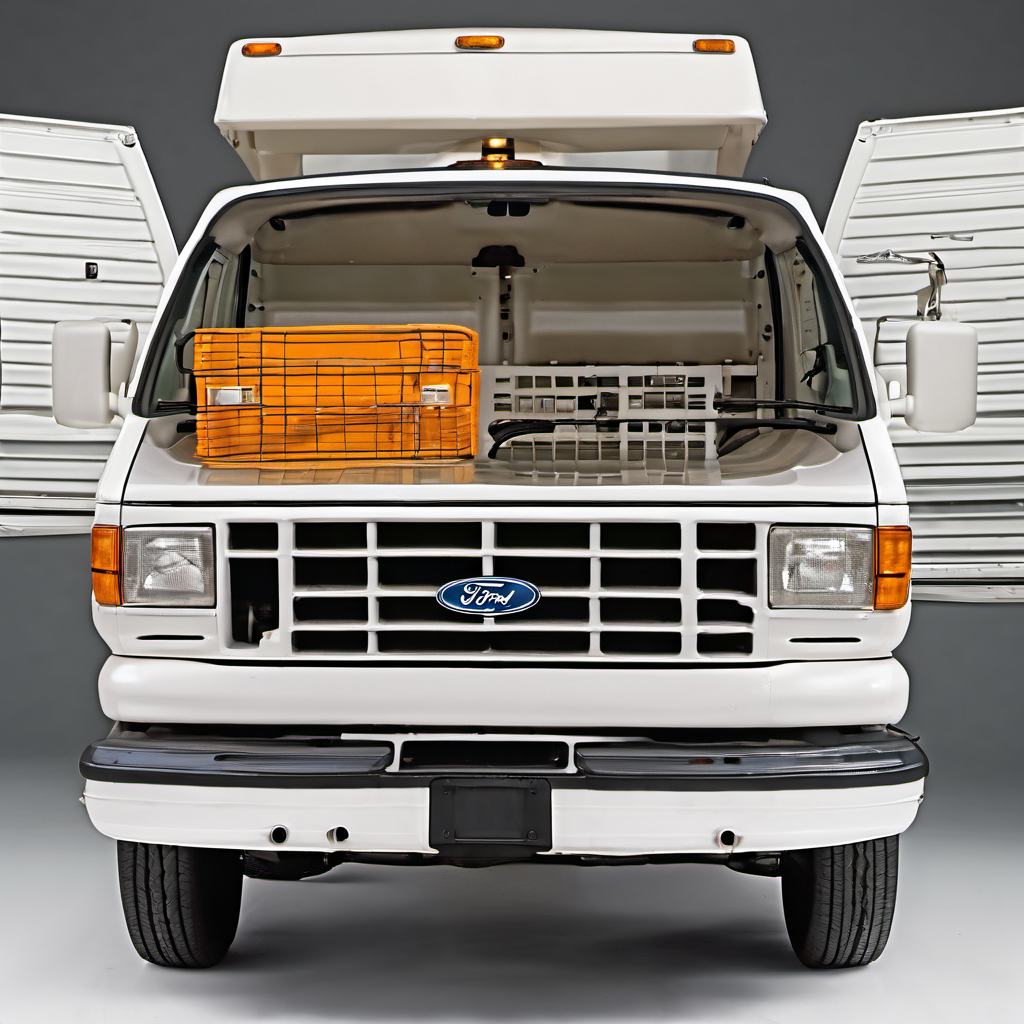
A newer-generation E250 with OBD-II compliance, updated EFI, and less accumulated age. More modern safety and emissions equipment at a modest price premium over a 1995.
GM's rebadged full-size cargo van — functionally identical to the Chevy G20 and a direct cross-shop against the E250 in the same payload class and price range.
No catalog match