A4LD Automatic Transmission Failure (3.0L models)
high- Typically appears
- 80–150k mi
- Estimated repair
- $1,200 – $2,800
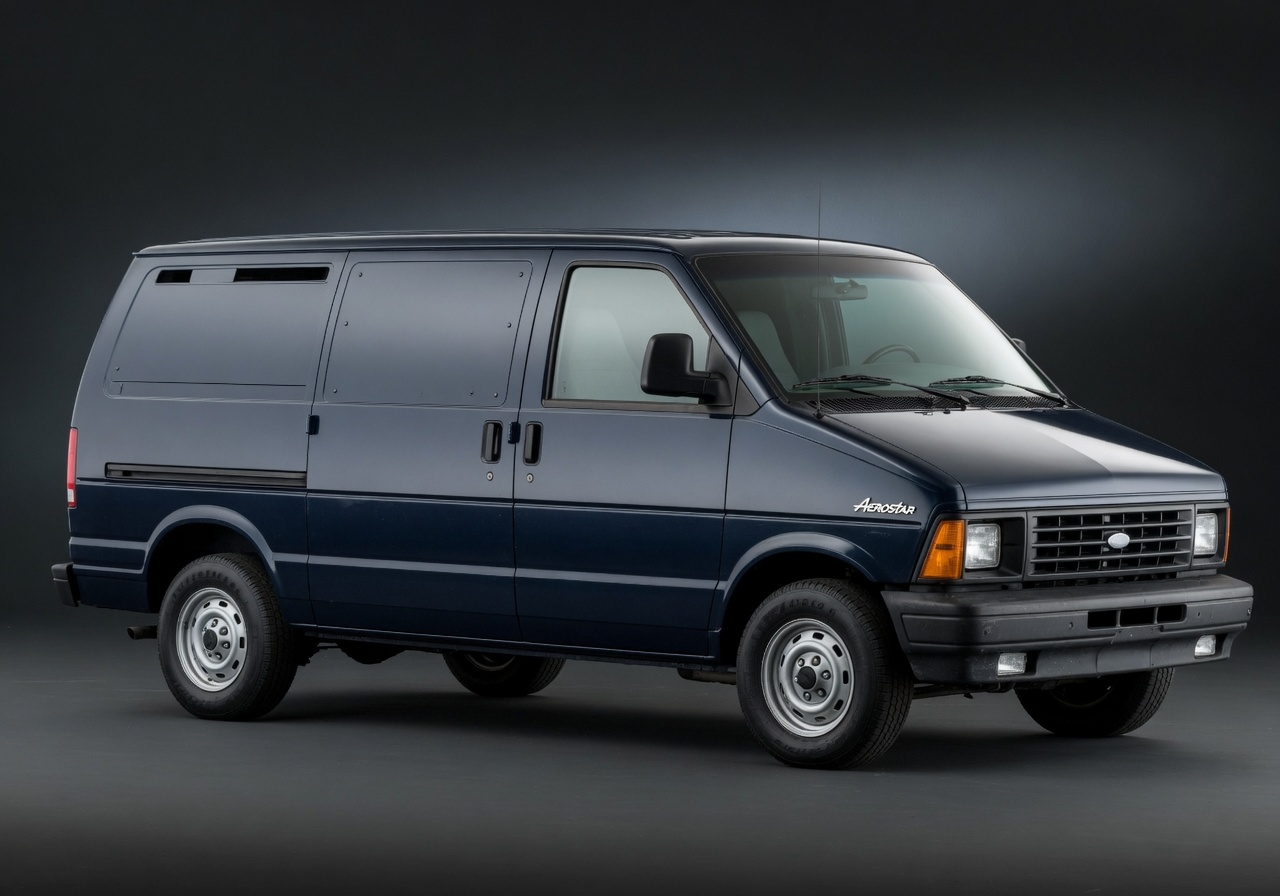
1995 Ford
3.0L V6 (Vulcan) · Van/Minivan
The 1995 Ford Aerostar Cargo Van is the commercial workhorse variant of Ford's rear-wheel-drive minivan platform, which ran from 1986 through 1997. Unlike the passenger version, the Cargo Van deletes rear seating and windows to maximize load space — making it a practical choice for tradespeople and small-business owners needing an economical panel-van alternative. By 1995 the Aerostar was in its final generation, with Ford already pushing buyers toward the new front-wheel-drive Windstar for passenger duty, but the Cargo held on due to its conventional RWD layout and solid reputation for hauling. Power came from Ford's 3.0L Vulcan V6 as standard, with the 4.0L OHV V6 available as an upgrade. Both are iron-block engines known for durability when maintained. The 4-speed automatic (A4LD on 3.0, 4R55E on 4.0) is the transmission to watch — the A4LD in particular has a well-documented weakness. The Aerostar's body-on-frame-adjacent construction (it used a unit-body platform but with traditional rear-wheel drive) gives it better towing capacity than FWD contemporaries. At 30 years old, any surviving Aerostar Cargo is a high-mileage veteran. Parts availability is tightening, and rust is the dominant concern in Wisconsin. Approach used examples with clear eyes: these can still be useful utility vehicles, but they need a thorough inspection before purchase.
The 1995 Ford Aerostar Cargo Van is the commercial workhorse variant of Ford's rear-wheel-drive minivan platform, which ran from 1986 through 1997. Unlike the passenger version, the Cargo Van deletes rear seating and windows to maximize load space — making it a practical choice for tradespeople and small-business owners needing an economical panel-van alternative. By 1995 the Aerostar was in its final generation, with Ford already pushing buyers toward the new front-wheel-drive Windstar for passenger duty, but the Cargo held on due to its conventional RWD layout and solid reputation for hauling. Power came from Ford's 3.0L Vulcan V6 as standard, with the 4.0L OHV V6 available as an upgrade. Both are iron-block engines known for durability when maintained. The 4-speed automatic (A4LD on 3.0, 4R55E on 4.0) is the transmission to watch — the A4LD in particular has a well-documented weakness. The Aerostar's body-on-frame-adjacent construction (it used a unit-body platform but with traditional rear-wheel drive) gives it better towing capacity than FWD contemporaries. At 30 years old, any surviving Aerostar Cargo is a high-mileage veteran. Parts availability is tightening, and rust is the dominant concern in Wisconsin. Approach used examples with clear eyes: these can still be useful utility vehicles, but they need a thorough inspection before purchase.
The A4LD is fragile under heat stress. Fresh fluid is the single best thing you can do to extend its life. Never skip this on a used purchase.
The 3.0L Vulcan is sensitive to cooling system neglect. Old coolant turns acidic and attacks the intake manifold gaskets and heater core. Inspect all hoses — at 30 years old, any original rubber is a failure waiting to happen.
The Vulcan's rear three plugs are awkward to access. Worn plugs cause misfires and lean conditions that stress the catalytic converter and O2 sensors.
Clogged fuel filters strain the aging in-tank pump. At this age, replacing both filter and pump proactively is worth considering.
Wisconsin road salt is the number-one killer of this vehicle. Check frame rails, floor pans, brake lines, and fuel lines for corrosion. Brake line rust is a safety emergency.
Ball joints, tie rod ends, and idler arm wear quickly on high-mileage examples. Loose steering on a van is a serious handling hazard.
Cold cranking a 30-year-old V6 in sub-zero temps demands a strong battery. Test and replace proactively — batteries rarely give warning before they fail in the cold.
Steel brake lines on upper-Midwest vehicles of this age frequently rust from the outside in. A pinhole leak means brake failure. Do not delay if you see any surface rust on lines.
Always defer to the manufacturer's service manual for warranty-mandated intervals.
The Aerostar Cargo is cheap to insure and inexpensive to fuel relative to larger vans. Annual maintenance costs are moderate when the van is in good shape, but any single major repair — transmission, cooling system, rust remediation — can easily exceed the vehicle's market value. Keep a repair budget handy and set a ceiling on what you're willing to invest before each job.
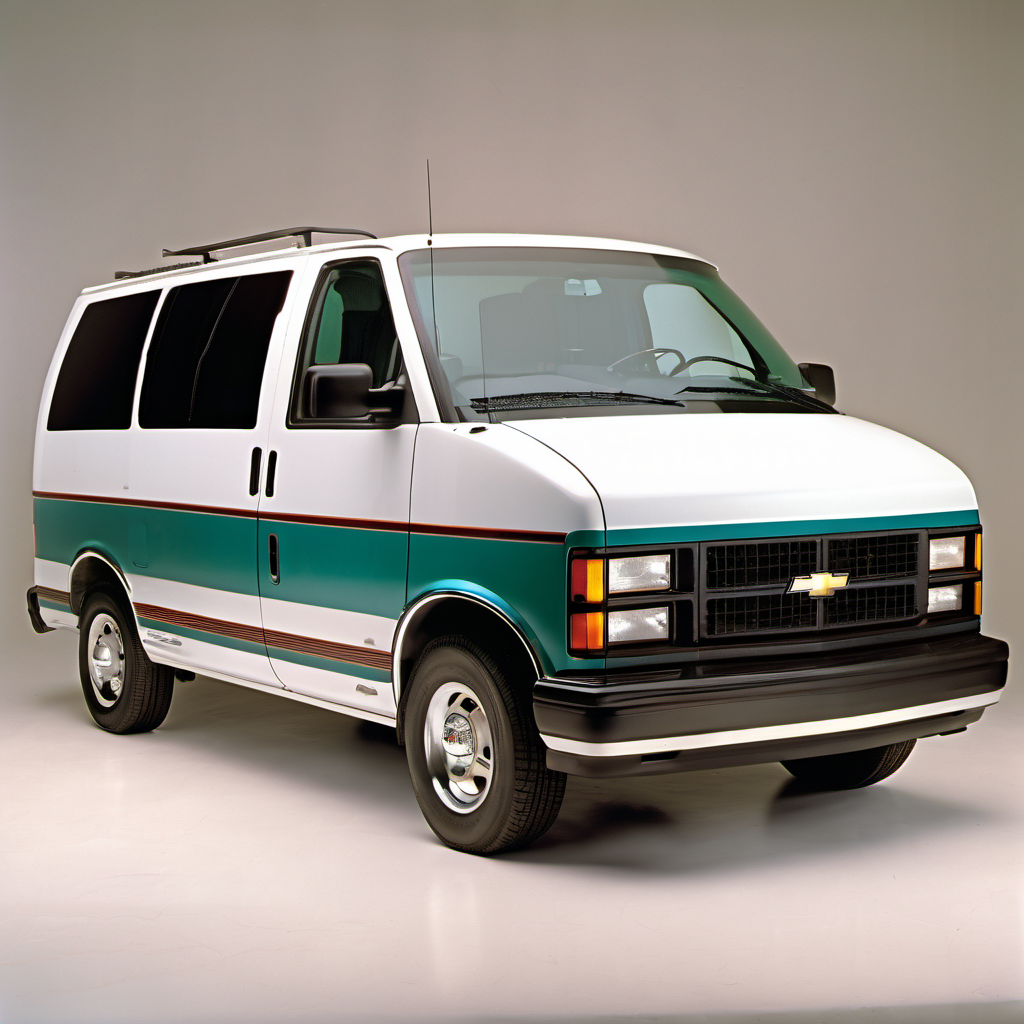
Direct rival — same RWD minivan-based cargo platform, similar engine options and payload. Parts are slightly more available. Same rust concerns in the Midwest.
Full-size cargo van of the era with more cargo volume and better parts availability. Heavier and less maneuverable but more durable transmission options.
No catalog matchFord's own full-size cargo van — larger, more parts available, stronger powertrain options, and much better long-term support. Worth considering if cargo volume needs are flexible.
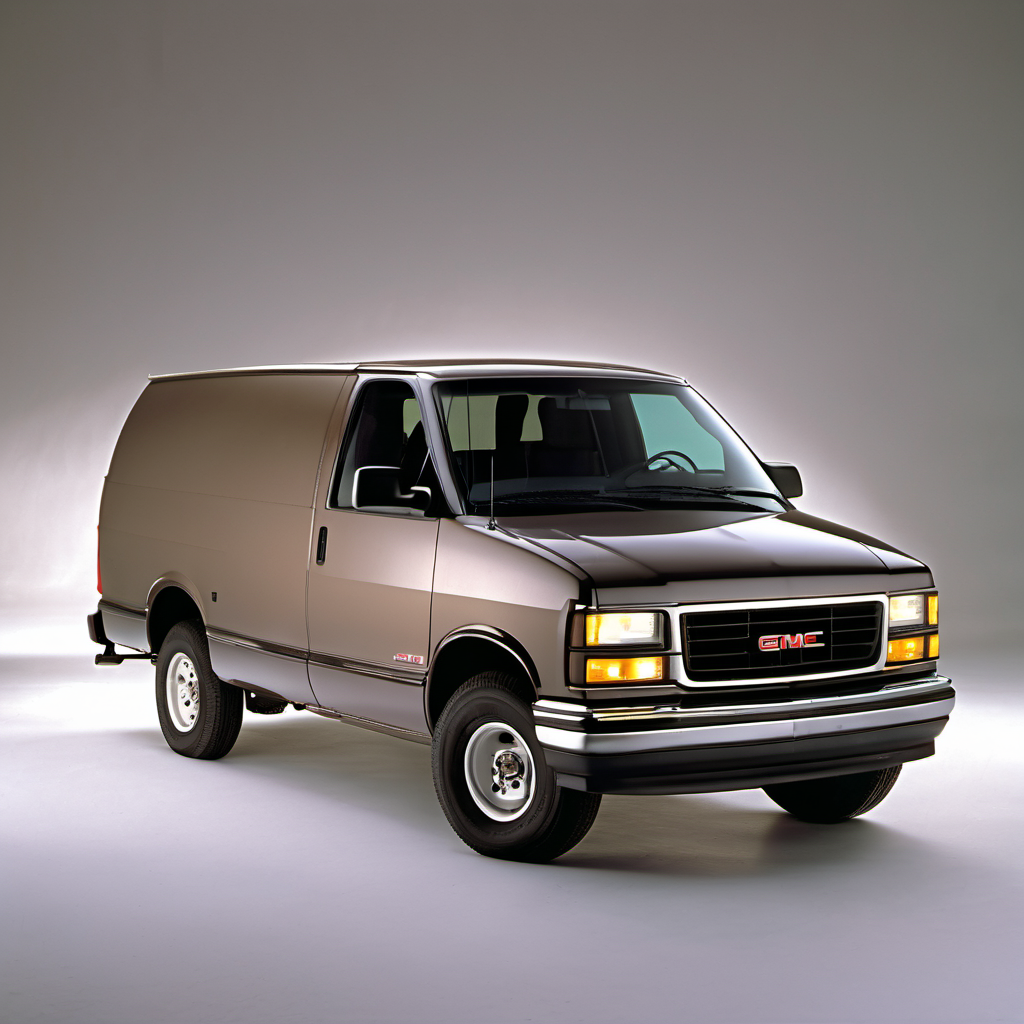
Badge-twin of the Chevrolet Astro Cargo with identical specs. Slightly different trim availability but same mechanical package — a direct like-for-like alternative.