Coolant flange and plastic cooling system component failure
high- Typically appears
- 60–150k mi
- Estimated repair
- $200 – $600

1994 Volkswagen
Coupe
The 1994 Volkswagen Corrado is the final model year of VW's sport coupe, sold in the US from 1990 to 1994. The last-year cars came exclusively with the 2.8L VR6 engine — a narrow-angle six that was genuinely impressive for its era, delivering strong mid-range torque from a surprisingly compact package. It replaced the earlier G60 supercharged four-cylinder and gave the Corrado real teeth. The Corrado was VW's halo car: a front-wheel-drive sport coupe with pop-up headlights, a rear spoiler that deployed automatically at speed, and a taut, well-engineered chassis. Build quality was high by VW standards of the time, and the interior felt more upmarket than a Golf or Jetta. It was assembled by Karmann in Osnabrück, Germany. Thirty-plus years on, the Corrado is a genuine enthusiast collectible. Parts supply has thinned considerably, dealer support is essentially zero, and finding a shop that knows the VR6 well is critical. This is not a daily driver for the faint of heart — but for the right owner, a well-sorted example is one of the most rewarding '90s VW products ever made.
The 1994 Volkswagen Corrado is the final model year of VW's sport coupe, sold in the US from 1990 to 1994. The last-year cars came exclusively with the 2.8L VR6 engine — a narrow-angle six that was genuinely impressive for its era, delivering strong mid-range torque from a surprisingly compact package. It replaced the earlier G60 supercharged four-cylinder and gave the Corrado real teeth. The Corrado was VW's halo car: a front-wheel-drive sport coupe with pop-up headlights, a rear spoiler that deployed automatically at speed, and a taut, well-engineered chassis. Build quality was high by VW standards of the time, and the interior felt more upmarket than a Golf or Jetta. It was assembled by Karmann in Osnabrück, Germany. Thirty-plus years on, the Corrado is a genuine enthusiast collectible. Parts supply has thinned considerably, dealer support is essentially zero, and finding a shop that knows the VR6 well is critical. This is not a daily driver for the faint of heart — but for the right owner, a well-sorted example is one of the most rewarding '90s VW products ever made.
The VR6 runs warm and the original plastic coolant components are now 30 years old. A single failed flange can overheat and warp the head. This is the most important proactive job on any VR6 Corrado.
The VR6 uses a chain, not a belt, but tensioners wear. A slack chain on startup is an early warning sign. Catching it early avoids a much more expensive repair.
OEM-spec plugs matter on the VR6. Worn plugs stress the ignition coils, which are not cheap on this platform.
30-year-old O2 sensors are past their service life. Fresh sensors keep fueling accurate and protect the catalytic converter.
Brake fluid absorbs moisture over time. Wisconsin winters accelerate corrosion in the brake hydraulic system on an older car like this.
Rubber vacuum lines harden and crack with age. Cracked lines cause rough idle, hesitation, and false lean codes. A full vacuum line replacement is cheap insurance.
Wisconsin road salt is brutal on a 30-year-old unibody. Catching rust at the surface stage costs far less than structural repairs later.
Cold cranking a 2.8L VR6 at sub-zero temps demands a strong battery. A battery that passes a simple voltage test in summer can still fail a load test in October.
Always defer to the manufacturer's service manual for warranty-mandated intervals.
Budget on the higher end of the maintenance range for any used example — deferred work is common on 30-year-old specialty cars. Parts cost more than a mainstream VW due to scarcity, and labor takes longer because mechanics need VR6 familiarity. A freshly sorted car with documented service is worth paying more for upfront; it saves money over a cheap neglected example.
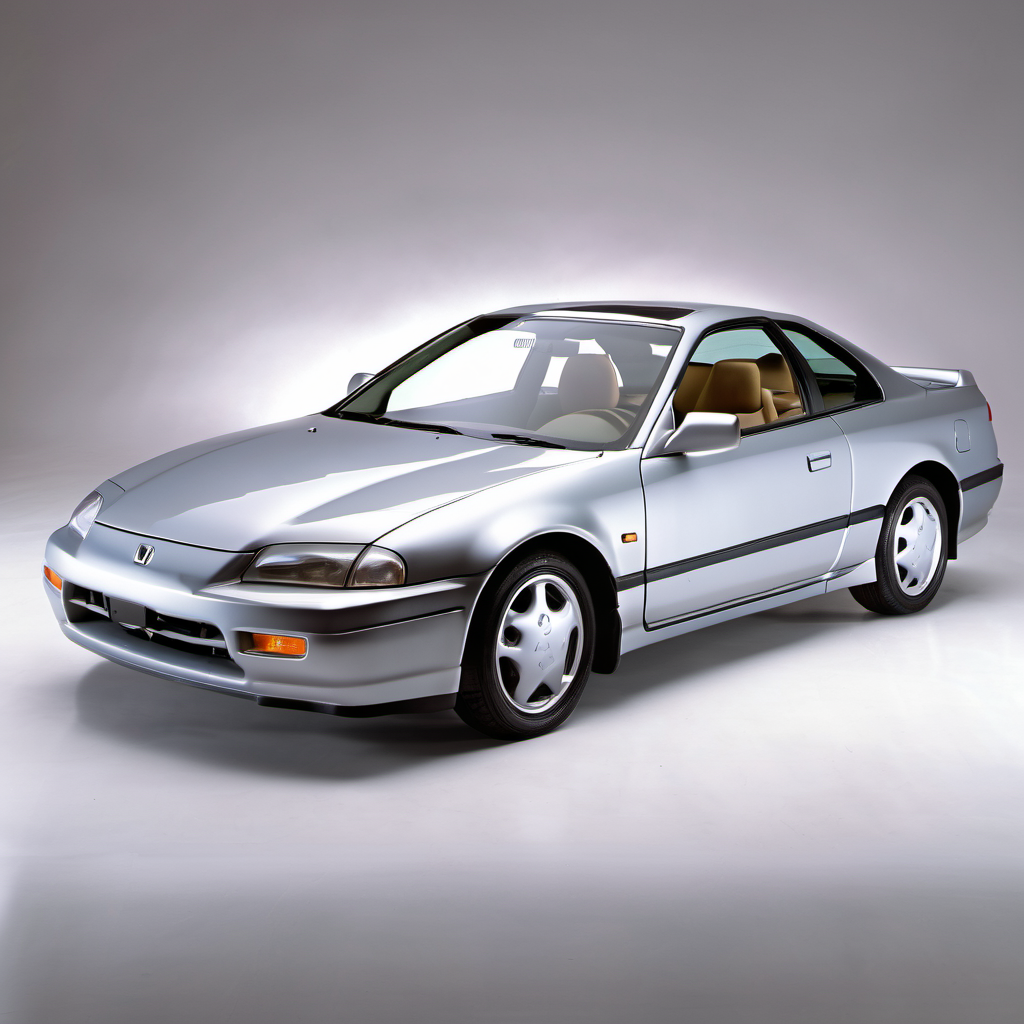
Front-wheel-drive sport coupe of the same era, similar price point, more parts availability and mainstream shop support, though less exotic.
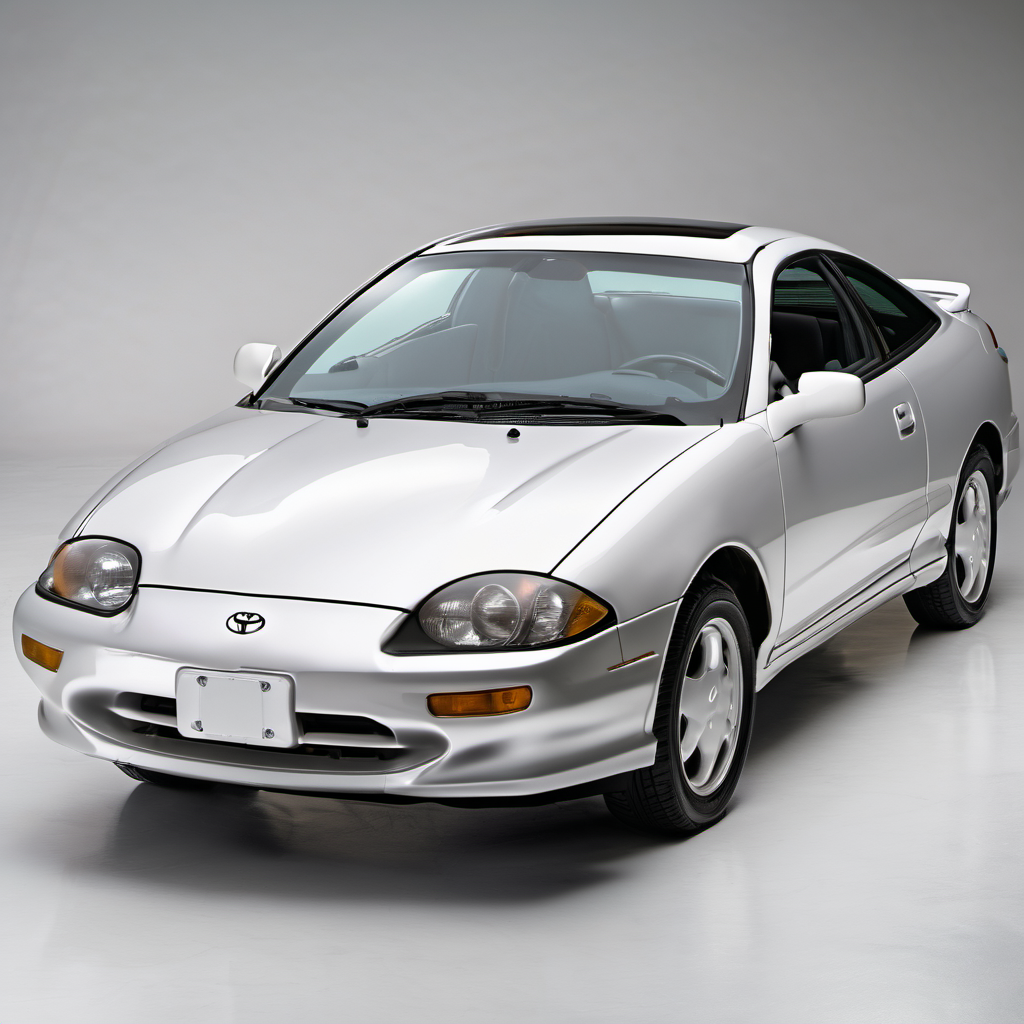
FWD sport coupe competitor with better long-term parts support and higher reliability, but lacks the VR6's character and exclusivity.
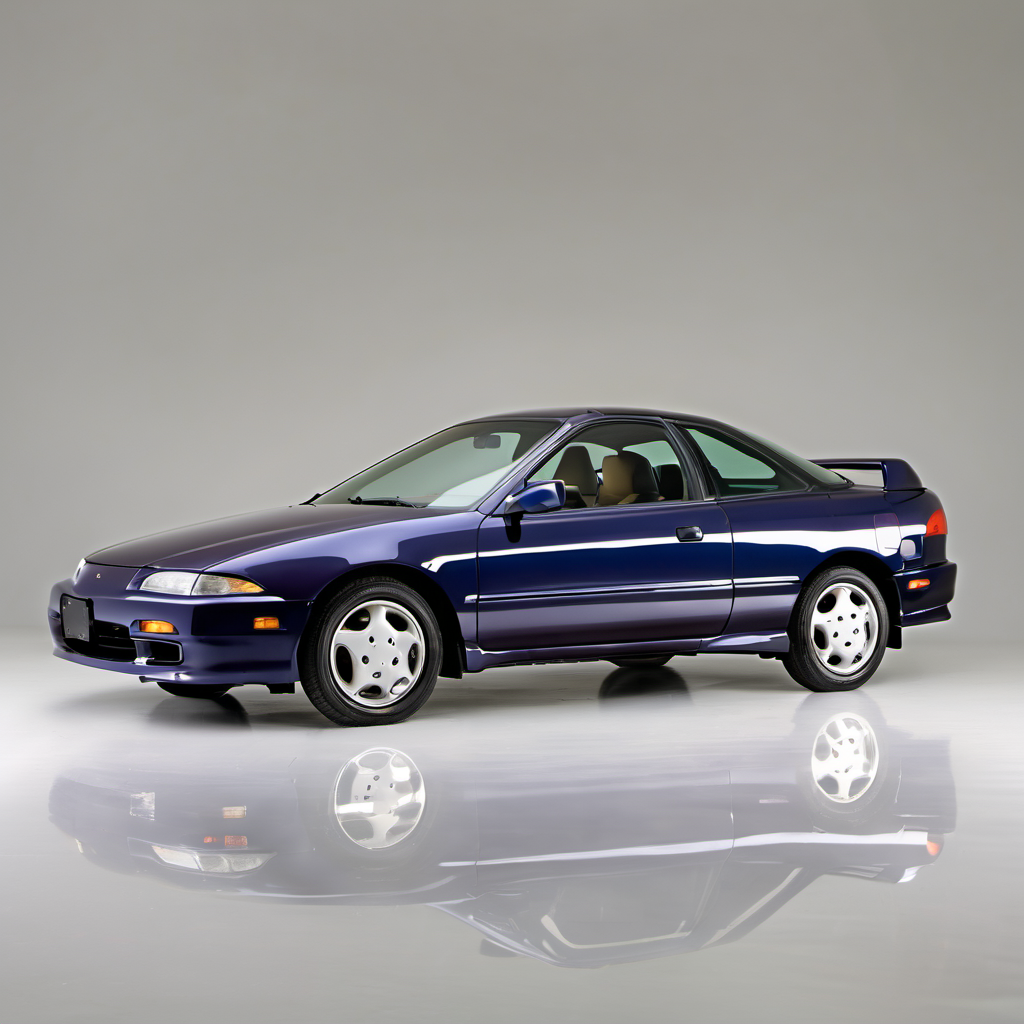
Similar sport coupe mission and era, easier to maintain, far more parts available, but a step below the Corrado in refinement and power.
Another rare German sport coupe from the same era with shared VW Group DNA; similarly collectible and similarly challenging to keep up, but AWD gives it an edge in Wisconsin winters.
No catalog match